
La de små barn komme til meg — History & Facts
A gentle radiance draws the viewer’s gaze straight to the heart of La de små barn komme til meg, where a central figure—haloed and calm—extends a hand in welcome. The scene is thick with the presence of children, gathered in a semicircle at the figure’s feet, some reaching up, others cradled by adults. Warm earth tones and soft, almost blurred contours lend the moment a hush, as if the world itself pauses to witness this act of gathering.
The composition leads the eye outward from the central figure, whose gesture and expression are both invitation and benediction, while the surrounding adults look on with a mix of awe and reserve. The subtle glow around the central figure’s head signals a sacred presence, anchoring the scene in a tradition of religious storytelling. Painted in 1842, this work by Adolph Tidemand belongs to a period when biblical subjects were often reimagined for new audiences, especially in Northern Europe. Such paintings were not only devotional but also served as visual instruction, bringing familiar stories into the domestic or church setting.
The National Museum of Art, Architecture and Design now houses this piece, a reminder of the era’s search for moral clarity and emotional immediacy in art. While little is recorded about the specific journey of this painting, its intimate scale and earnest mood invite viewers to linger, searching the faces and gestures for echoes of their own experience.
More Artworks by Adolph Tidemand

Bridal Procession on the Hardangerfjord
Adolph Tidemand
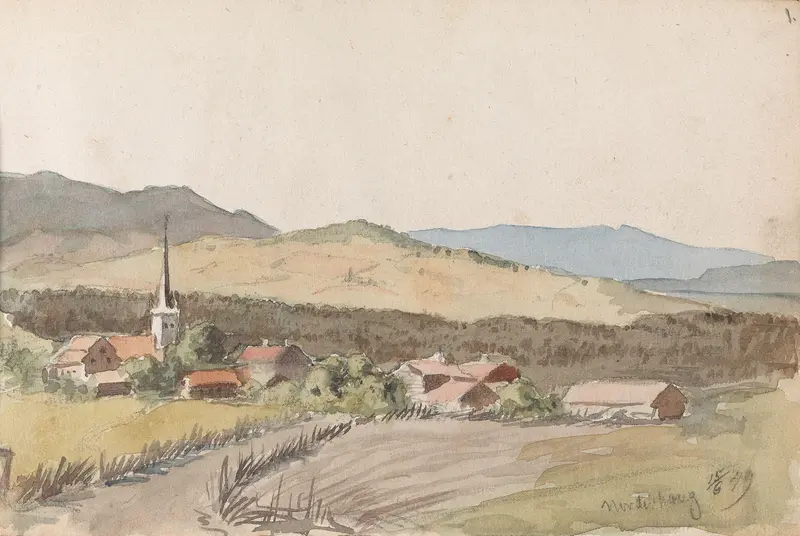
Fra Haugsbygd
Adolph Tidemand
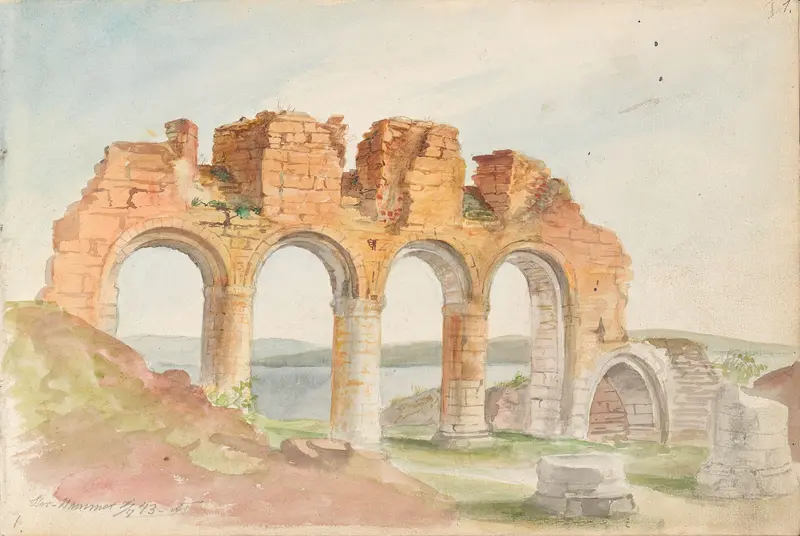
Domkirkeruinen, Hamar
Adolph Tidemand
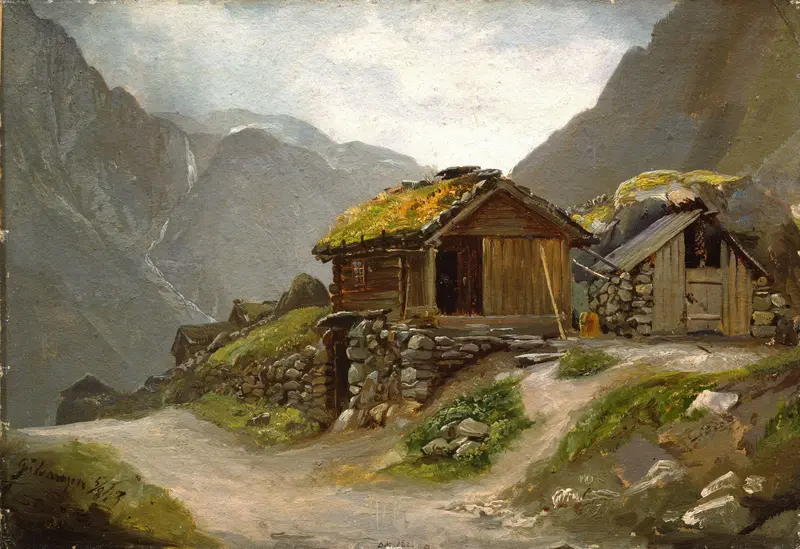
View from Gudvangen
Adolph Tidemand

View of Gudvangen
Adolph Tidemand
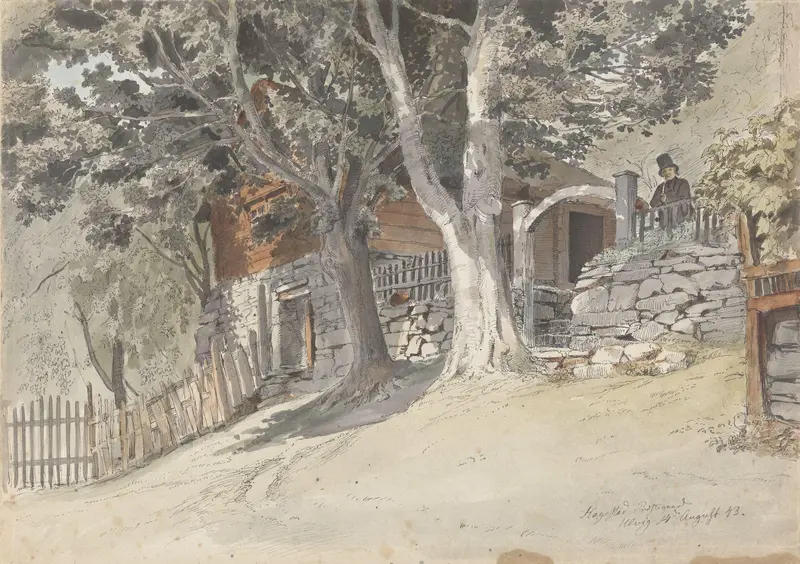
Hagestad prestegård, Ulvik i Hardanger
Adolph Tidemand
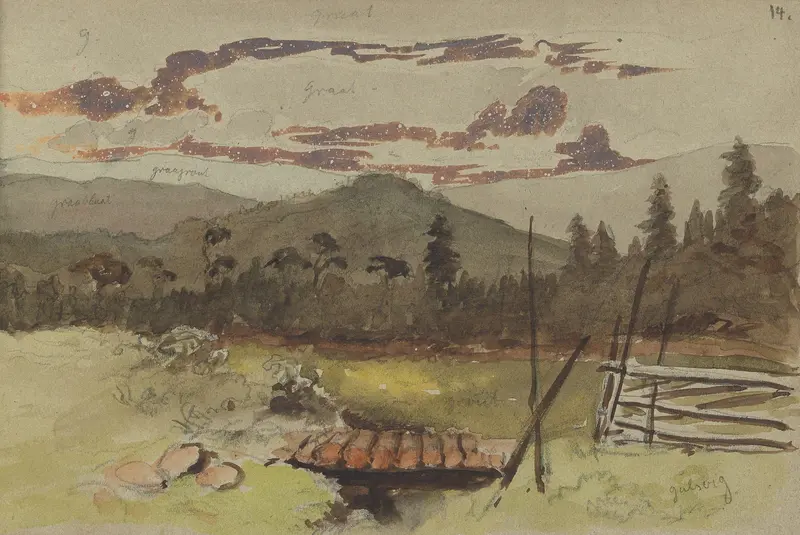
Fra Gulsvik
Adolph Tidemand

Country Road
Adolph Tidemand
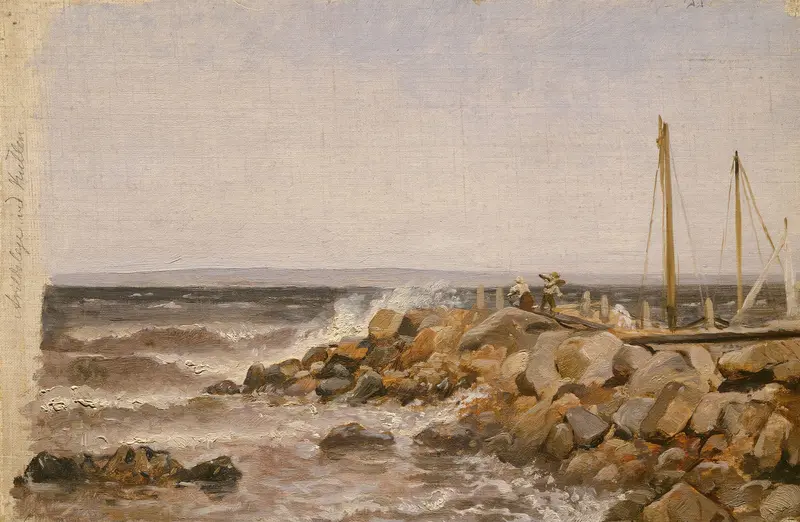
From Kullen in Sweden
Adolph Tidemand

Untitled
Adolph Tidemand





