
La Falaise, crépuscule (Yport) — History & Facts
Can beauty exist without sorrow? In the interplay of twilight and shadow, La Falaise, crépuscule (Yport) invites us to ponder the duality of existence, reflecting the inherent tension between joy and melancholy. Look closely at the horizon where the warm hues of the setting sun gently kiss the rugged cliffs. Notice how the rich oranges and soft purples vibrate against the cooler blues of the sea, creating a striking contrast that begs for contemplation. The painter’s brushstrokes convey a sense of movement in the waves, while the cliffs stand resolute, their textures rendered with an almost sculptural quality.
This masterful use of color and light highlights both the beauty of nature and the fleeting moments of the day, a reminder of the transience that defines our experiences. Delve deeper into the painting, and you may uncover narratives hidden in the interplay between the earth and sea, the solid and the fluid. The cliffs loom large, representing stability and permanence, while the restless waves suggest change and impermanence. This tension evokes a sense of longing, a reminder that every breathtaking moment is shadowed by the inevitability of loss.
The sky, with its fading light, serves as a poignant backdrop, reinforcing the notion that beauty often exists alongside sorrow. Amédée Joyau created La Falaise, crépuscule (Yport) in 1901, during a period of evolving artistic expression characterized by the rise of Impressionism. Living in a France that was both vibrant and turbulent, he captured the essence of the natural world with a keen eye for detail. This work, painted in the coastal town of Yport, reflects Joyau’s personal journey and the broader artistic movement of his time, bridging the gap between traditional and modern aesthetics.
More Artworks by Amédée Joyau
Browse all →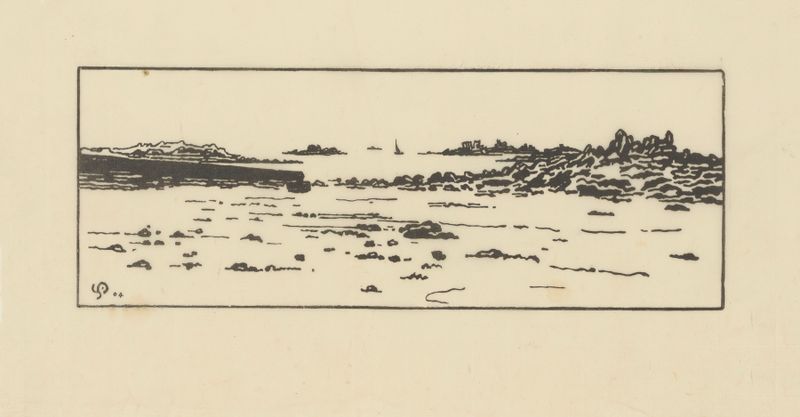
Côte de Roscoff, Marée basse
Amédée Joyau
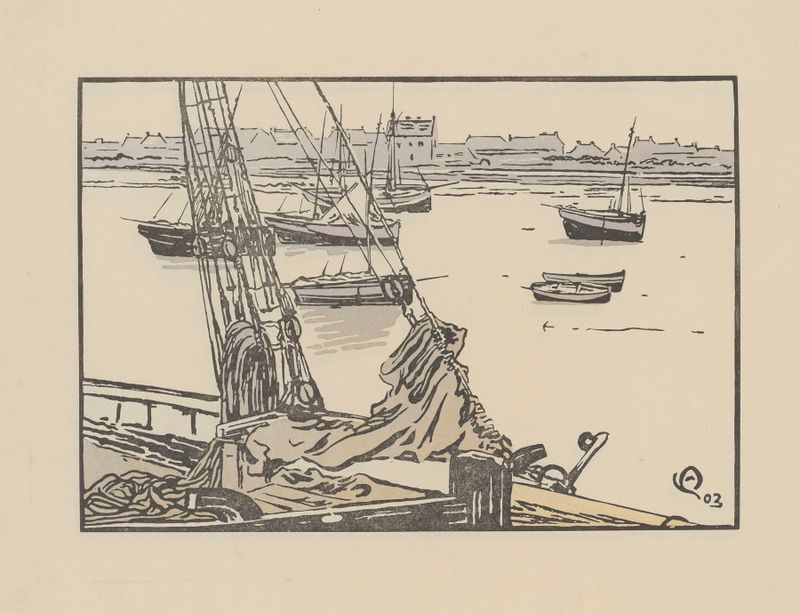
Roscoff, Matinée claire
Amédée Joyau
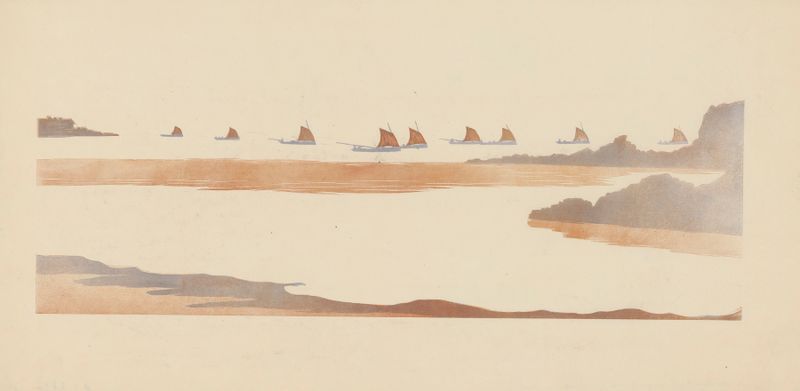
Rentrée des Sardiniers (Douarnenez, Finistère)
Amédée Joyau
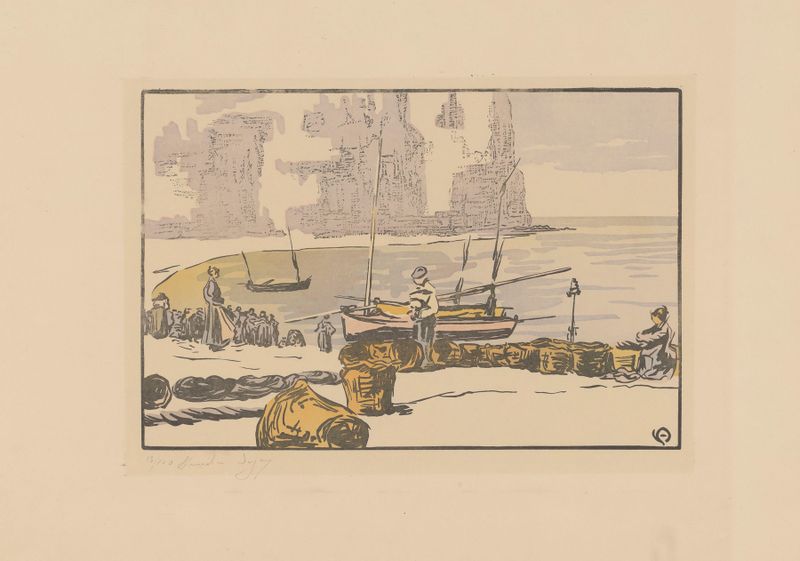
La Petite plage (Yport)
Amédée Joyau
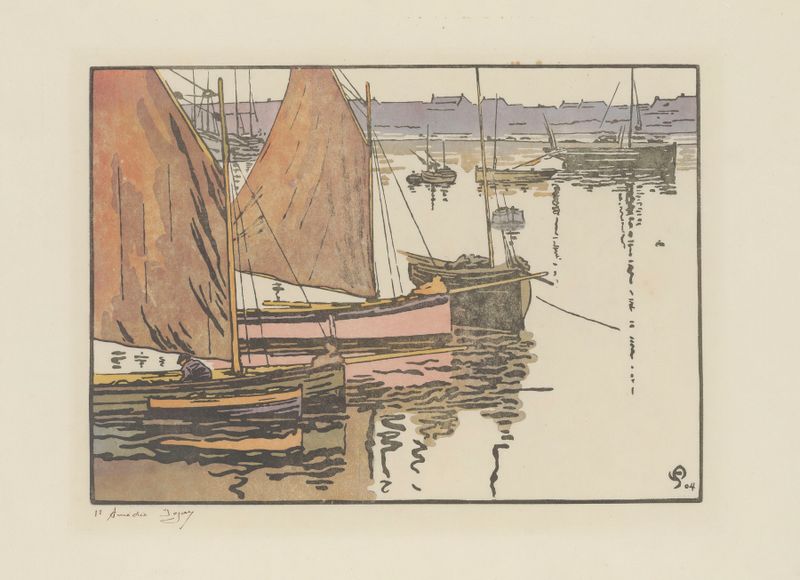
Roscoff, Les voiles rouges
Amédée Joyau
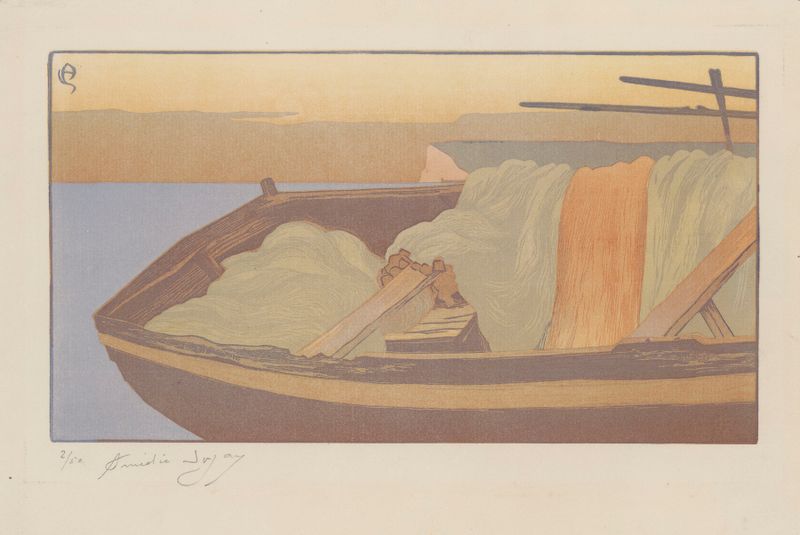
Les Filets (Yport)
Amédée Joyau
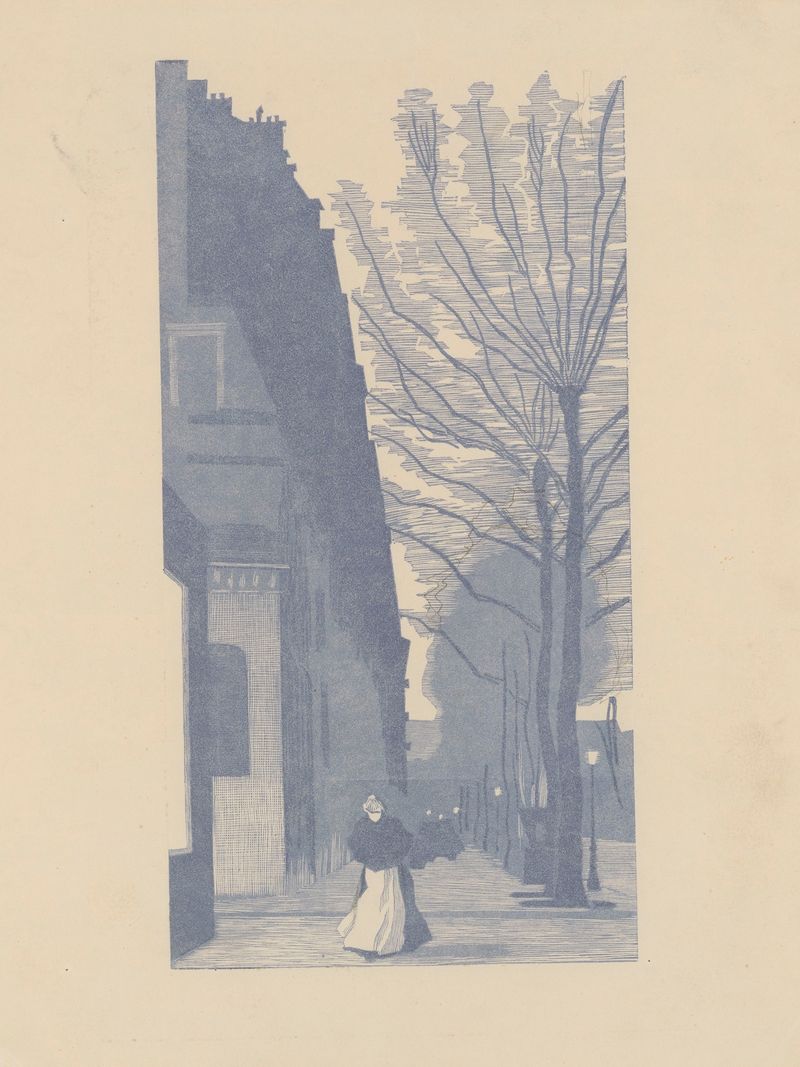
Avenue de Villiers (Paris)
Amédée Joyau
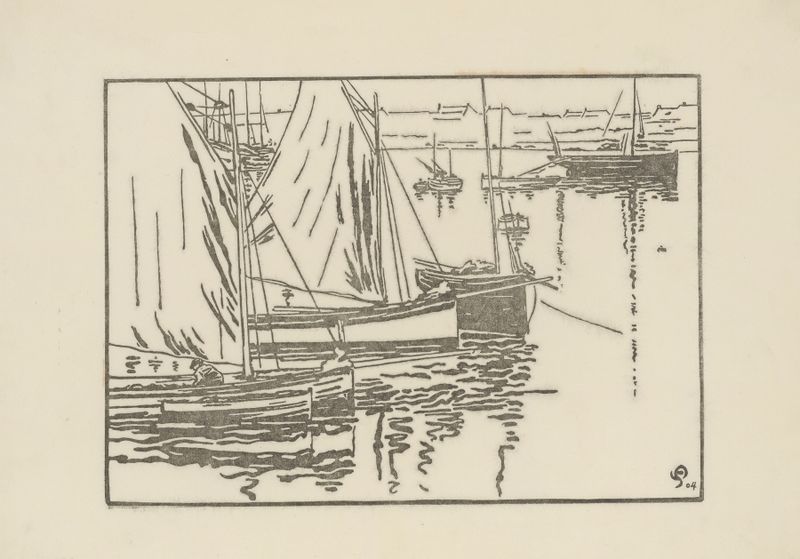
Roscoff, Les voiles rouges
Amédée Joyau
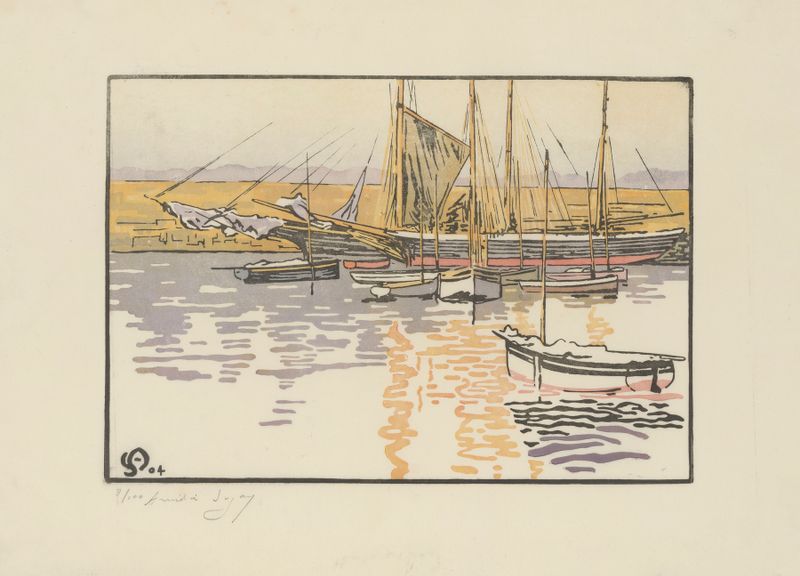
Roscoff, Les Goélettes
Amédée Joyau
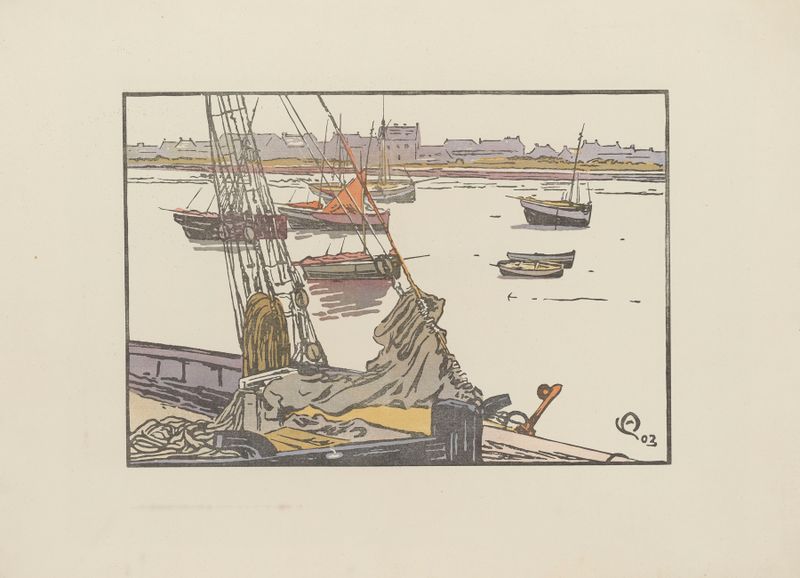
Roscoff, Matinée claire
Amédée Joyau





