
Roscoff, Les voiles rouges — History & Facts
Could a single brushstroke hold eternity? In Roscoff, Les voiles rouges, the vibrant hues and sweeping forms invite viewers to contemplate the essence of truth that lies beneath the surface of the world. Look to the left at the inky depths of the water, an arresting contrast to the bright reds and oranges of the sails above. The brushwork is dynamic, each stroke filled with motion as if the canvas vibrates with the rush of wind and tide. Notice how the play of light dances across the scene, illuminating the vibrant fabric of the sails while leaving the harbor cloaked in shadow, emphasizing the separation between nature’s brilliance and the solidity of human creation. There is a profound tension between the ephemeral quality of the sails and the permanence of the boats, conveying a sense of fleeting beauty against the backdrop of steadfastness.
The juxtaposition of colors not only captures a picturesque moment but also evokes emotions of longing and nostalgia. The viewer may sense the call of adventure and the search for truth amidst life’s transitory moments. In 1904, Joyau painted this work while residing in France, amidst the vibrant post-impressionist movement that was reshaping the art world. During this time, artists sought to depict the interplay of light and color with unprecedented freedom.
Joyau was influenced by his contemporaries and aimed to capture the essence of coastal life, reflecting both the beauty of the landscape and the artist’s inner exploration of truth through the expressive power of color.
More Artworks by Amédée Joyau
Browse all →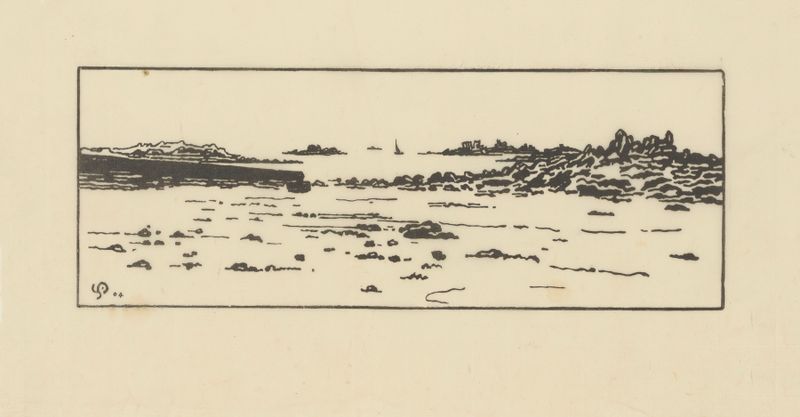
Côte de Roscoff, Marée basse
Amédée Joyau
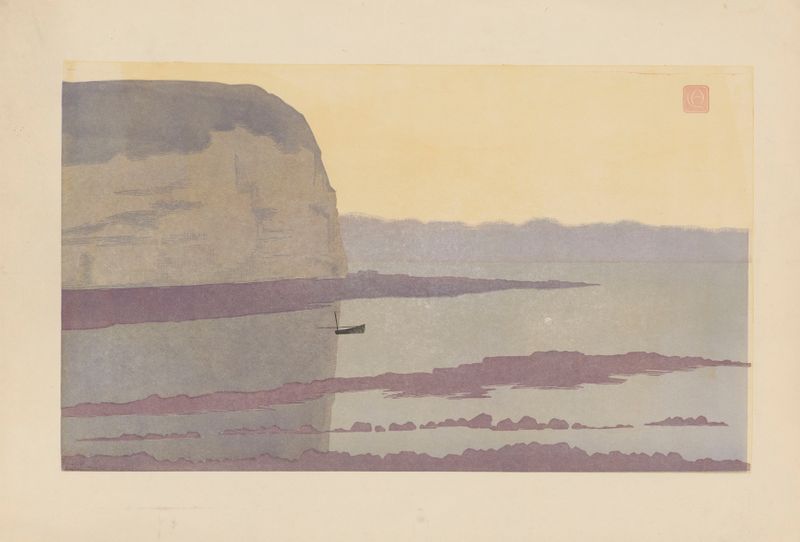
La Falaise, crépuscule (Yport)
Amédée Joyau
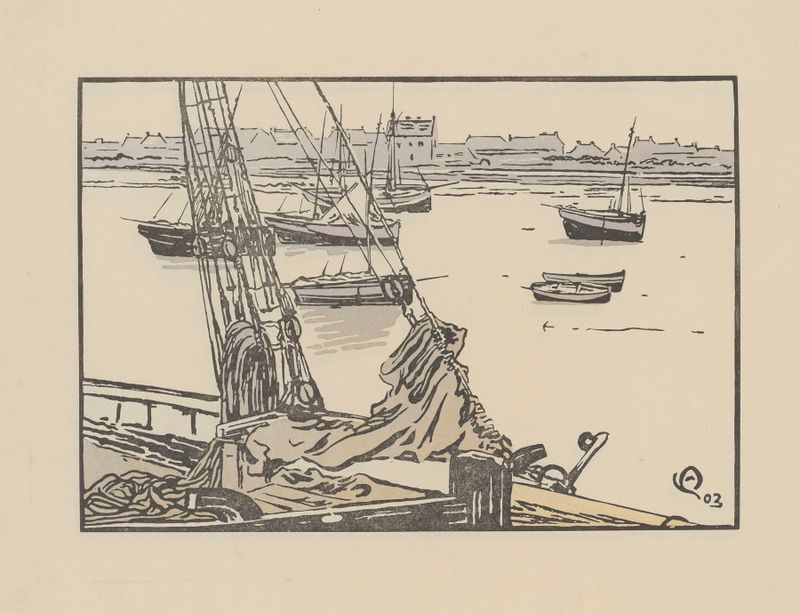
Roscoff, Matinée claire
Amédée Joyau
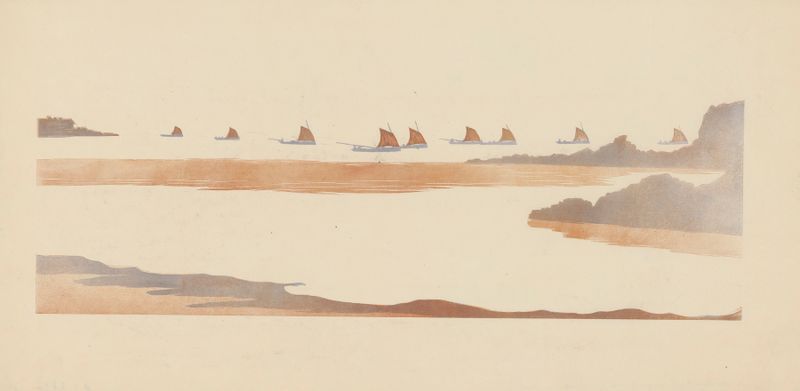
Rentrée des Sardiniers (Douarnenez, Finistère)
Amédée Joyau
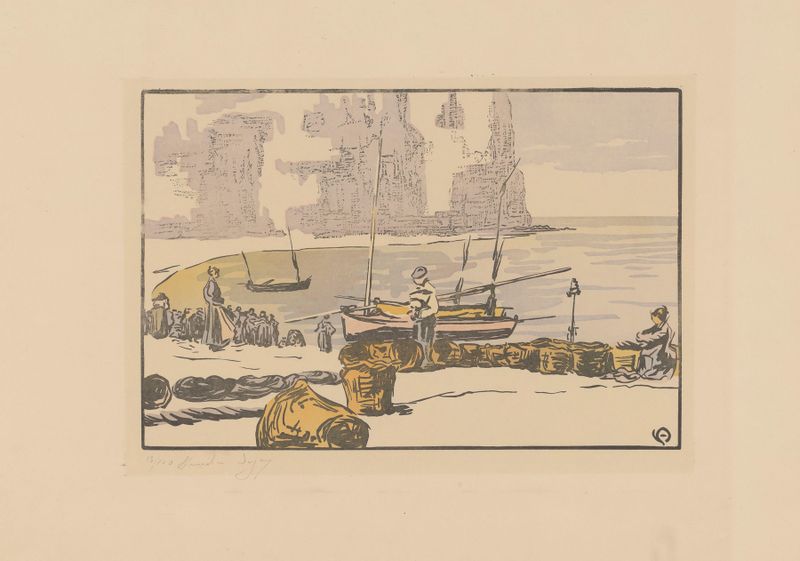
La Petite plage (Yport)
Amédée Joyau
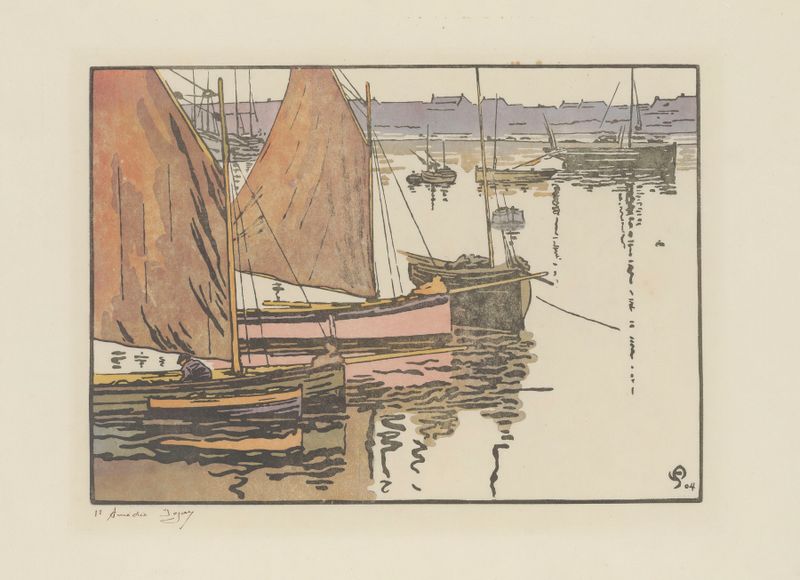
Roscoff, Les voiles rouges
Amédée Joyau
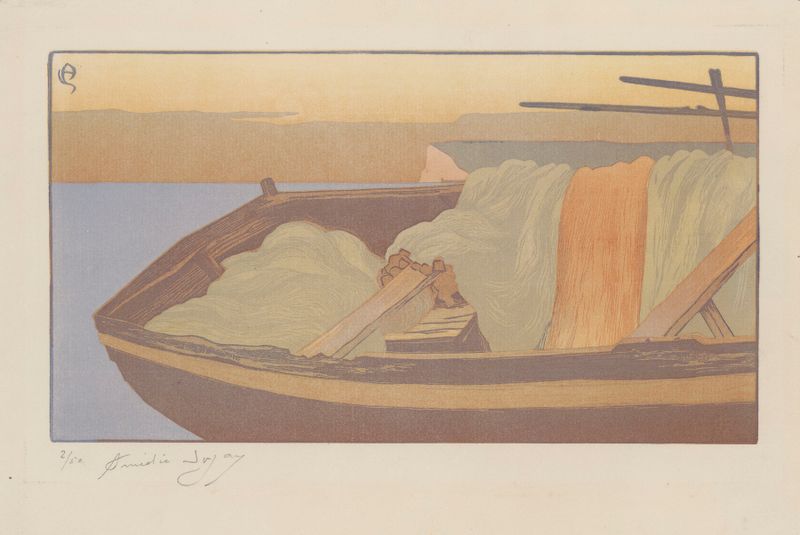
Les Filets (Yport)
Amédée Joyau
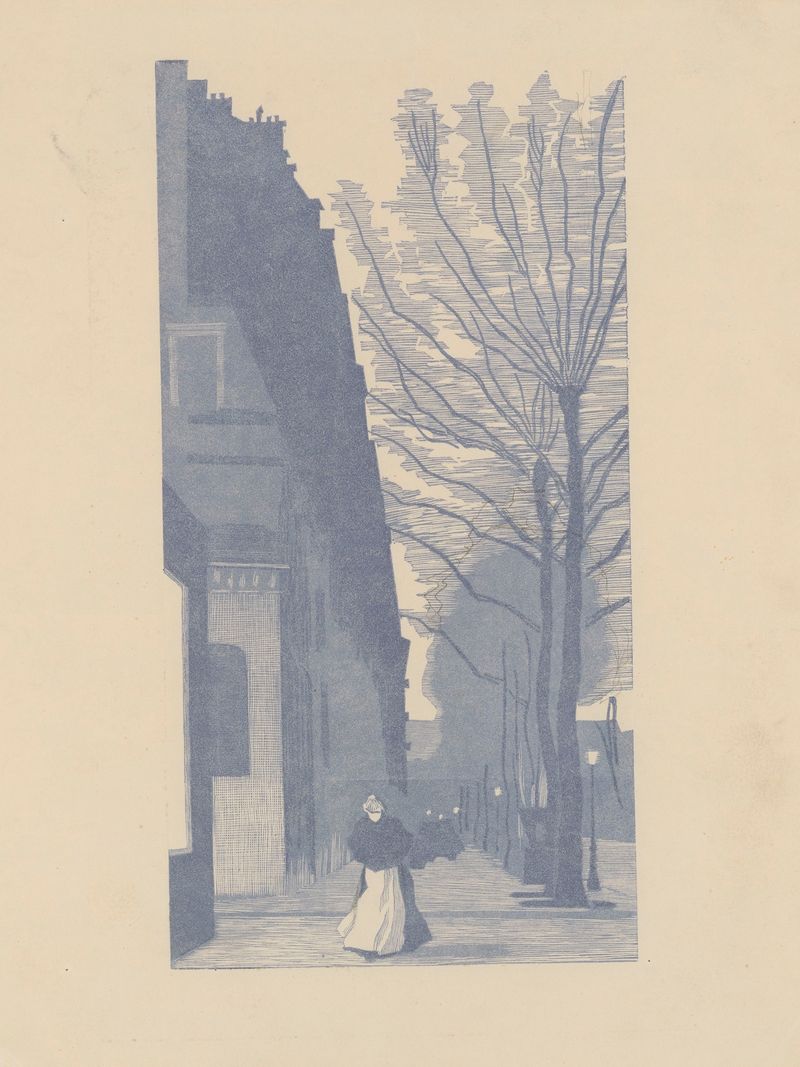
Avenue de Villiers (Paris)
Amédée Joyau
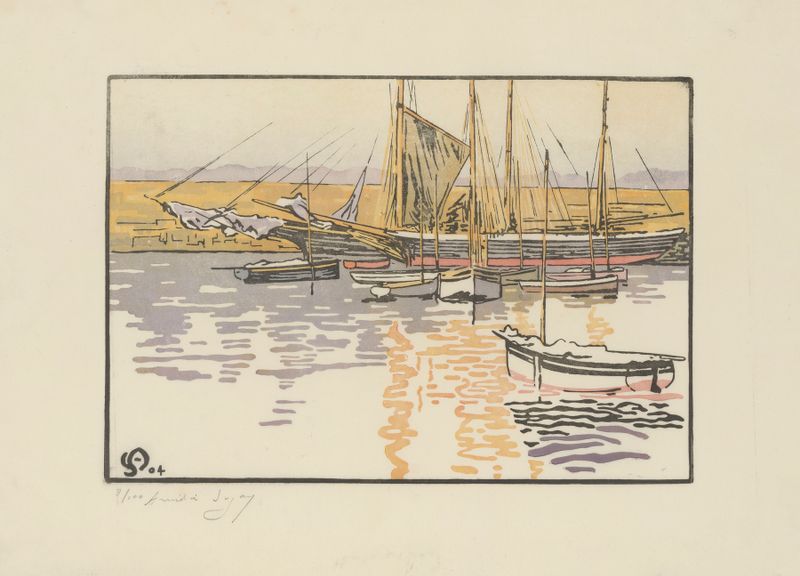
Roscoff, Les Goélettes
Amédée Joyau
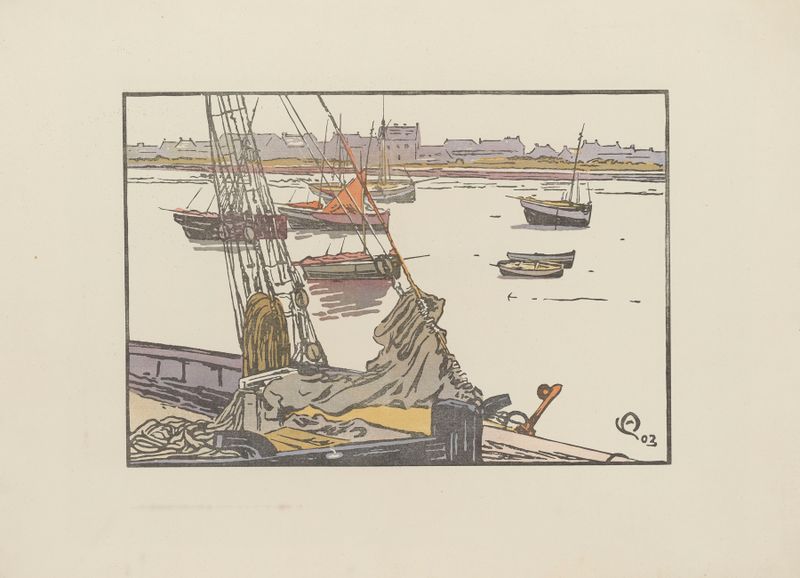
Roscoff, Matinée claire
Amédée Joyau





