
Avenue de Villiers (Paris) — History & Facts
Can beauty exist without sorrow? In the delicate strokes of Avenue de Villiers, the answer seems to linger like a whisper, steeped in the innocence of a bygone era. Focus on the bustling avenue that stretches across the canvas, where sunlight bathes the scene in a gentle glow. The warmth of the yellow and soft blues infuses life into the figures, who stroll leisurely, wrapped in their hats and finery. Notice the playful shadows cast by the trees, framing the ephemeral moment of a Parisian afternoon.
The composition invites your gaze to travel from the elegant buildings on the left to the vibrant activity on the right, creating a sense of movement that echoes the pulse of the city. Yet, beneath this surface charm lies a tension—a contrast between the carefree joy of the promenade and the hint of isolation in the distant figures. The vibrant interactions seem almost fleeting, suggesting that the beauty of such moments can be transitory. The trees, though lush, stand sentinel, embodying a silent witness to both the joy and the inevitable passage of time, reminding us of the fragility of innocence amidst life's complexities. Amédée Joyau painted Avenue de Villiers in 1900 during a period when Paris was a hub of artistic innovation and social change.
The turn of the century brought forth a blend of optimism and uncertainty in the art world, as artists explored new movements while grappling with the shadows of past traditions. This painting reflects the duality of that era, capturing a serene moment while hinting at the emotions that lie just beneath the surface.
More Artworks by Amédée Joyau
Browse all →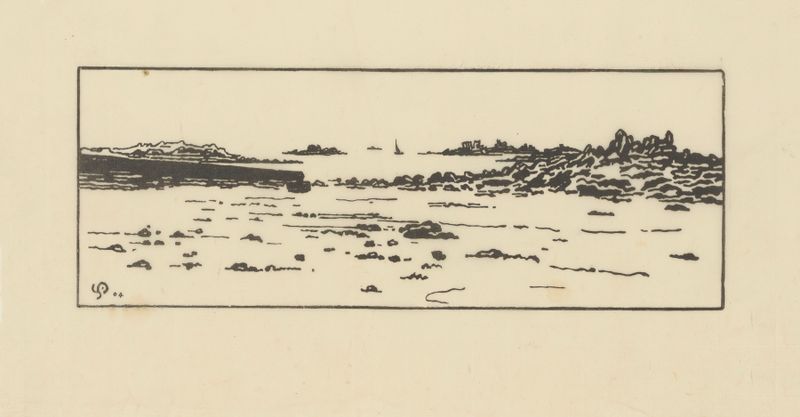
Côte de Roscoff, Marée basse
Amédée Joyau
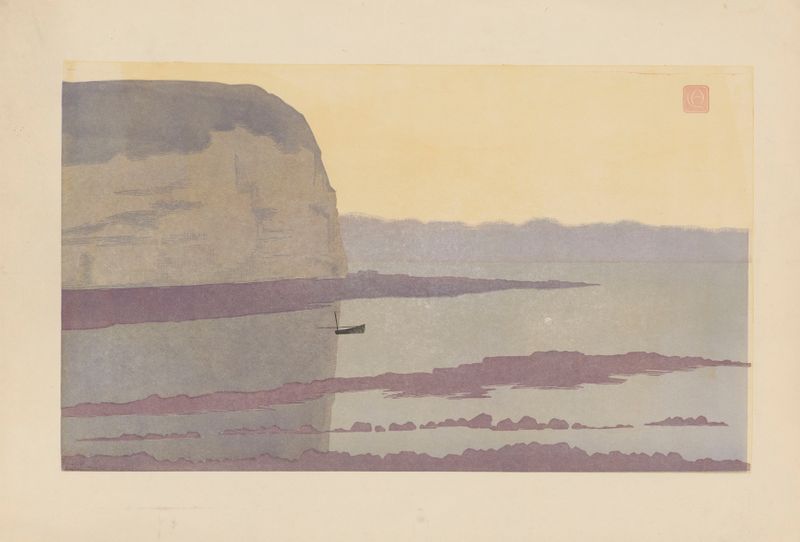
La Falaise, crépuscule (Yport)
Amédée Joyau
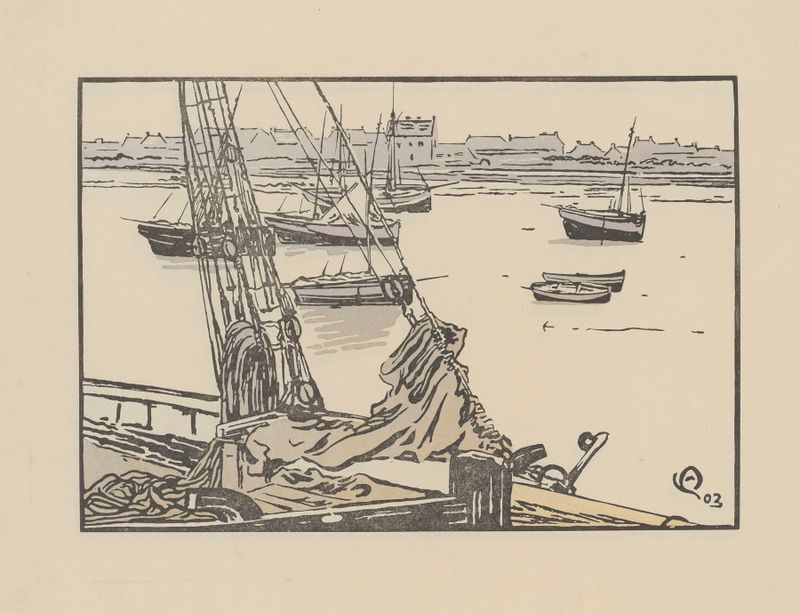
Roscoff, Matinée claire
Amédée Joyau
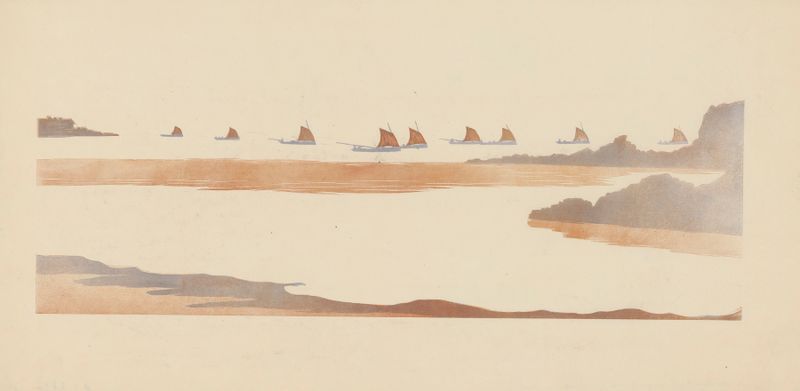
Rentrée des Sardiniers (Douarnenez, Finistère)
Amédée Joyau
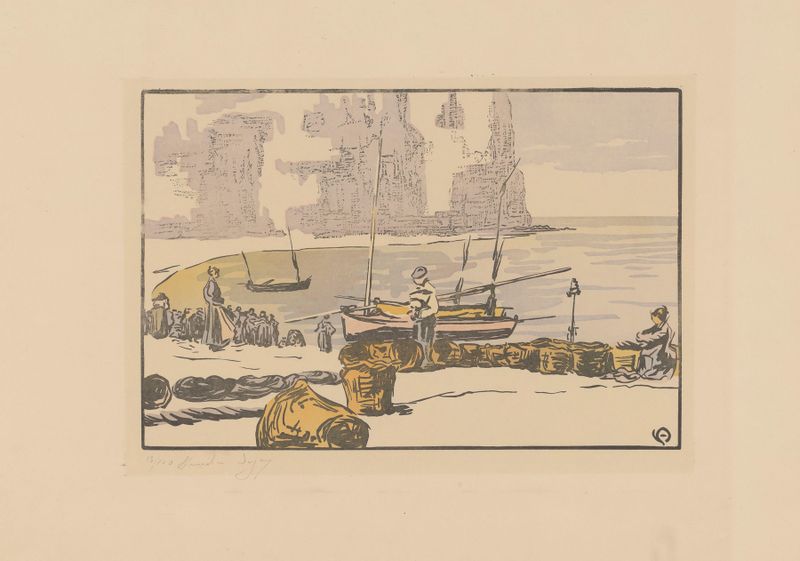
La Petite plage (Yport)
Amédée Joyau
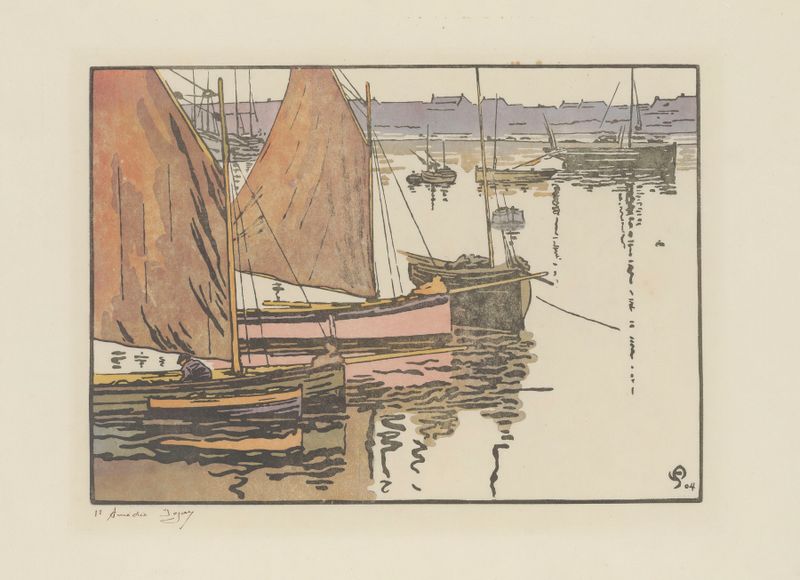
Roscoff, Les voiles rouges
Amédée Joyau
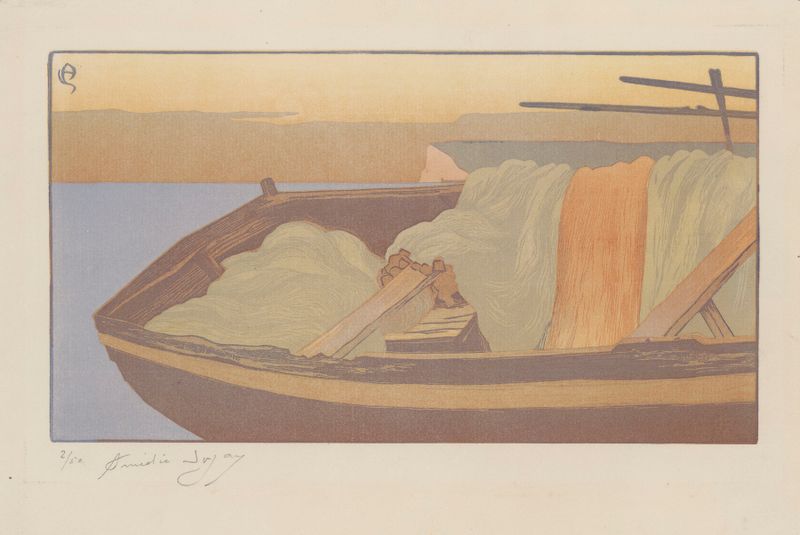
Les Filets (Yport)
Amédée Joyau
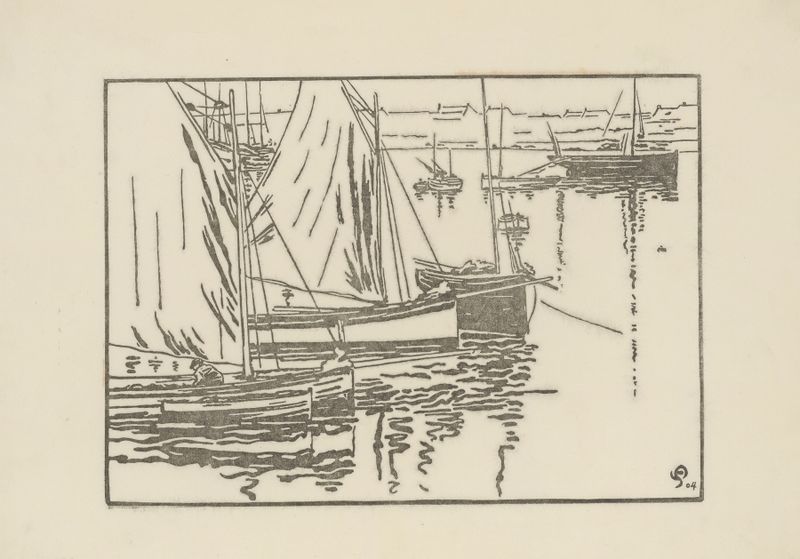
Roscoff, Les voiles rouges
Amédée Joyau
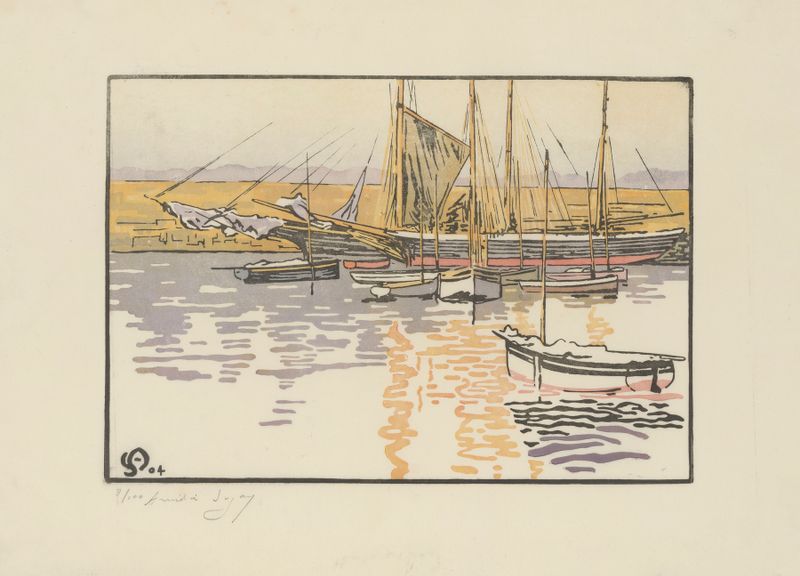
Roscoff, Les Goélettes
Amédée Joyau
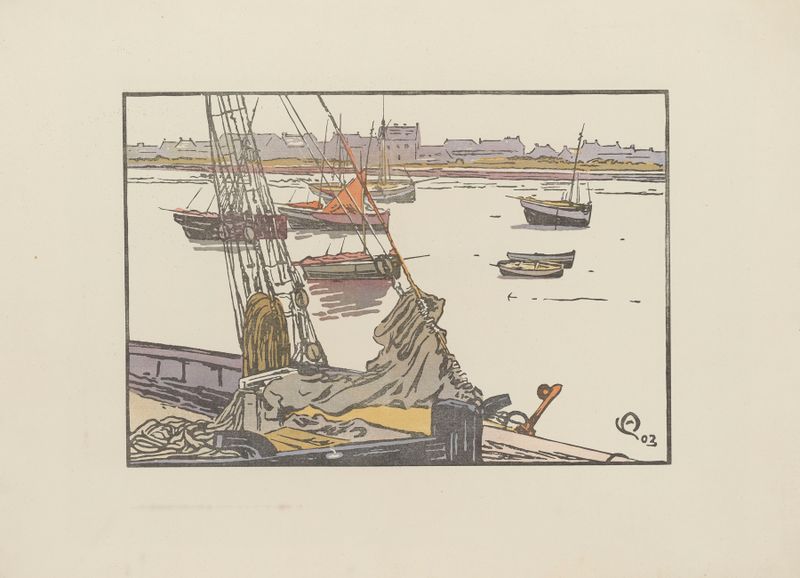
Roscoff, Matinée claire
Amédée Joyau





