
Roscoff, Les voiles rouges — History & Facts
Can paint confess what words never could? In Roscoff, Les voiles rouges, the canvas sings a silent melody of awe, capturing the beauty of a moment that transcends speech. Focus on the radiant crimson sails that dominate the upper part of the composition, their bold hue dancing against the serene blue of the sea. Notice how Joyau employs delicate brushwork to create ripples of water, reflecting the sunlight in a symphony of shimmering whites and golds. The boats are nestled in the harbor, as if they are resting in a dream, while the soft, muted colors of the distant coastline beckon the eye toward the horizon. Beneath the vibrant interplay of colors, there exists a deeper tension between the vibrancy of human endeavor and the tranquil embrace of nature.
The boats represent a fleeting moment of human ambition, while the calm waters and expansive sky suggest a timeless serenity. This contrast evokes feelings of both aspiration and humility, inviting contemplation on the relationship between man and the vastness surrounding him. In 1904, Amédée Joyau painted this piece in Roscoff, a coastal town in Brittany, France. During this time, artists were increasingly drawn to the interplay of light and color, influenced by Impressionism and the burgeoning movement toward modernity.
Joyau’s work embodies this shift, capturing a specific time and place, while also reflecting the universal yearning for beauty and connection found in art.
More Artworks by Amédée Joyau
Browse all →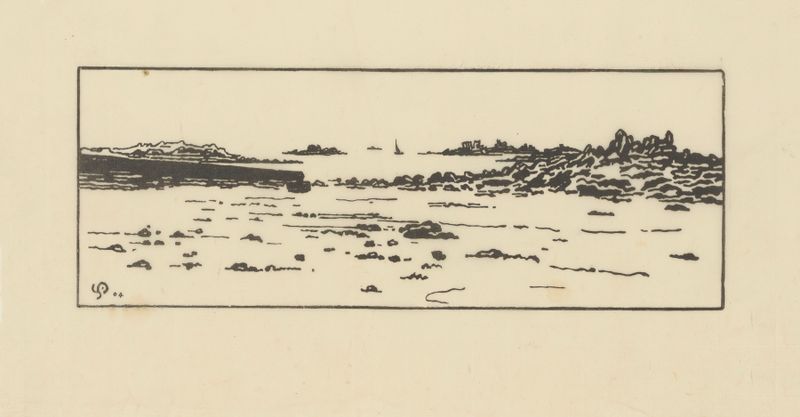
Côte de Roscoff, Marée basse
Amédée Joyau
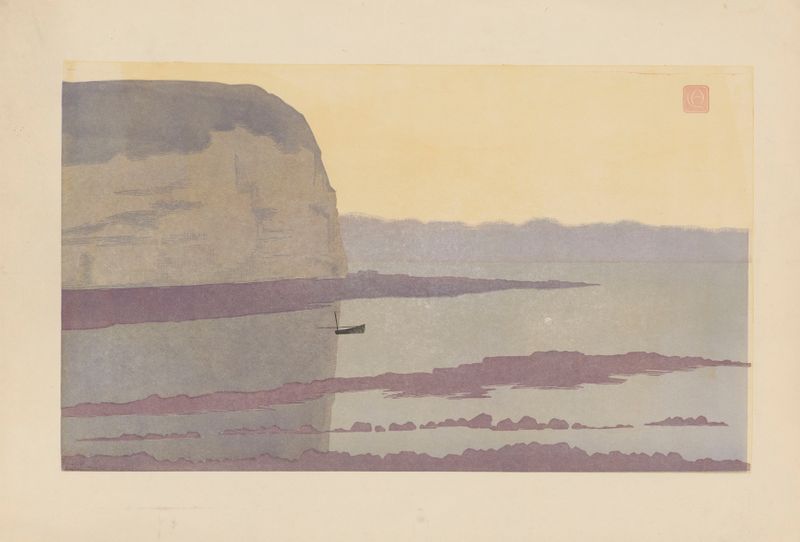
La Falaise, crépuscule (Yport)
Amédée Joyau
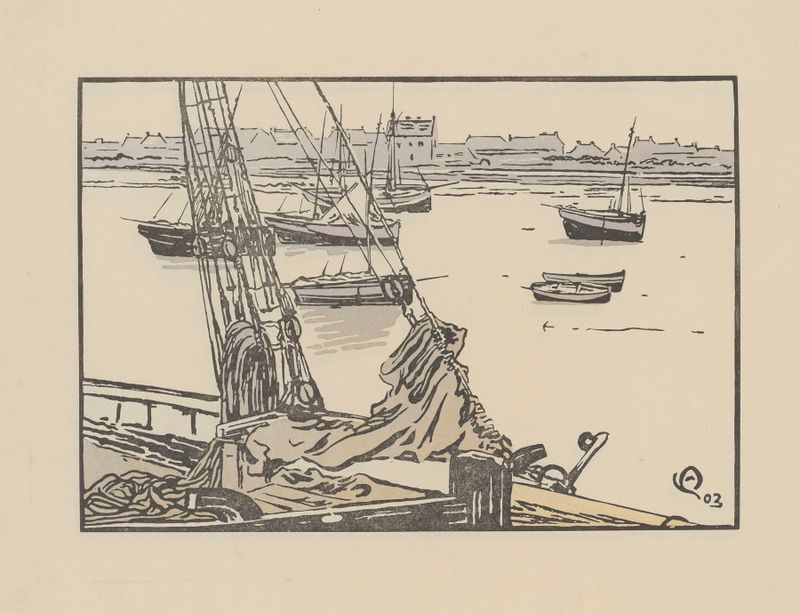
Roscoff, Matinée claire
Amédée Joyau
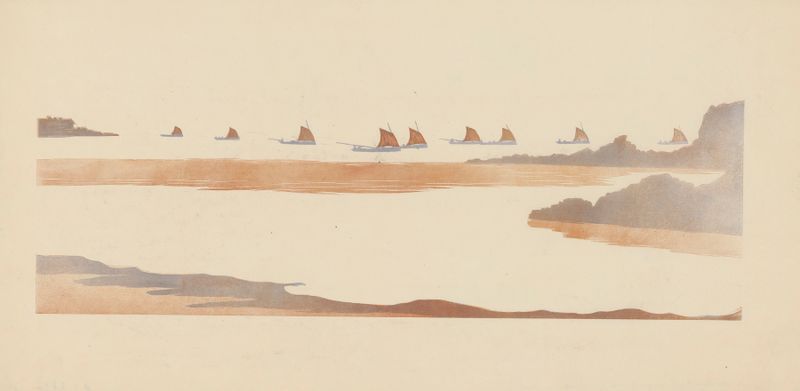
Rentrée des Sardiniers (Douarnenez, Finistère)
Amédée Joyau
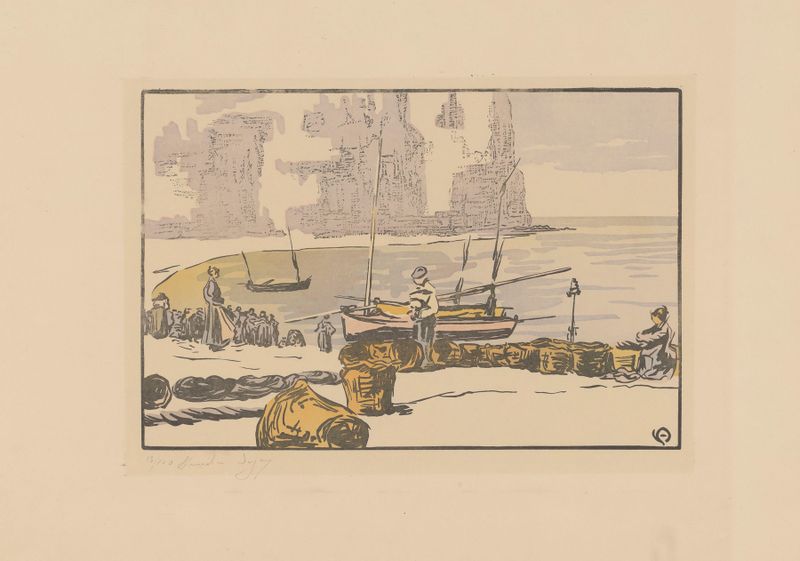
La Petite plage (Yport)
Amédée Joyau
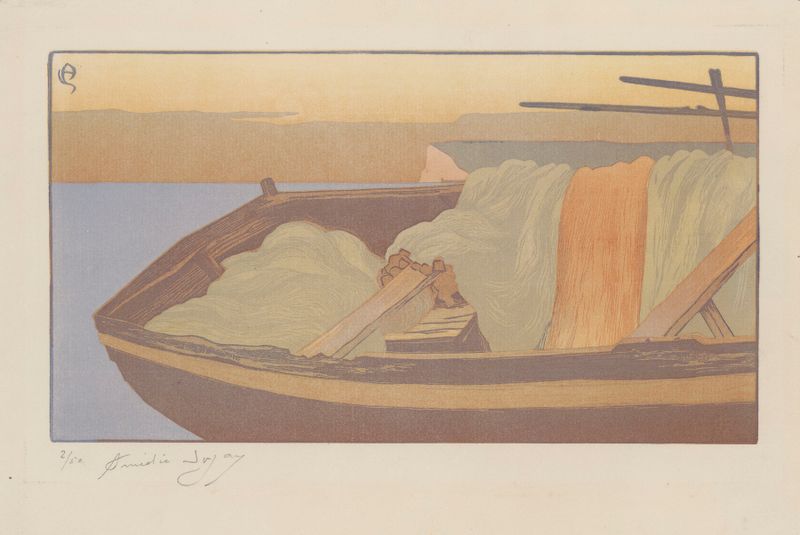
Les Filets (Yport)
Amédée Joyau
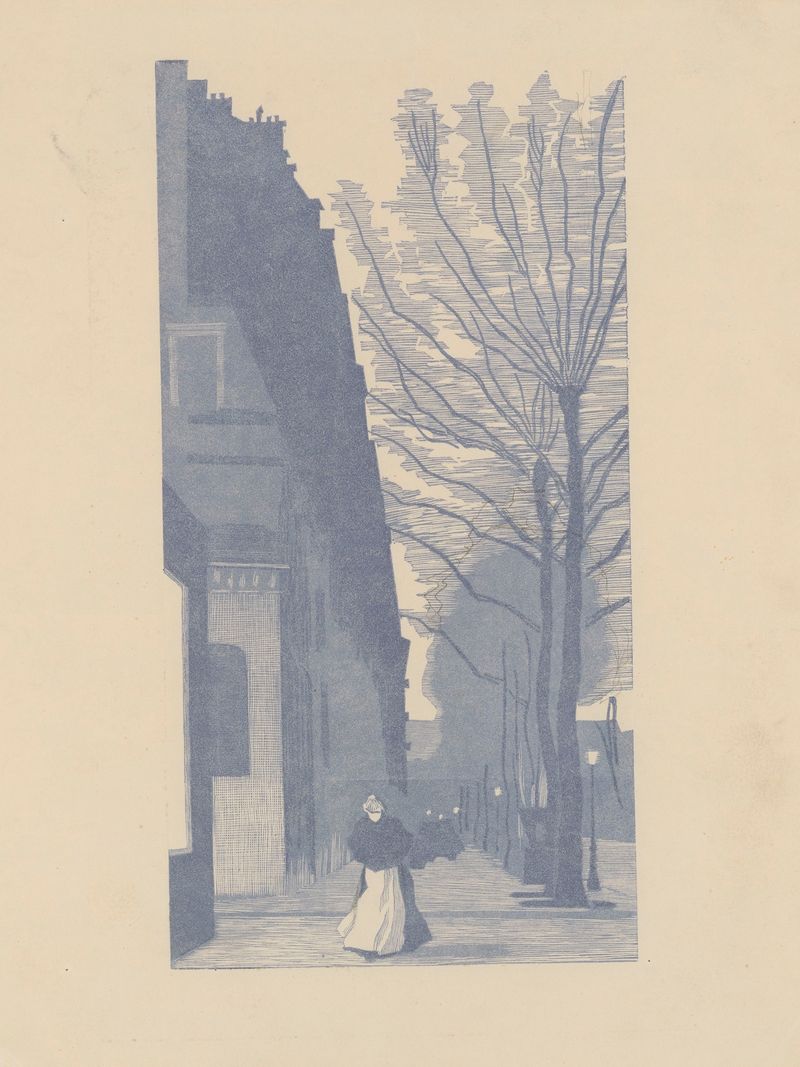
Avenue de Villiers (Paris)
Amédée Joyau
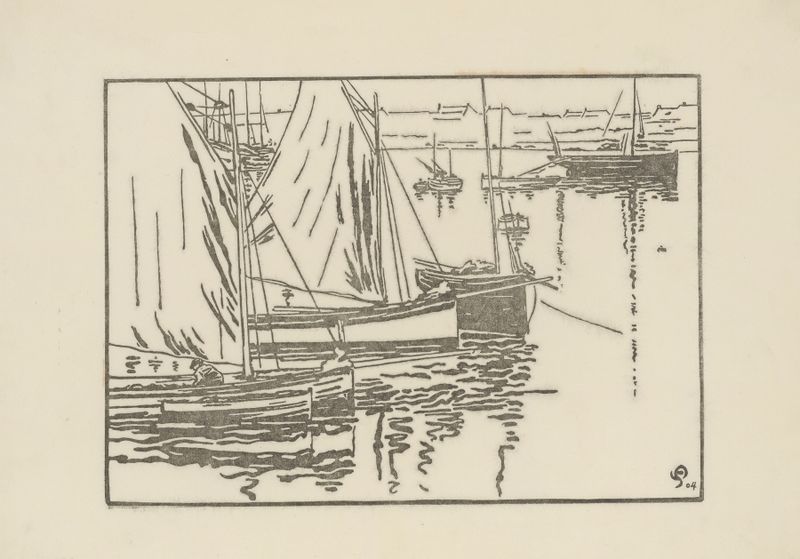
Roscoff, Les voiles rouges
Amédée Joyau
Roscoff, Les Goélettes
Amédée Joyau
Roscoff, Matinée claire
Amédée Joyau





