
Les Filets (Yport) — History & Facts
Could a single brushstroke hold eternity? In Les Filets (Yport), the essence of innocence is captured in a delicate embrace of color and form, inviting the viewer to reflect on fleeting moments of beauty. Look to the center, where the soft, muted tones of the sea converge with the sandy hues of the shore. Notice how Joyau’s gentle brushwork creates a rhythmic flow, leading your eyes across the canvas. The interplay of light and shadow adds depth, transforming the ordinary scene into something ethereal.
The fishermen, rendered with simplicity, embody a timeless connection to their labor, while the delicate nets arch gracefully, as if caught between the tangible and the divine. Upon closer inspection, the tension between activity and stillness emerges. The nets, symbols of both hope and entrapment, suggest the innocence of nature intertwined with the human condition. The horizon, faint but present, echoes the promise of tomorrow, while the tranquil water hints at deeper currents just beneath the surface, both serene and unpredictable.
Each element speaks to the fragility of existence, inviting meditative contemplation. Amédée Joyau painted this work in 1902 during a period marked by an exploration of Impressionism. Working in Yport, a small fishing village in France, he found inspiration in the natural beauty and simplicity of daily life. This was a time of artistic evolution, as artists sought to capture the essence of their surroundings with immediacy and emotional resonance, paving the way for future movements in modern art.
More Artworks by Amédée Joyau
Browse all →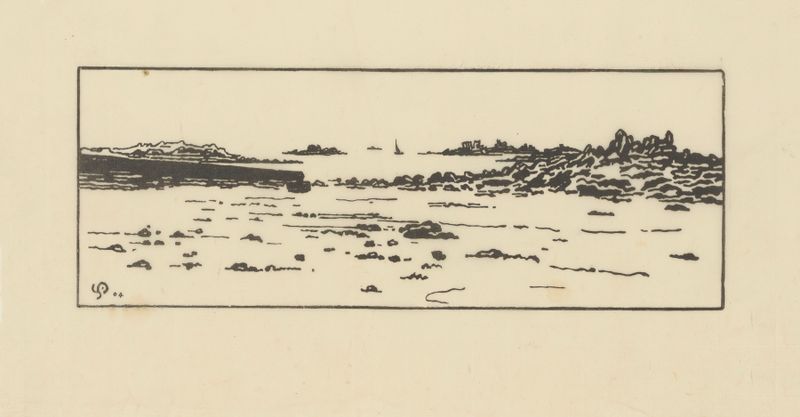
Côte de Roscoff, Marée basse
Amédée Joyau
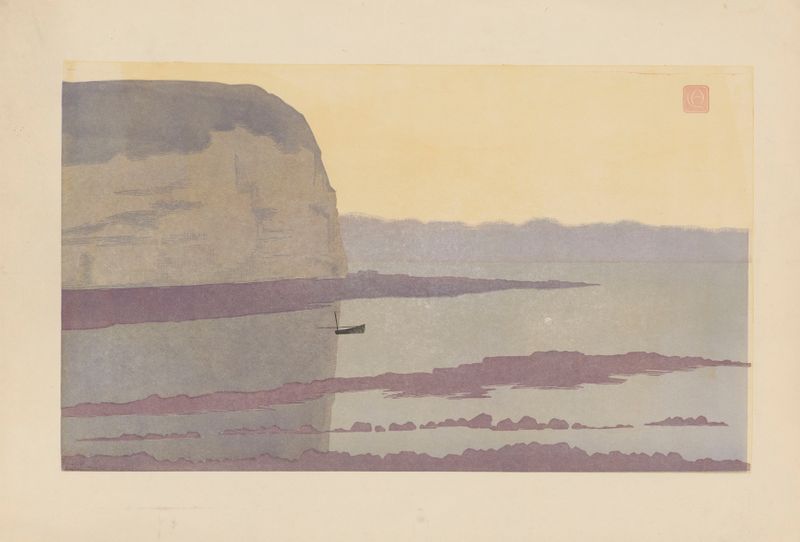
La Falaise, crépuscule (Yport)
Amédée Joyau
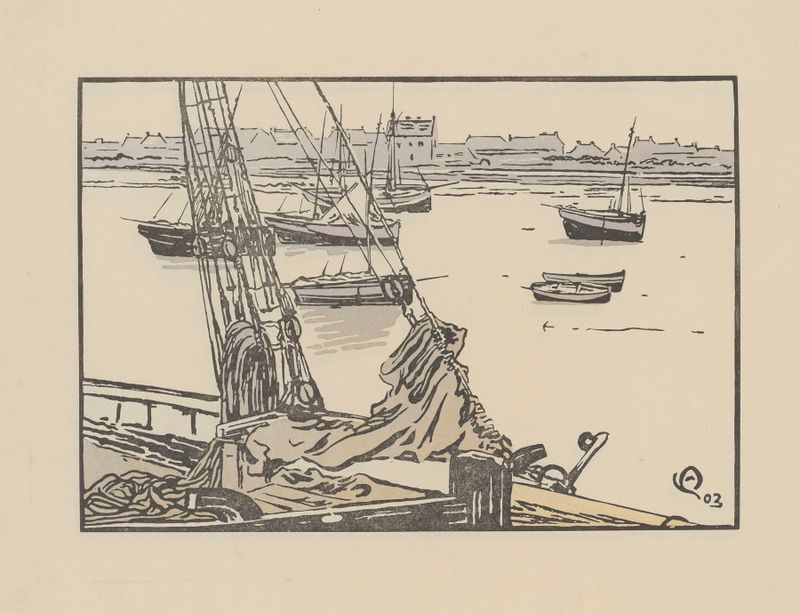
Roscoff, Matinée claire
Amédée Joyau
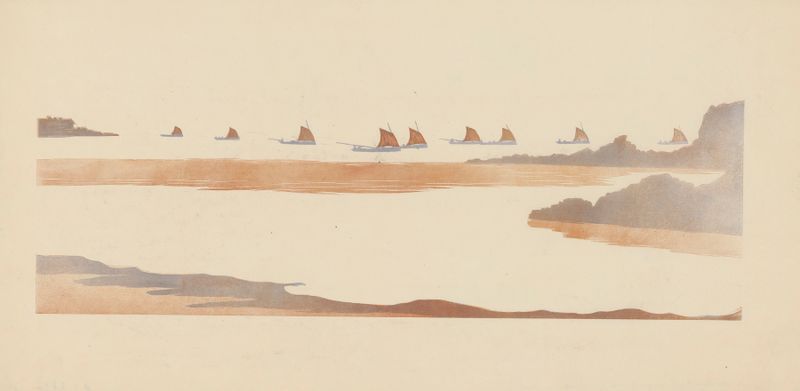
Rentrée des Sardiniers (Douarnenez, Finistère)
Amédée Joyau
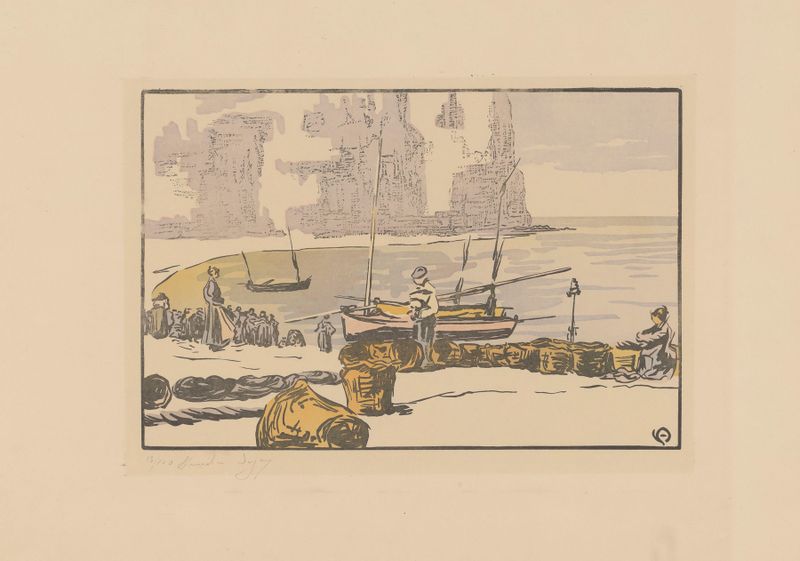
La Petite plage (Yport)
Amédée Joyau
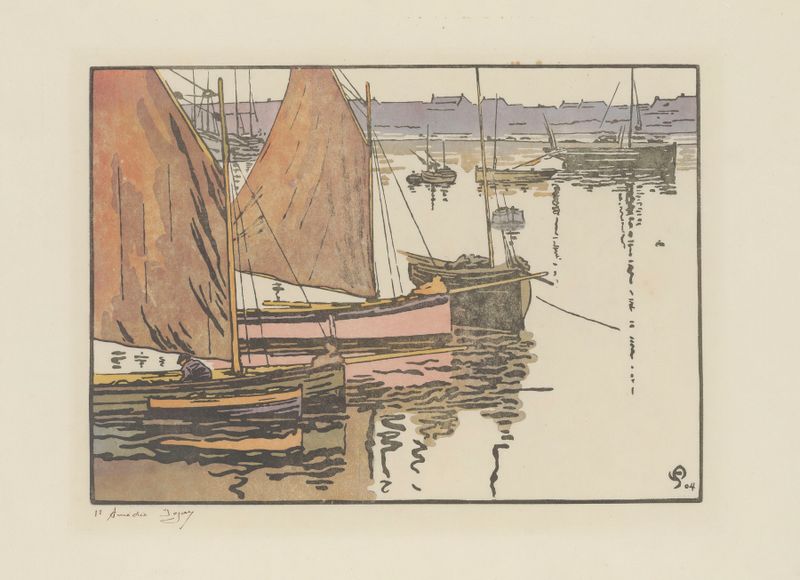
Roscoff, Les voiles rouges
Amédée Joyau
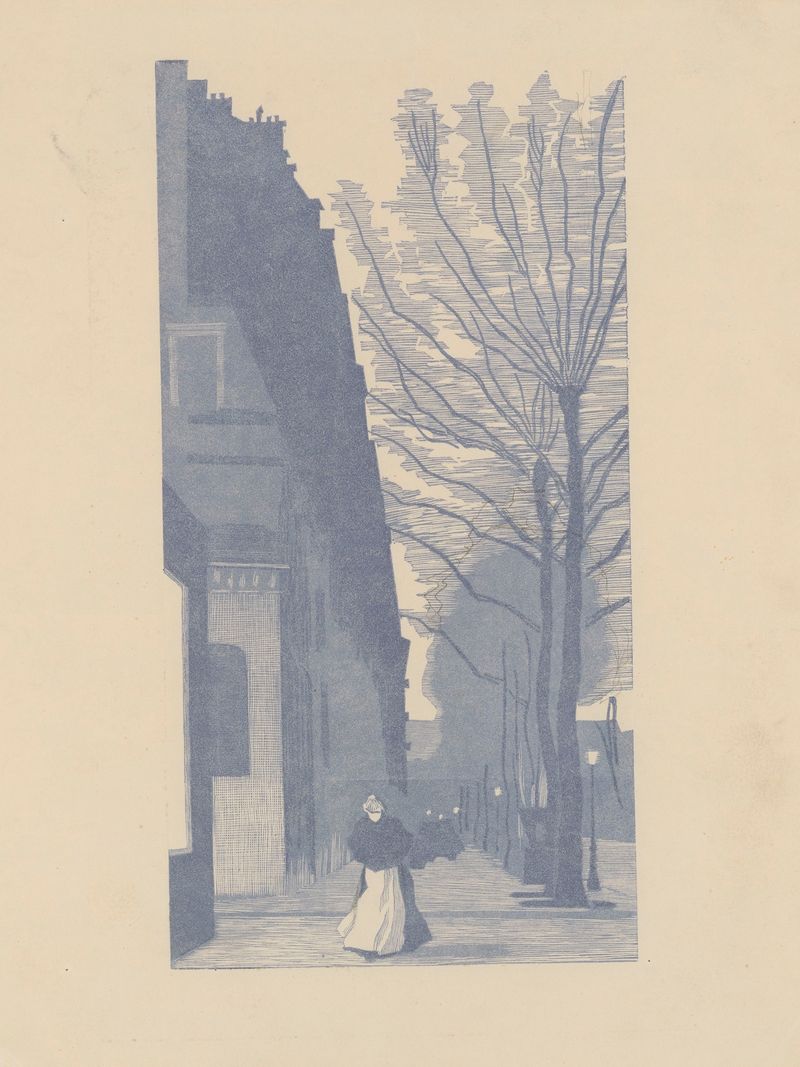
Avenue de Villiers (Paris)
Amédée Joyau
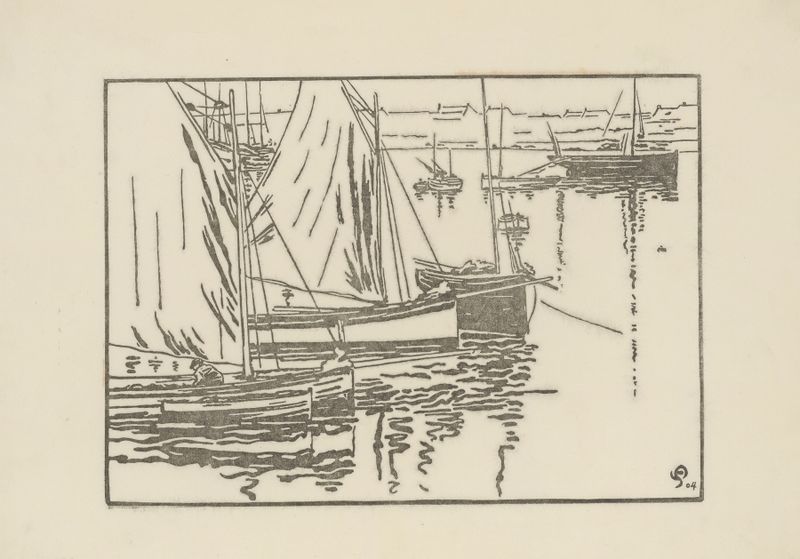
Roscoff, Les voiles rouges
Amédée Joyau
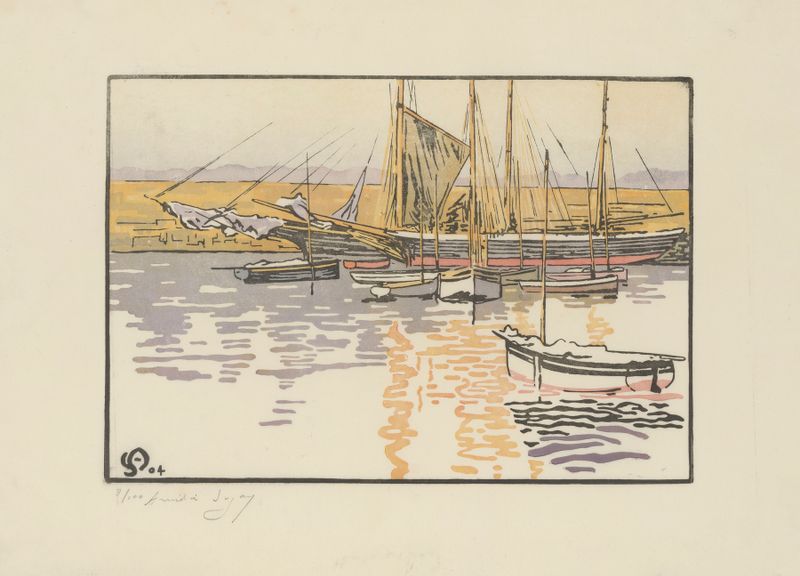
Roscoff, Les Goélettes
Amédée Joyau
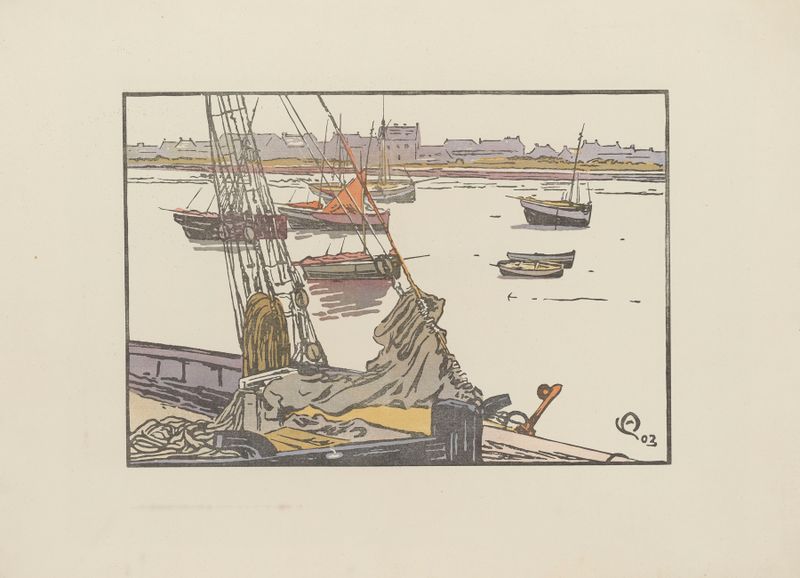
Roscoff, Matinée claire
Amédée Joyau





