
La famille laborieuse — History & Facts
Each brushstroke captures not just a moment but the weight of legacy, the silent echoes of lives interwoven through labor and love. Focus on the center of the composition, where the figures stand resolute, their bodies formed in earthy tones that speak of toil and resilience. Notice how the artist’s choice of muted colors conveys a sense of somber dignity, while the play of light casts gentle shadows, creating depth and highlighting the details of their worn, calloused hands. The juxtaposition of figures against a more abstract background brings forward their humanity, inviting the viewer to reflect on the timeless struggle and pride of working families. Delve deeper into the emotional landscape: the expressions worn by each figure are a canvas of their own, revealing stories of hardship and perseverance.
The sturdy posture of the parents contrasts with the delicate, almost hopeful stance of a child, hinting at the burden of legacy passed down through generations. Elements like the crumbling wall in the background symbolize the fragility of their existence, reminding us that while they labor for survival, the world around them is in a state of decay. During the tumultuous years between 1915 and 1945, König painted this piece amidst the shifting realities of Europe. Life was marked by the shadows of two World Wars, social upheaval, and economic unrest, deeply influencing the themes of labor and familial bonds in his work.
At this time, König sought to honor the everyday struggles of ordinary people, capturing their spirit while the world around them faced dramatic transformations.
More Artworks by Franz Niklaus König
Browse all →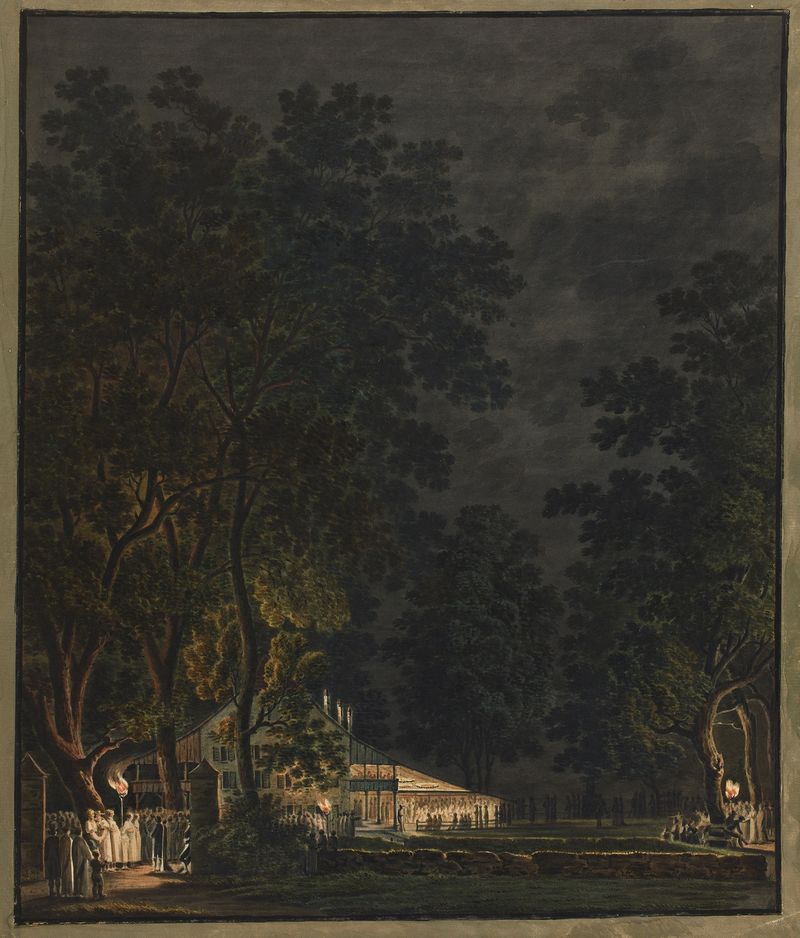
Abend des zweiten Unspunnenfests
Franz Niklaus König
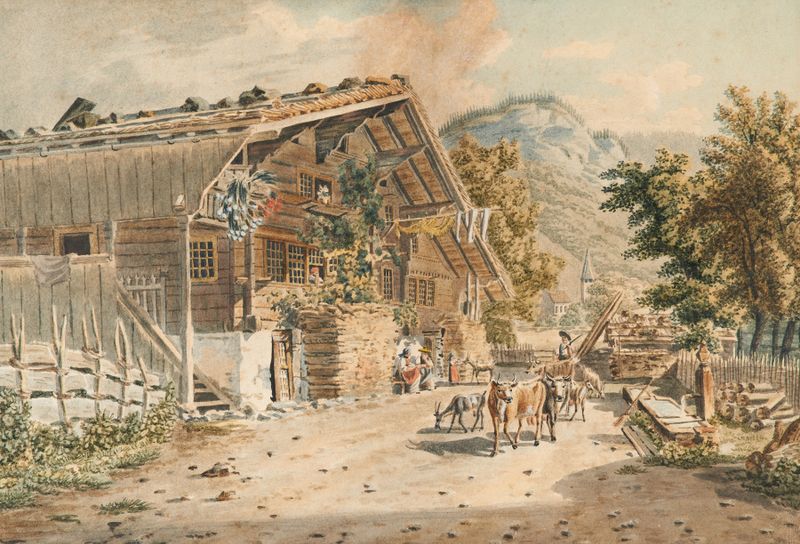
Bauernhaus und Strasse in Meiringen
Franz Niklaus König

Mondaufgang am Thunersee
Franz Niklaus König

Bauernhaus im Berner Oberland
Franz Niklaus König
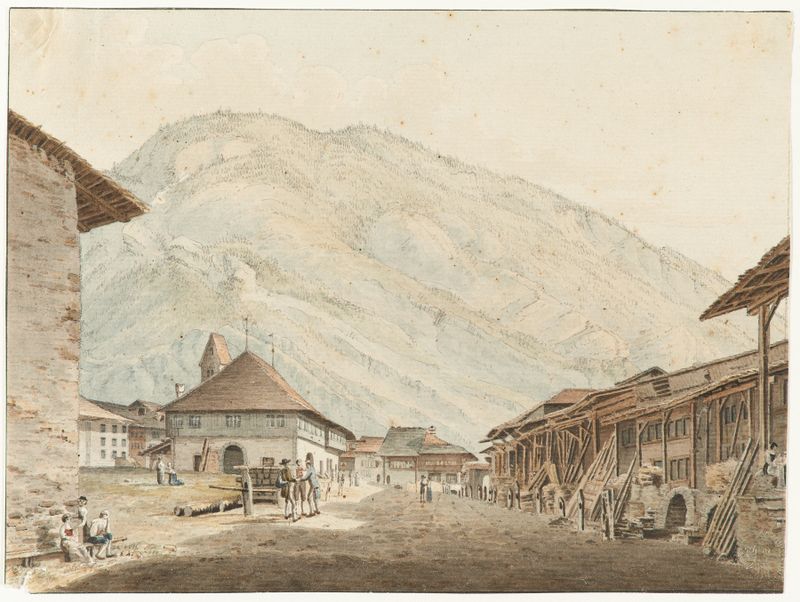
Ansicht von Unterseen
Franz Niklaus König
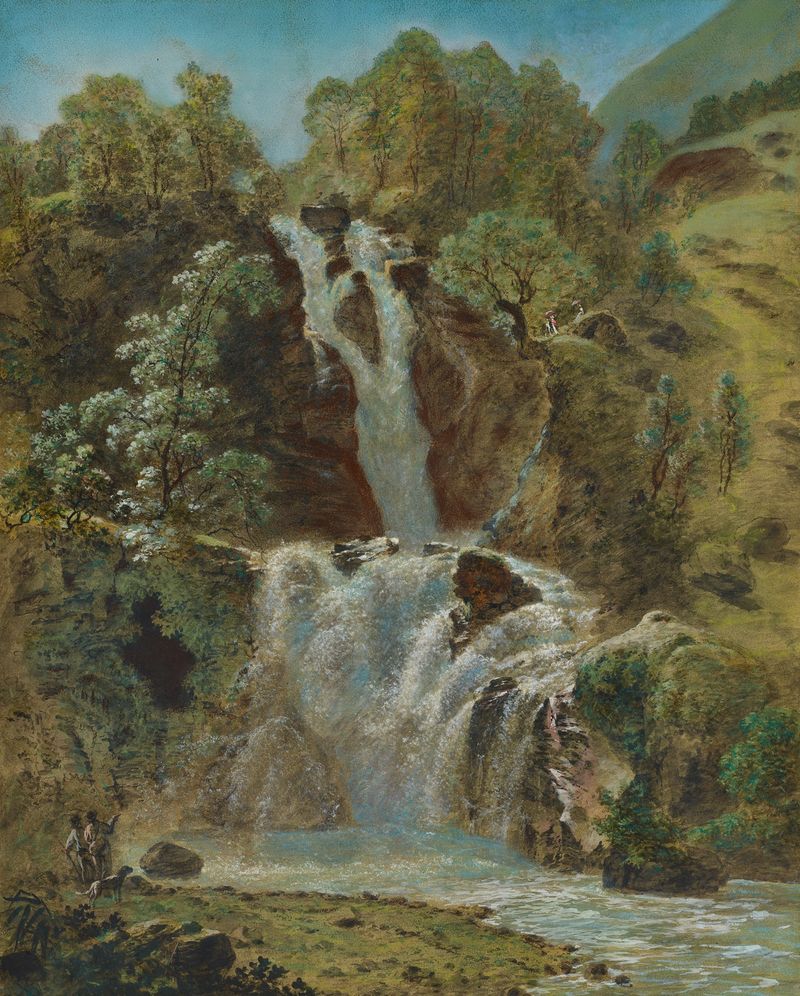
Chute inférieure du Reichenbach dans la vallée d’Oberhasli
Franz Niklaus König
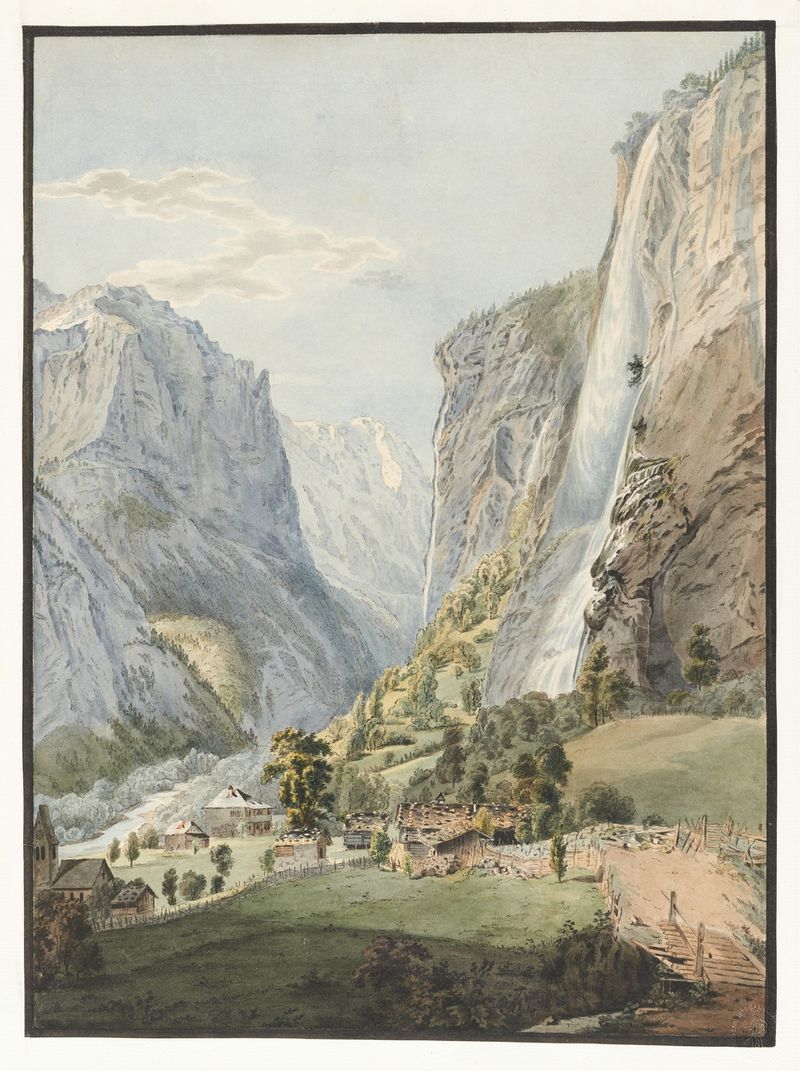
La Chute du Staubbach, dans la Vallée de Lauterbrunnen
Franz Niklaus König
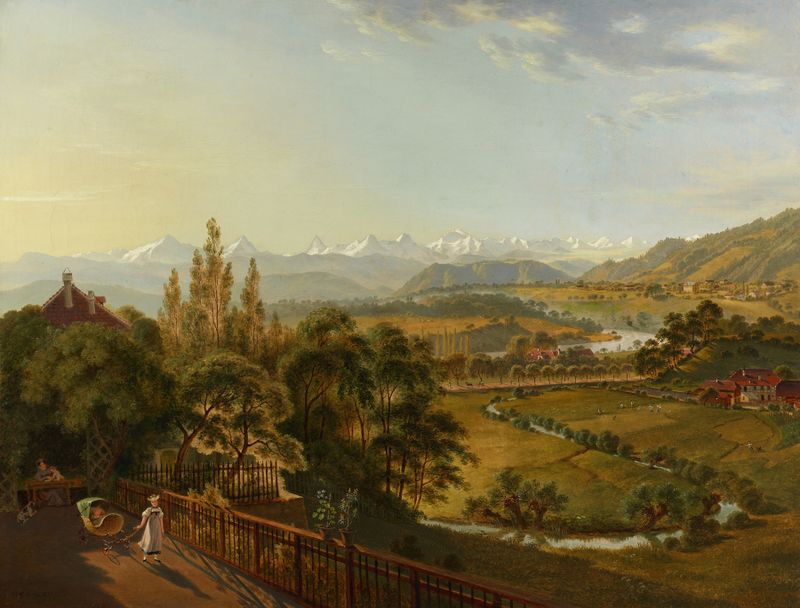
Blick von der Kleinen Schanze gegen die Alpen
Franz Niklaus König
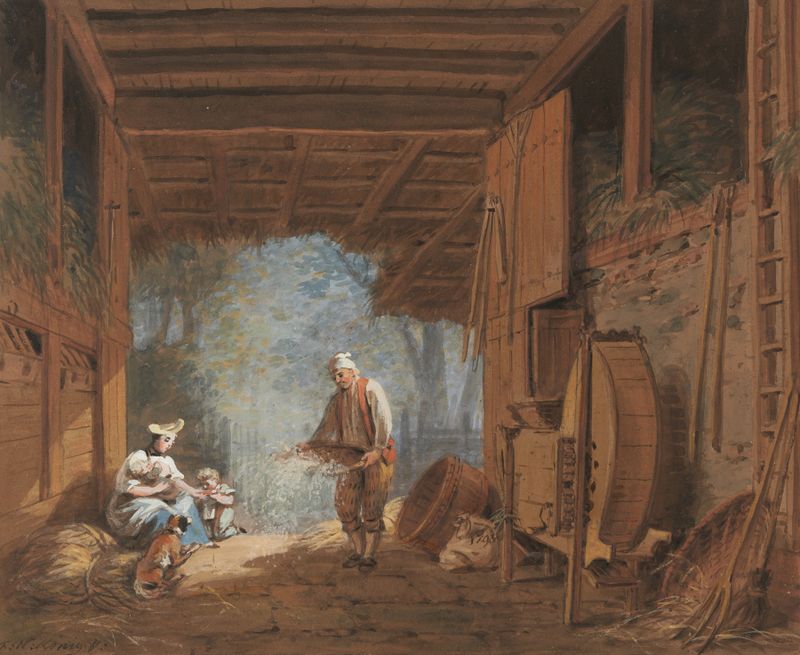
Bauernfamilie im Tenn
Franz Niklaus König
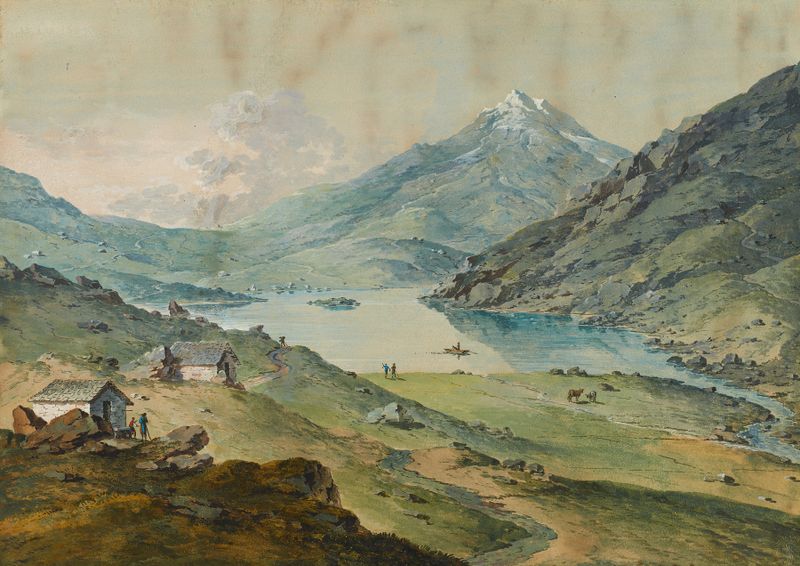
Berglandschaft mit See
Franz Niklaus König





