
La Grande Terrasse — History & Facts
In that silence, destiny whispers through the brushstrokes, beckoning us to pause and reflect. Look to the left at the serene figures seated on the terrace, their forms delicately intertwined with the vibrant flora surrounding them. The artist’s keen attention to detail is apparent in the lush green leaves and the soft blush of the flowers, contrasted against the gentle blues of the sky and distant waters. Notice how the sunlight dances across the scene, casting gentle shadows that create a sense of depth and intimacy, as if inviting the viewer into a shared moment of respite. Beneath the tranquil exterior lies a tension between solitude and connection.
The figures, seemingly engrossed in their own thoughts, hint at a narrative of longing, suggesting the weight of unspoken words. The terrace itself serves as a threshold—a space that blurs the line between the sanctuary of nature and the complexities of human relationships. Each element, from the rich palette to the careful composition, contributes to a feeling of destiny at play; a stillness that resonates with the inevitability of time. In 1894, the artist captured this scene while living in France, a period marked by a burgeoning interest in Impressionism and a departure from traditional artistic norms.
As a contemporary of the movement, he sought to convey emotion and atmosphere rather than mere representation, reflecting both his personal experiences and the evolving landscape of art. This painting embodies a moment of introspection against the backdrop of a changing world.
More Artworks by Charles Marie Dulac
Browse all →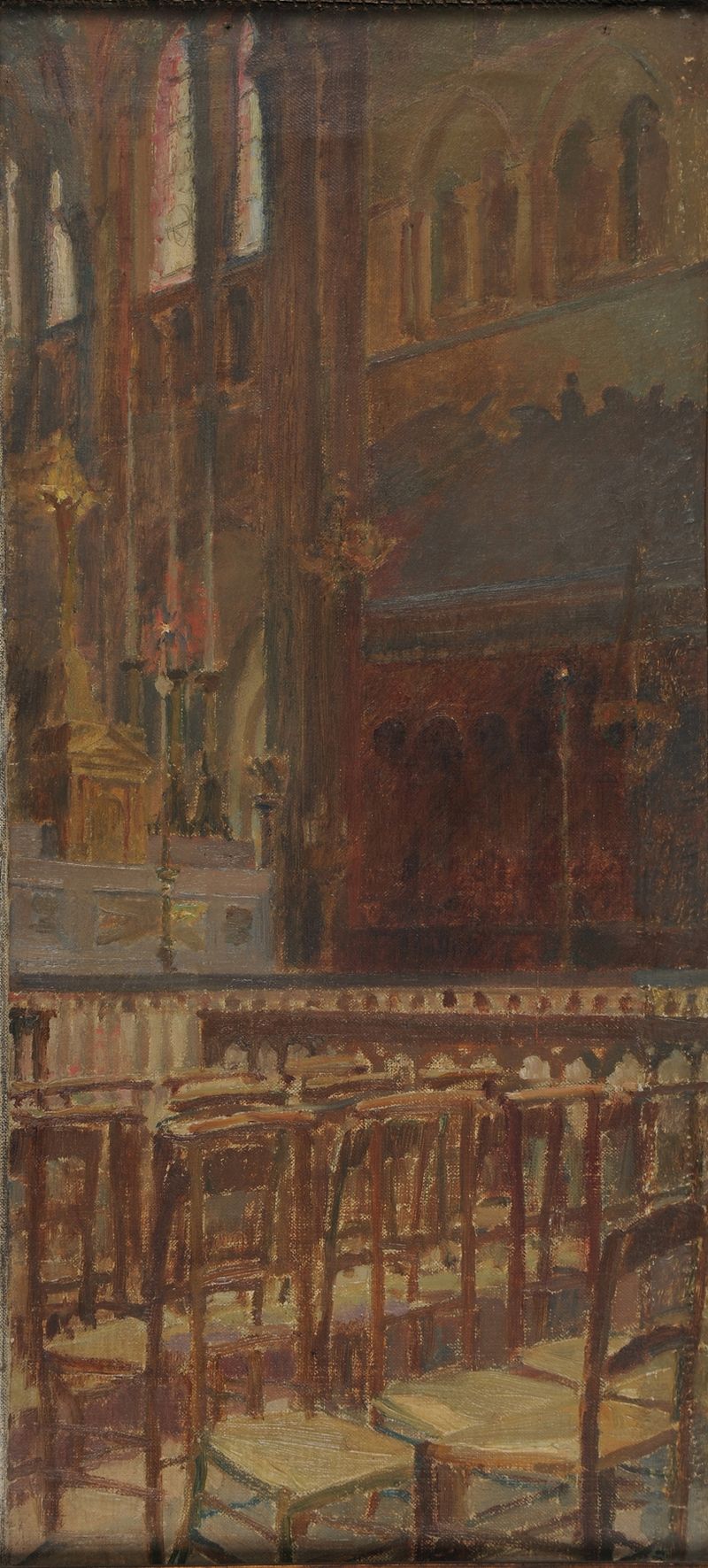
Chapelle à Saint-Germain-des-Prés
Charles Marie Dulac
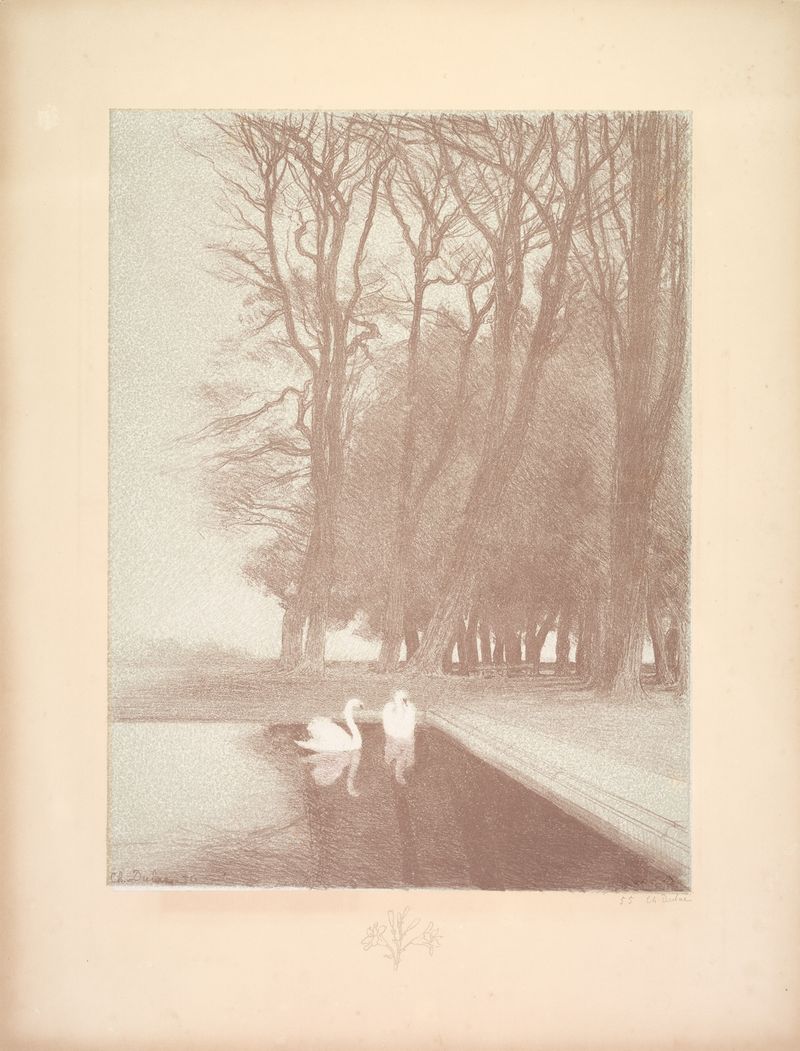
Landscape, Plate 6, Remarque, Lilies
Charles Marie Dulac
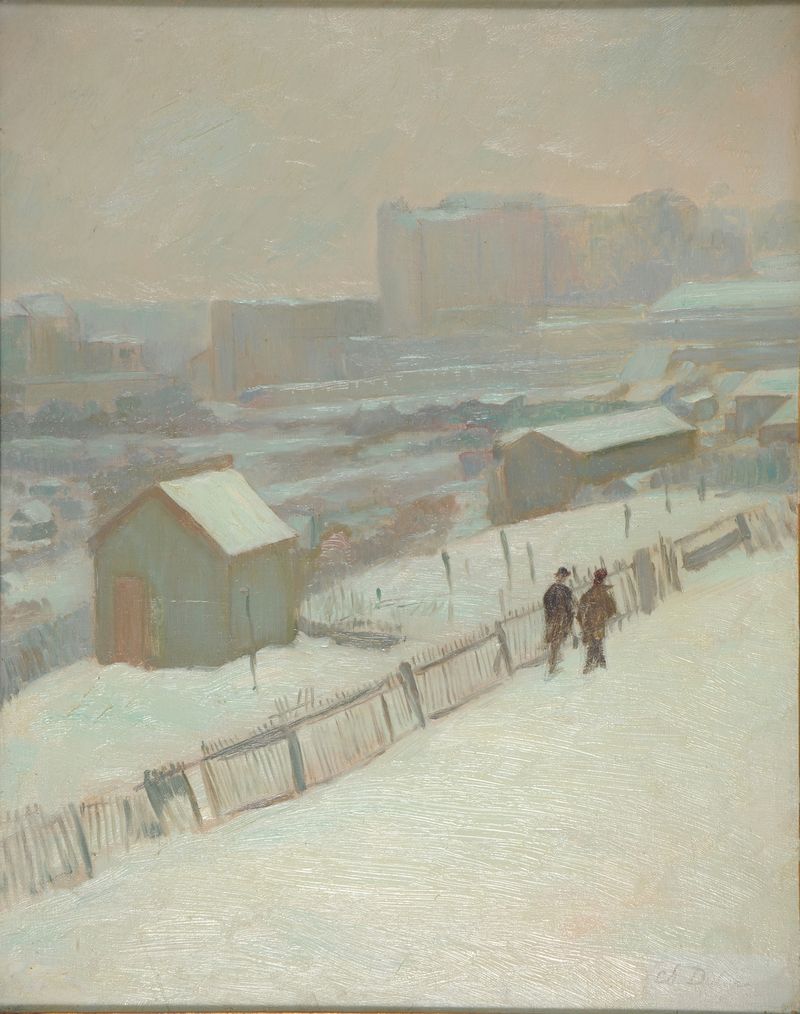
La neige à Montmartre
Charles Marie Dulac
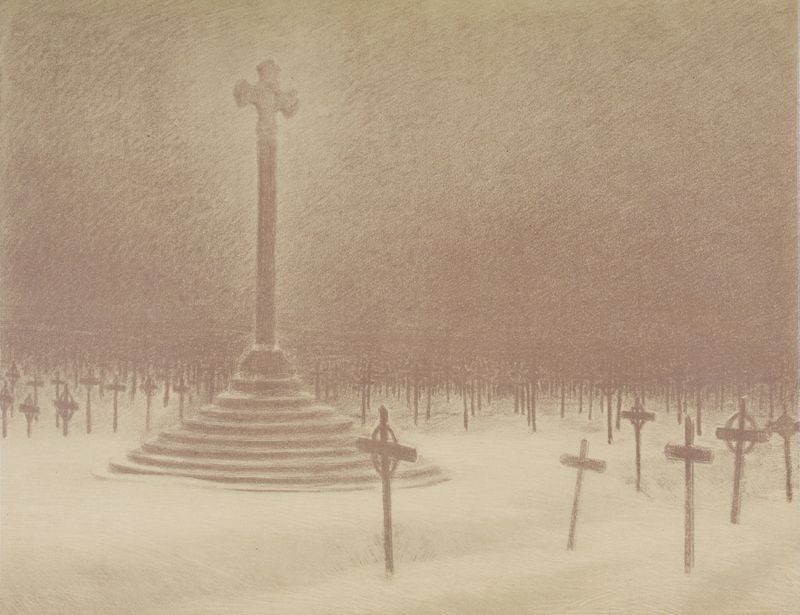
Auxilium Christianorum. Jesu Refugium Nostrum
Charles Marie Dulac
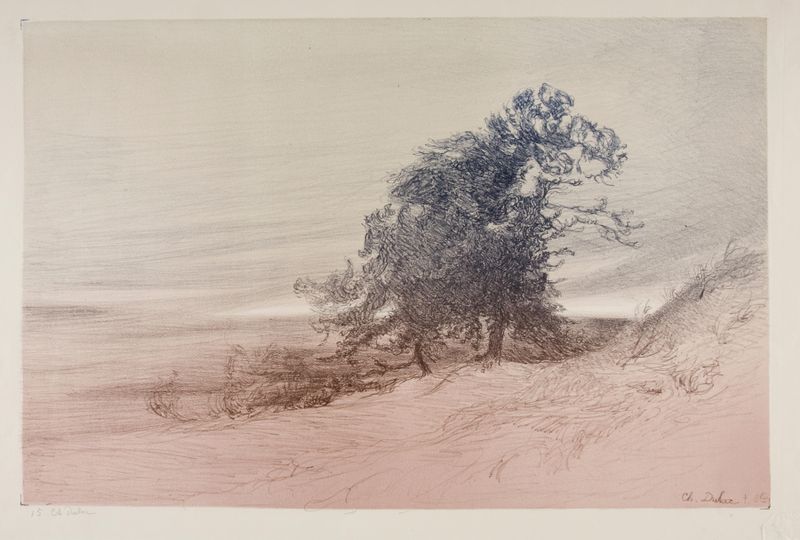
Groupe d’arbres
Charles Marie Dulac
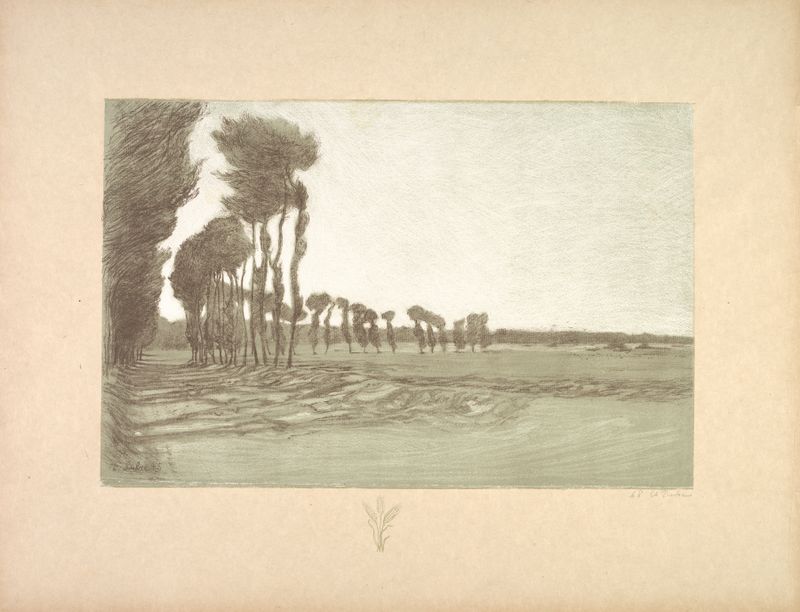
Landscape, Plate 5, Remarque, Three Stalks of Wheat
Charles Marie Dulac
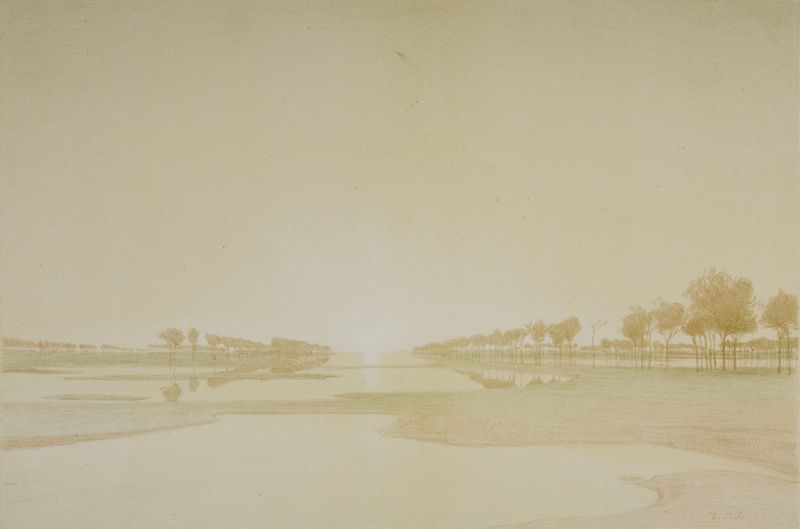
Jesu Sol Justitiae
Charles Marie Dulac
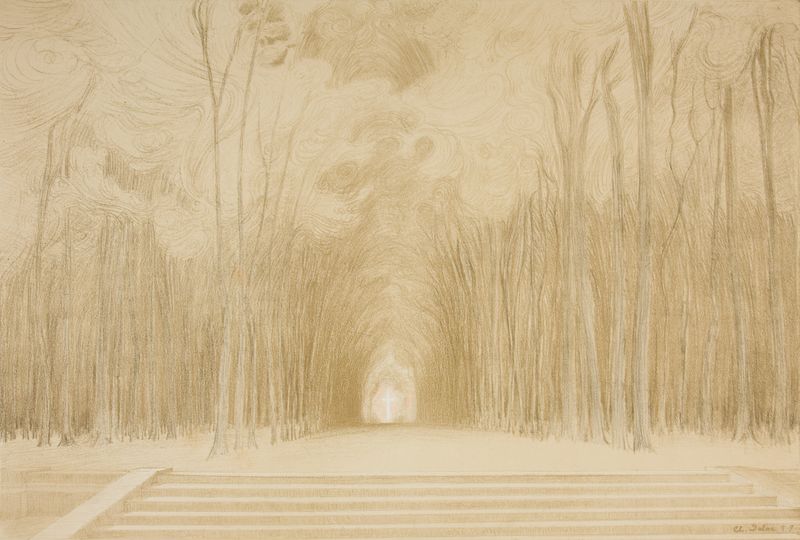
Jesu Corona Sanctorum Omnium. Jesu Sapientia Aeterna
Charles Marie Dulac
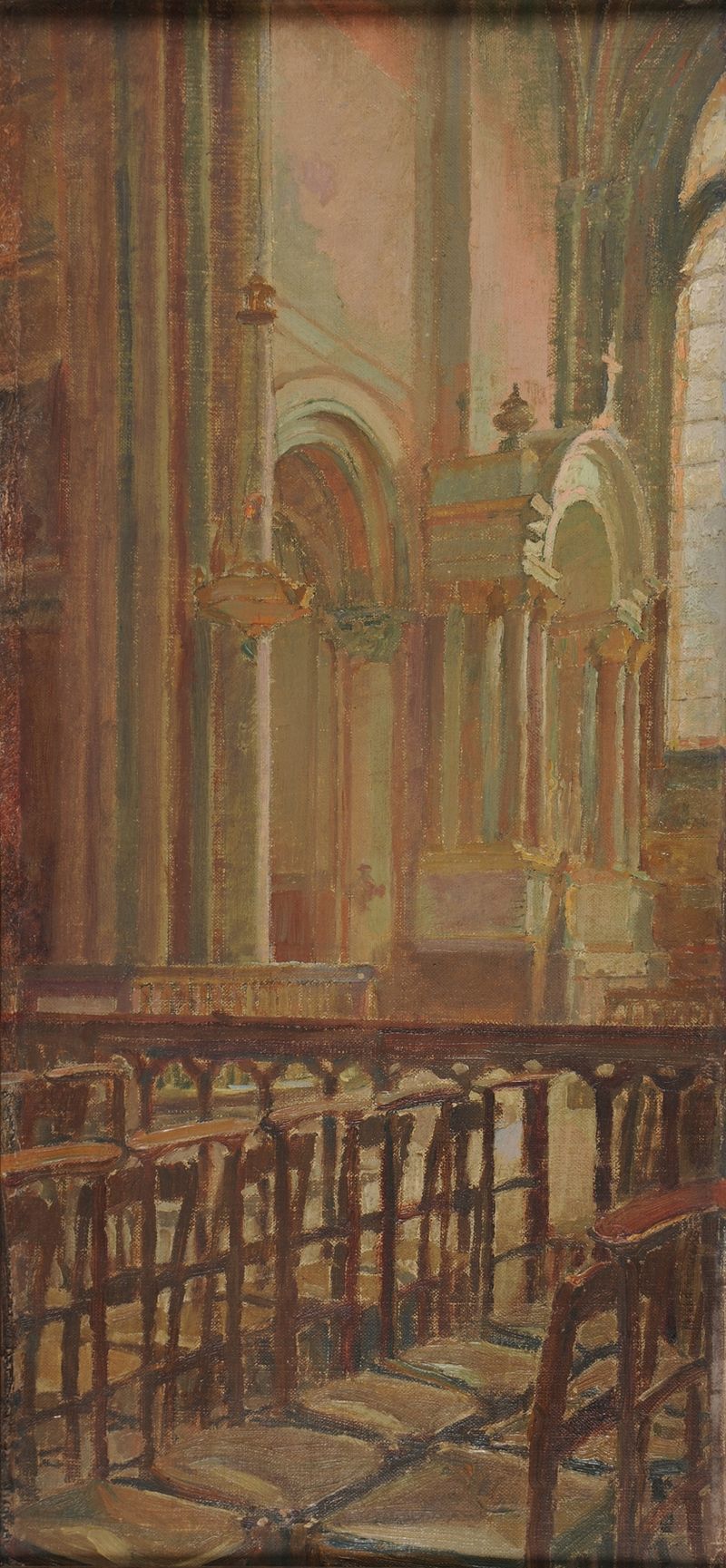
Chapelle à Saint-Germain-des-Prés
Charles Marie Dulac
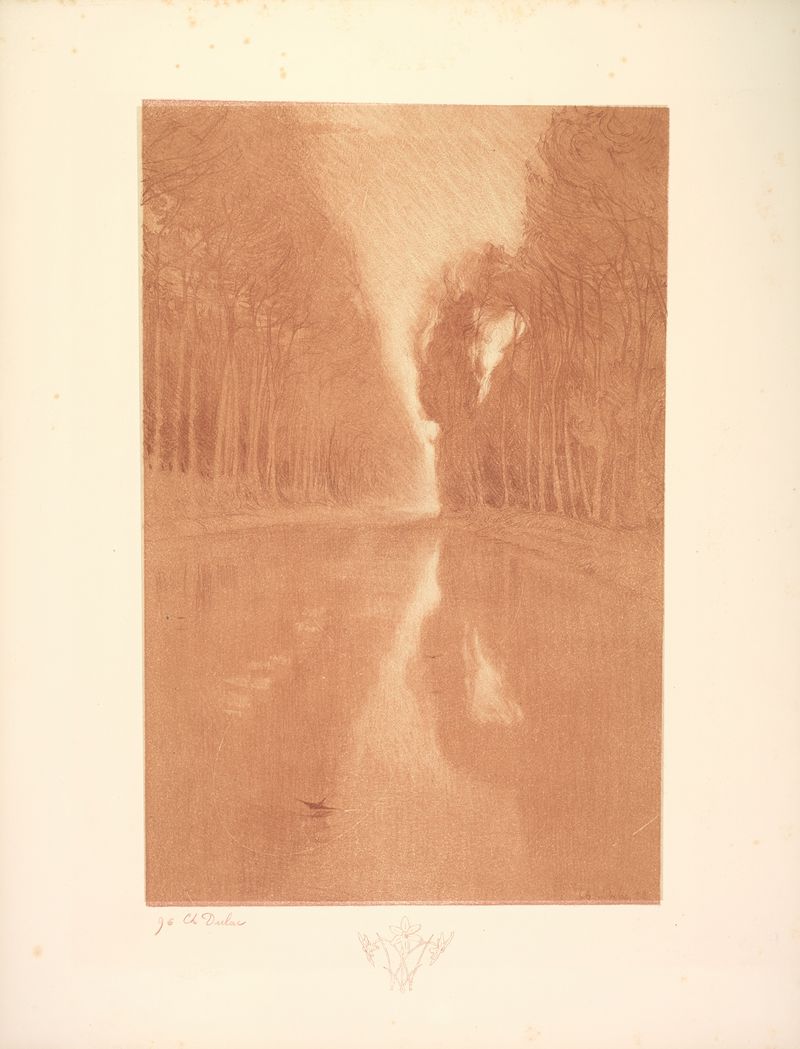
Landscape, Plate 2, Remarque, Starflowers
Charles Marie Dulac





