
La Gros Horloge — History & Facts
Each brushstroke is a whisper of time, inviting us to reflect on what remains long after we have gone. Look to the center of the composition, where the grand arch of the Gros Horloge rises majestically, its intricate clock face commanding the scene. The warm hues of ochre and soft greens blend seamlessly, evoking a sense of nostalgia while inviting us to ponder the passage of time. Notice how the light dances across the stonework, illuminating the details of its weathered facade and casting delicate shadows that breathe life into the structure itself. Delve deeper into the juxtaposition of the bustling life below and the stillness of the clock above.
The figures hurrying along the cobblestone street, with their varied gestures and expressions, seem almost ephemeral against the permanence of the clock tower. This contrast speaks volumes about our transient existence in the shadow of lasting legacies — the fleeting moments of human experience juxtaposed with the enduring rhythm of time. In 1888, while creating this work, the artist was navigating the complexities of Parisian life amidst the rise of Impressionism. As he captured the essence of the city, he was both influenced by and contributing to a movement that sought to reinterpret visual reality.
This painting reflects not only his artistic evolution but also the broader artistic dialogue of the time, as it strives to immortalize a specific moment in history, forever etched in the fabric of the urban landscape.
More Artworks by Auguste Louis Lepère
Browse all →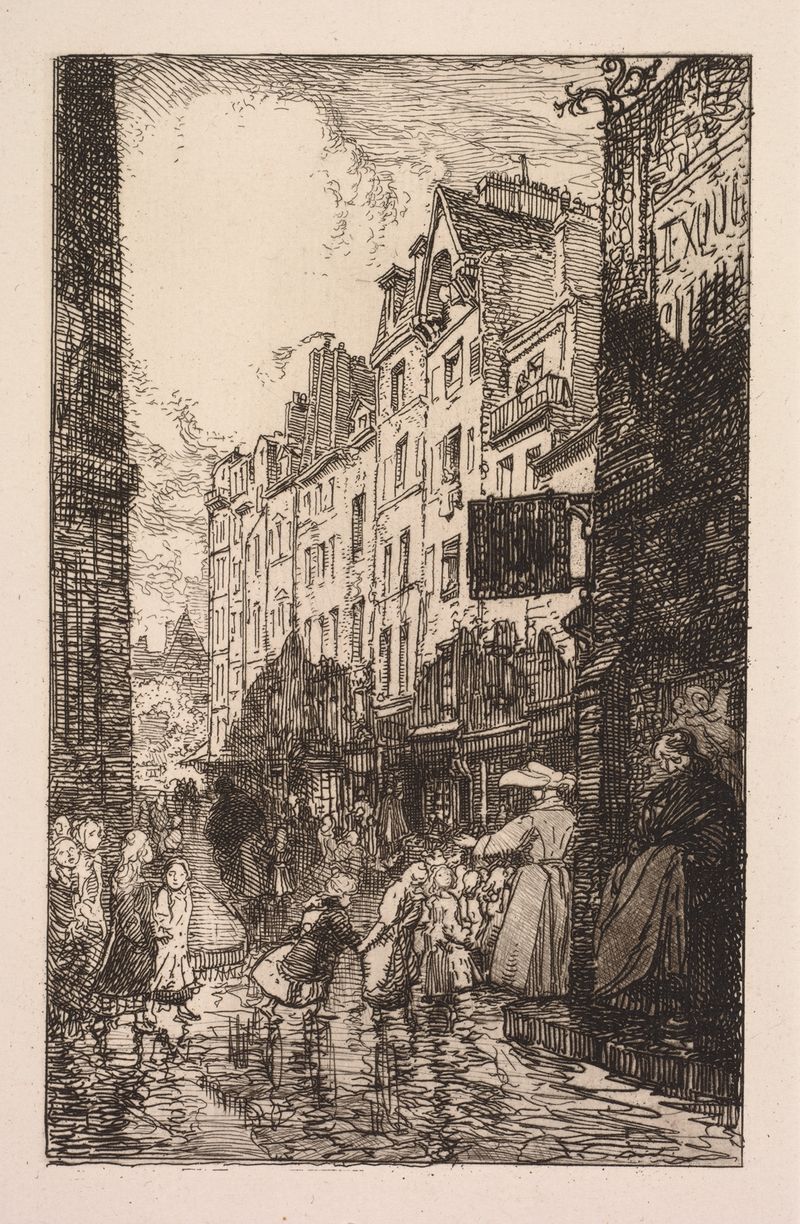
La Rue des Prêtres Saint-Séverin
Auguste Louis Lepère
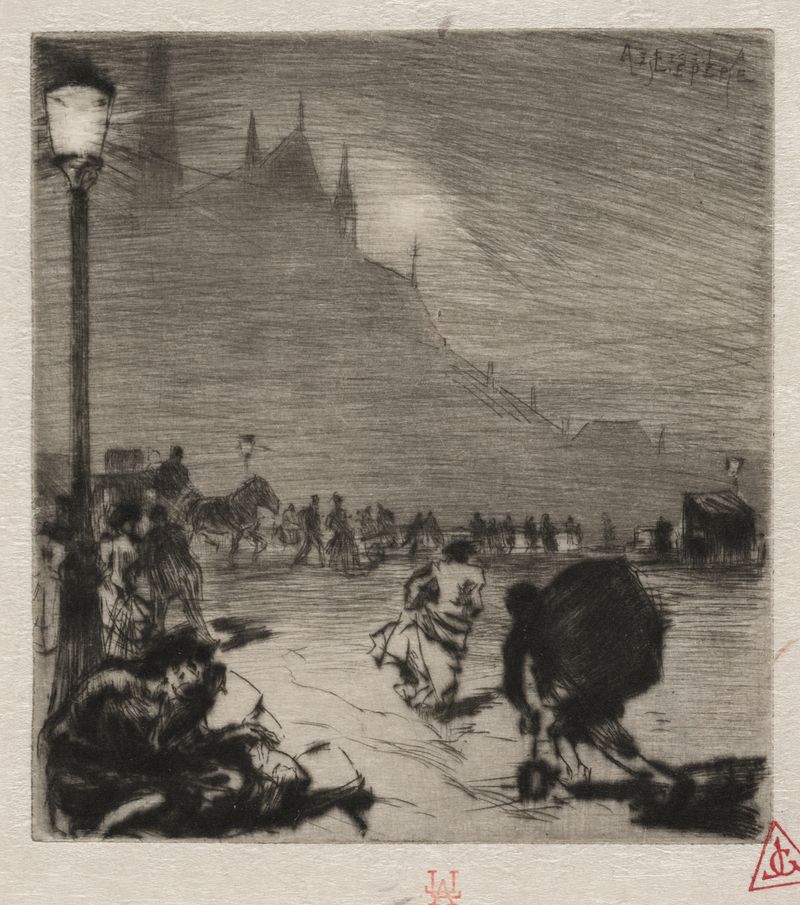
Au Coin du Pont-aux-Doubles
Auguste Louis Lepère
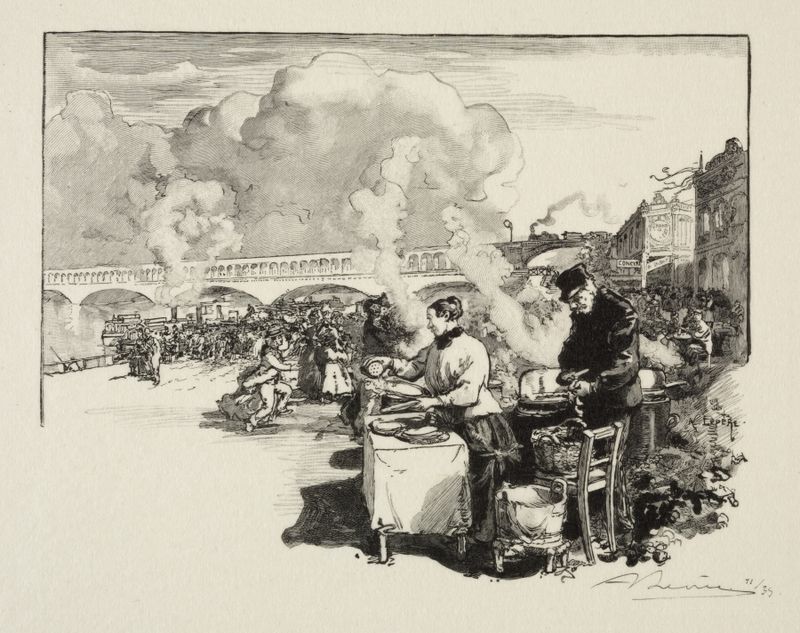
Debarcadère des bateaux-omnibus
Auguste Louis Lepère

La Seine, au quai de la Rapée
Auguste Louis Lepère
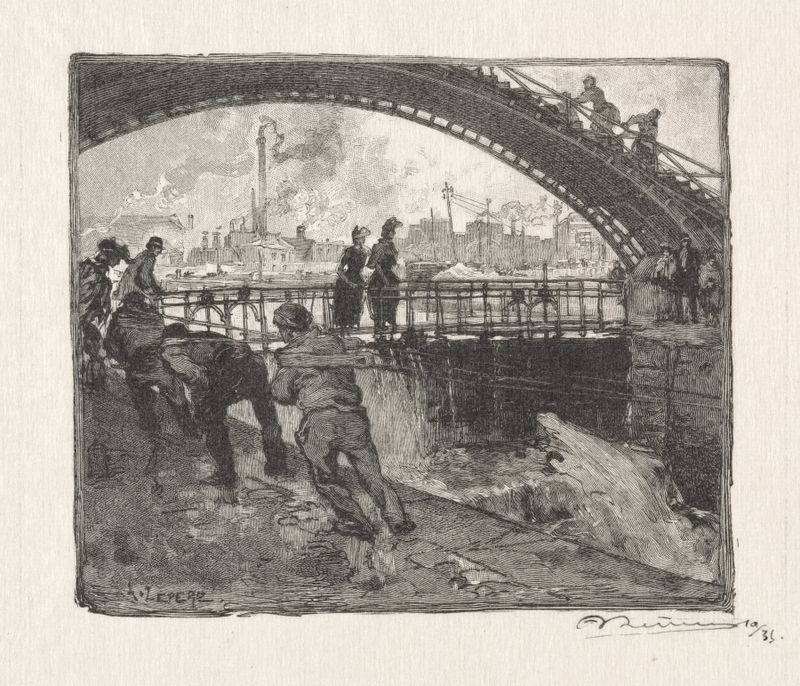
L’Ecluse du Canal St. Martin
Auguste Louis Lepère

Le Boulevard Montmartre, le Soir
Auguste Louis Lepère

Une Chasse au Mont Gérard
Auguste Louis Lepère
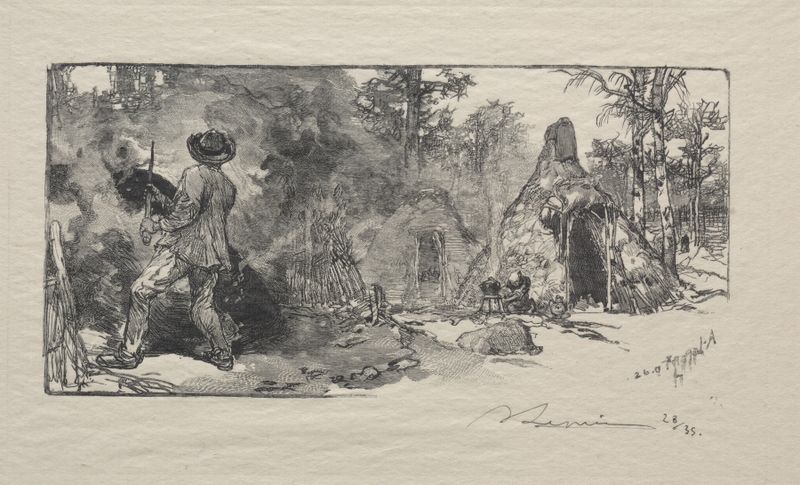
Les Charbonniere
Auguste Louis Lepère
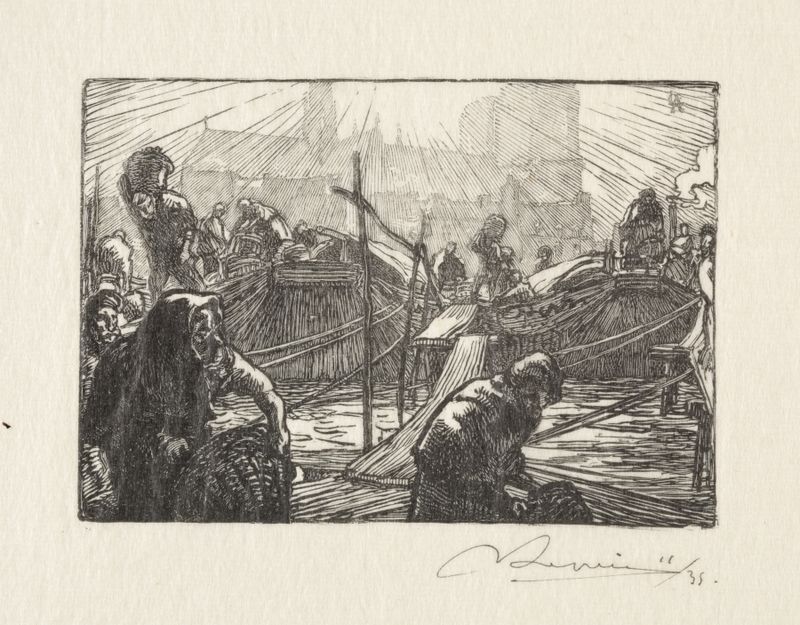
Notre Dame vue du Marché aux pommes
Auguste Louis Lepère

Le Palais des Arts Liberaux, Intèrieur
Auguste Louis Lepère
More Architecture Art
Browse all →
The statue of Liberty
Frédéric Auguste Bartholdi

View of Houses in Delft, Known as ‘The Little Street’
Johannes Vermeer

View of Houses in Delft, Known as ‘The Little Street’
Johannes Vermeer

The Cathedral in Rouen. The portal, Grey Weather
Claude Monet

The yellow house
Vincent van Gogh

The Church in Auvers-sur-Oise, View from the Chevet
Vincent van Gogh