
La laitière — History & Facts
The first thing that catches the eye in La laitière is the quiet determination in the young woman’s face as she rows, her gaze cast sideways toward the unseen shore. The oar in her hands is not just a tool but a lifeline, drawing her—and us—across the shimmering water. The painter, Albert Edelfelt, lingers over the play of light on the river, the soft blue of her dress, and the silvery milk canisters beside her, each detail speaking to the rhythm of daily labor.
The water behind her is alive with reflections, boats, and distant sails, but the focus never wavers from her steady presence. The palette is cool and restrained, the brushwork crisp where it matters and loose where the world recedes, inviting us to feel the early morning air and the weight of the oars. Painted in 1889, this work belongs to a moment when artists across Europe were turning their attention to the dignity of working people and the poetry of ordinary tasks. In the late nineteenth century, scenes like this—neither grand history nor aristocratic leisure—found their way into galleries and private homes, commissioned by a new class of patrons eager to see the real world reflected on canvas.
Edelfelt was known for his ability to blend realism with a gentle lyricism, and here he draws on the traditions of both French Naturalism and Nordic light. While history has kept few traces of this particular painting’s journey, its presence in a modern collection invites us to linger over the strength and grace found in a single, everyday crossing.
More Artworks by Albert Edelfelt

The Day of Rest
Albert Edelfelt
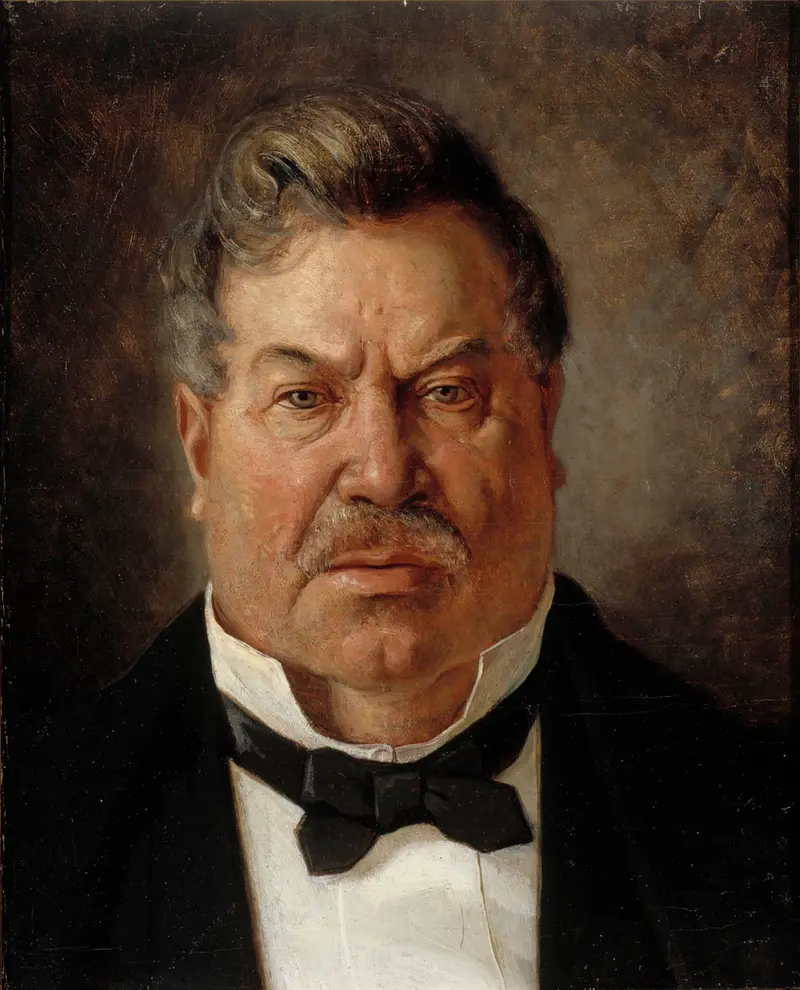
Portrait of August Streng
Albert Edelfelt
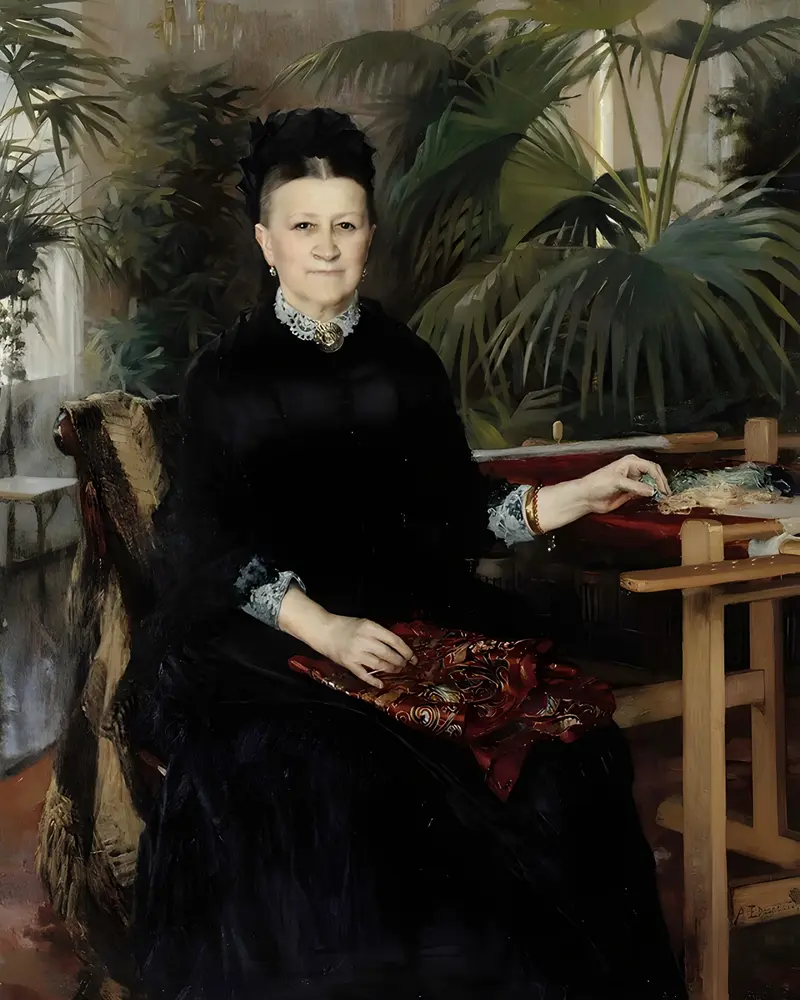
Portrait Of Mrs. Anna Sinebrychoff
Albert Edelfelt

The Poet, Larin Paraske
Albert Edelfelt

Parisian lady in a Peignoir
Albert Edelfelt
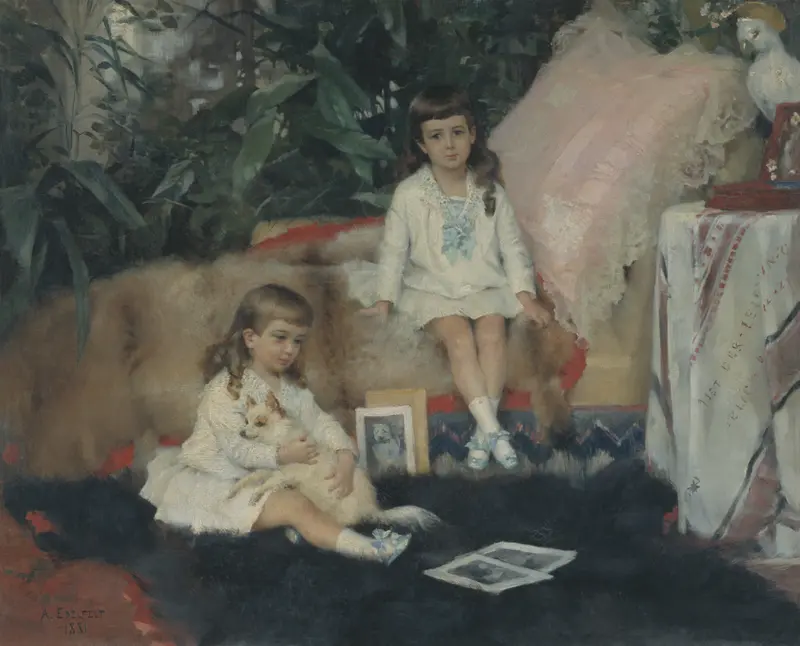
The Grand Dukes Boris and Kirill Vladimirovich as Children
Albert Edelfelt
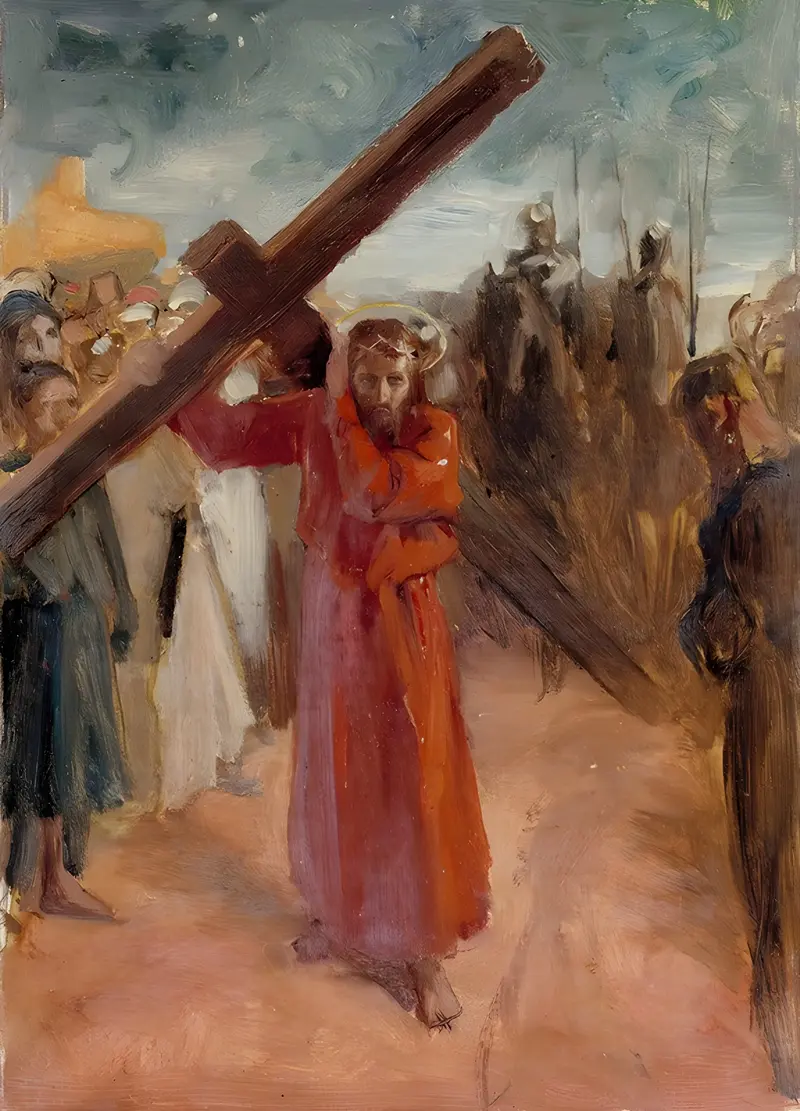
Christ Bears The Cross
Albert Edelfelt
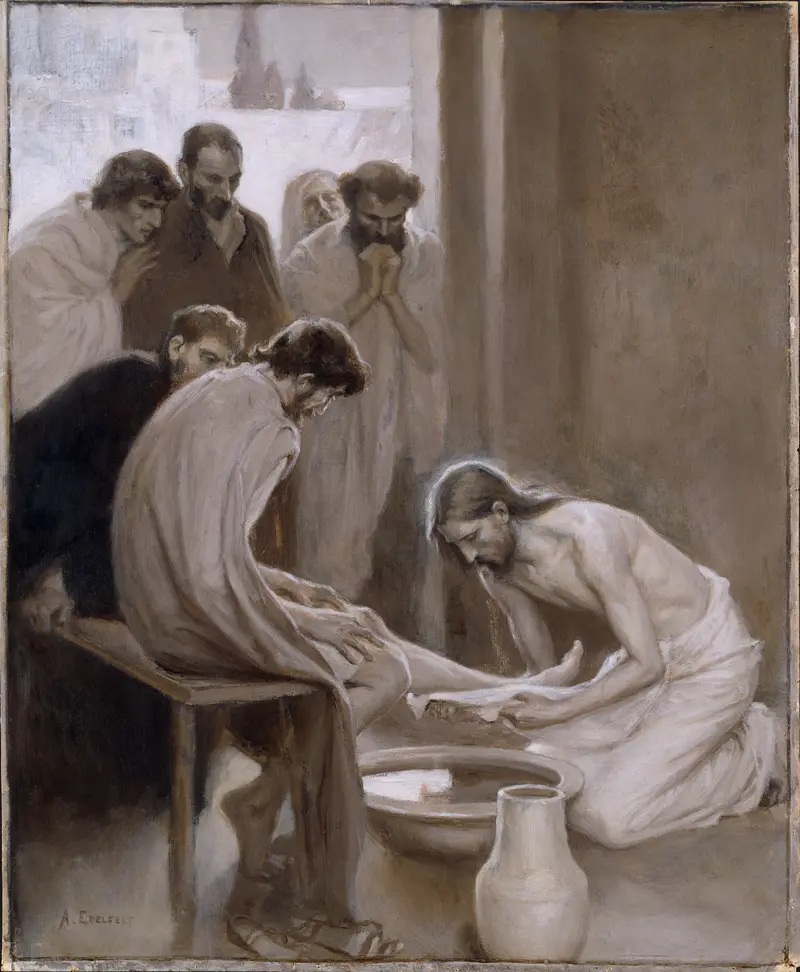
Jesus Washing the Feet of his Disciples
Albert Edelfelt

Larin Paraske with Kantele
Albert Edelfelt
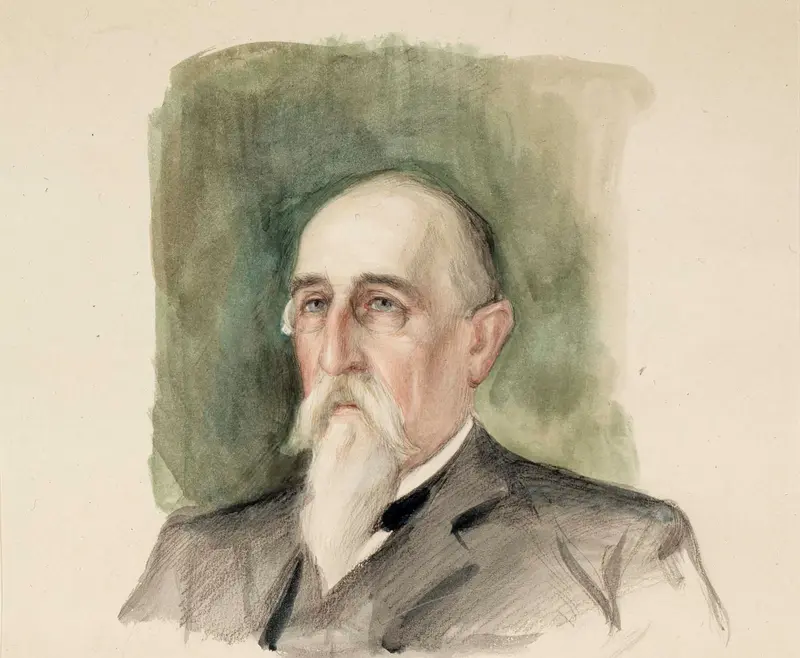
Leo Mechelin, Portrait Study
Albert Edelfelt
More Genre Scene Art

Banquet of the Officers of the St George Civic Guard
Frans Hals

Rembrandt and Saskia in the Scene of the Prodigal Son
Rembrandt van Rijn

Bal du moulin de la Galette
Pierre-Auguste Renoir

Quadrille at the Moulin Rouge
Henri de Toulouse-Lautrec

A Burial at Ornans
Gustave Courbet

When Will You Marry?
Paul Gauguin