
La Maison de refuge du Bon Pasteur, vue de la place Denfert-Rochereau. — History & Facts
This sentiment echoes through the canvas, prompting a contemplation of the delicate balance between light and shadow, hope and despair. Look to the center of the piece where the imposing structure of the refuge stands, its facade composed of muted earth tones that ground the viewer in reality. The sun casts a warm glow, highlighting the windows that flicker like eyes, offering glimpses of life within. Notice how the cobblestone path leads the eye toward the building, inviting spectators to take a step closer, as if compelled by an invisible force.
The sky overhead transitions from an ethereal blue to soft, golden hues, suggesting that twilight is a time of connection between the earthly and the divine. Hidden within the external beauty of the refuge lies an emotional tension between sanctuary and solitude. The contrasting light reveals the duality of the space—while the light signifies hope, the shadows linger, hinting at untold stories and silent struggles within its walls. Each window reflects a world outside, yet remains separate, emphasizing the isolation often felt by those seeking refuge.
This interplay of light and shadow invites an awakening, prompting viewers to reflect on the significance of safety and the human longing for belonging. Zawiski painted this work in 1890 while living in Paris, a city bustling with artistic movements and social change. At this time, he was deeply influenced by the Impressionists, as well as the evolving understanding of urban life and its complexities. The creation of this piece coincided with a period where the city grappled with issues of poverty and displacement, mirroring the plight of those who sought solace within the refuge.
More Artworks by Edouard Zawiski
Browse all →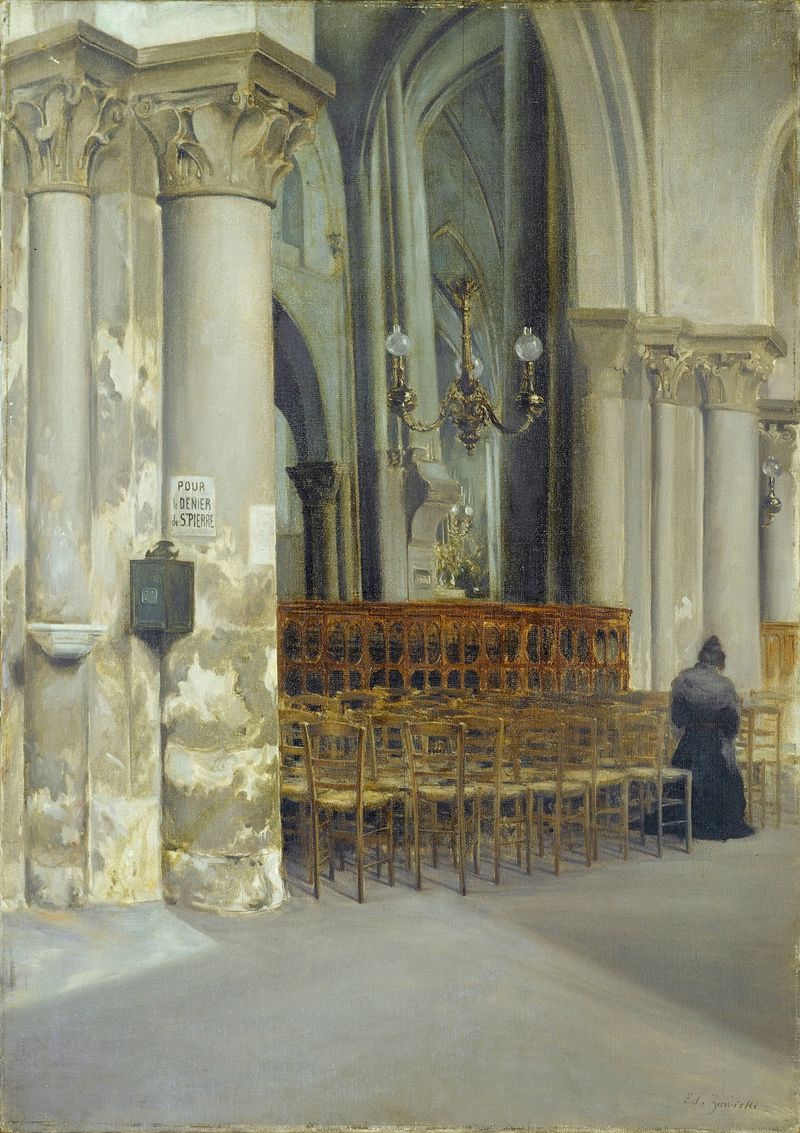
Intérieur de l’église Saint-Pierre-de-Montmartre.
Edouard Zawiski
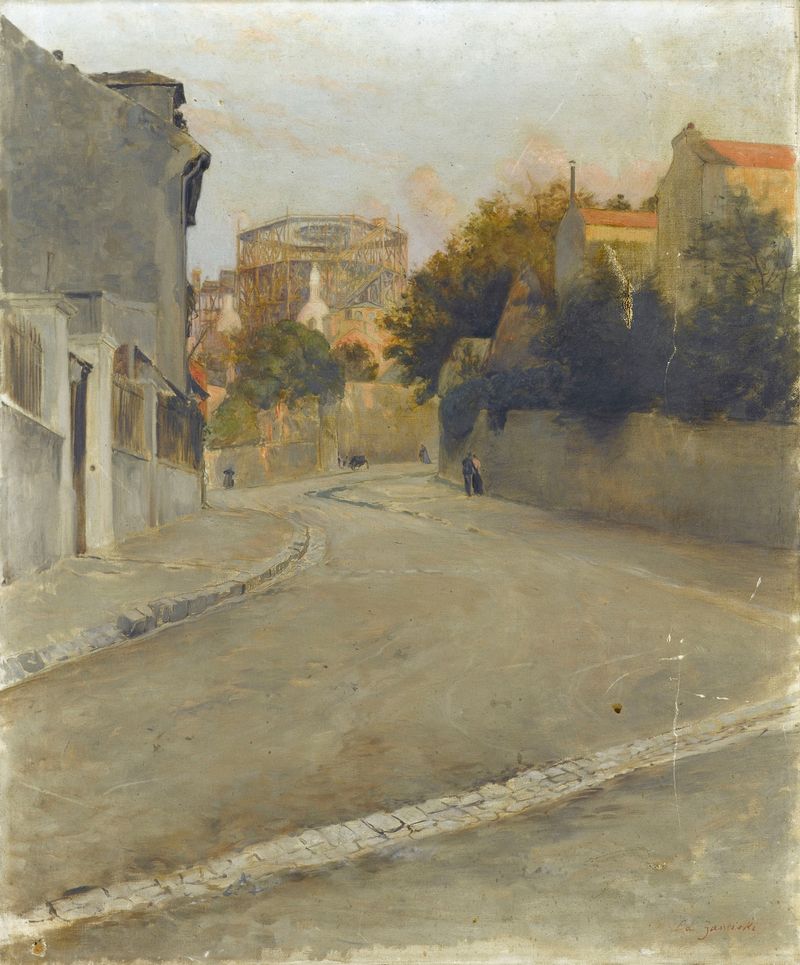
Le Sacré-Cœur en construction, vu de l’abreuvoir de Montmartre, vers 1895
Edouard Zawiski
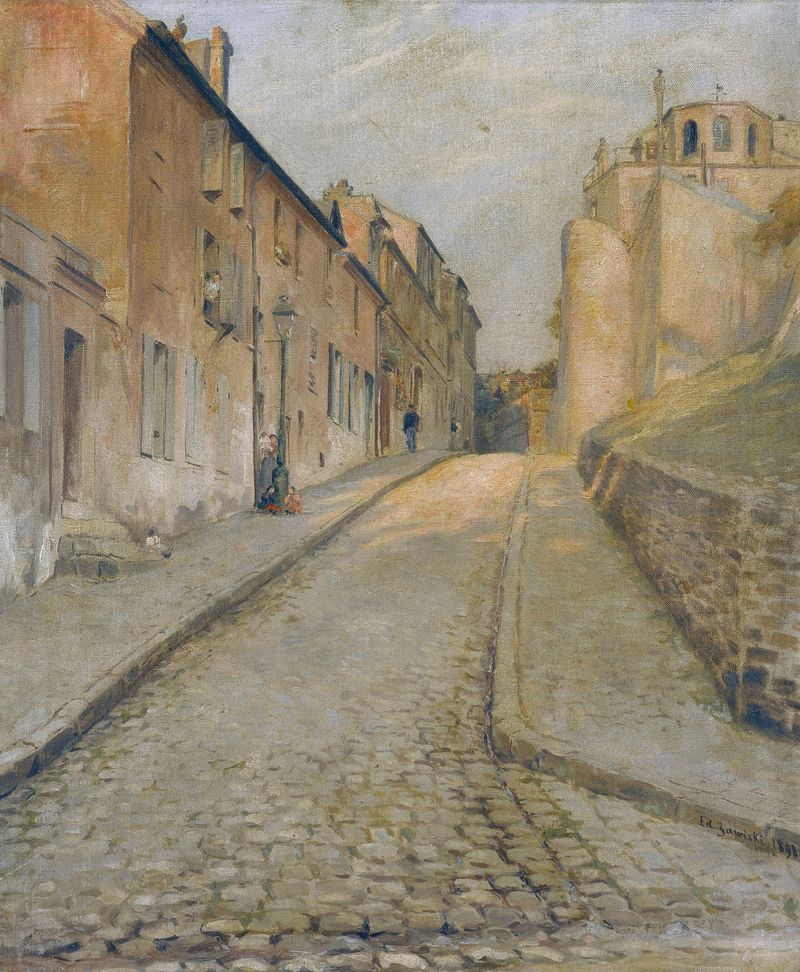
La rue Cortot à Montmartre, vue de la rue des Saules
Edouard Zawiski
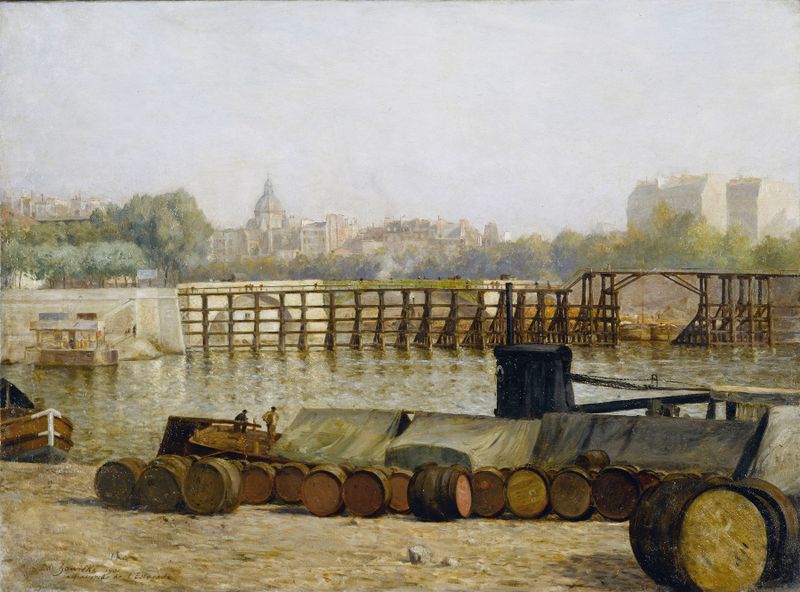
Vue de l’estacade de l’île Saint-Louis ; effet du matin.
Edouard Zawiski
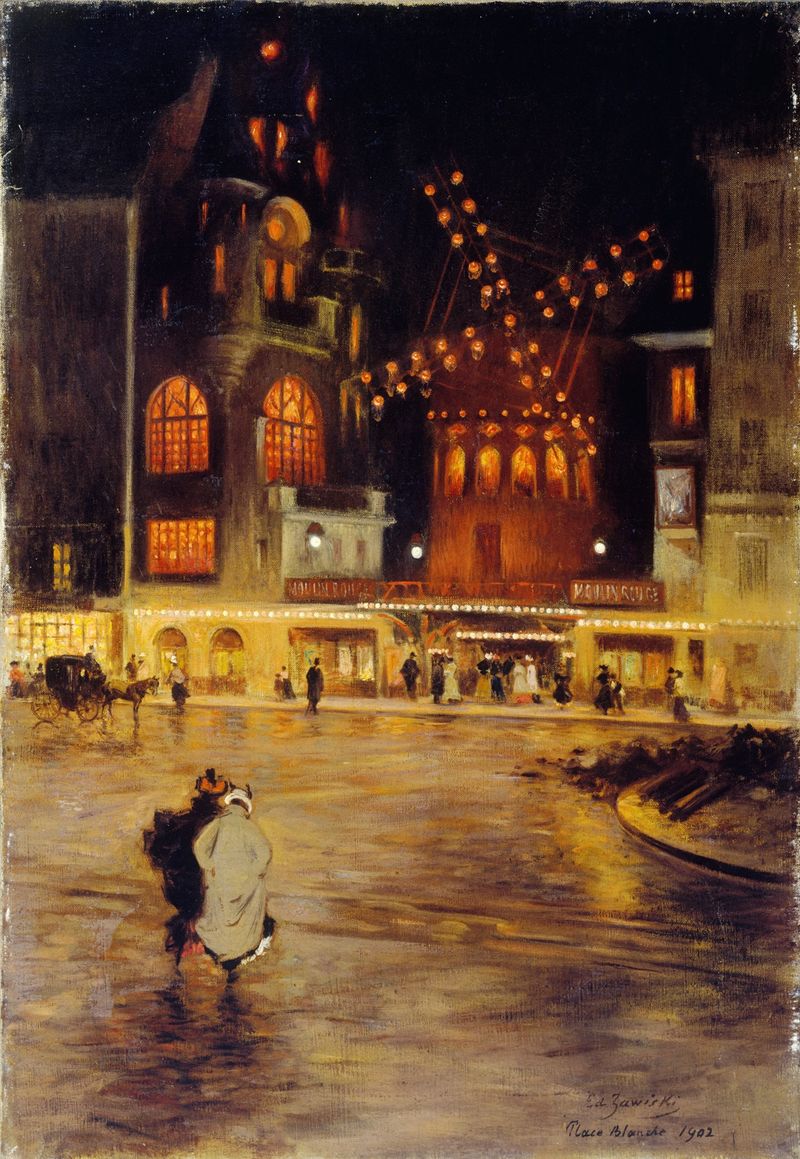
La Place Blanche et le Moulin Rouge
Edouard Zawiski
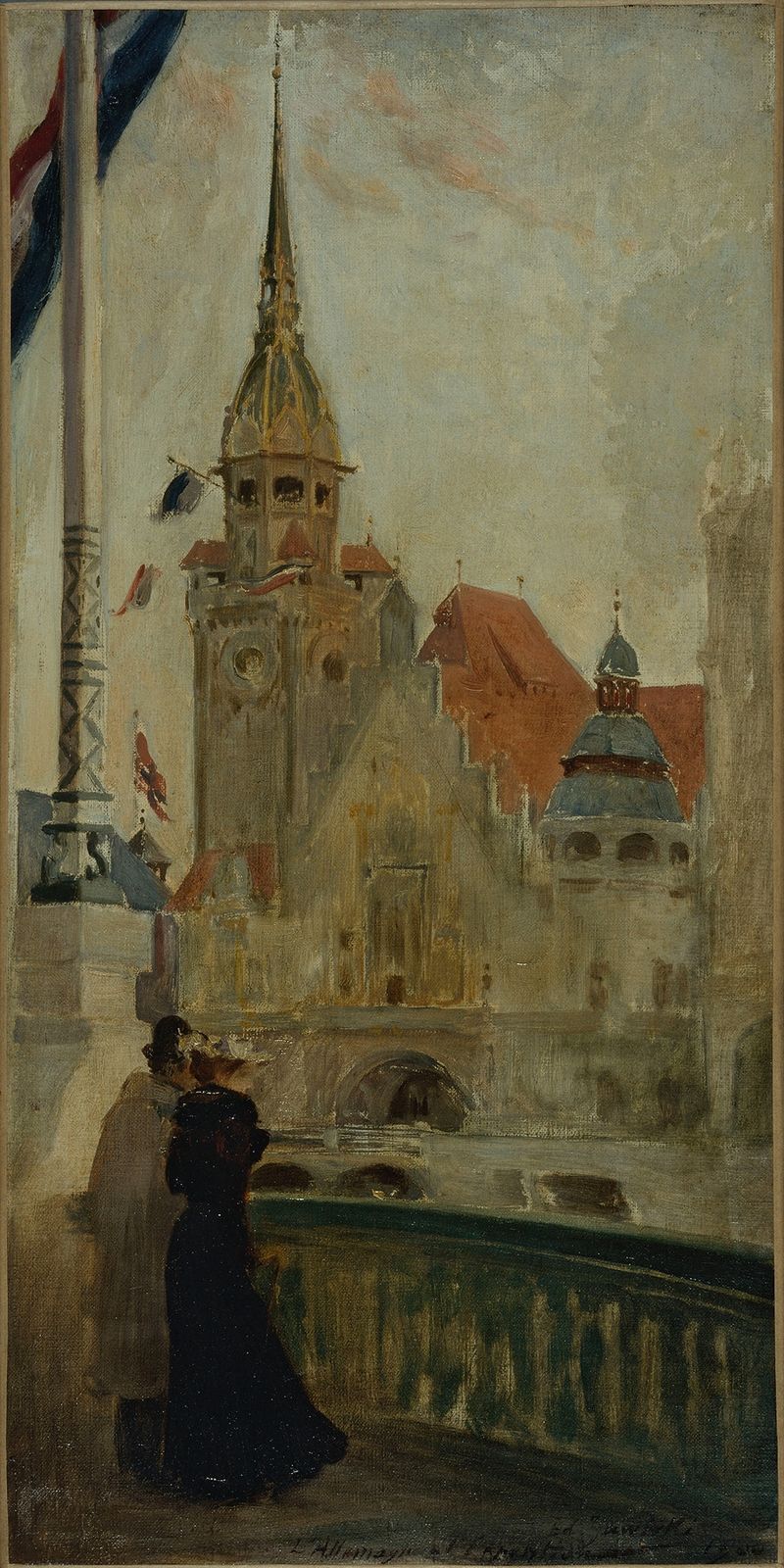
Le Pavillon de l’Allemagne à l’Exposition Universelle de 1900.
Edouard Zawiski
More Architecture Art
Browse all →
The statue of Liberty
Frédéric Auguste Bartholdi

View of Houses in Delft, Known as ‘The Little Street’
Johannes Vermeer

View of Houses in Delft, Known as ‘The Little Street’
Johannes Vermeer

The Cathedral in Rouen. The portal, Grey Weather
Claude Monet

The yellow house
Vincent van Gogh

The Church in Auvers-sur-Oise, View from the Chevet
Vincent van Gogh