
La rue Cortot à Montmartre, vue de la rue des Saules — History & Facts
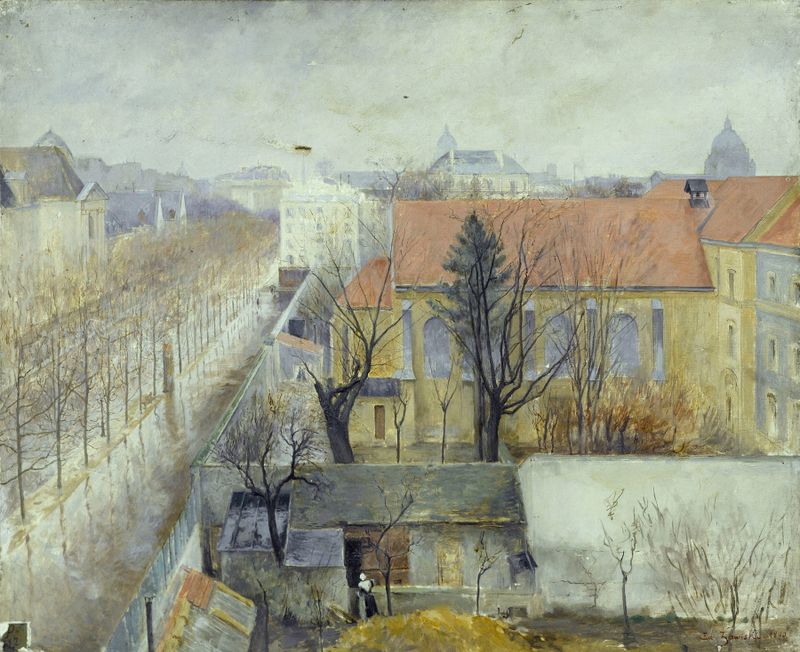
Is this a mirror — or a memory? The blurred line between reality and nostalgia echoes through the vibrant streets of Montmartre, inviting us to linger in the past while confronting the passage of time. Look to the left at the sun-drenched buildings, their warm ochres and soft reds glowing as if infused with the life of the neighborhood. Notice how the cobblestone path winds invitingly, drawing the eye toward the striking contrast of deep shadows cast by the aging trees. The artist’s brush captures the dappled light with an intimate touch, suggesting not just a physical space but a lived experience, each stroke pulsing with the vitality of daily life. In the foreground, the juxtaposition of the lively street scene and the shadowy edges creates a tension between movement and stillness, evoking a sense of obsession with both the fleeting moment and the enduring charm of memory.
The figures, though small, are imbued with spirited gestures, bustling through their routines, while the lingering presence of the architecture hints at stories untold—each window a silent witness to time’s relentless flow. In 1898, Edouard Zawiski painted this piece in the vibrant artistic hub of Montmartre, where he was immersed in a world of burgeoning creativity and social change. His exploration of urban life coincided with a period of artistic experimentation, reflecting the transformative energy of late 19th-century Paris. As he captured the essence of his surroundings, Zawiski contributed to a legacy that celebrated both the beauty and complexity of a rapidly evolving city.
More Artworks by Edouard Zawiski
Browse all →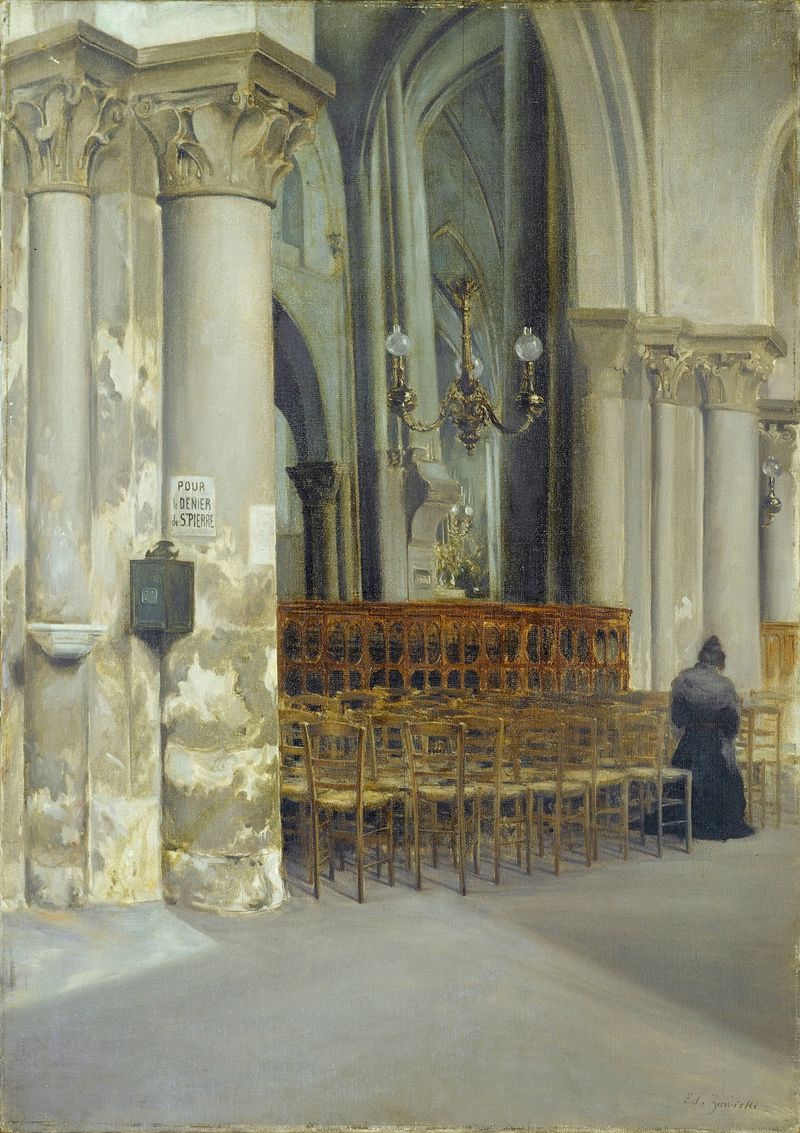
Intérieur de l’église Saint-Pierre-de-Montmartre.
Edouard Zawiski
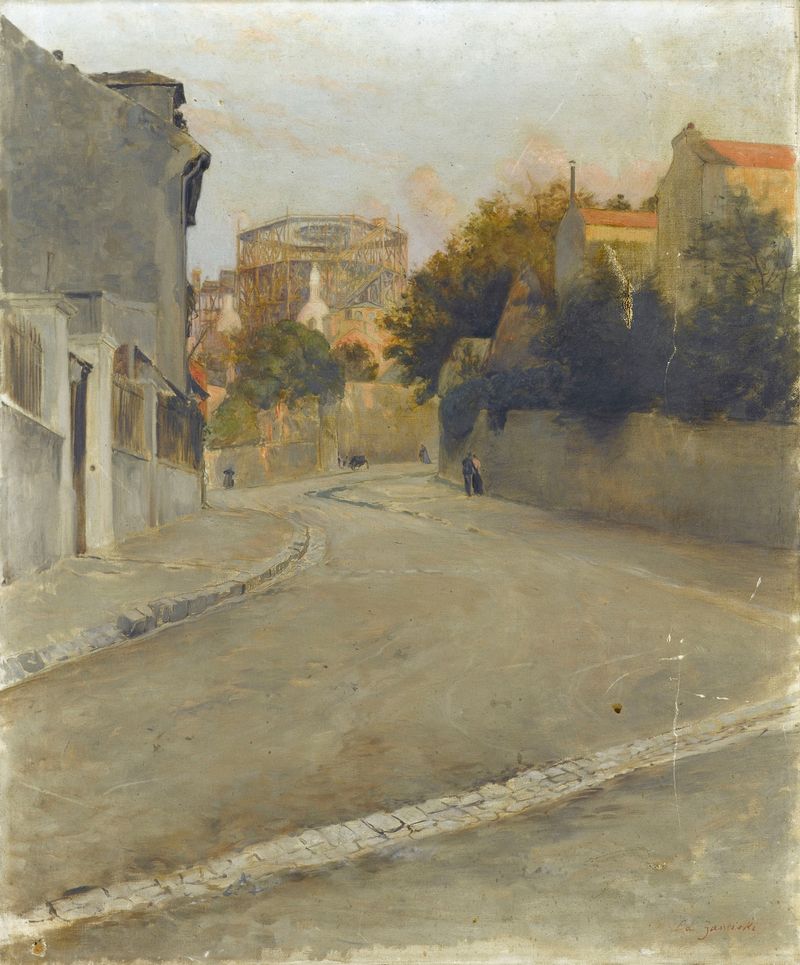
Le Sacré-Cœur en construction, vu de l’abreuvoir de Montmartre, vers 1895
Edouard Zawiski
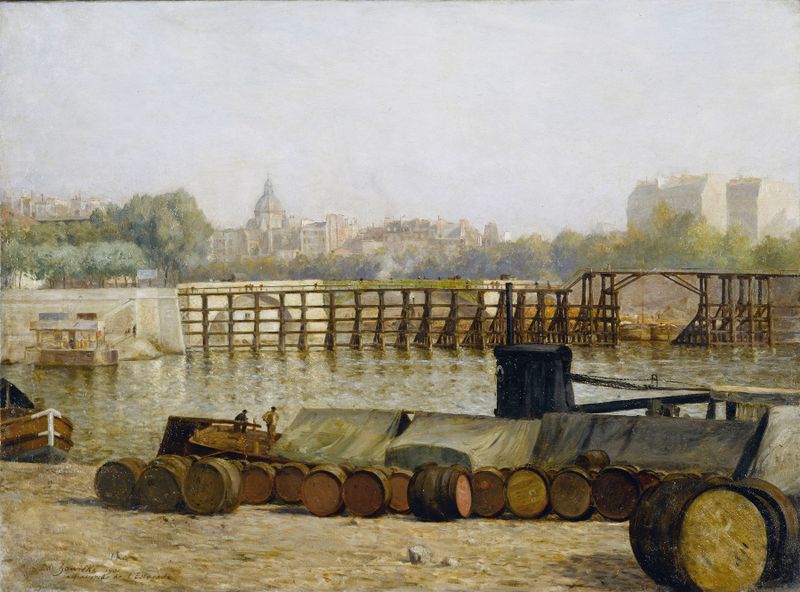
Vue de l’estacade de l’île Saint-Louis ; effet du matin.
Edouard Zawiski
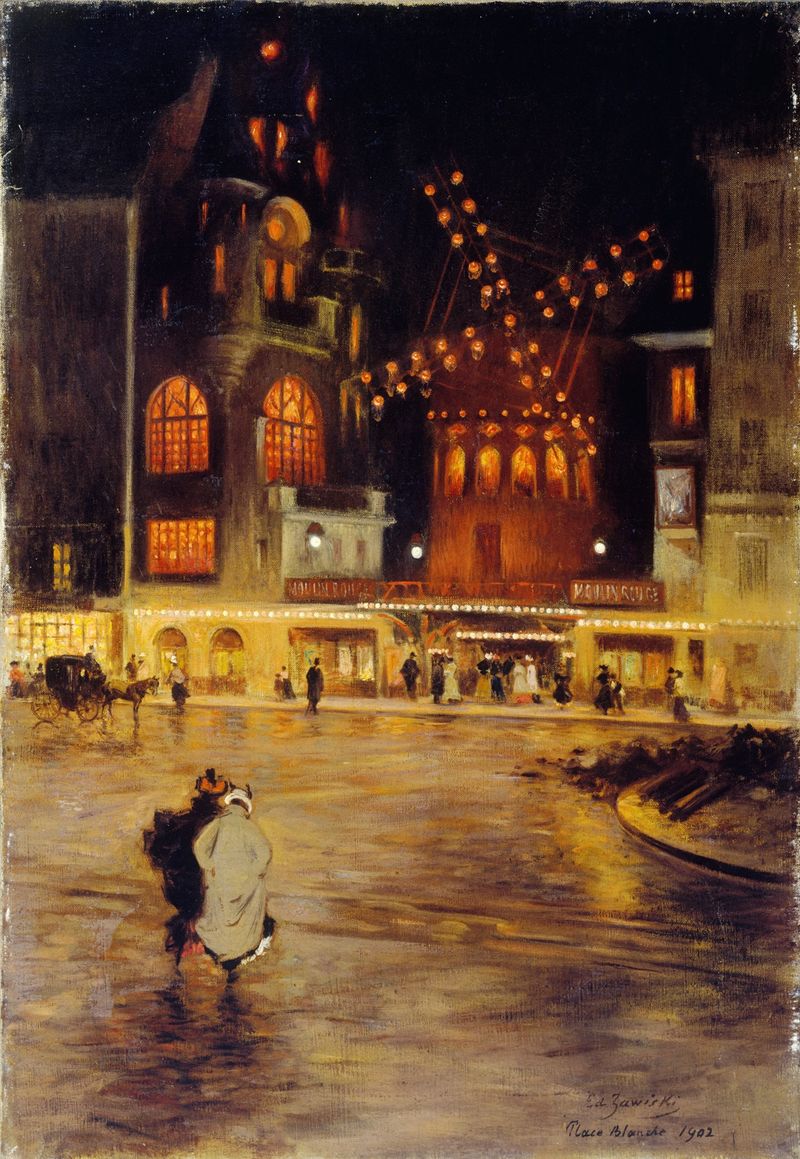
La Place Blanche et le Moulin Rouge
Edouard Zawiski
La Maison de refuge du Bon Pasteur, vue de la place Denfert-Rochereau.
Edouard Zawiski
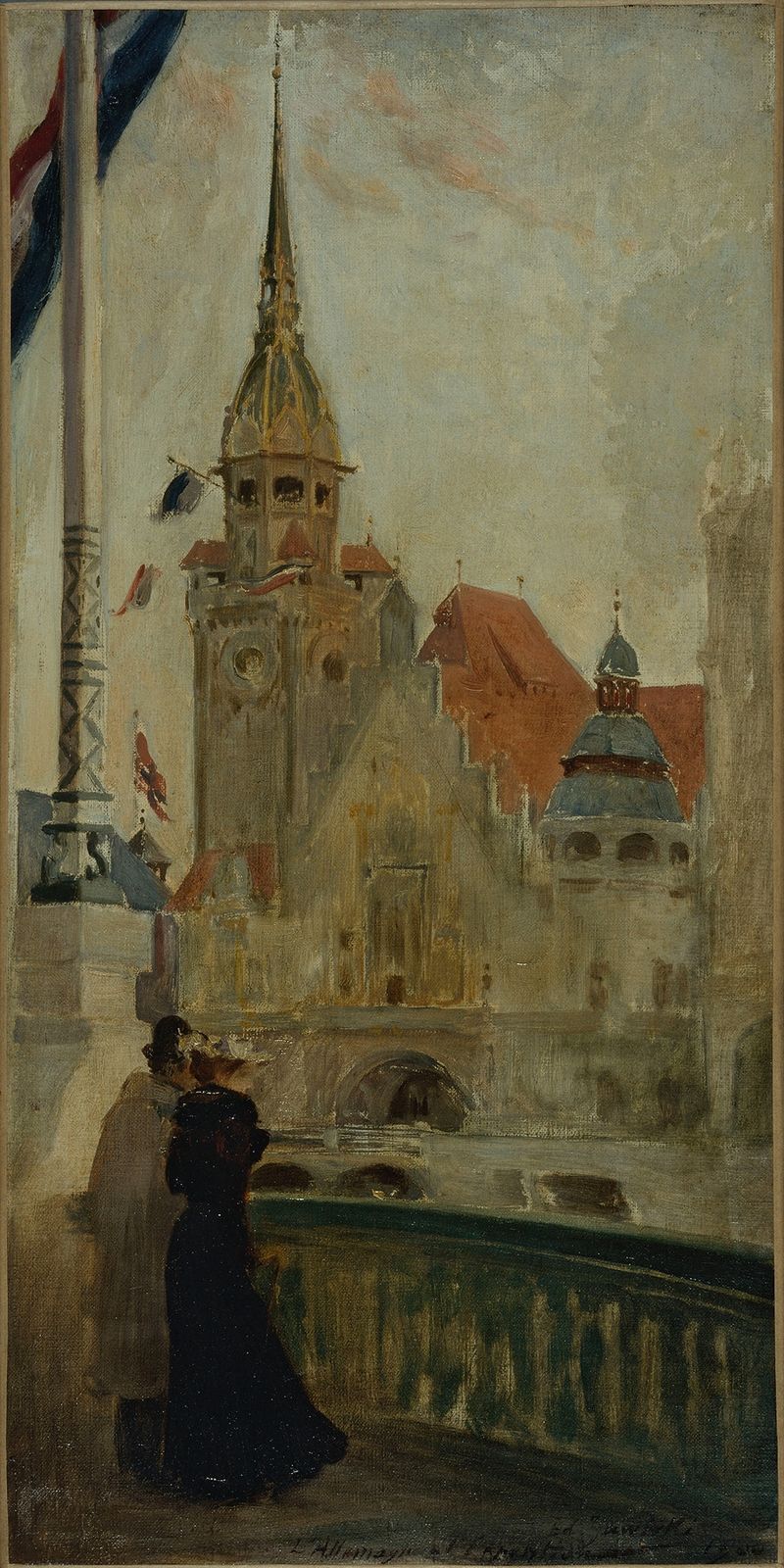
Le Pavillon de l’Allemagne à l’Exposition Universelle de 1900.
Edouard Zawiski





