
La Place Blanche et le Moulin Rouge — History & Facts
What if beauty was never meant to be finished? In the interplay of light and shadow on the canvas, a tension emerges—an echo of betrayal that weaves through the vibrant life of Paris. Look closely at the bustling scene, where the iconic Moulin Rouge looms in the background. The vivid reds and deep greens of the foreground draw you in, inviting your gaze towards the thrumming heart of the crowd. Notice how the flickering gaslight casts a golden glow upon the figures, their faces illuminated with joy and a hint of melancholy.
The rhythm of the brushstrokes mirrors the excitement of the moment while suggesting the chaos lurking just beneath the surface. Upon further inspection, the painting reveals contrasts that endure beyond the lively celebration. The joy in the dancers’ movements is juxtaposed with expressions of longing in the onlookers, hinting at unspoken desires and unrequited love. The architecture of the Moulin Rouge represents a sanctuary of pleasure, yet it also serves as a reminder of the fleeting nature of happiness, betraying the promise of everlasting joy.
Each detail, from the shimmering reflections to the mingling hues, conveys an emotional landscape, rich with both delight and disillusionment. In 1902, Zawiski painted this piece during a time of vibrant artistic experimentation in Paris, as the city was a hub of cultural revolution. The post-impressionist movement was evolving, challenging perceptions of beauty and reality. Amidst his own struggles as an artist, he captured the exhilarating yet tumultuous spirit of the era, forever freezing a moment where beauty and betrayal dance hand in hand.
More Artworks by Edouard Zawiski
Browse all →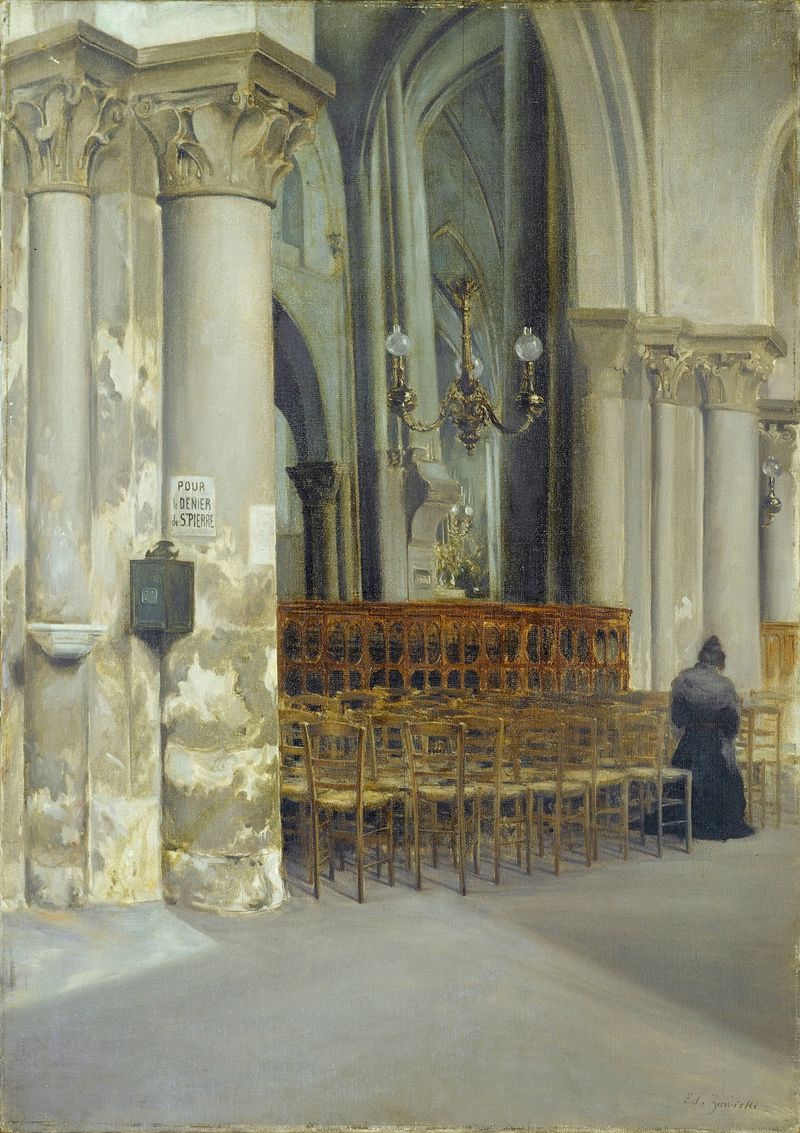
Intérieur de l’église Saint-Pierre-de-Montmartre.
Edouard Zawiski
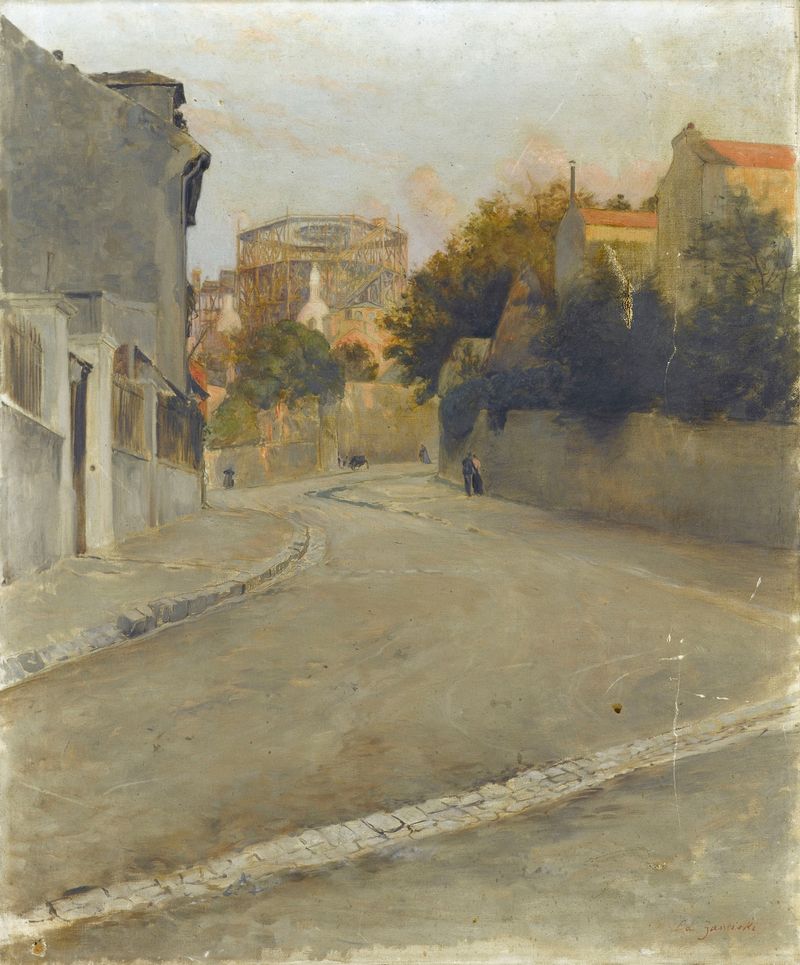
Le Sacré-Cœur en construction, vu de l’abreuvoir de Montmartre, vers 1895
Edouard Zawiski
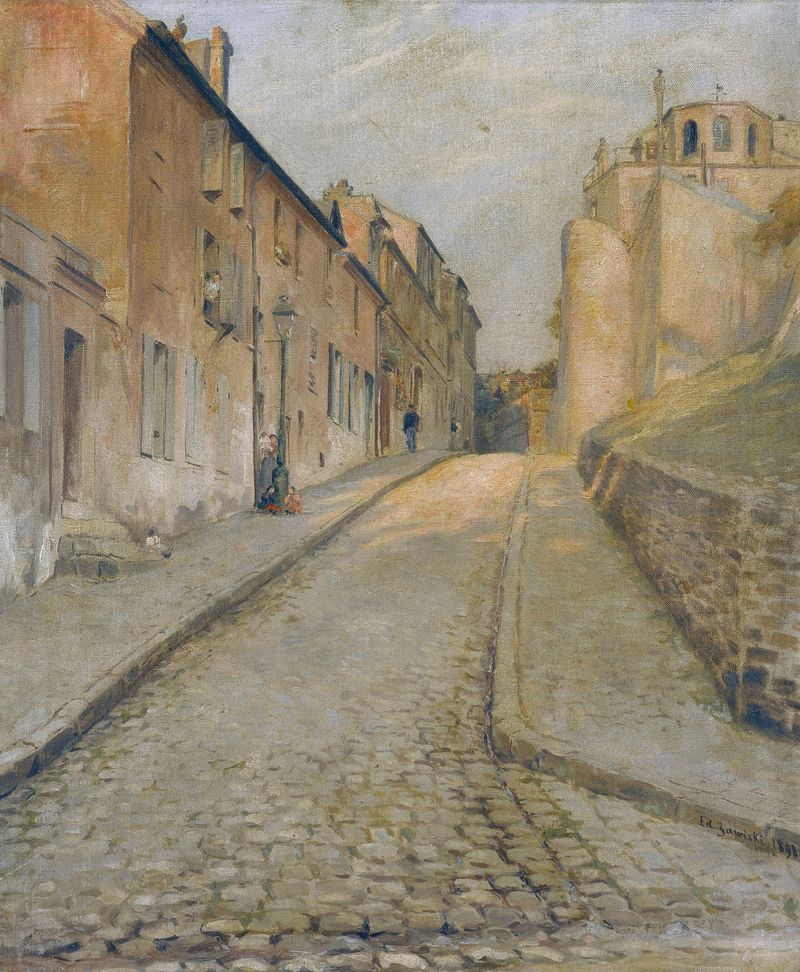
La rue Cortot à Montmartre, vue de la rue des Saules
Edouard Zawiski
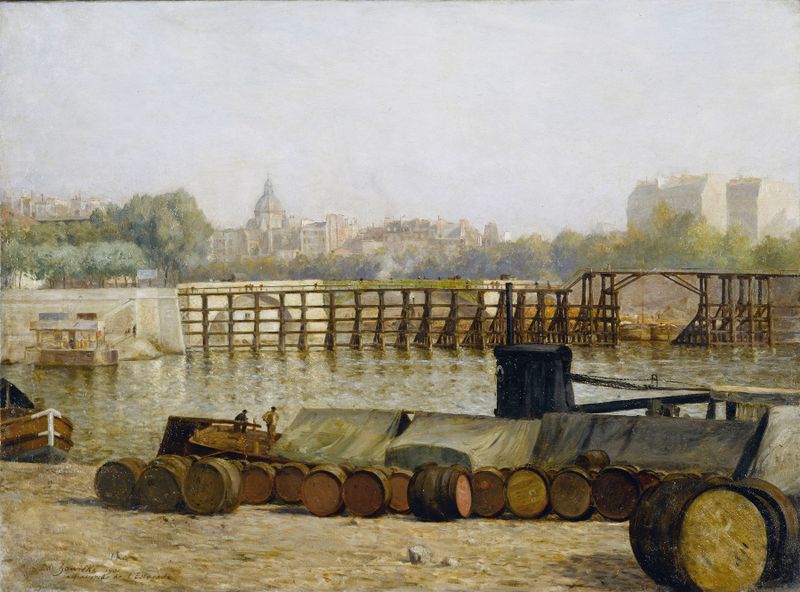
Vue de l’estacade de l’île Saint-Louis ; effet du matin.
Edouard Zawiski
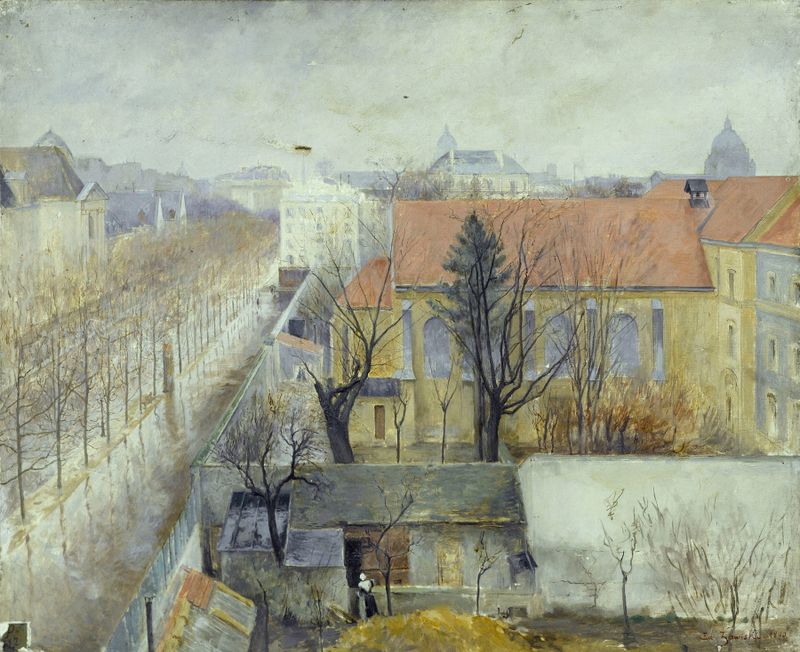
La Maison de refuge du Bon Pasteur, vue de la place Denfert-Rochereau.
Edouard Zawiski
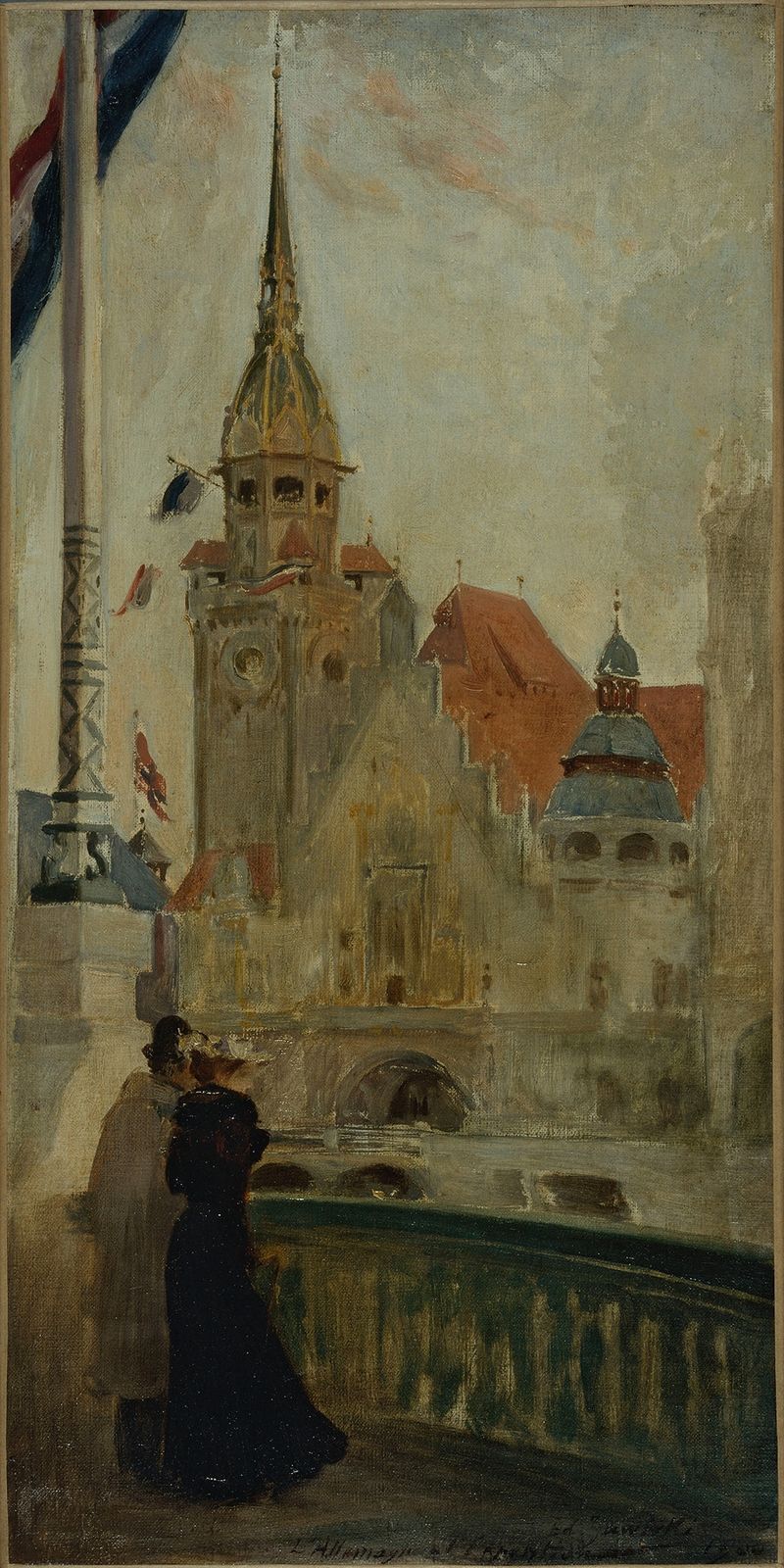
Le Pavillon de l’Allemagne à l’Exposition Universelle de 1900.
Edouard Zawiski





