Intérieur de l’église Saint-Pierre-de-Montmartre. — History & Facts
This sentiment whispers through the arches of the church, inviting contemplation amidst the shadows of unfulfilled longing. Within the confines of Intérieur de l’église Saint-Pierre-de-Montmartre, a poignant stillness radiates, inviting viewers to grasp the delicate tension between the sacred and the lost. Look to the left corner, where the flickering light softly illuminates the intricate details of the altar. Notice how the golden hues of the sunlight dance with the cool tones of the stone walls, creating a dynamic interplay of warmth and cold.
The composition draws the eye upward, where the vaulted ceiling looms in graceful majesty, framing the somber figures of worshipers below. Each brushstroke captures the ephemeral nature of light filtering through stained glass, casting a kaleidoscope of colors that hints at the deeper spiritual yearnings of those present. Yet, beneath this surface beauty lies a palpable sense of yearning. The still figures, lost in their introspection, evoke a longing for connection—not only with the divine but also with each other.
The contrasting textures of the smooth marble and rough stone reinforce the tension between the sacred and human frailty, symbolizing the struggle for faith in a world that often feels disconnected. These details remind us that beauty can harbor sorrow, a silent narrative threaded through the fabric of the church’s existence. Edouard Zawiski painted this work in 1895 while living in Paris, a time of artistic exploration and the burgeoning Symbolist movement. The city was alive with a burgeoning appreciation for the emotional depths of art, as artists sought to express complex inner lives through their work.
This was a pivotal period for Zawiski, as he navigated the interplay of tradition and modernity, seeking to capture the essence of the spiritual experience in his art.
More Artworks by Edouard Zawiski
Browse all →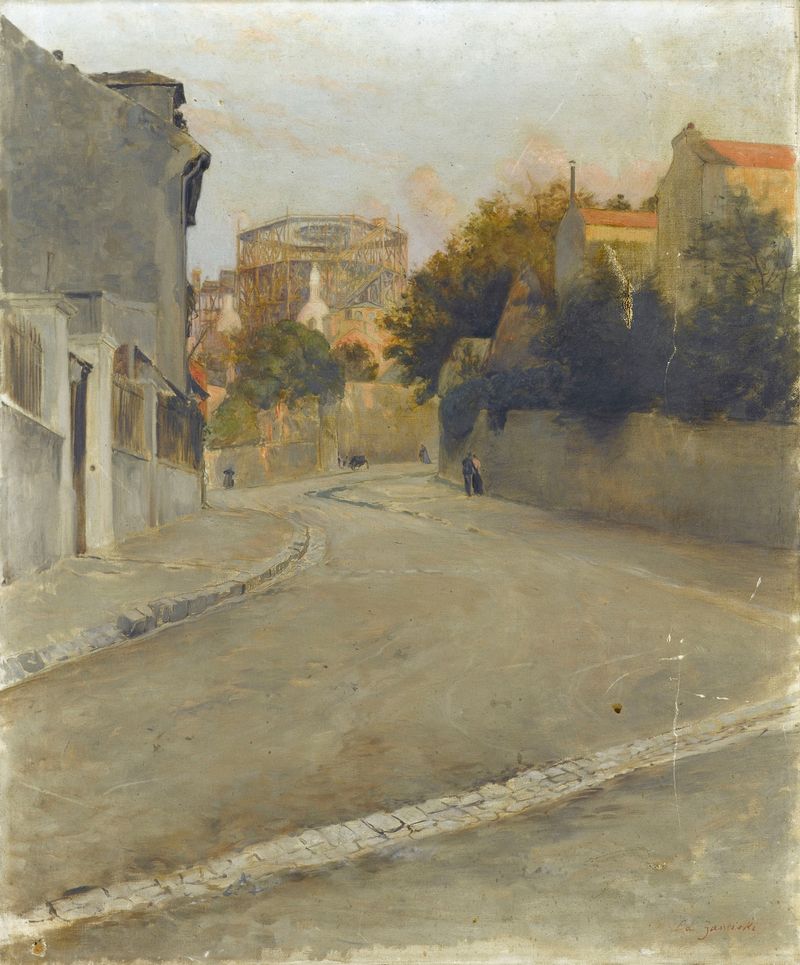
Le Sacré-Cœur en construction, vu de l’abreuvoir de Montmartre, vers 1895
Edouard Zawiski
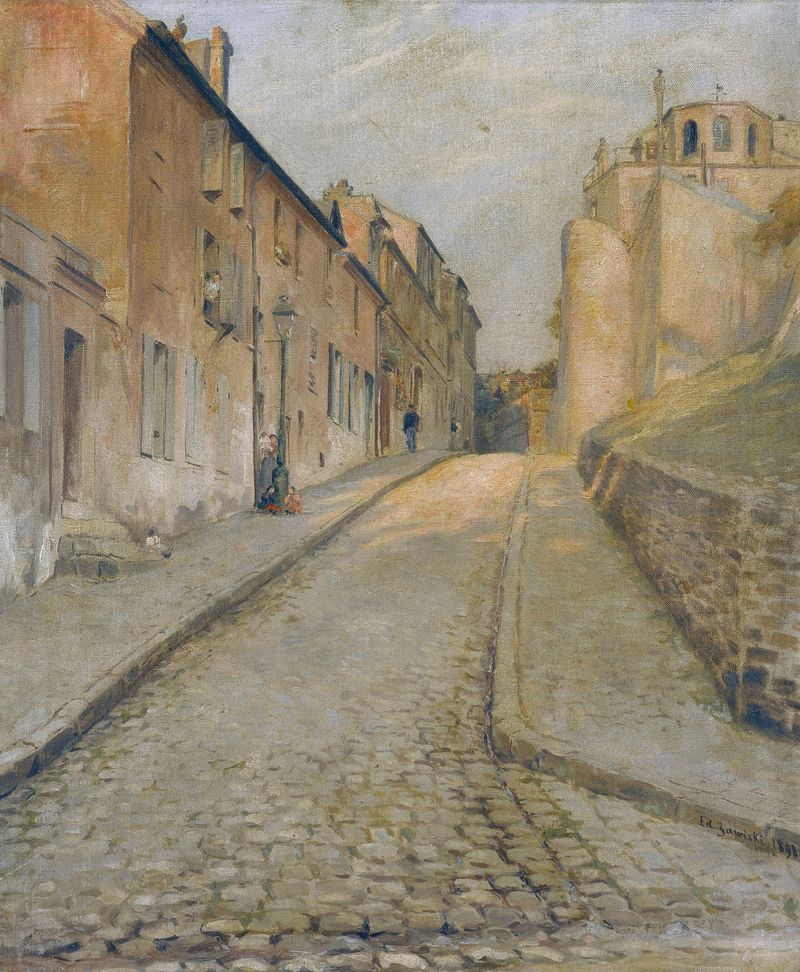
La rue Cortot à Montmartre, vue de la rue des Saules
Edouard Zawiski
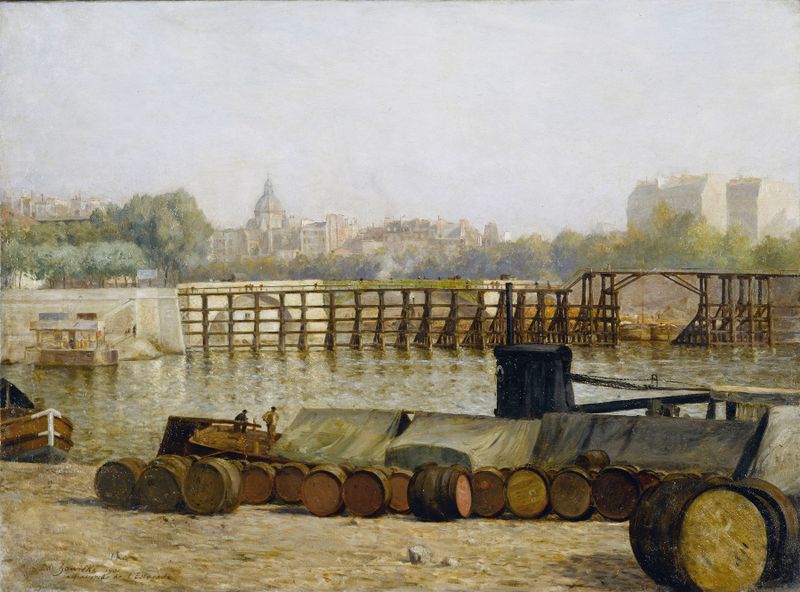
Vue de l’estacade de l’île Saint-Louis ; effet du matin.
Edouard Zawiski
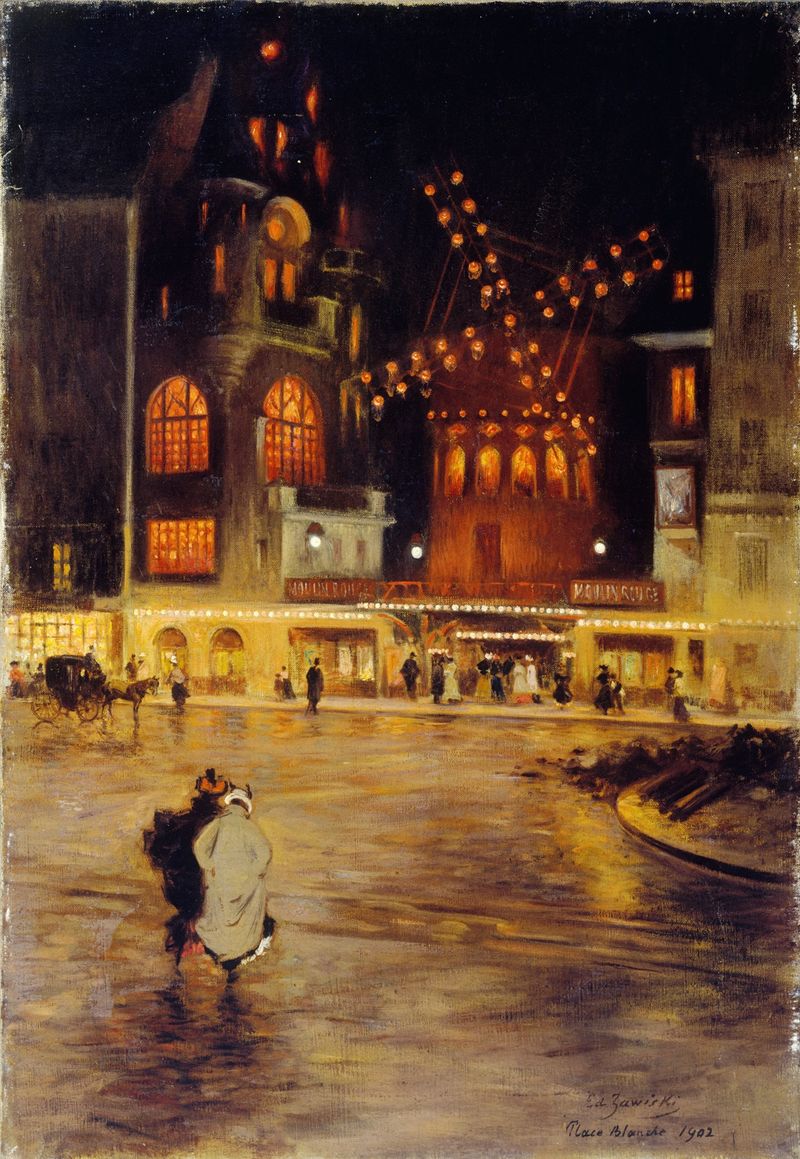
La Place Blanche et le Moulin Rouge
Edouard Zawiski
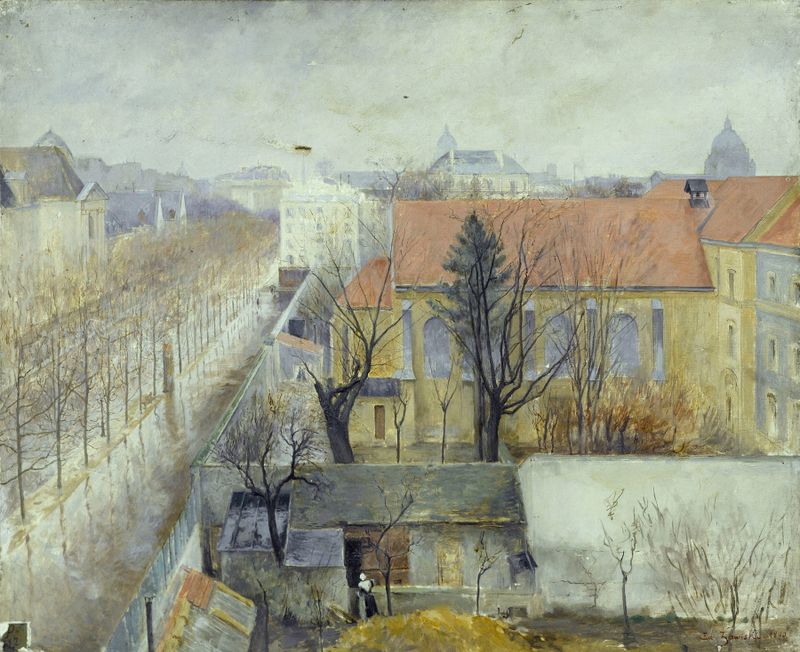
La Maison de refuge du Bon Pasteur, vue de la place Denfert-Rochereau.
Edouard Zawiski
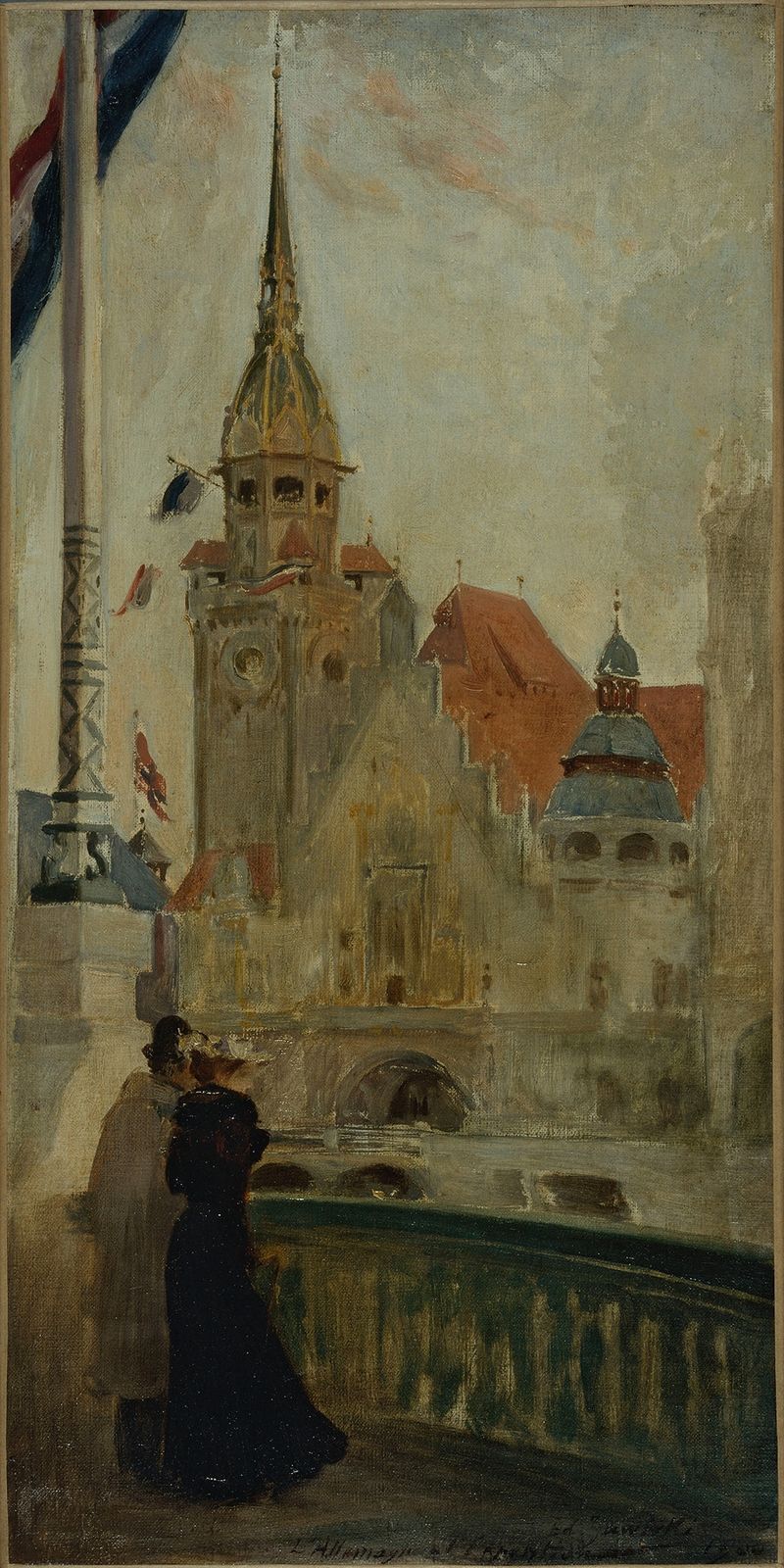
Le Pavillon de l’Allemagne à l’Exposition Universelle de 1900.
Edouard Zawiski