
La mare — History & Facts
This notion is palpable in the interplay of light within the canvas, a symphony of colors that dances above tranquil waters. Look to the center of the painting to see how the luminous surface of the water reflects a vibrant sky, punctuated by soft clouds. Notice the delicate brushstrokes that create ripples, suggesting movement beneath the serene facade. The warm hues of sunset blend seamlessly with the cooler tones of the surrounding landscape, drawing the viewer’s eye towards the horizon where light meets the earth. Delve deeper into the scene, and you can sense an emotional dialogue between the stillness of the water and the vibrancy of nature.
The contrast between the calm surface and the dynamic colors evokes a sense of serenity yet hints at the tumultuous energy beneath. Small details, like the silhouettes of distant trees bending slightly in the breeze, add layers of intimacy and connection, inviting contemplation of the interplay between tranquility and life’s inherent chaos. Created between 1850 and 1860, this piece emerged during a time of artistic transformation for the French painter. Working in Venice, Ziem was part of a movement that celebrated the beauty of light and color, as artists increasingly turned towards capturing fleeting moments in nature.
This period marked a shift in artistic focus, influenced by the burgeoning Impressionist movement, which sought to immortalize the ephemeral qualities of our world, a theme that resonates deeply in this captivating work.
More Artworks by Félix Ziem
Browse all →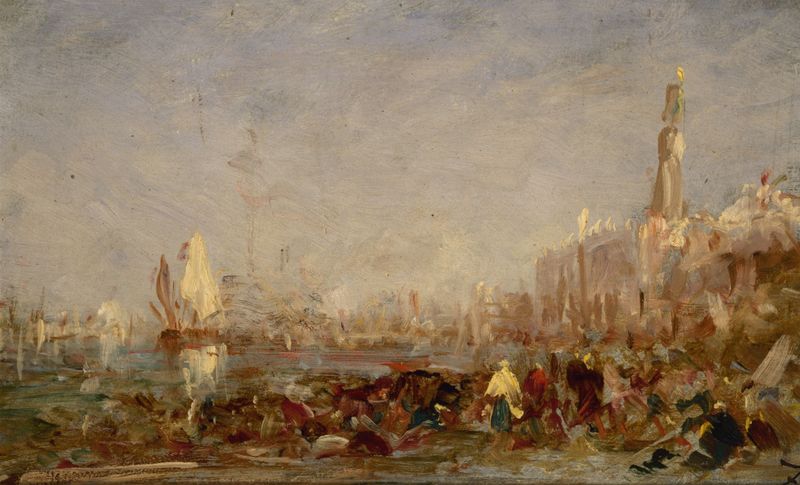
Venise
Félix Ziem
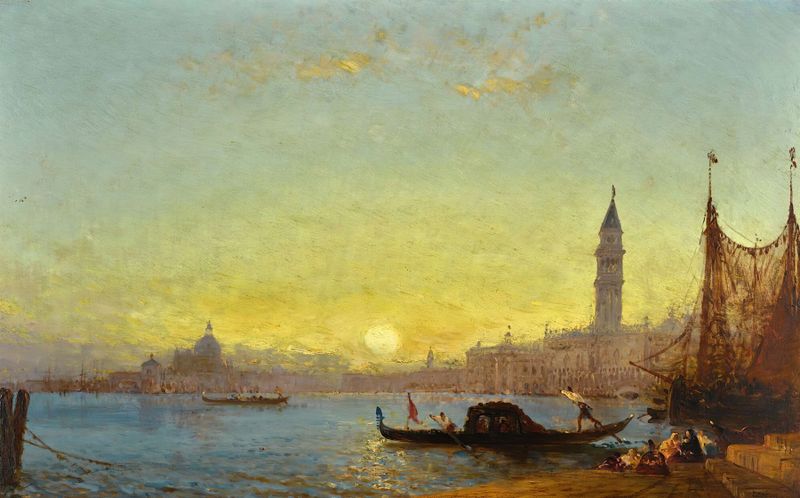
Coucher De Soleil À Venise
Félix Ziem
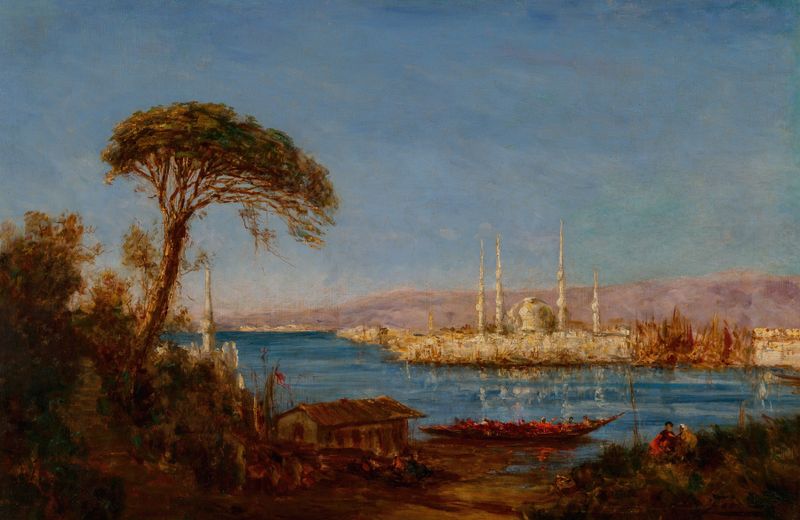
Constantinople
Félix Ziem
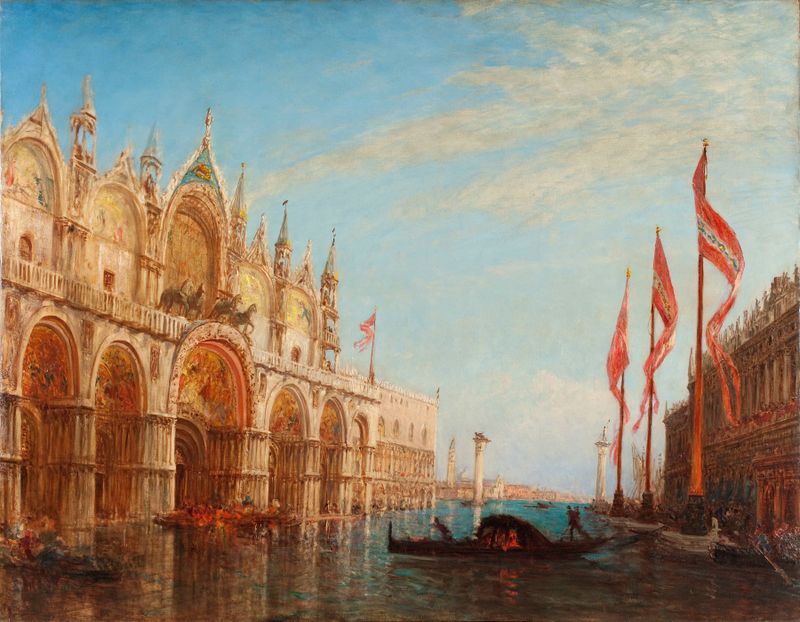
La place Saint-Marc, inondation de 1863
Félix Ziem
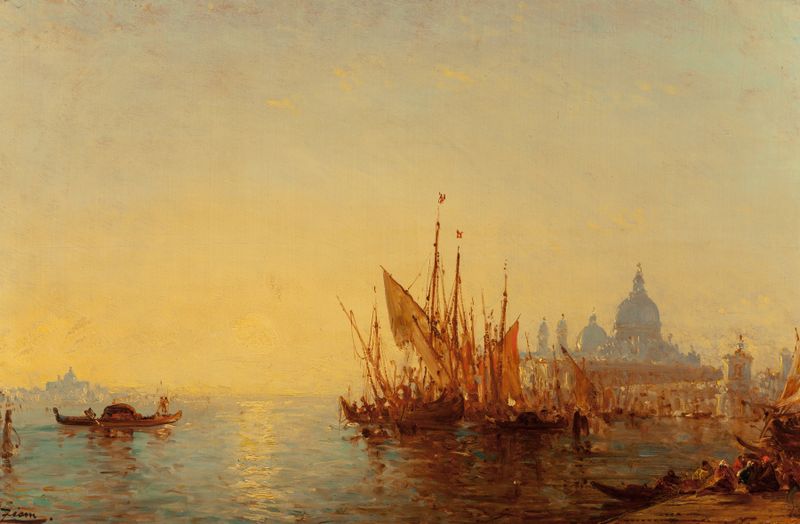
Bacino di San Marco
Félix Ziem
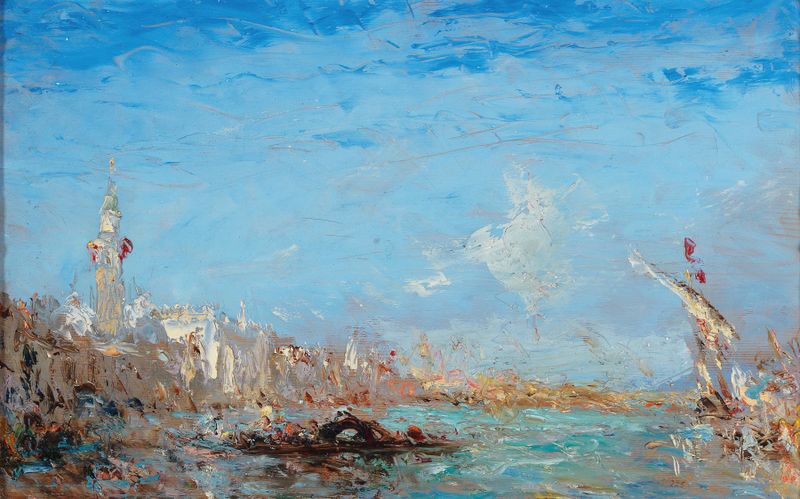
Canal Grande
Félix Ziem
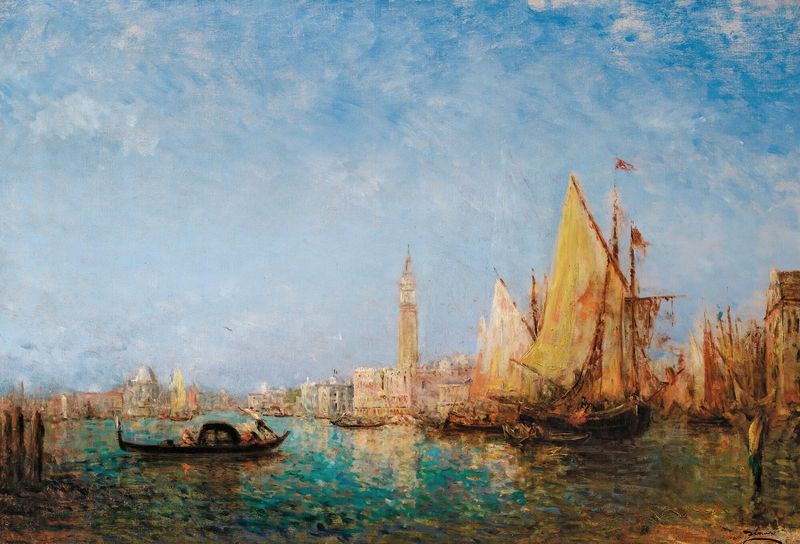
Le Palais Du Doge, Venise
Félix Ziem
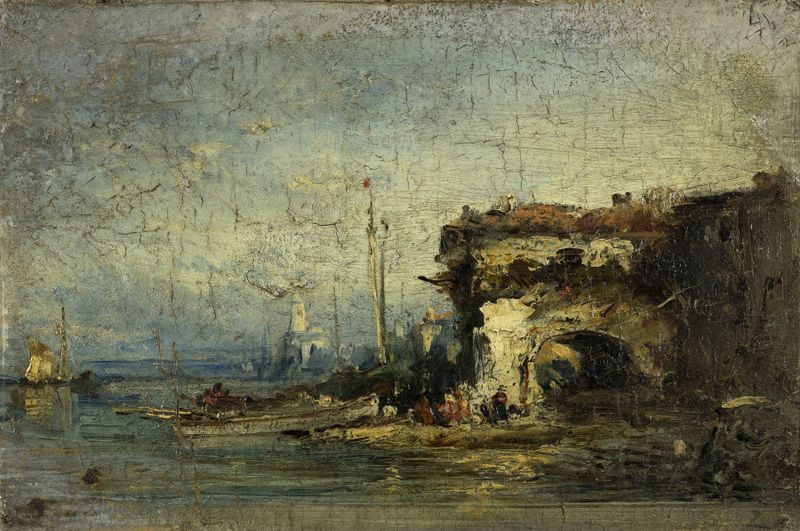
Vue d’Italie; la vieille porte
Félix Ziem
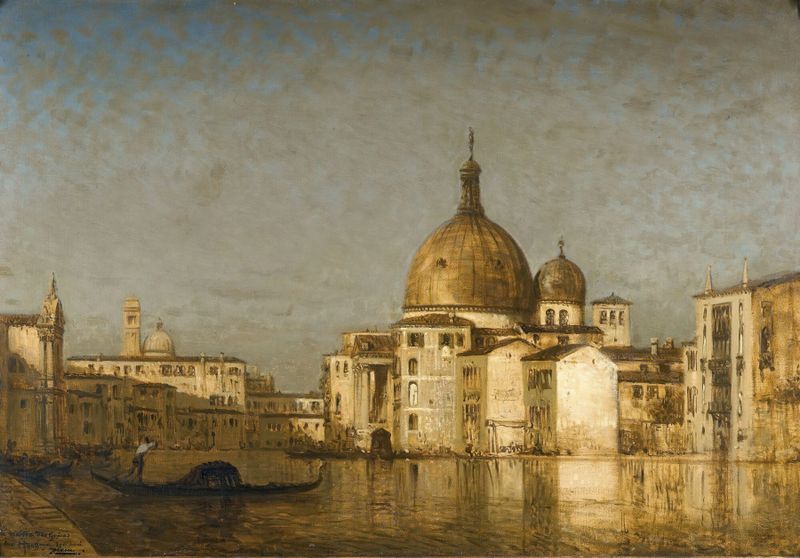
San Simeone Piccolo Au-Delà Du Grand Canal, Venis
Félix Ziem
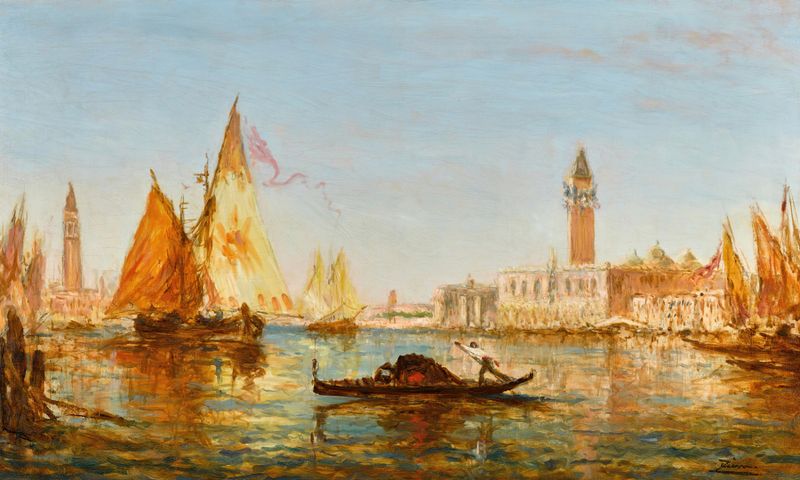
Venise, gondole et voiliers devant le Palais des doges et San Giorgio Maggiore
Félix Ziem





