
La meule de foin — History & Facts
When did color learn to lie? In La meule de foin, light dances across the canvas, infusing the serene countryside with an otherworldly glow, inviting us to question the nature of reality itself. Begin your exploration by looking to the left, where the vibrant strokes of golden yellows and earthy greens create a sunlit haystack that bursts with life. Notice the play of color as it shifts through the palette, each brushstroke layered with intention, evoking the warmth of a late summer’s afternoon. The thick, textured application of paint adds depth, almost beckoning you to feel the gentle breeze rustling through the fields. Yet beneath this idyllic surface lies a tension between nature and humanity's intrusion.
The haystack, monumental and almost divine in its presence, stands amid a backdrop of labor and toil. This juxtaposition prompts contemplation on the relationship between the raw beauty of the land and the industrious hands that shape it. Each hue invites reflection on the serenity of rural life, while the emotional undertones suggest a fleeting connection to something greater, perhaps even spiritual. Maximilien Luce painted this work in 1897, during a transformative period in Paris where Impressionism was evolving into Post-Impressionism.
He was a member of the Société des Artistes Indépendants and found inspiration in the merging of color and light. At this moment, he was balancing the influences of his contemporaries while also responding to the rapidly changing modern world, seeking solace in the pastoral scenes that defined the quieter rhythms of life amidst the chaos of urbanization.
More Artworks by Maximilien Luce
Browse all →
Le Quai Montebello Et La Colline Sainte-Geneviève
Maximilien Luce

Le Pont-Neuf, La Seine, Petit Bras
Maximilien Luce
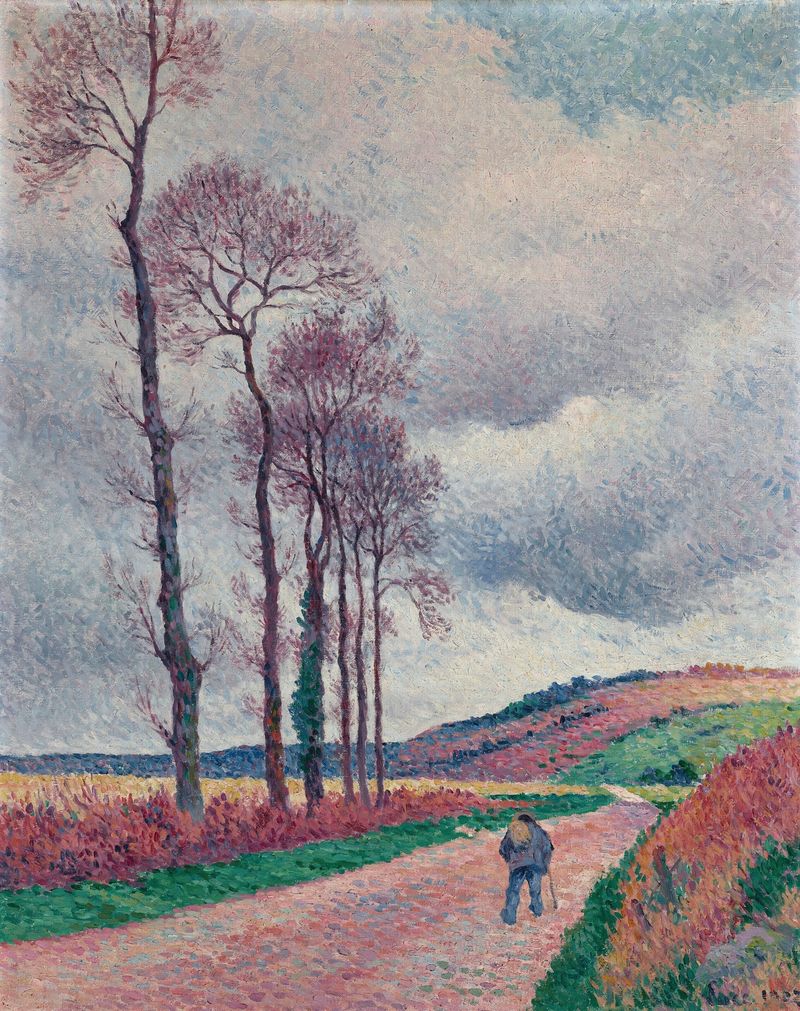
La route aux environs de Méréville
Maximilien Luce
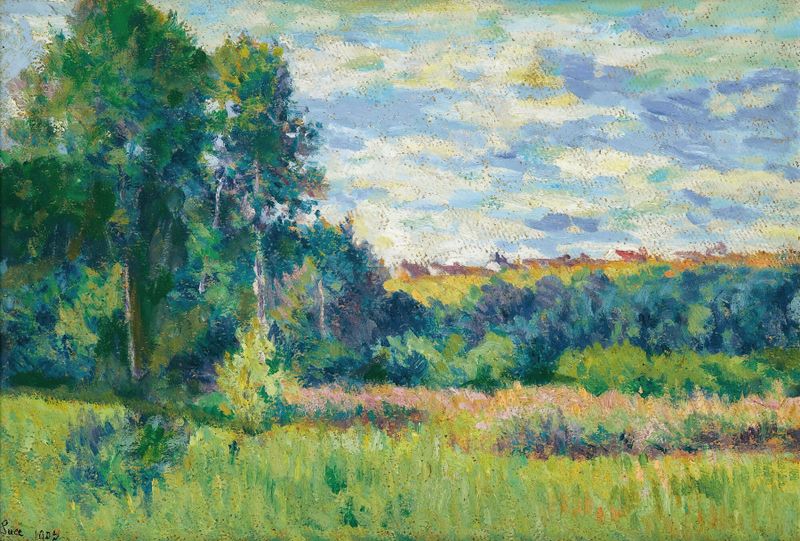
Paysage
Maximilien Luce
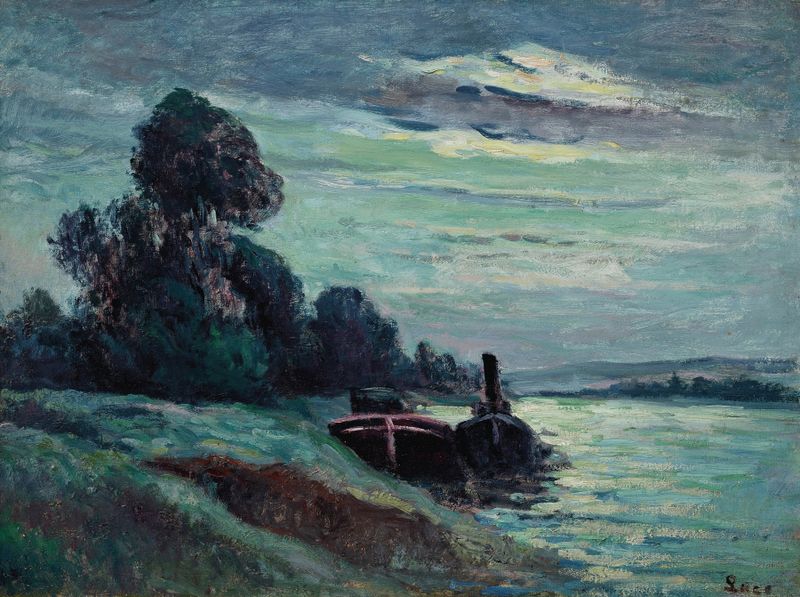
Péniches sur la Seine
Maximilien Luce

Notre Dame de Paris
Maximilien Luce
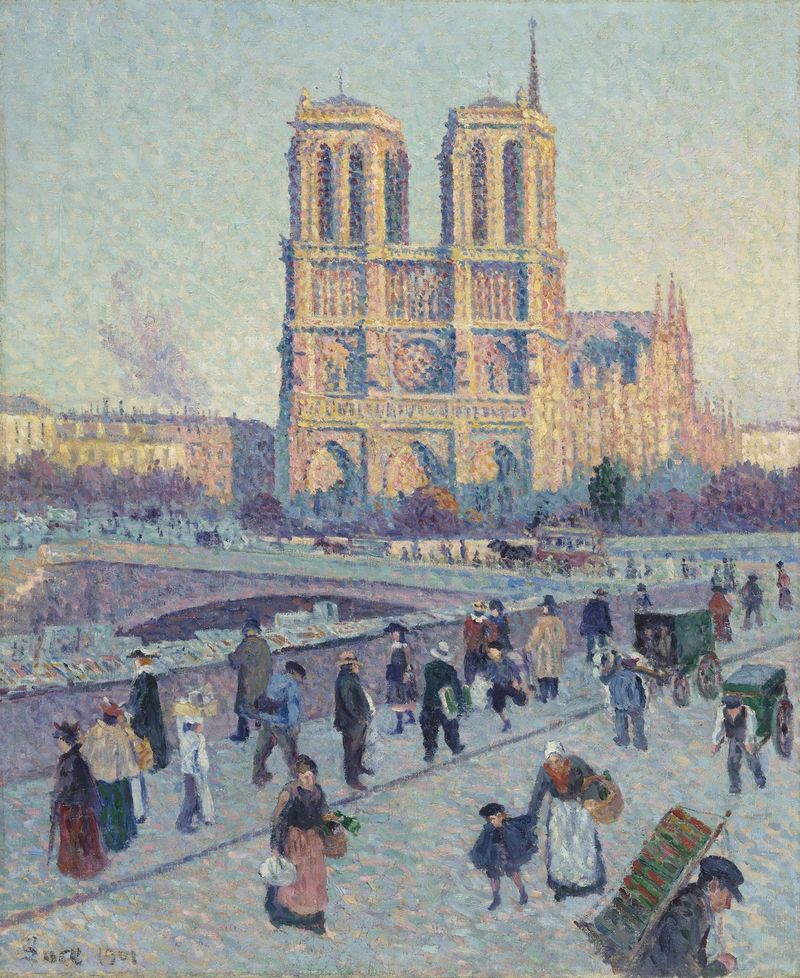
The Quai Saint-Michel and Notre-Dame
Maximilien Luce

La Seine au Pont Mirabeau
Maximilien Luce
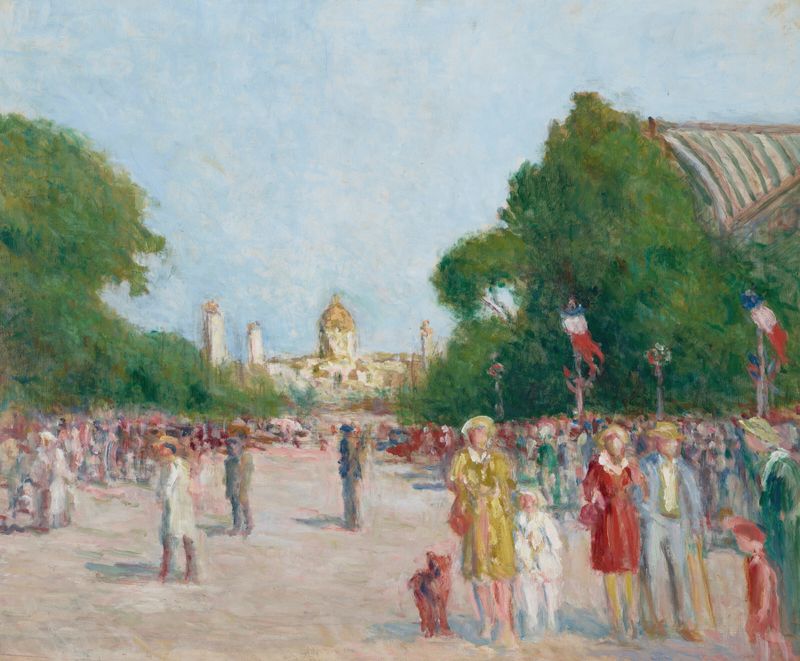
L’avenue Winston-Churchill, Paris
Maximilien Luce

Paris, Le Quartier De Vaugirard
Maximilien Luce





