
La Moisson — History & Facts
In La Moisson, the landscape pulses with a longing that transcends time, an echo of desire interwoven within the golden fields. Begin your exploration by focusing on the vibrant yellows and earthy browns that dominate the canvas. Notice how the artist has layered these colors, creating a textured horizon that vibrates under the sun. To the left, the figures of laborers bend and stretch, their bodies forming a rhythmic dance with the land, while the distant trees frame the scene, grounding it in a sense of place.
The sunlight spills across the field, illuminating the laborers’ toil, inviting you to feel their connection to the earth. Hidden within this pastoral setting is a poignant tension between struggle and fulfillment. The laborers' diligent work symbolizes a deep yearning not just for harvest, but for a sense of belonging and purpose. Each figure, framed against the sweeping expanse of nature, reflects a universal desire for connection — to both the land and one another.
The contrast between the vibrant colors and the grave expressions hints at a bittersweet relationship with the labor that sustains them. During the time La Moisson was painted, Gustave De Smet was immersed in the Belgian avant-garde movement, influenced by Impressionism and expressionist themes. This period, marked by a search for authenticity and emotional depth in art, mirrored his own journey. The work embodies a moment in his career when he was exploring rural life, capturing not just a scene, but an essence — a vivid portrayal of human desire intertwined with nature’s bounty.
More Artworks by Gustave De Smet
Browse all →
Landscape
Gustave De Smet
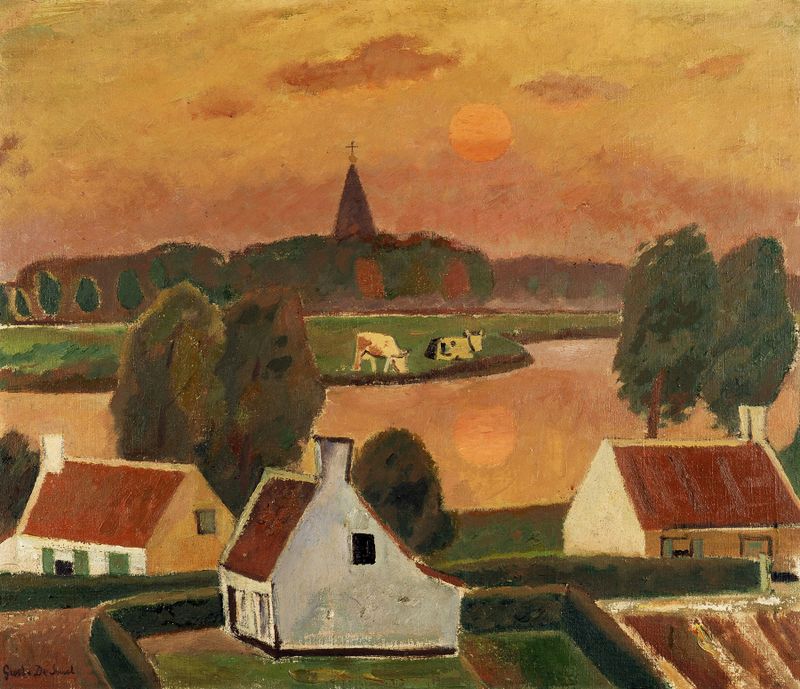
Dorpsgezicht
Gustave De Smet
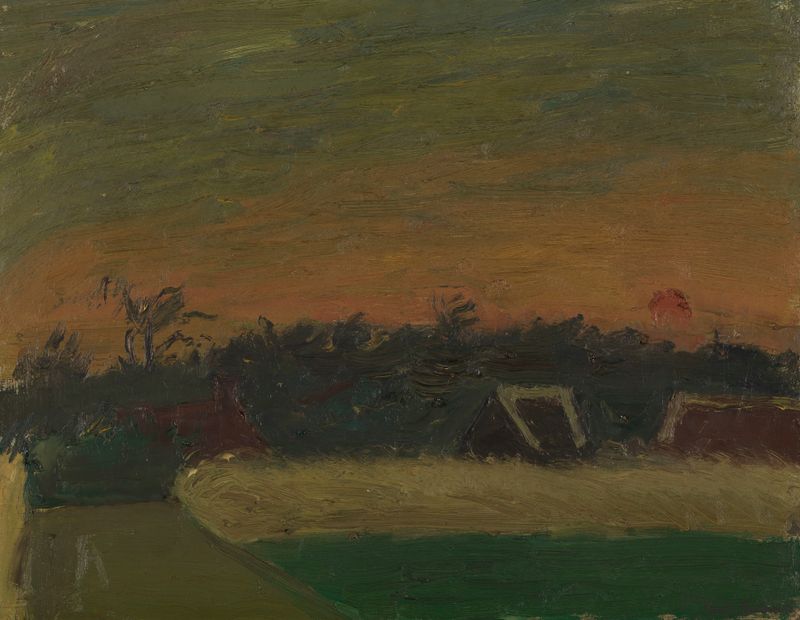
Sunset
Gustave De Smet

Fair in Deurle (Sint-Martens-Latem)
Gustave De Smet
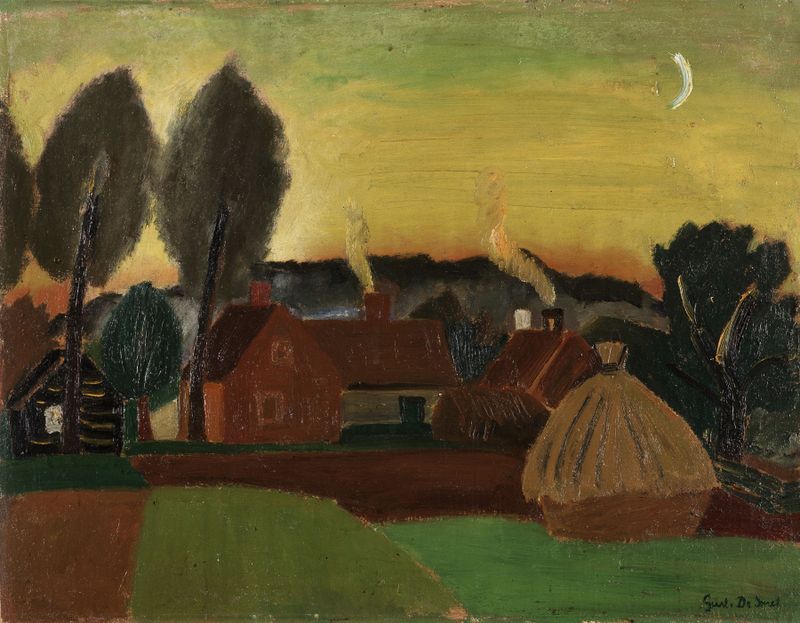
Landscape in the Evening
Gustave De Smet
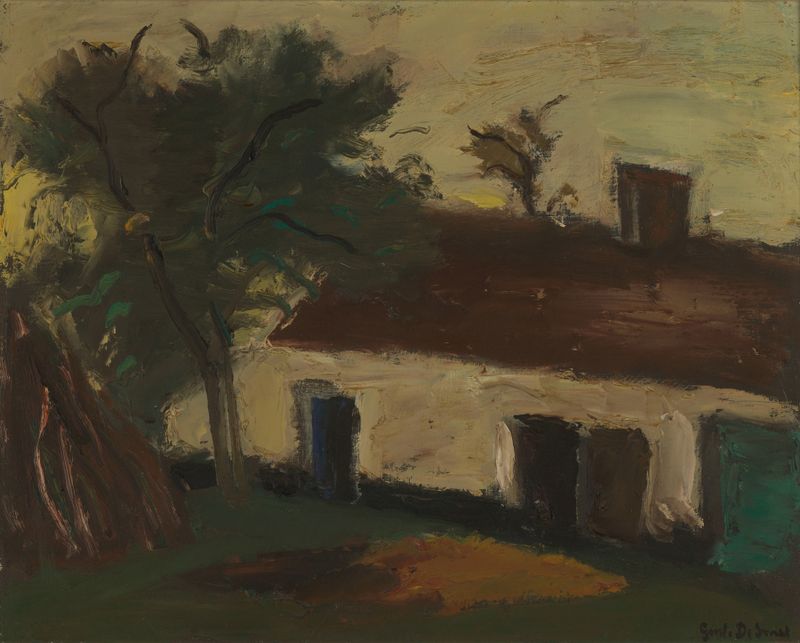
Stable
Gustave De Smet
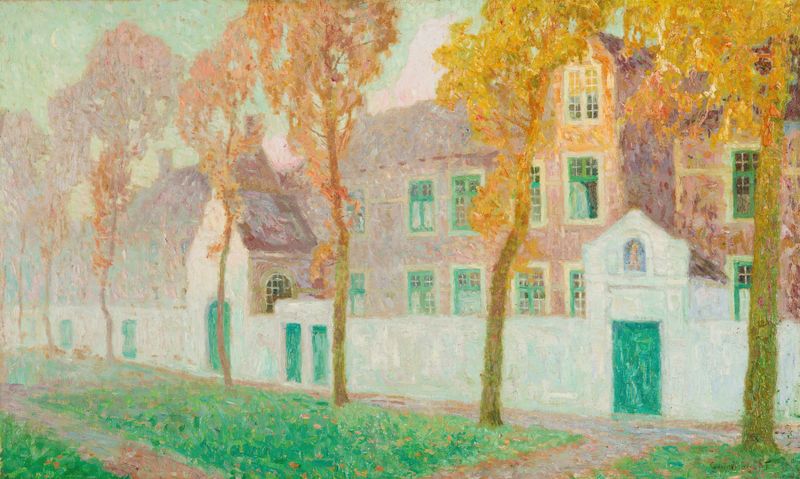
Le Béguinage À Bruges
Gustave De Smet

Oies Dans Un Jardin Avec Deux Enfants
Gustave De Smet
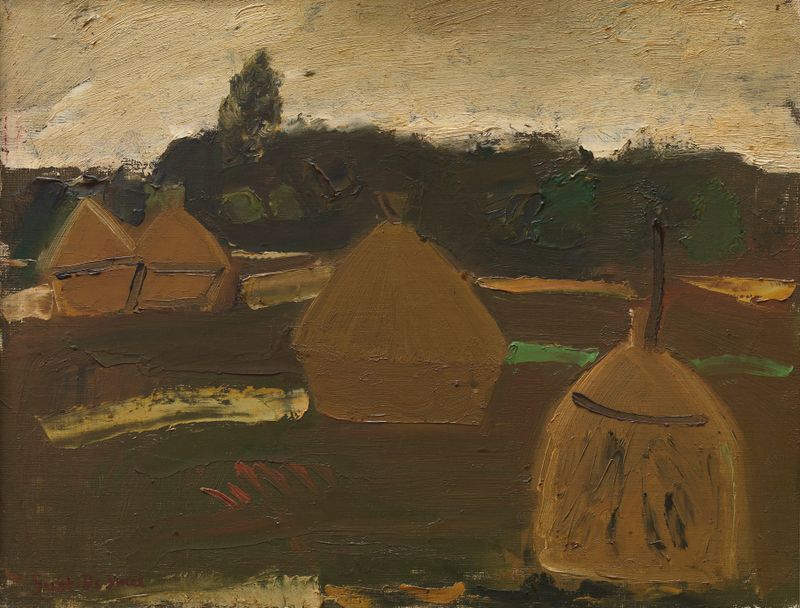
Haystacks
Gustave De Smet
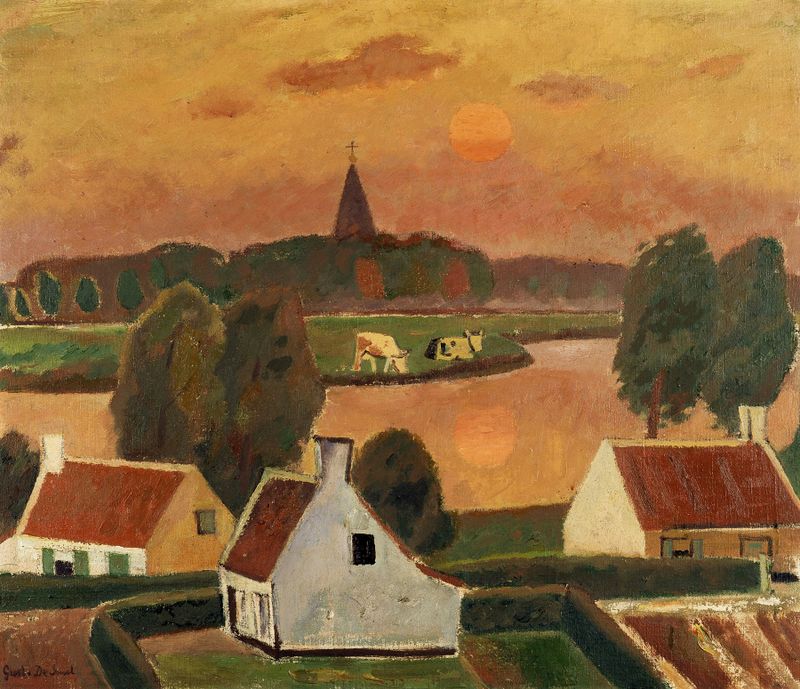
View of a Village
Gustave De Smet





