Stable — History & Facts
In the silence of creation lies the promise of rebirth, a transformative power resonating through every brushstroke and hue. Look to the left at the stark, earthy tones of the stable, each layer of paint meticulously applied, revealing the textures of wood and hay. The warm browns and muted greens create a sense of groundedness, inviting you into a world that feels both familiar and untouched. Notice how the light spills through the opening, illuminating the shadows that dance on the walls—a subtle reminder of life thriving even in the stillness of the stable. Hidden within the composition are echoes of resilience and renewal.
The positioning of the animals, calm yet alert, speaks to a balance between serenity and tension, suggesting an undercurrent of hope. The viewer senses not merely a scene of pastoral life, but a poignant reflection on cyclical existence, where every end can lead to a new beginning. The artist infuses this simplicity with profound layers of meaning; the stable becomes a metaphor for the nurturing of new life amid uncertainty. In 1939, while creating this work, the artist navigated a world on the brink of turmoil, with the shadows of war looming over Europe.
Living in Belgium during this turbulent time, he sought solace in the authenticity of rural life, channeling his experiences into a vision of tranquility and renewal. This piece stands as a testament to both personal and collective rebirth in the face of chaos, skillfully capturing a moment suspended in time.
More Artworks by Gustave De Smet
Browse all →
Landscape
Gustave De Smet
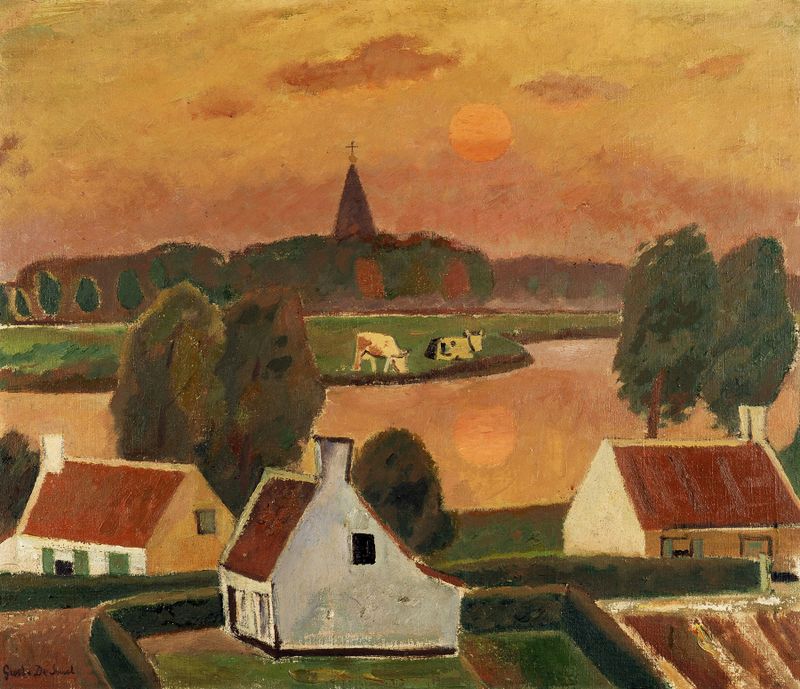
Dorpsgezicht
Gustave De Smet
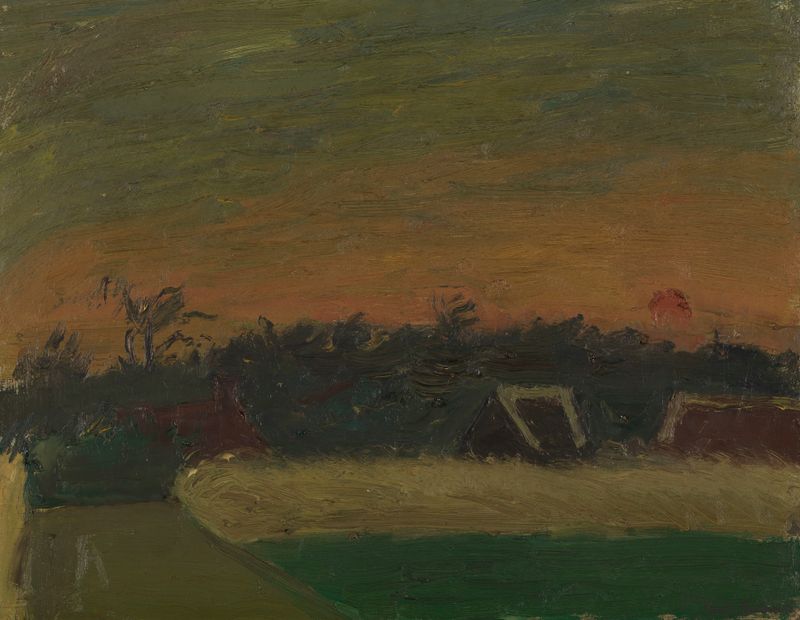
Sunset
Gustave De Smet

Fair in Deurle (Sint-Martens-Latem)
Gustave De Smet
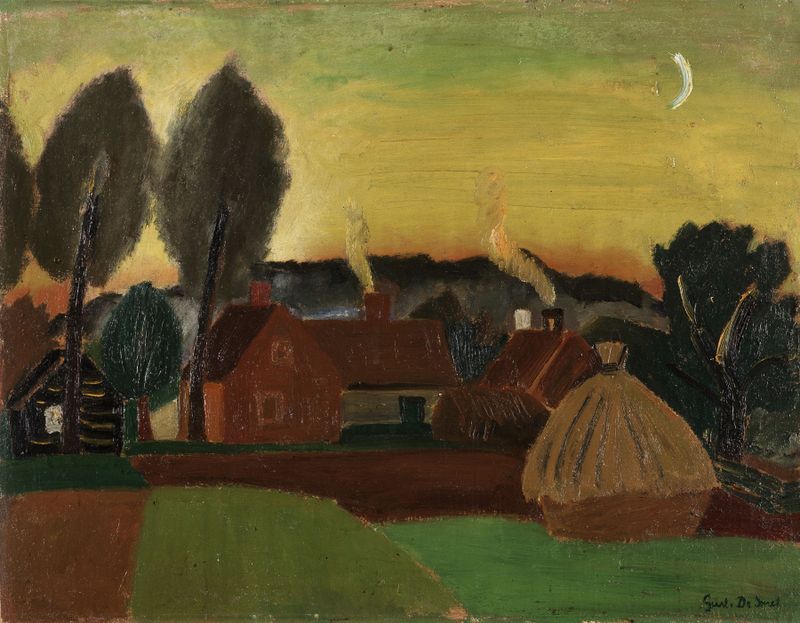
Landscape in the Evening
Gustave De Smet
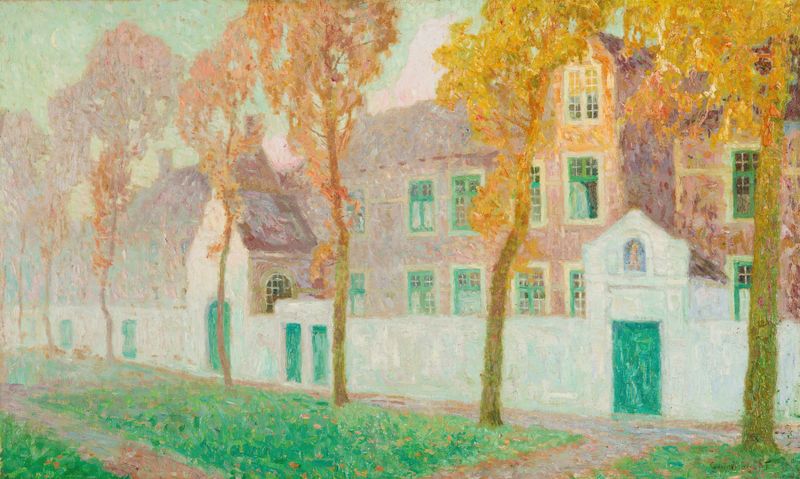
Le Béguinage À Bruges
Gustave De Smet

Oies Dans Un Jardin Avec Deux Enfants
Gustave De Smet
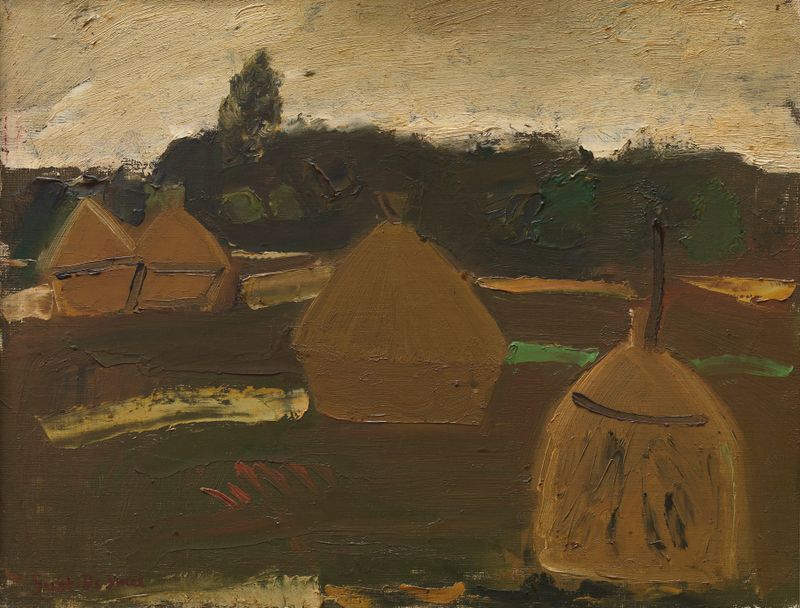
Haystacks
Gustave De Smet
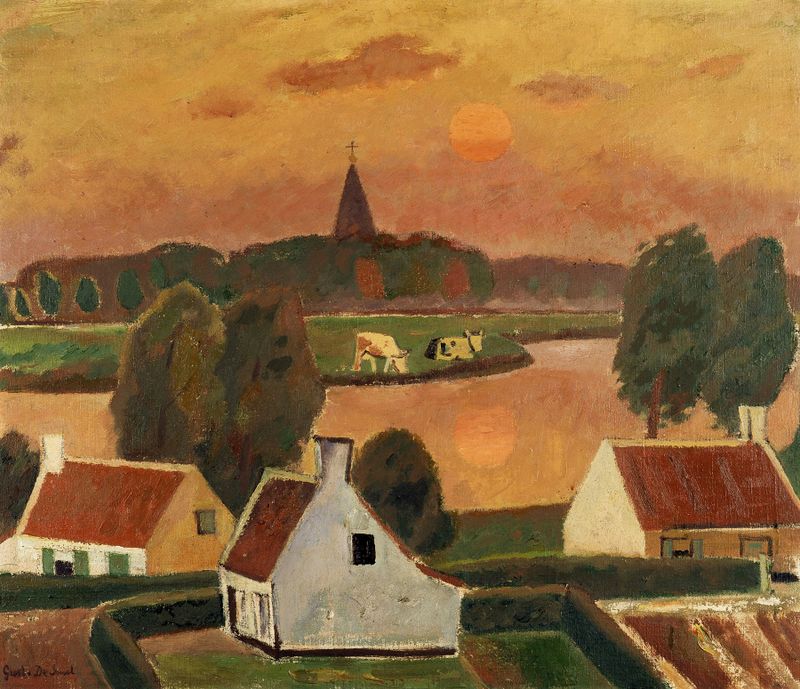
View of a Village
Gustave De Smet

La Moisson
Gustave De Smet