
Landscape — History & Facts
Can paint confess what words never could? In the ethereal strokes of Landscape, a whisper of hope lingers in the air, urging us to delve deeper into its serene beauty. Look to the horizon, where soft hues of green and gold blend seamlessly, leading the eye through a gentle undulation of rolling hills. The sky, a vast expanse of muted blues and grays, cradles the earth below, while wisps of clouds dance lightly, suggesting a fleeting moment of tranquility. Notice how the brushwork evokes both softness and strength, with the textured strokes revealing the artist’s intimate connection to the landscape, creating a rhythm that pulses through the viewer’s heart. Within the simplicity of this scene lies a profound contrast between light and shadow, symbolizing the delicate balance of hope amidst uncertainty.
The vibrant patches of color pop against the muted backdrop, reflecting the resilience of nature and the human spirit alike. Here, the landscape is not merely a setting; it becomes a character itself, embodying the emotional complexities of longing and renewal. Created in 1940, Landscape marked a pivotal moment for Gustave De Smet, as Europe faced the turmoil of war. Painted in Belgium, it reflects not only his mastery of color and form but also his personal quest for solace amid chaos.
During this time, De Smet was navigating his own artistic identity, striving to capture the essence of his surroundings while grappling with societal upheaval.
More Artworks by Gustave De Smet
Browse all →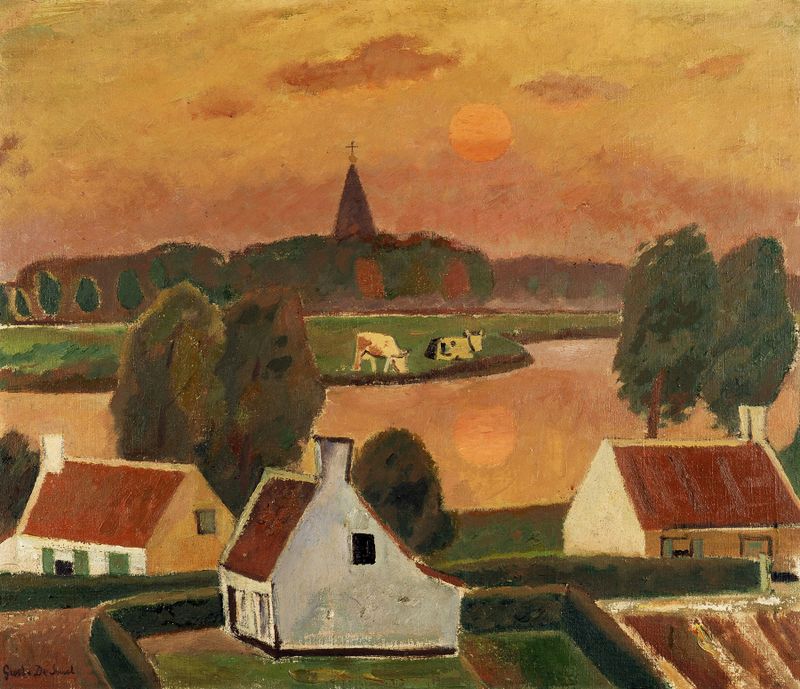
Dorpsgezicht
Gustave De Smet
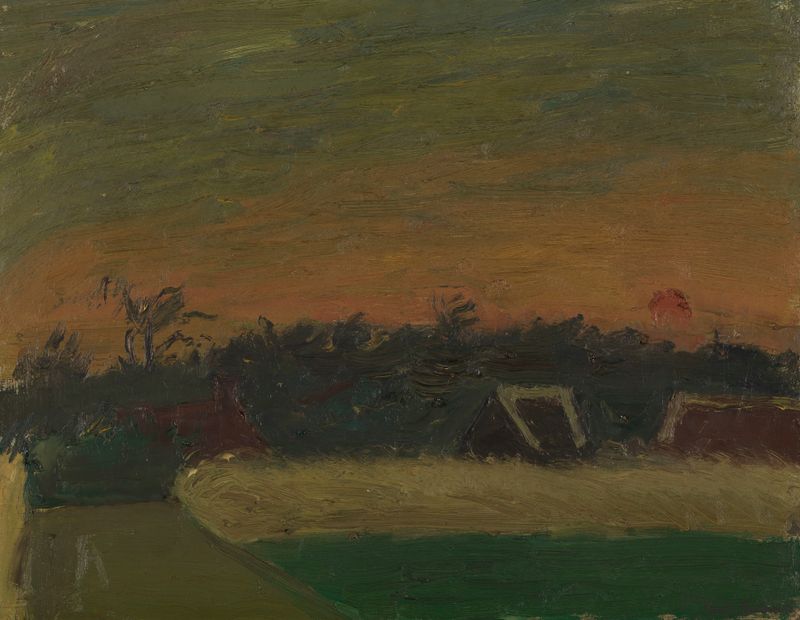
Sunset
Gustave De Smet

Fair in Deurle (Sint-Martens-Latem)
Gustave De Smet
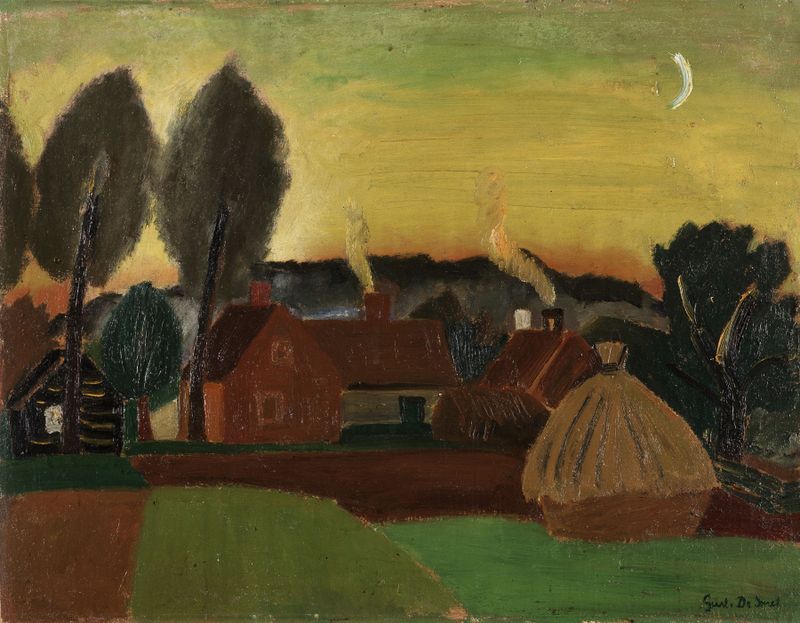
Landscape in the Evening
Gustave De Smet
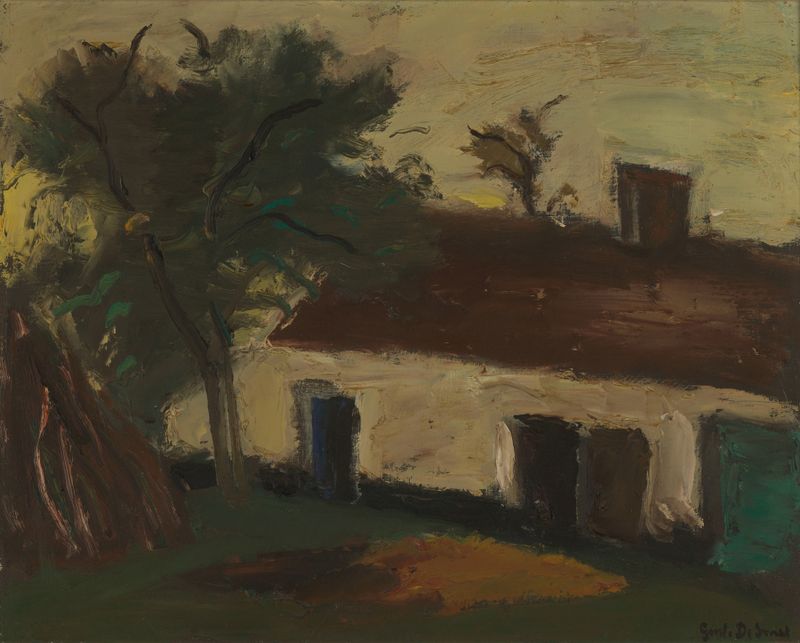
Stable
Gustave De Smet
Le Béguinage À Bruges
Gustave De Smet

Oies Dans Un Jardin Avec Deux Enfants
Gustave De Smet
Haystacks
Gustave De Smet
View of a Village
Gustave De Smet

La Moisson
Gustave De Smet





