
La Musée; Fontaine St. Marie; Le Théâtre des Arts — History & Facts
What if silence could speak through light? In the quietude of La Musée; Fontaine St. Marie; Le Théâtre des Arts, an ethereal stillness captures the viewer, compelling a deeper contemplation of obsession and artistry. Look to the center where the brilliant white of the museum façade dominates, its neoclassical columns standing stark against a subdued sky. The meticulous brushwork reveals a delicate interplay of shadow and light, inviting you to trace the contours of the building.
Notice how muted colors wrap around the scene, blending greens and blues into a harmonious backdrop that enhances the architectural grandeur. The almost ghostly figures meandering in the foreground evoke a sense of fleeting time, as if they are mere echoes of the space itself. Beneath the surface of this tranquil setting lies a tension between the reverence for art and the isolation of the observer. Each figure appears lost in thought, absorbed by the monumental beauty surrounding them.
The contrast between the vibrant life of the museum's exterior and the introspective demeanor of its visitors speaks to a duality: the allure of art is irresistible, yet it can also be profoundly alienating. This exploration of obsession reveals how the pursuit of beauty can lead to a silent, yet profound, dialogue within oneself. In 1896, Lepère painted this piece during a period of vibrant artistic exploration in France. The late 19th century heralded the rise of Impressionism and a renewed appreciation for urban landscapes.
As he integrated these movements into his work, he straddled the line between traditional representation and modern abstraction, reflecting the shifting tides in both his personal journey and the broader world of art.
More Artworks by Auguste Louis Lepère
Browse all →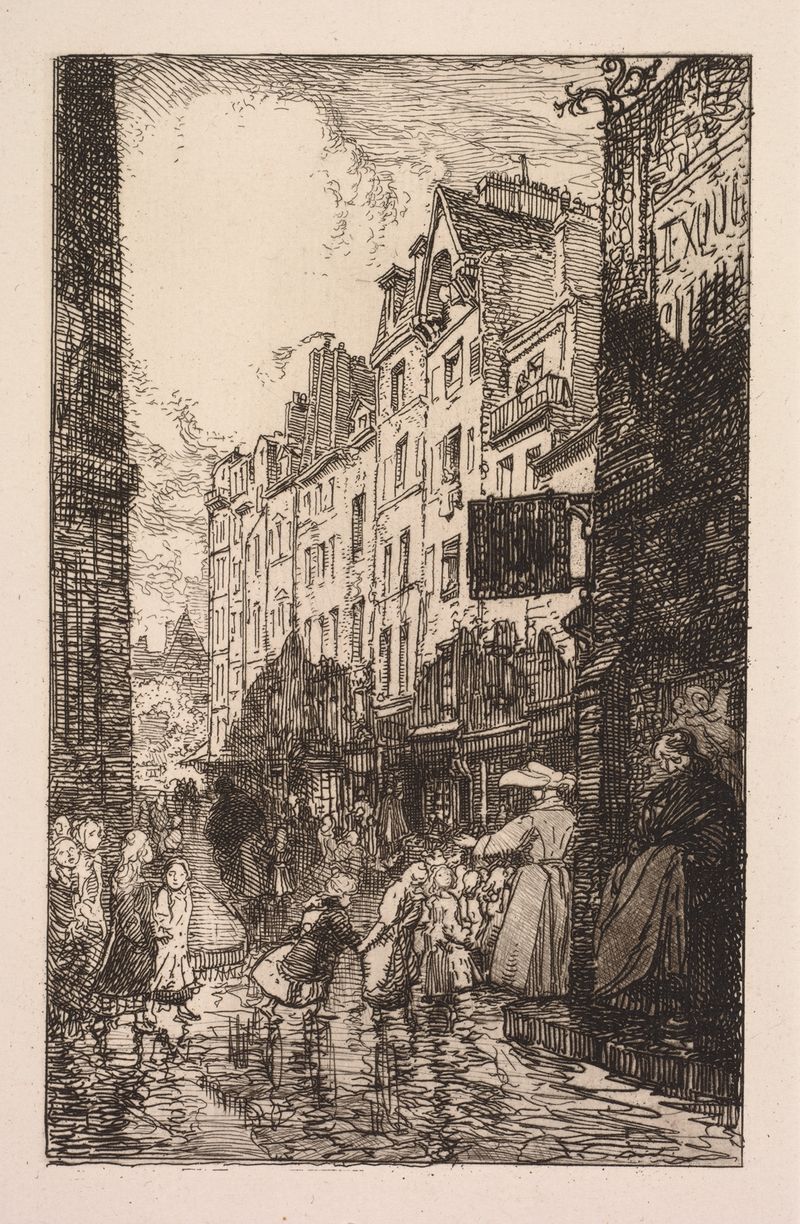
La Rue des Prêtres Saint-Séverin
Auguste Louis Lepère
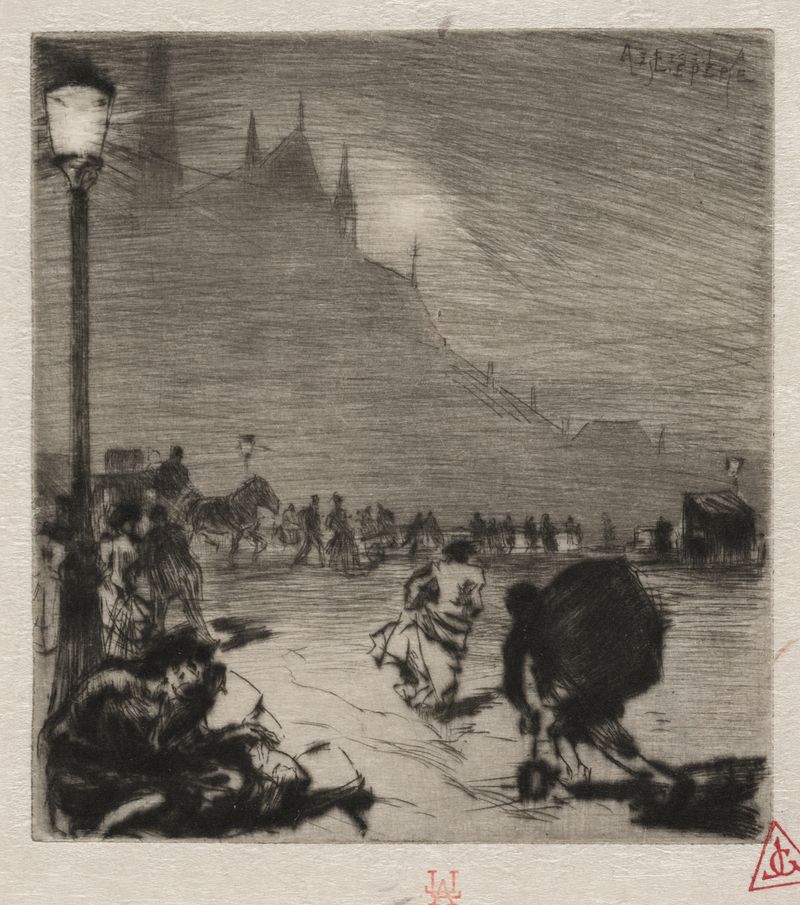
Au Coin du Pont-aux-Doubles
Auguste Louis Lepère
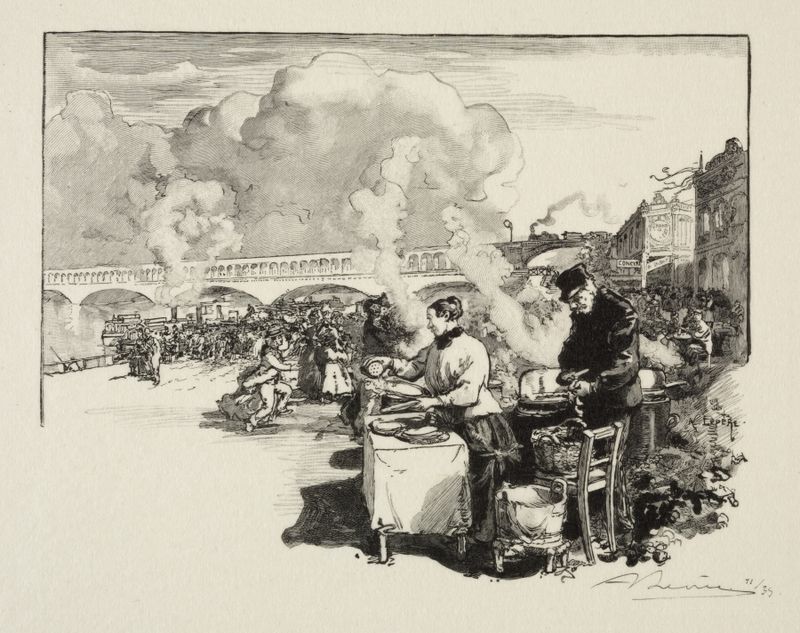
Debarcadère des bateaux-omnibus
Auguste Louis Lepère

La Seine, au quai de la Rapée
Auguste Louis Lepère
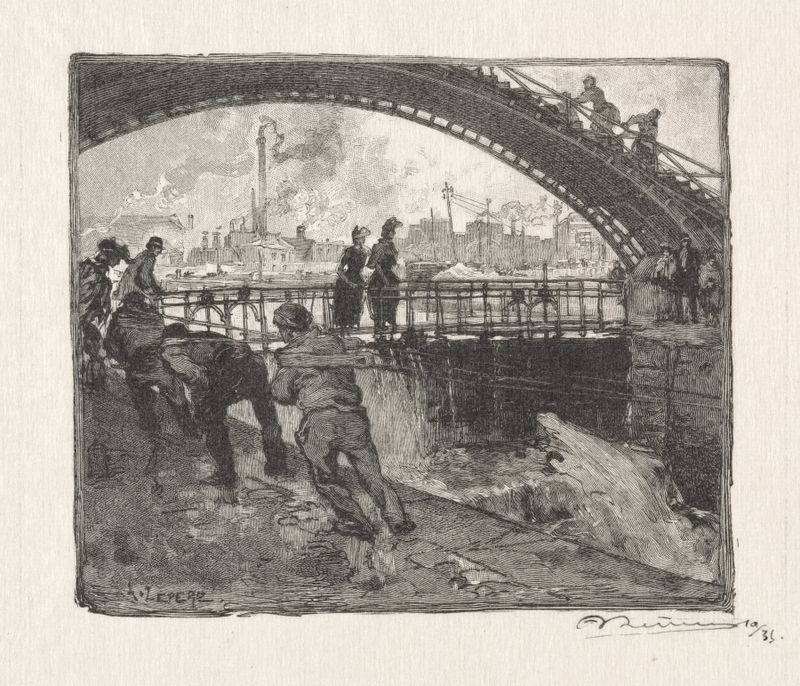
L’Ecluse du Canal St. Martin
Auguste Louis Lepère

Le Boulevard Montmartre, le Soir
Auguste Louis Lepère

Une Chasse au Mont Gérard
Auguste Louis Lepère
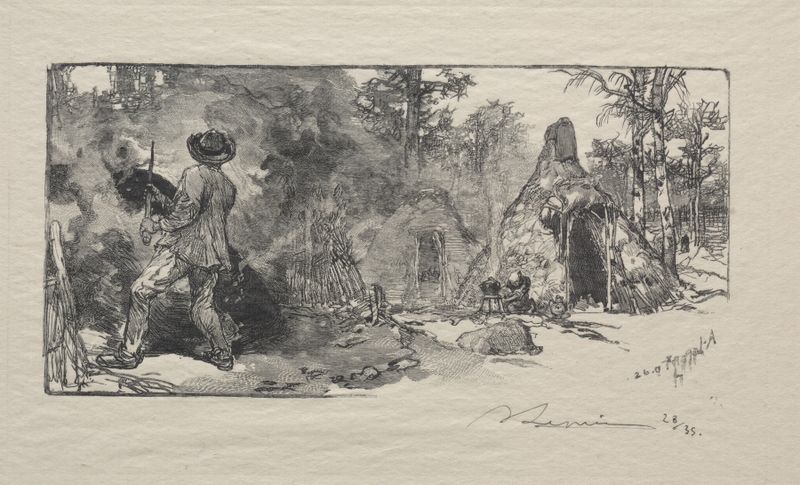
Les Charbonniere
Auguste Louis Lepère
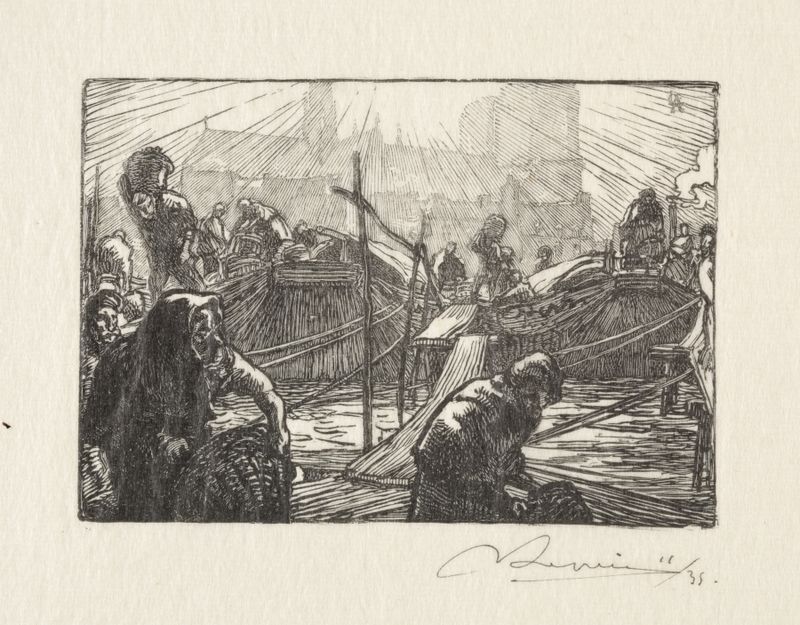
Notre Dame vue du Marché aux pommes
Auguste Louis Lepère

Le Palais des Arts Liberaux, Intèrieur
Auguste Louis Lepère
More Architecture Art
Browse all →
The statue of Liberty
Frédéric Auguste Bartholdi

View of Houses in Delft, Known as ‘The Little Street’
Johannes Vermeer

View of Houses in Delft, Known as ‘The Little Street’
Johannes Vermeer

The Cathedral in Rouen. The portal, Grey Weather
Claude Monet

The yellow house
Vincent van Gogh

The Church in Auvers-sur-Oise, View from the Chevet
Vincent van Gogh