
La plage vue à travers les eucalyptus — History & Facts
When did color learn to lie? The stillness of the canvas whispers this question, inviting us to explore the depths of perception and the secrets of silence. Look to the left at the vibrant blue waves, a serene embrace between sea and shore, outlined by the soft golden sands. The eucalyptus trees stand sentinel, their muted greens and earthy browns creating a contrast to the vivid hues of the beach. Notice how the brushstrokes evoke a gentle breeze, offering movement amid the tranquility, as light filters through the leaves, dappling the ground with patches of shadow and sun. Beneath the surface, the artwork pulsates with emotional tension.
The juxtaposition of the lively coastal scene against the quiet strength of the trees suggests a dichotomy between nature's vibrance and its stillness. Each stroke conveys a sense of solitude, as if the viewer is caught in a moment that balances between lively joy and reflective silence. The colors, though expressive, reveal a deeper longing, a yearning for connection beneath the facade of a picturesque day. In 1923, Marquet painted this piece in France, amidst a period when artists were beginning to explore modernist approaches, breaking away from traditional constraints.
As a member of the Fauvist movement, he embraced bold color and brushwork, which were revolutionary at the time. This work reflects Marquet’s ongoing fascination with landscape and light, as he sought to capture the essence of his surroundings in a world that was rapidly changing both artistically and socially.
More Artworks by Albert Marquet
Browse all →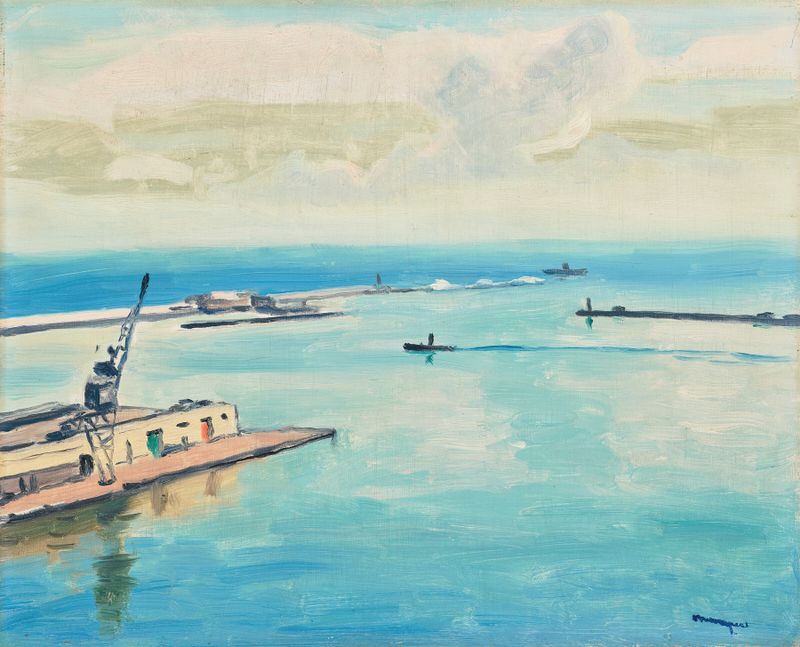
Le Port d’Alger
Albert Marquet
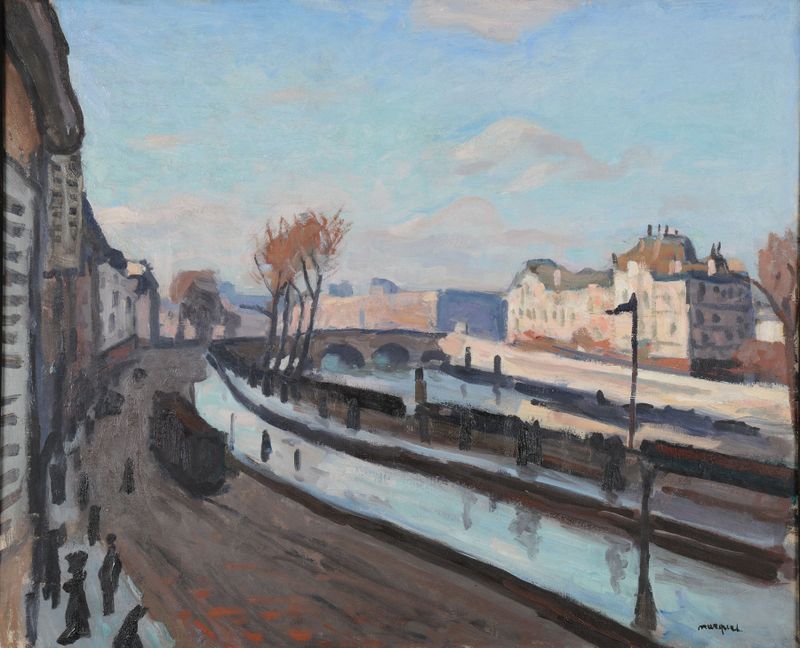
Le quai des Grands Augustins
Albert Marquet
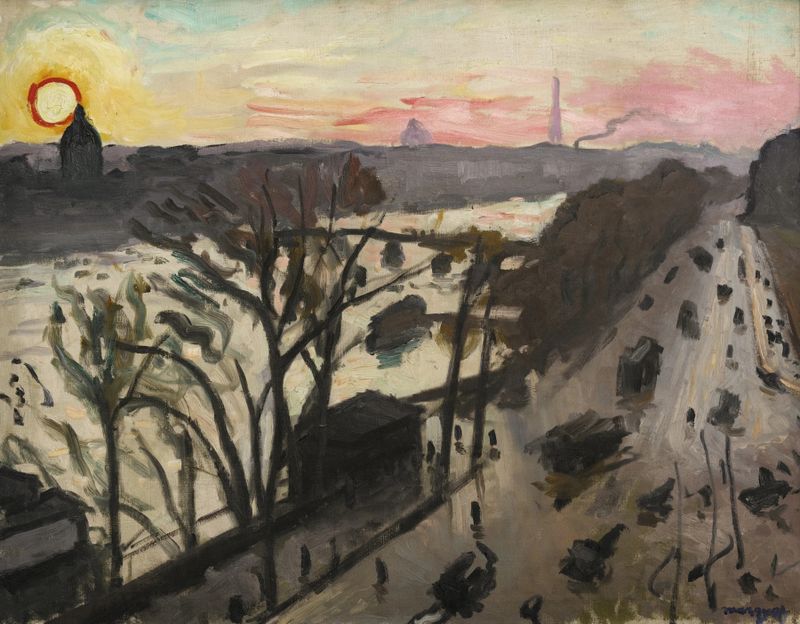
Paris, quai du Louvre, soleil d’hiver
Albert Marquet
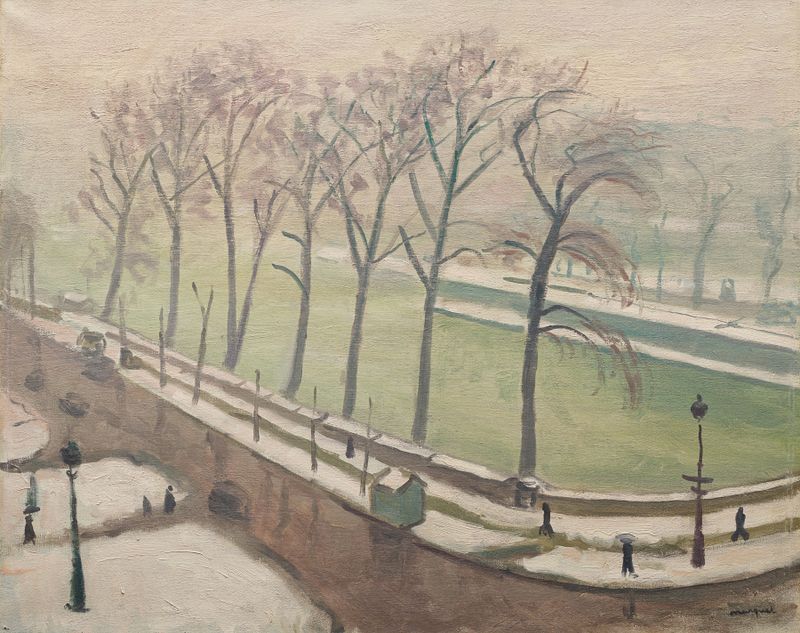
Pont-Neuf sous la neige
Albert Marquet
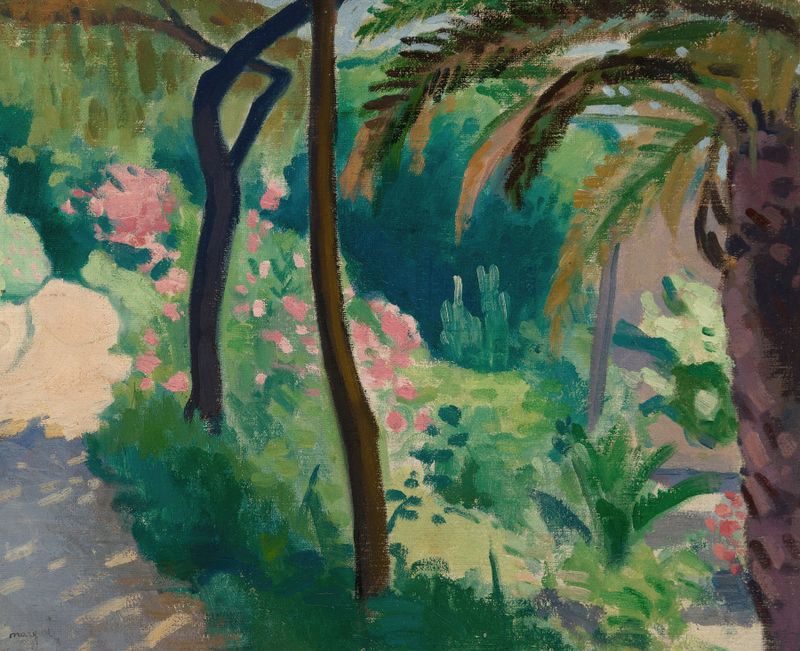
Le jardin à l’Estaque
Albert Marquet
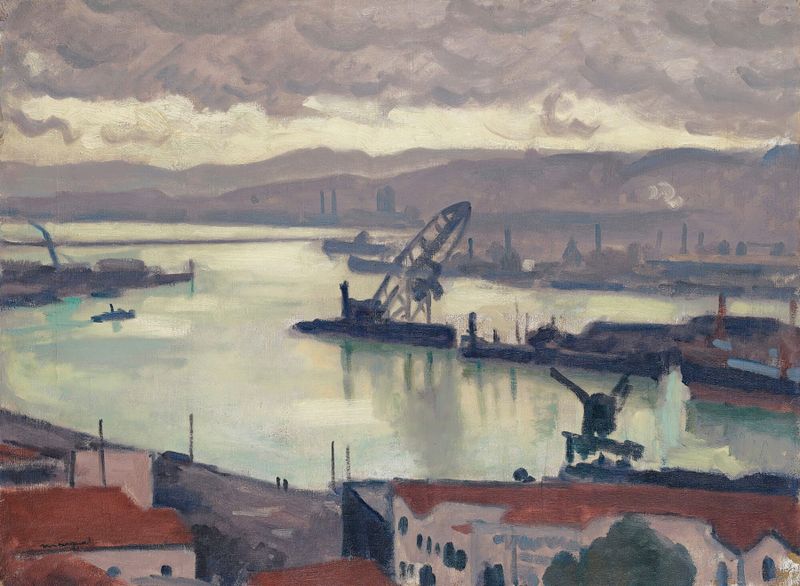
Alger, Temps Gris
Albert Marquet
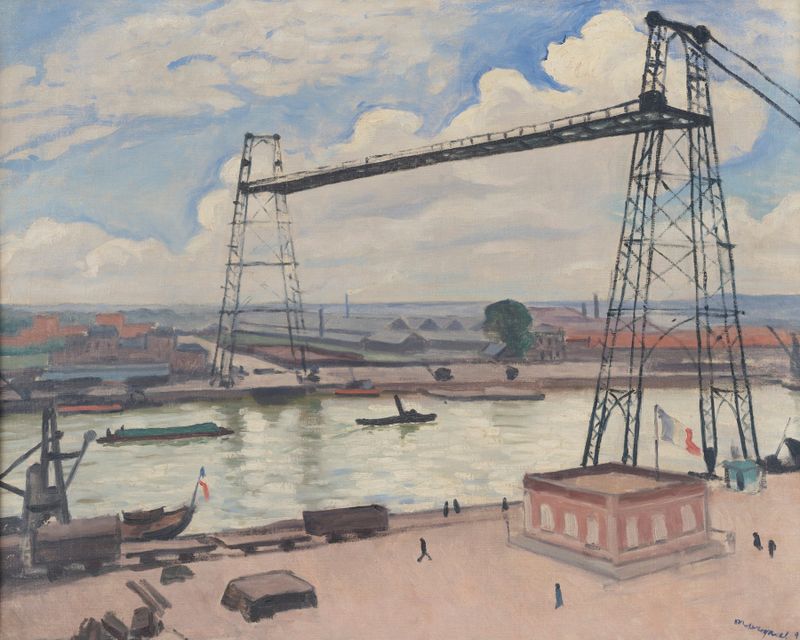
Rouen, le pont transbordeur
Albert Marquet
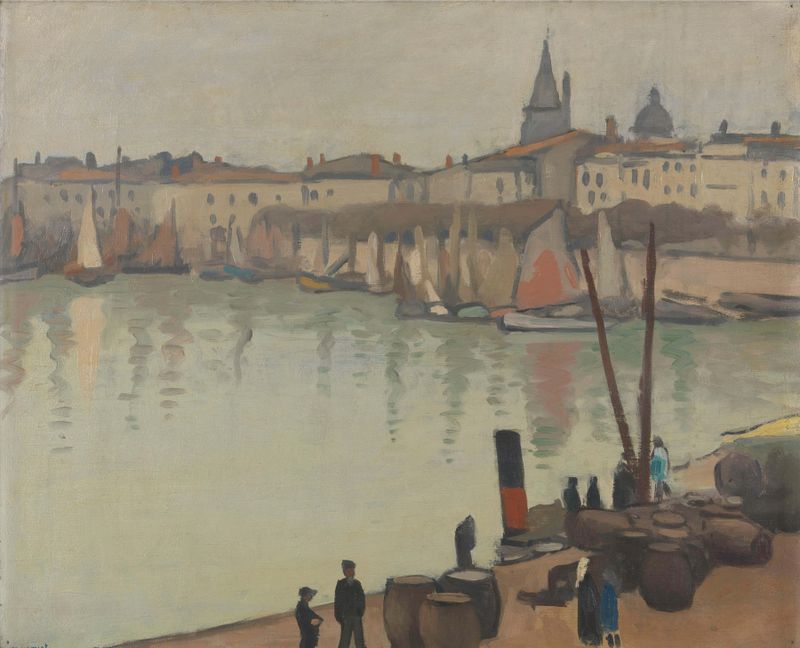
Port of La Rochelle
Albert Marquet

Berge de la Seine à Méricourt
Albert Marquet
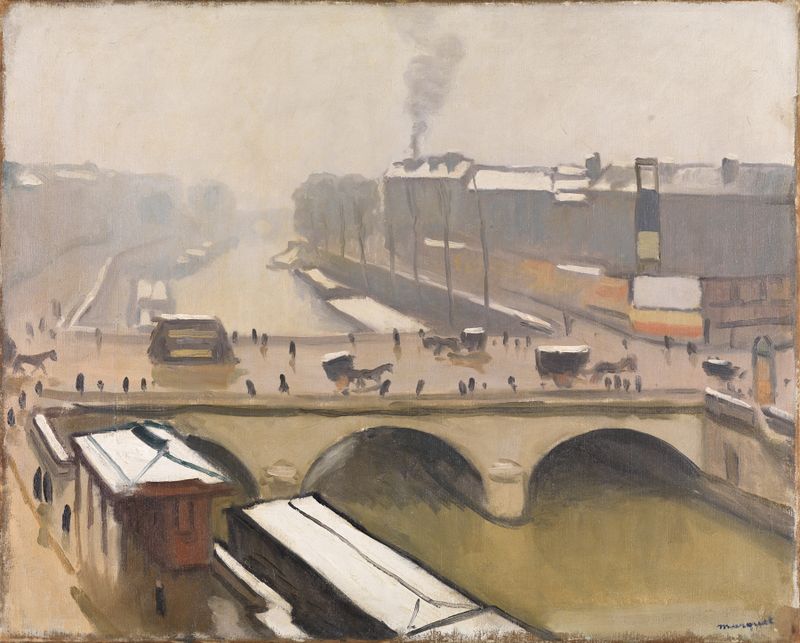
View of the Pont Saint-Michel in Paris
Albert Marquet





