
La Route de la Houssoye — History & Facts
What secret hides in the quiet of the canvas? The stillness of La Route de la Houssoye belies an undercurrent of tension, as if violence whispers just beneath the surface of the peaceful rural scene. Look to the foreground, where the winding path cuts through the landscape, leading your gaze into the embrace of nature. Notice how shades of green and brown intertwine; the brushwork is textured yet deliberate, suggesting movement and life. The gentle dappled light filters through the leaves, casting an ethereal glow that contrasts with the heavy shadows lurking at the edges, hinting at a world beyond this idyllic view. Within this serene landscape lies a duality.
The vibrant hues evoke the beauty of the countryside, yet the encroaching darkness invites contemplation of isolation and the fragility of this tranquility. The brushstrokes, though soft, hold an almost frenetic energy, as if the artist captures not only a place but the potential for chaos lurking beneath the surface. The tension between calm and conflict becomes palpable, making the viewer ponder what lies hidden beyond the serene façade. In 1913, Lepère painted this work during a time when European art was grappling with modernity, moving away from traditional forms.
Living in France, he was influenced by the shifting dynamics of society and the impending turbulence of World War I. His work reflects an internal struggle to capture beauty while acknowledging the darker realities of the world around him, a poignant commentary that resonates even today.
More Artworks by Auguste Louis Lepère
Browse all →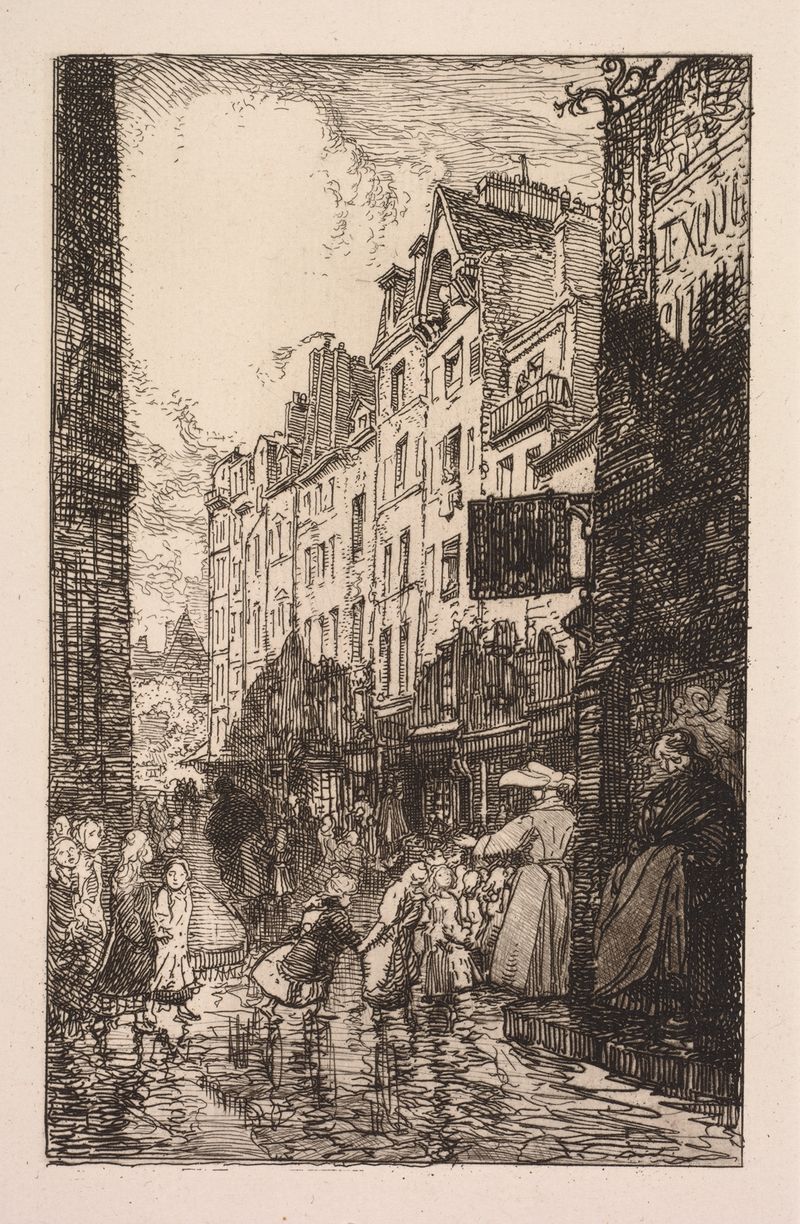
La Rue des Prêtres Saint-Séverin
Auguste Louis Lepère
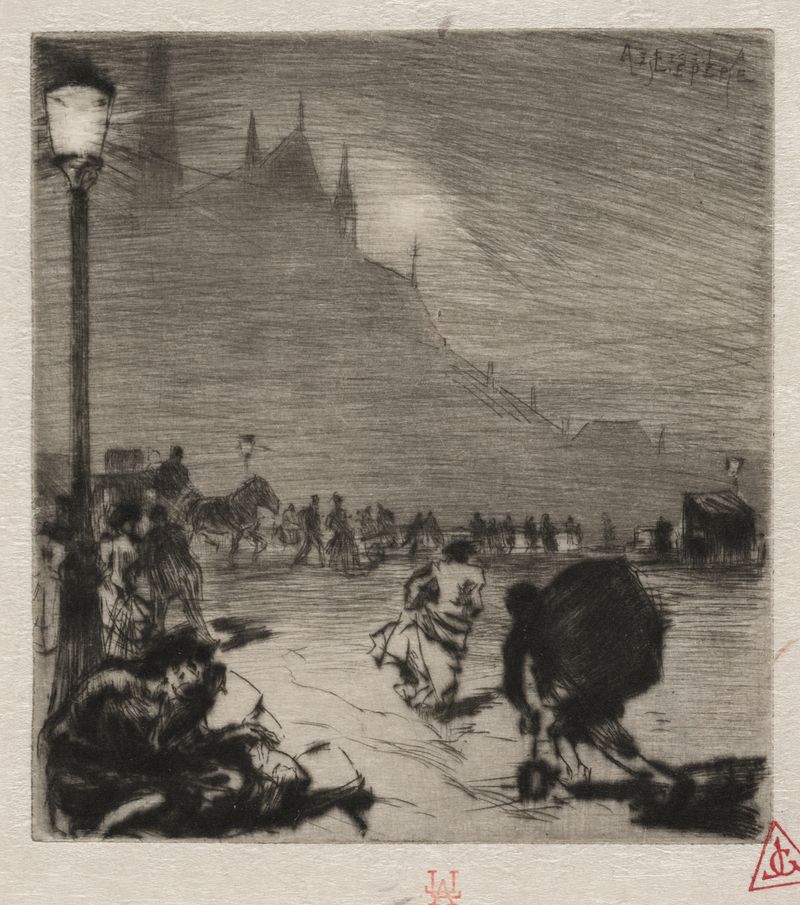
Au Coin du Pont-aux-Doubles
Auguste Louis Lepère
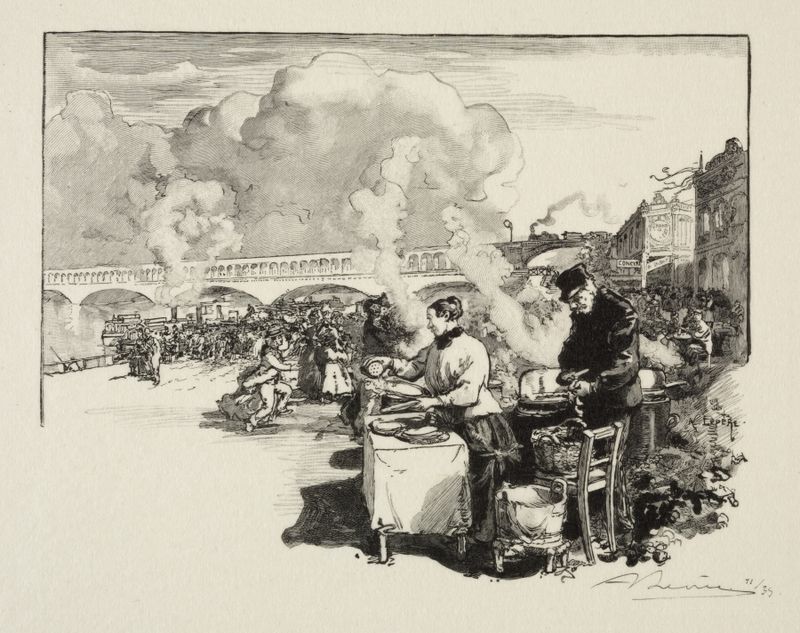
Debarcadère des bateaux-omnibus
Auguste Louis Lepère

La Seine, au quai de la Rapée
Auguste Louis Lepère
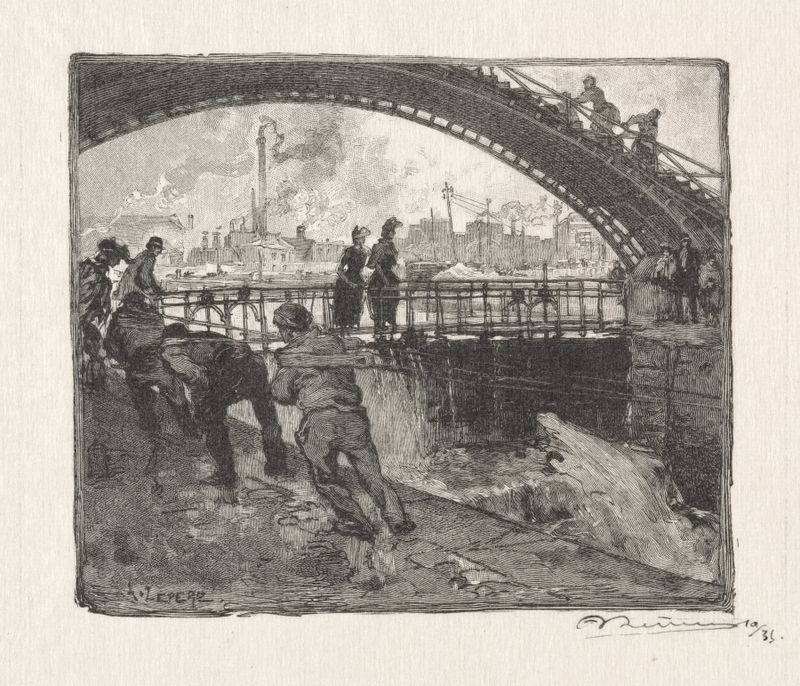
L’Ecluse du Canal St. Martin
Auguste Louis Lepère

Le Boulevard Montmartre, le Soir
Auguste Louis Lepère

Une Chasse au Mont Gérard
Auguste Louis Lepère
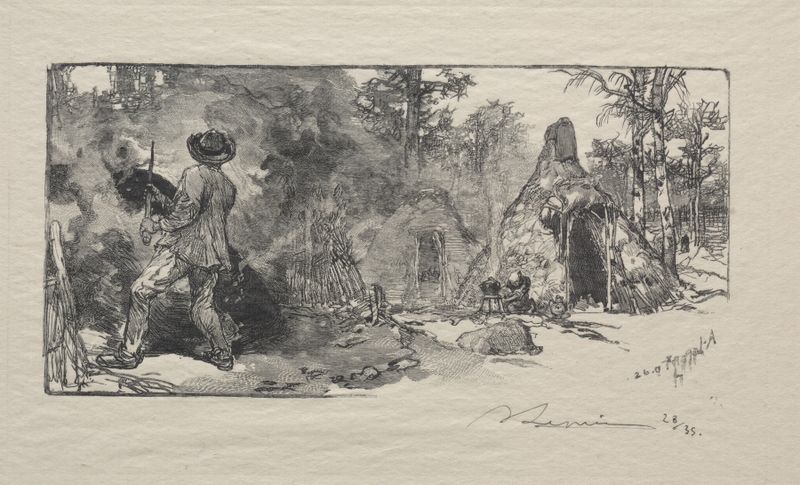
Les Charbonniere
Auguste Louis Lepère
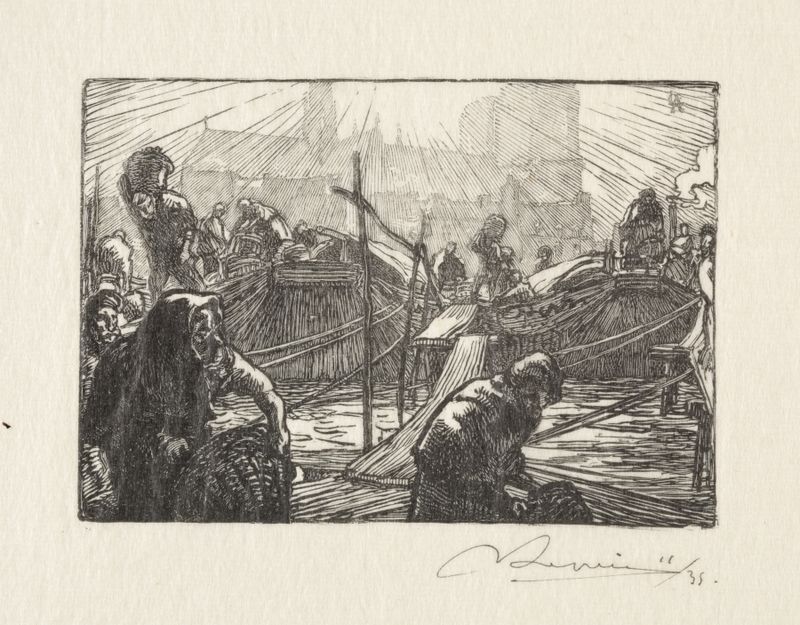
Notre Dame vue du Marché aux pommes
Auguste Louis Lepère

Le Palais des Arts Liberaux, Intèrieur
Auguste Louis Lepère





