La Route De Vétheuil — History & Facts
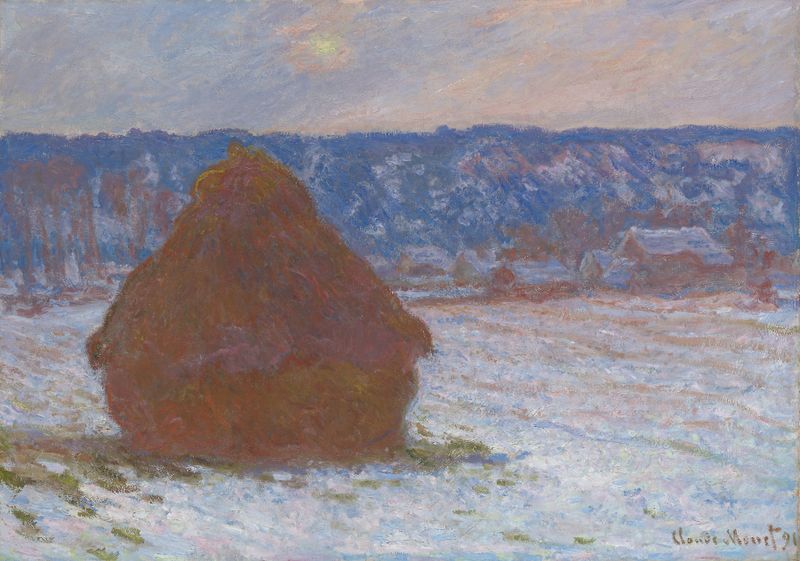
In the delicate embrace of serenity, nature reveals its tranquil beauty through fluid strokes and vibrant hues. Monet’s artistry beckons us to explore the interplay of light and landscape, inviting us to linger in a moment suspended between reality and illusion. Look to the horizon, where soft blues and greens meld seamlessly, creating a sense of depth and expansiveness. Notice how the pathway winds gently through the verdant scenery, dappled with light, drawing the viewer’s eye toward the distant trees — their gentle sway hints at a whispering breeze.
Brushstrokes pulse with life, each layer of color meticulously applied to evoke the shifting atmosphere, while the interplay of sunlight and shadow adds a dynamic rhythm to the composition. Delve deeper into the painting’s emotional resonances; the quietude of the scene mirrors a sense of introspection. The juxtaposition of the quiet road and the lush, undulating landscape reflects a journey not just through nature but into the self. Here, the subtle color palette conveys a harmony that invites contemplation, suggesting a vulnerability nestled within the serenity — an invitation to pause and embrace a fleeting moment of peace amid life’s tumult. During the late 19th century, Monet painted this piece amidst his ongoing quest to capture the essence of natural light and color.
Working in Vétheuil, a village along the Seine River, he was not only refining his Impressionist techniques but also wrestling with personal challenges and losses. Yet, in this serene landscape, he found solace, crafting a vision that resonates with tranquility and timelessness, emblematic of his enduring legacy.