
La route du bois à Fontaine — History & Facts
Can paint confess what words never could? In La route du bois à Fontaine, a serene expression of longing unfolds before our eyes, capturing the essence of an unspoken yearning that resonates with the soul. Look to the left at the winding path, bordered by lush trees that seem to whisper secrets of the heart. The light filters through the foliage, casting dappled shadows across the scene, and invites you to follow the trail into the depths of the woods. The soft palette of greens and browns creates a sense of tranquility, while the gentle brushwork evokes the movement of the leaves in a soft breeze, lending a rhythmic quality to the composition. As you explore further, notice the contrast between the vibrant greens of the foliage and the muted earth tones of the path.
This tension highlights the duality of nature—both inviting and elusive. The absence of figures implies solitude and contemplation, suggesting that the journey is introspective, perhaps hinting at the artist’s own desire for escape or connection with the natural world. The undulating path leads us to contemplate where it might take us, symbolizing life’s choices and the inherent longing for exploration. Charles-Louis Houdard painted La route du bois à Fontaine in 1901, during a period of transition in the art world as Impressionism was giving way to newer movements.
Living in France, Houdard was influenced by the evolving landscape of artistic expression, yet he remained committed to capturing the beauty of nature in its quiet moments. This painting reflects not only personal sentiment but also an era grappling with the tension between the old and the new.
More Artworks by Charles-Louis Houdard
Browse all →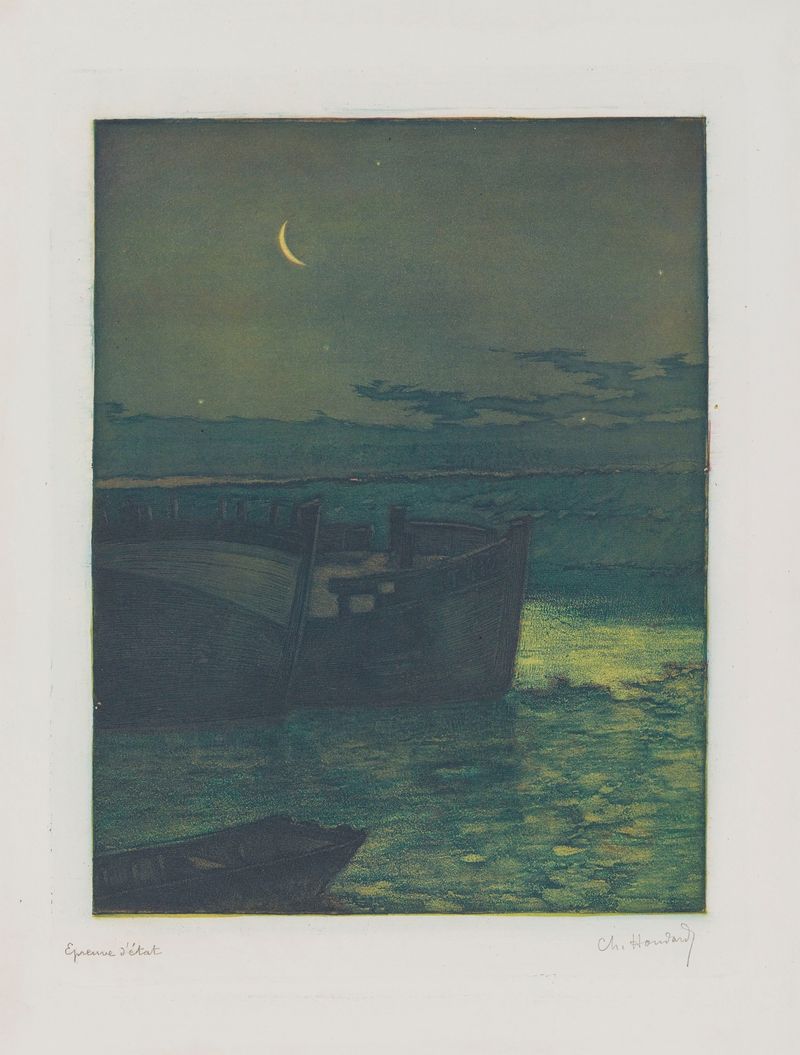
Epaves, navire échoué au clair de lune
Charles-Louis Houdard
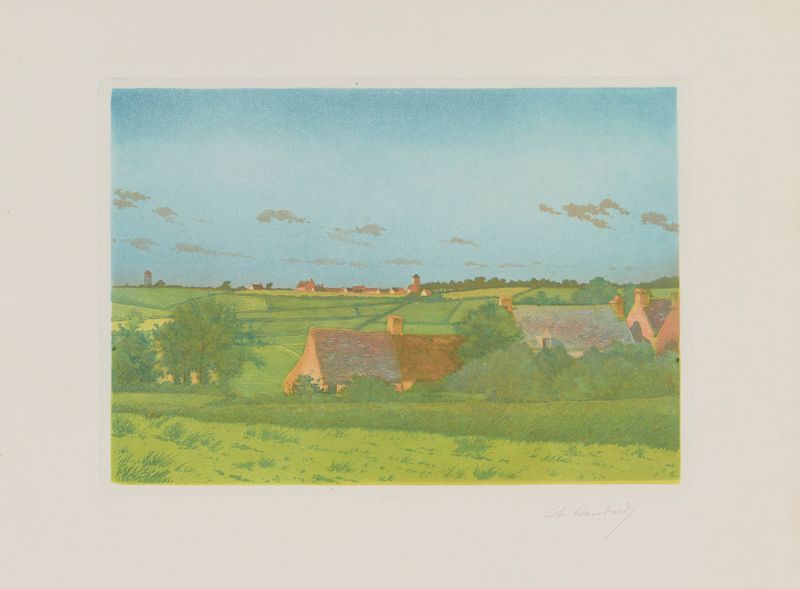
Les hauteurs de Crozon, Finistère
Charles-Louis Houdard
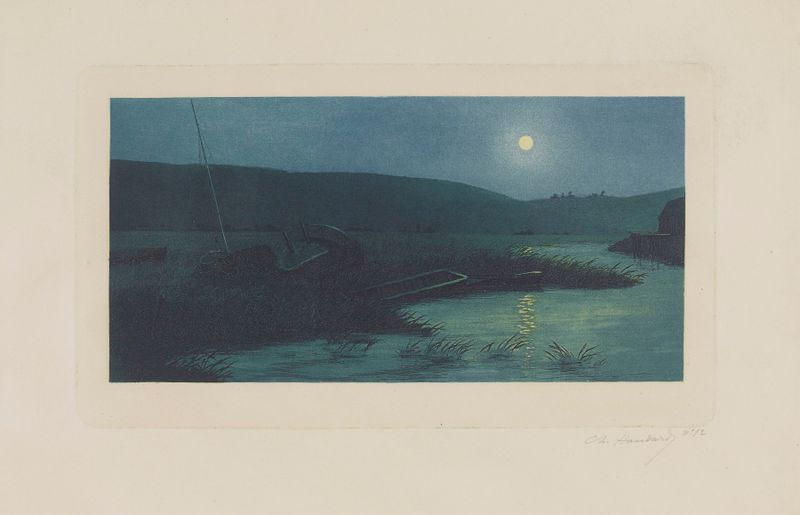
Clair de lune sur la Bresle
Charles-Louis Houdard
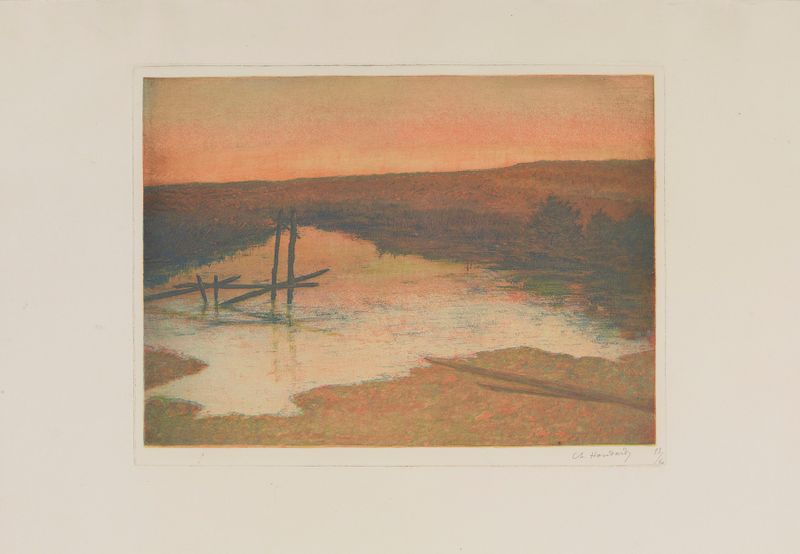
L’étang du moulin à Sémide
Charles-Louis Houdard
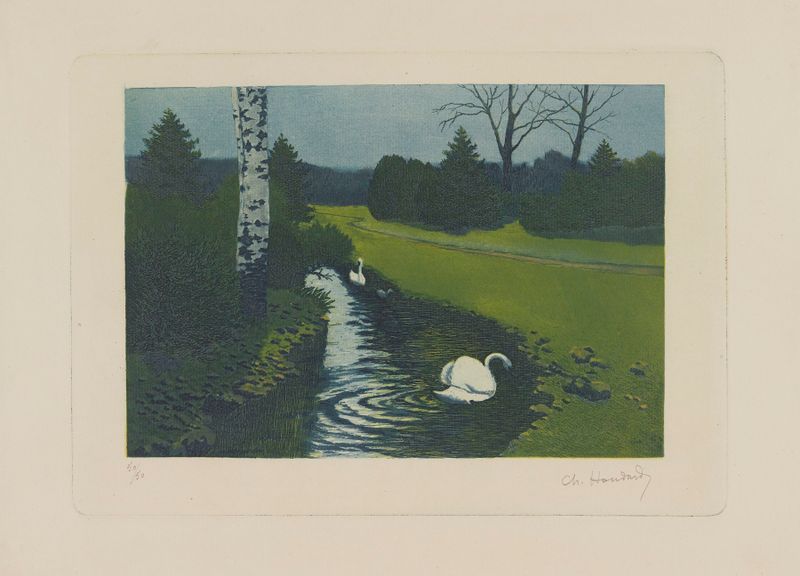
Au bois, cygnes sur un ruisseau
Charles-Louis Houdard
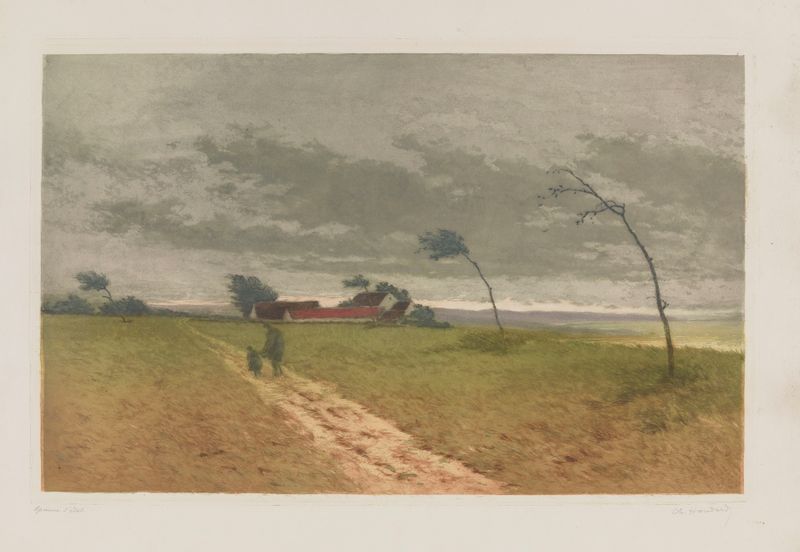
La rafale, plaine sous l’orage
Charles-Louis Houdard
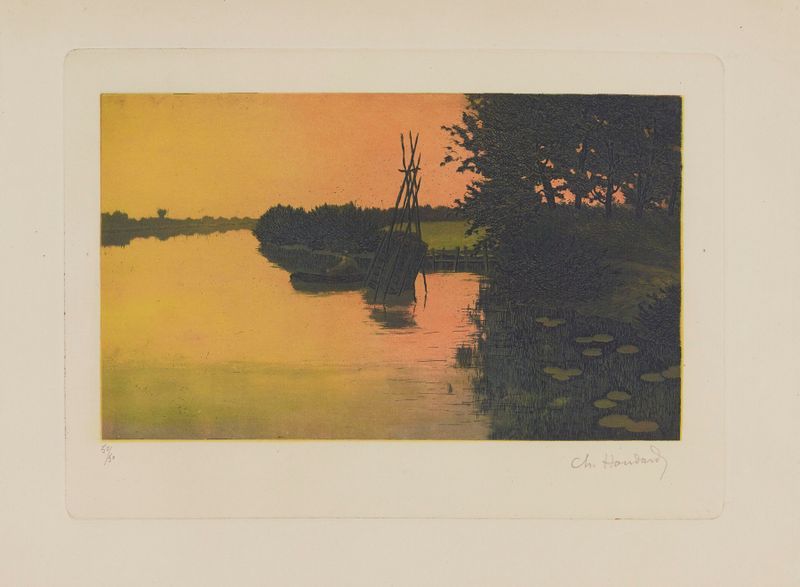
L’Oise à Précy
Charles-Louis Houdard
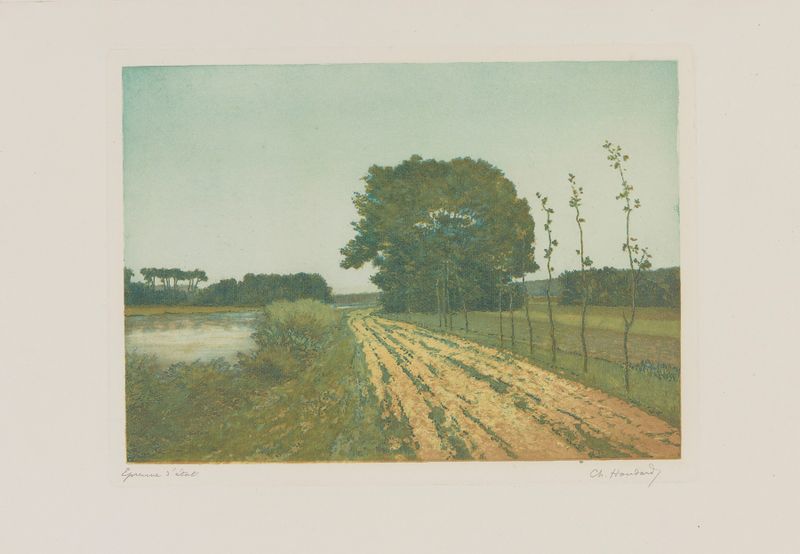
La route abandonnée
Charles-Louis Houdard
Moulins à Dordrecht
Charles-Louis Houdard
Villa d’Este, Tivoli, le rond-point
Charles-Louis Houdard





