
La rue Lepic et le maquis de Montmartre — History & Facts
What if silence could speak through light? In La rue Lepic et le maquis de Montmartre, the revelation unfolds quietly, revealing the soul of a Parisian street in serene contemplation. Look to the left at the delicate sweep of the cobblestone path, where shadows dance beneath the lush trees, inviting the eye to follow the gentle curve into the heart of Montmartre. Notice how the palette of muted greens and soft browns brings a tranquil harmony, contrasted by brighter hues of the buildings that rise like silent witnesses. The brushwork, textured yet fluid, captures both the stillness of the afternoon and the whispers of an unseen breeze that seems to transport you into this urban embrace. Beneath the surface, the painting reveals a tension between the tranquil scenery and the bustling life that once thrived here.
The juxtaposition of nature against the urban landscape hints at fleeting moments of solitude amidst the city's vibrancy, as if time is suspended just for a breath. Each detail—the flickering light filtering through the leaves and the distant architecture—invites reflection on a Paris that is both alive and contemplative. In 1900, Auguste Louis Lepère was exploring the charm of Parisian life, becoming a part of the artistic movement that sought to capture both the beauty and the intricacies of everyday existence. This period marked a time of innovation in printmaking and painting, where artists began to embrace Impressionism's legacy while furthering their own individual styles.
Lepère’s work not only articulates a personal vision but also resonates with the collective heartbeat of a city on the brink of modernity.
More Artworks by Auguste Louis Lepère
Browse all →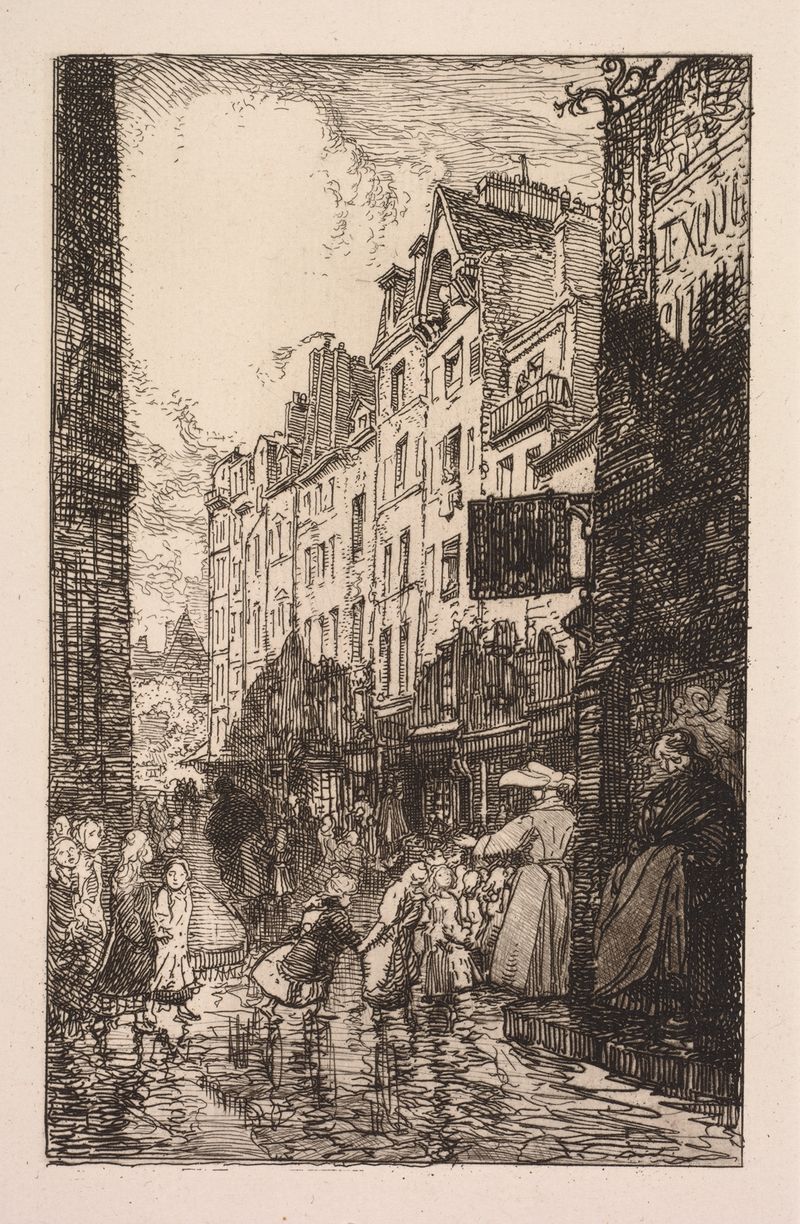
La Rue des Prêtres Saint-Séverin
Auguste Louis Lepère
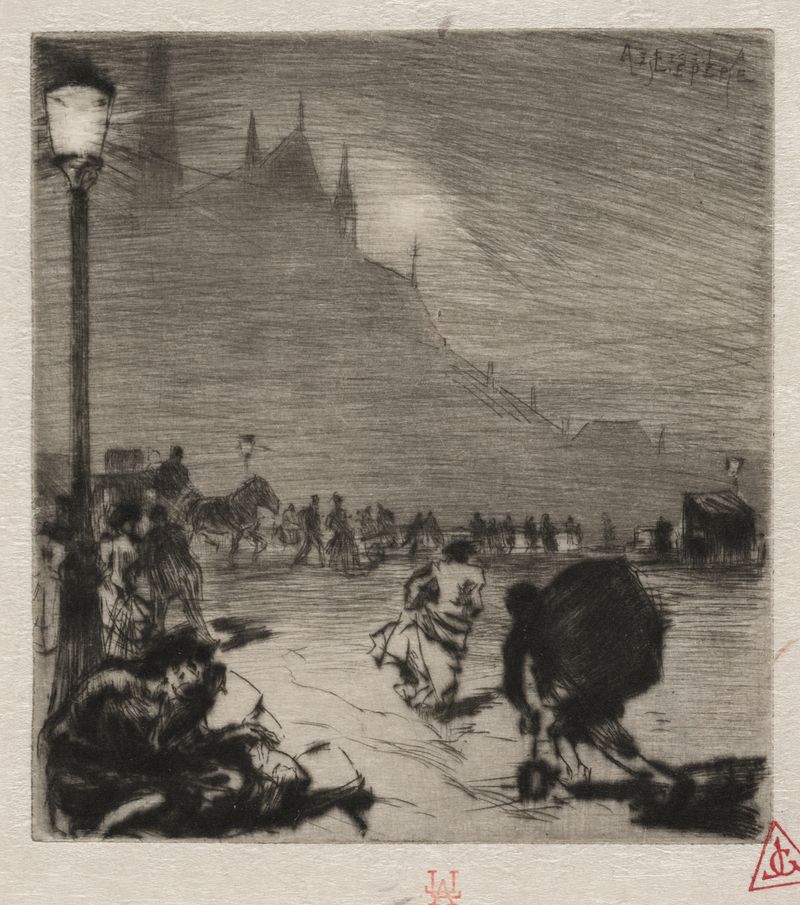
Au Coin du Pont-aux-Doubles
Auguste Louis Lepère
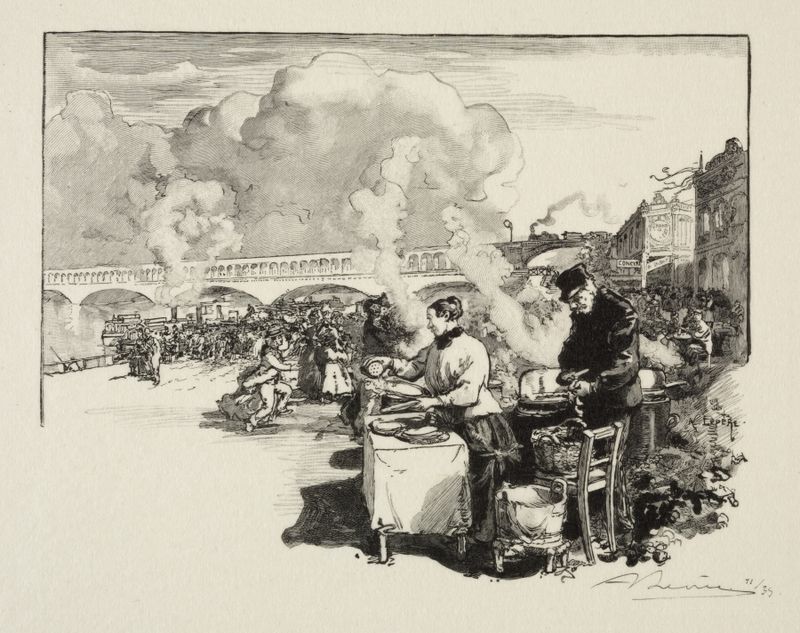
Debarcadère des bateaux-omnibus
Auguste Louis Lepère

La Seine, au quai de la Rapée
Auguste Louis Lepère
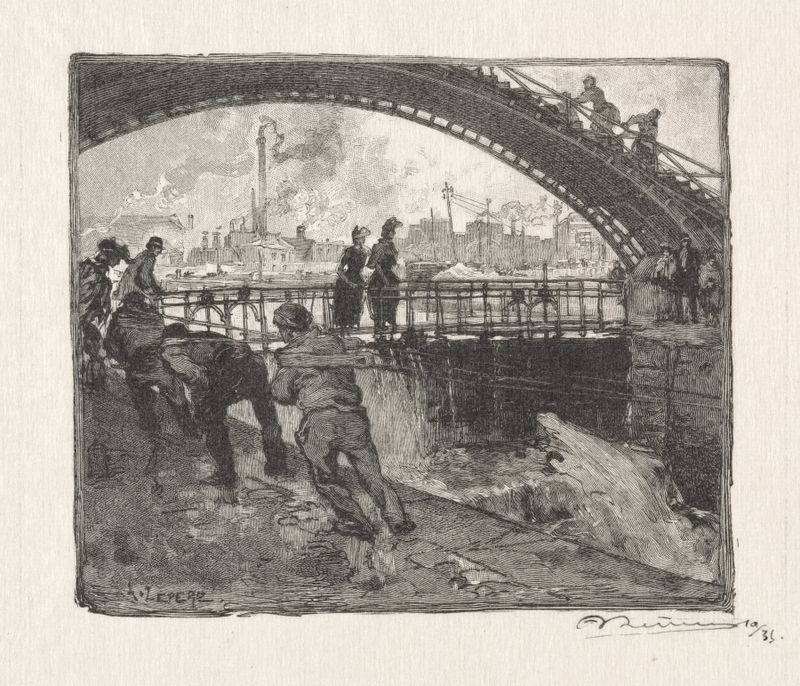
L’Ecluse du Canal St. Martin
Auguste Louis Lepère

Le Boulevard Montmartre, le Soir
Auguste Louis Lepère

Une Chasse au Mont Gérard
Auguste Louis Lepère
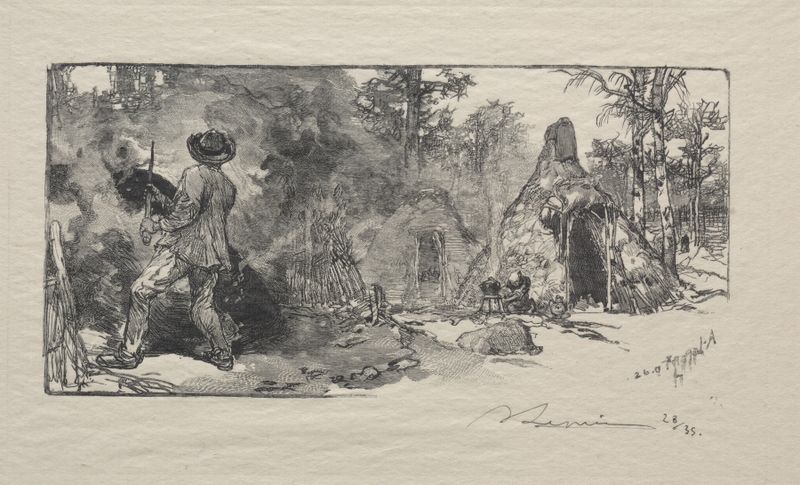
Les Charbonniere
Auguste Louis Lepère
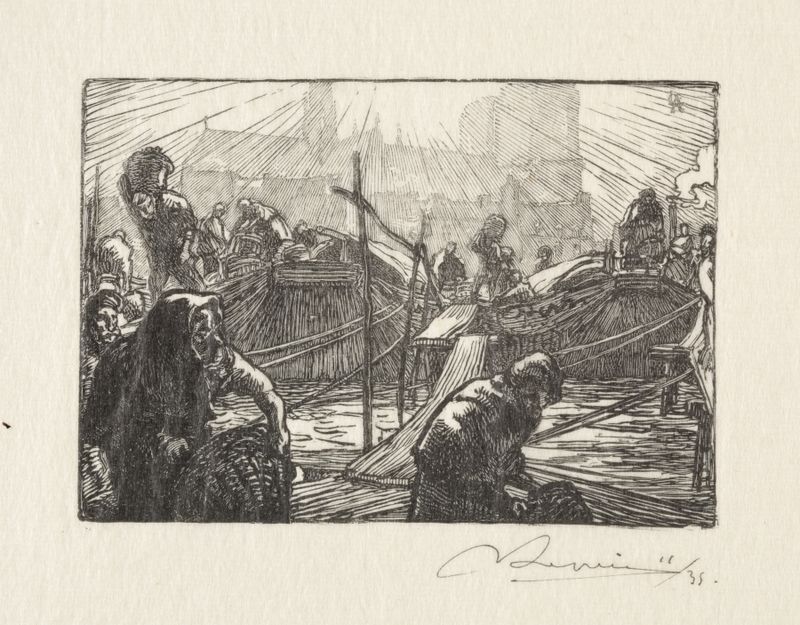
Notre Dame vue du Marché aux pommes
Auguste Louis Lepère

Le Palais des Arts Liberaux, Intèrieur
Auguste Louis Lepère





