
La Salute, effet de matin — History & Facts
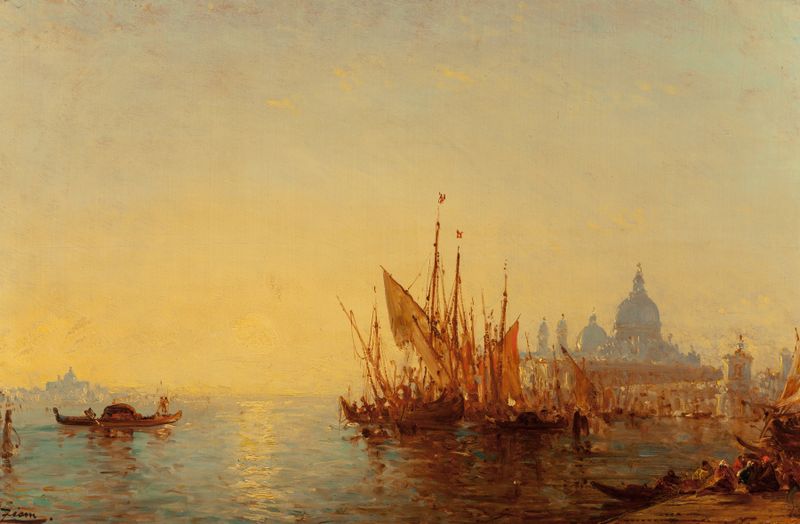
Within the quiet embrace of dawn, the world begins to stir, yet there’s an unsettling calmness that hangs in the air. In La Salute, effet de matin, the morning light dances precariously over the waters of Venice, teasing the edges of reality and inviting madness into its serene beauty. Look to the bottom right, where the soft waves reflect a gentle play of gold and lavender hues. The brushstrokes are fluid, almost whimsical, catching the light in a way that makes the water shimmer with life.
Notice how the dome of the basilica rises majestically in the background, surrounded by wisps of fog or perhaps dreams, blurring the line between the tangible and the imagined. Ziem’s choice of color, a delicate wash of pastels, conveys both hope and an eerie sense of longing, as if the painting is a portal to another realm. Beneath the surface of this tranquil scene lies a tension that speaks to the chaos of existence. The juxtaposition of the divine architecture against the unpredictable water hints at the fragility of sanity amidst beauty.
The ethereal light, while illuminating, also casts shadows of uncertainty, inviting viewers to ponder their own experiences of reality and illusion. Each element seems to whisper a story of both madness and wonder, echoing a sentiment that beauty often coexists with the bizarre. In the late 19th century, Ziem was entrenched in the vibrant art scene of France and Venice, where he painted La Salute, effet de matin between 1880 and 1890. This period marked a shift towards Impressionism, with artists exploring light and color in innovative ways.
Ziem drew inspiration from the breathtaking vistas of Venice as he navigated his own artistic identity and personal struggles, capturing a moment that resonates with both clarity and complexity.
More Artworks by Félix Ziem
Browse all →
Venise
Félix Ziem
Coucher De Soleil À Venise
Félix Ziem
Constantinople
Félix Ziem
La place Saint-Marc, inondation de 1863
Félix Ziem
Bacino di San Marco
Félix Ziem
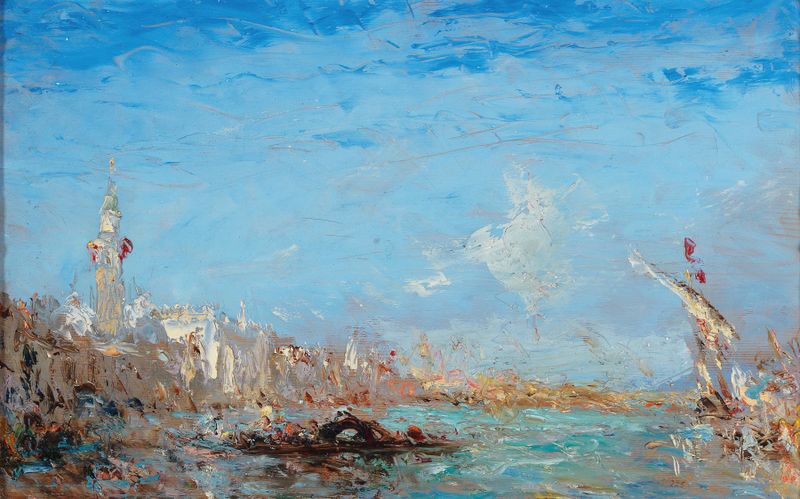
Canal Grande
Félix Ziem
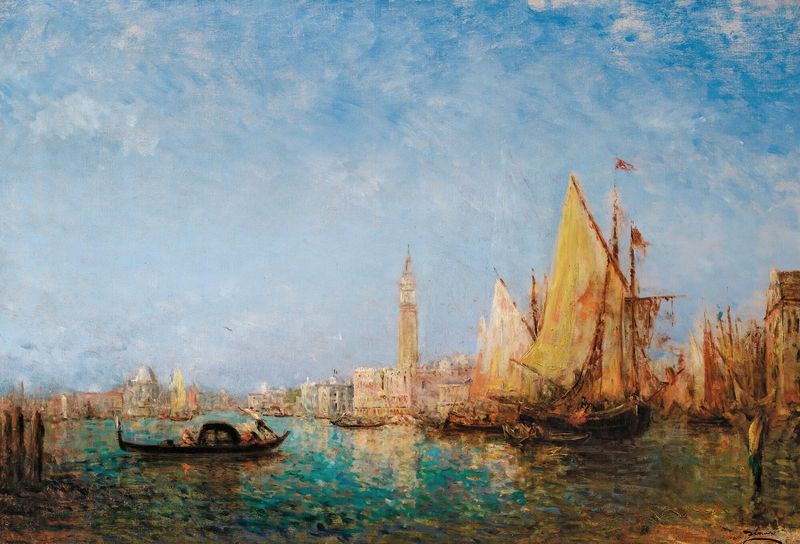
Le Palais Du Doge, Venise
Félix Ziem
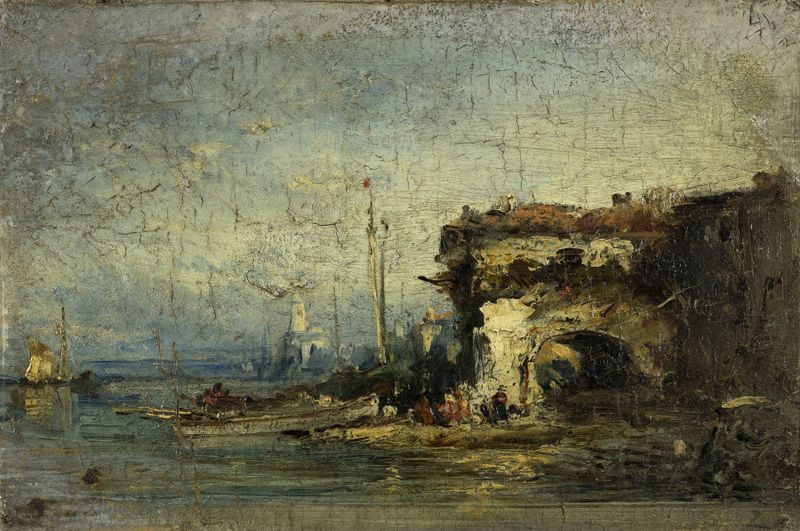
Vue d’Italie; la vieille porte
Félix Ziem
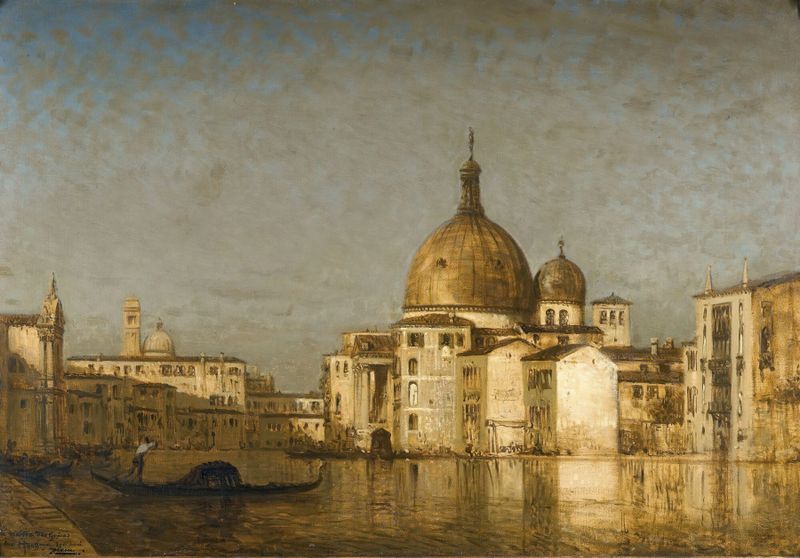
San Simeone Piccolo Au-Delà Du Grand Canal, Venis
Félix Ziem
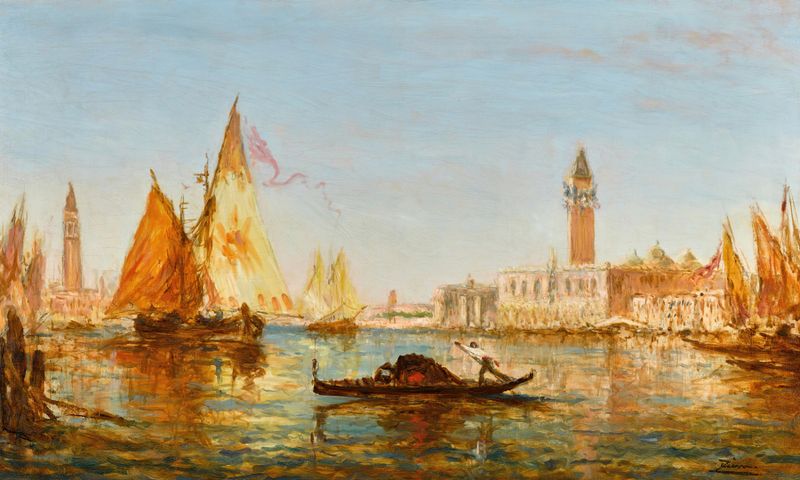
Venise, gondole et voiliers devant le Palais des doges et San Giorgio Maggiore
Félix Ziem





