Discover insights about this artwork
La Seine à Lavacourt, débâcle — History & Facts
In La Seine à Lavacourt, débâcle, Claude Monet captures a winter scene where the Seine River is partially thawing. The painting features a palette of soft blues and whites, with hints of browns and greens. Trees line the riverbanks, their branches bare against the cold sky.
The water reflects the light, creating a shimmering effect that draws the viewer's eye. The painting is created using oil on canvas, a common medium for Monet. The dimensions are approximately 73 x 92 cm, making it a sizable work that allows for detailed brushwork. Monet's technique involves loose brush strokes that blend colors, characteristic of the Impressionism style.
This approach gives the painting a sense of movement and fluidity, capturing the essence of the moment. Claude Monet painted this work during the late 19th century, a time when he was deeply exploring the effects of light and atmosphere. This particular painting reflects his fascination with the changing seasons and their impact on the landscape. An interesting fact about this work is that it was painted in Lavacourt, a location Monet frequently visited, allowing him to capture the same scene under different conditions.
This piece is a testament to his dedication to plein air painting.
More Artworks by Claude Monet
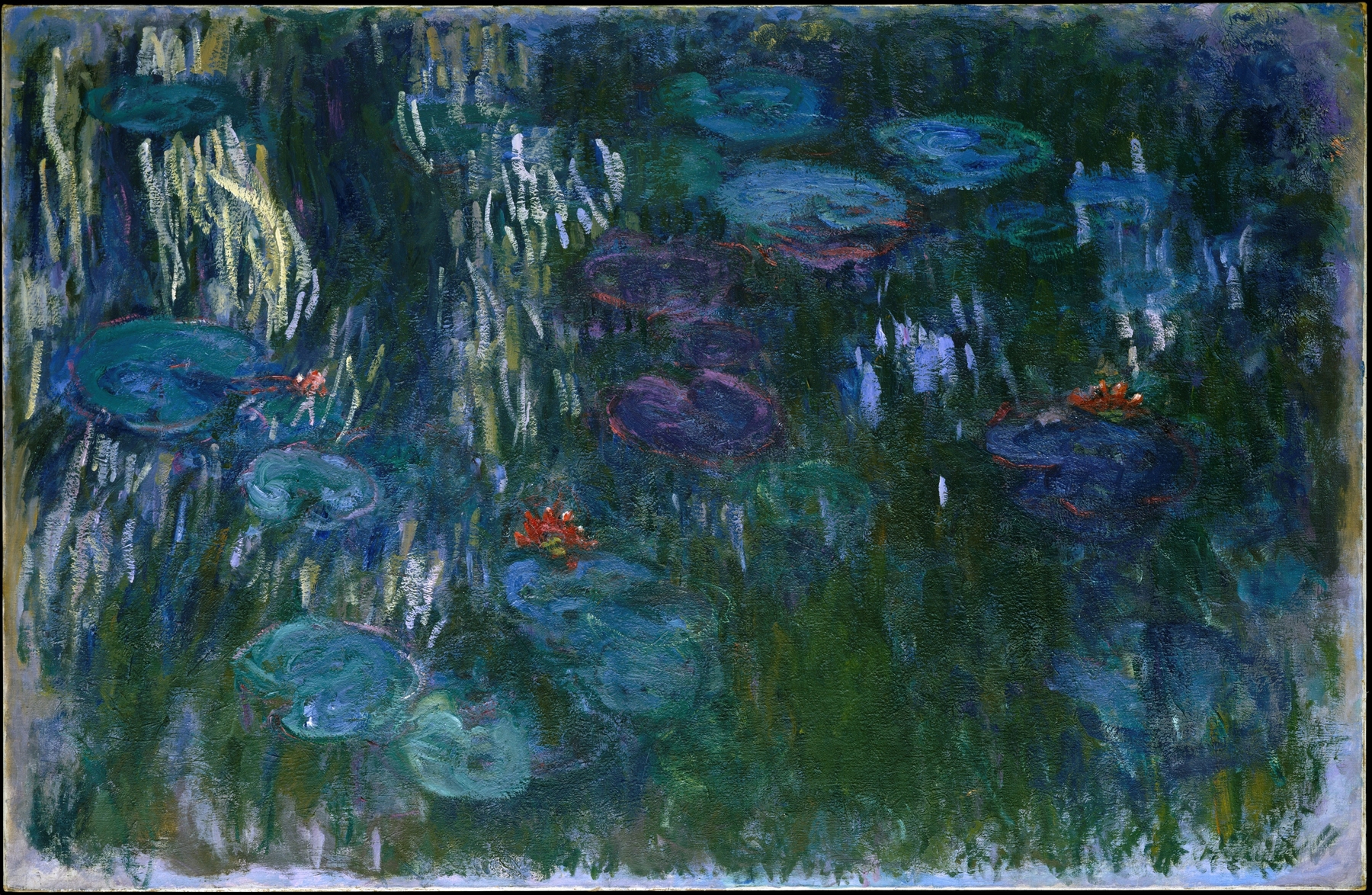
Water Lilies
Claude Monet
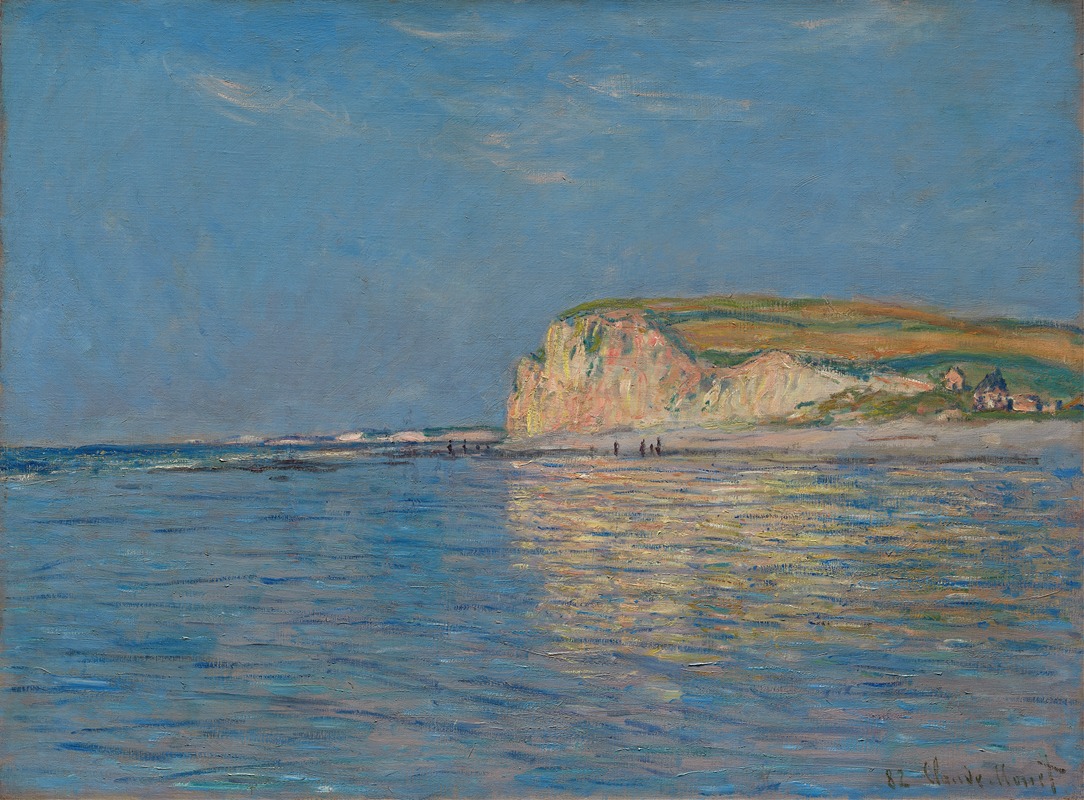
Low Tide at Pourville, near Dieppe
Claude Monet
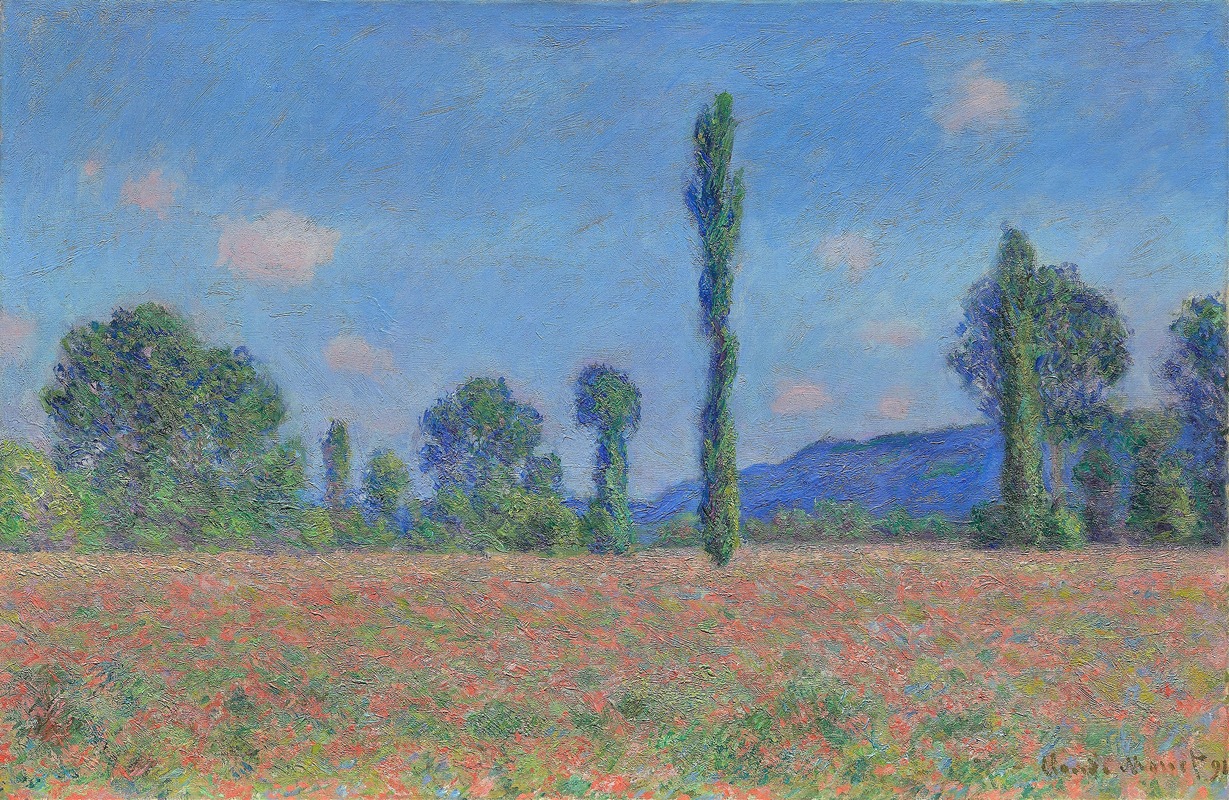
Poppy Field (Giverny)
Claude Monet
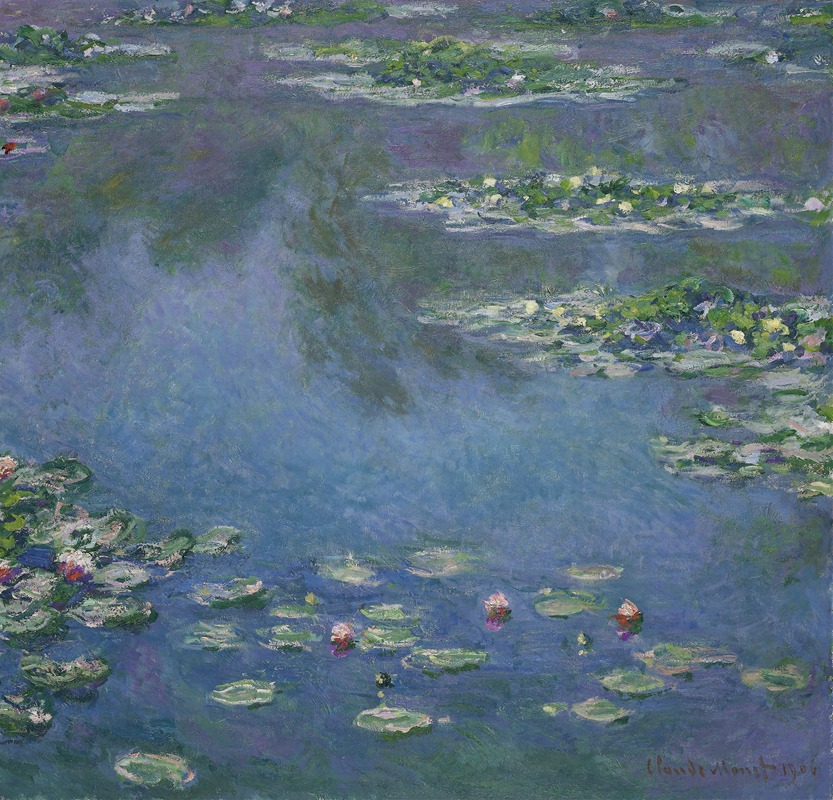
Water Lilies
Claude Monet
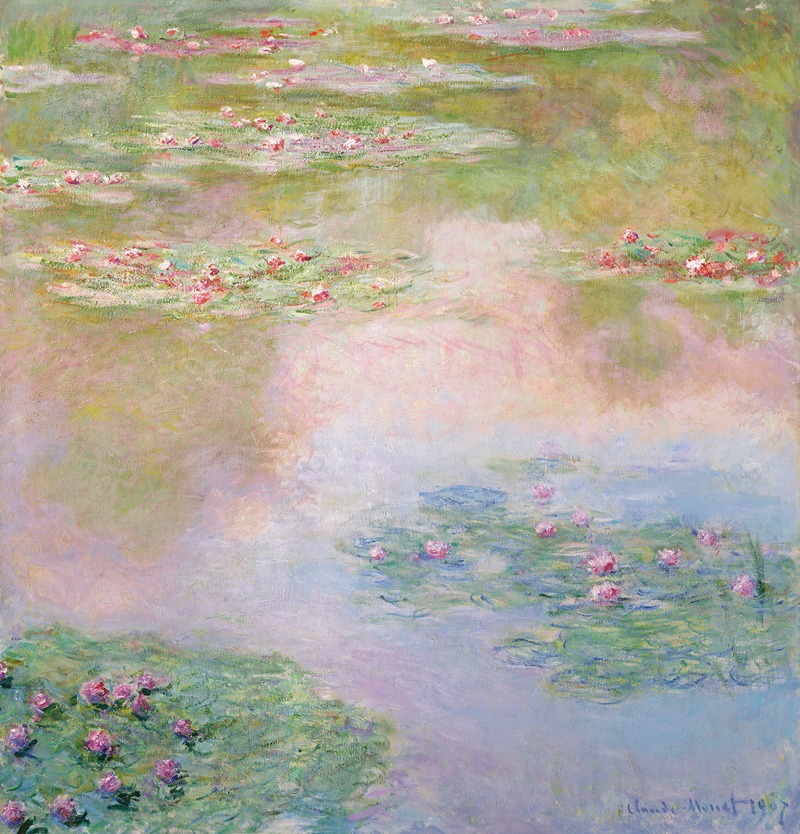
Nymphéas
Claude Monet
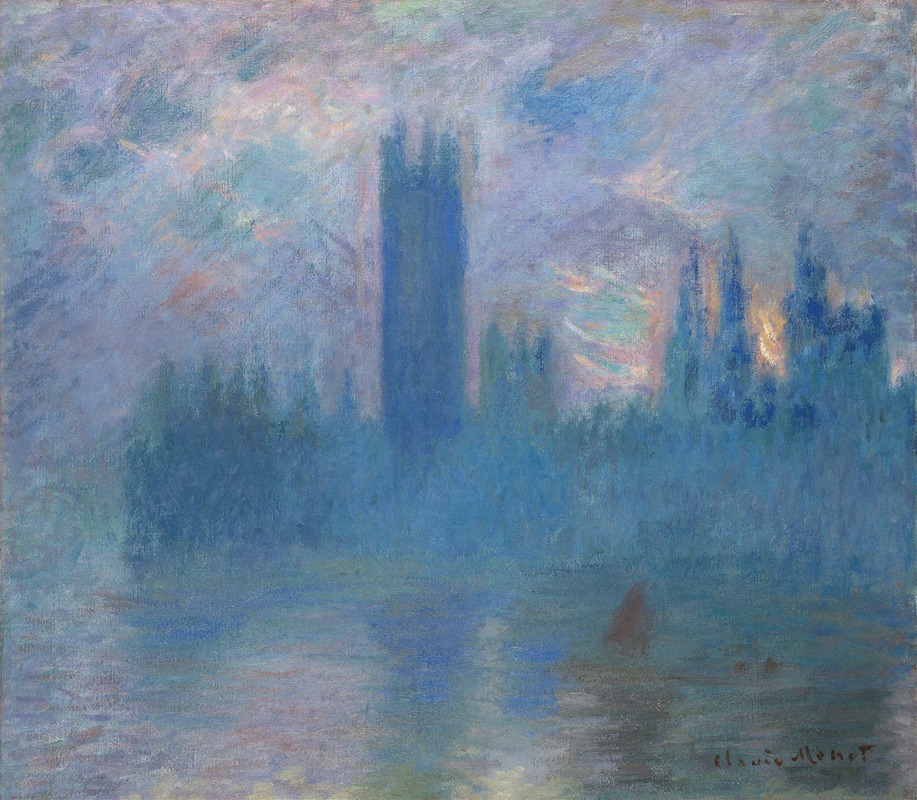
Houses of Parliament, London
Claude Monet
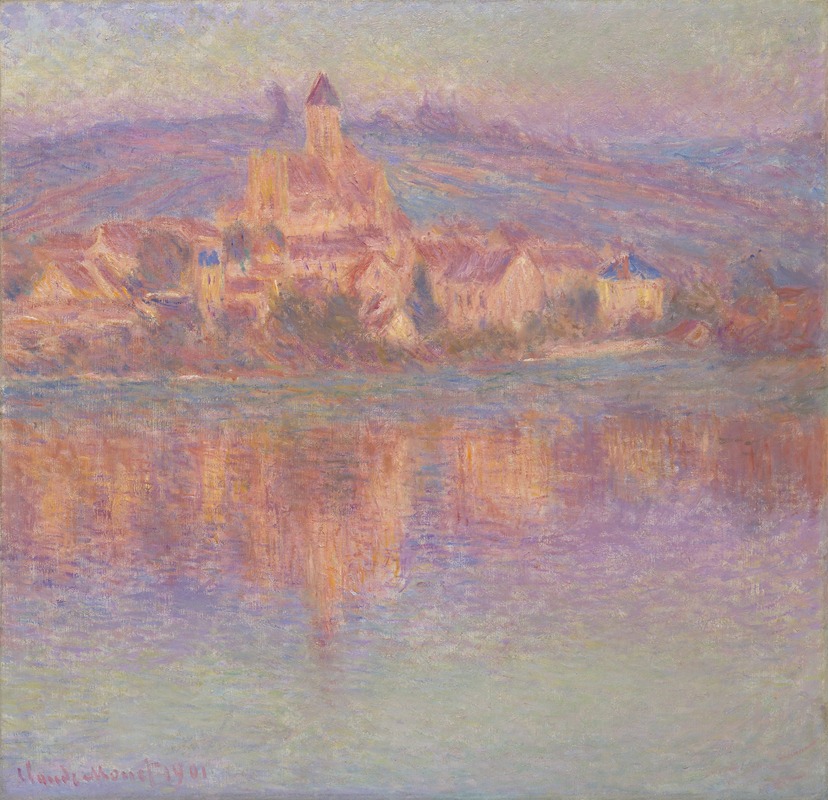
Vétheuil
Claude Monet
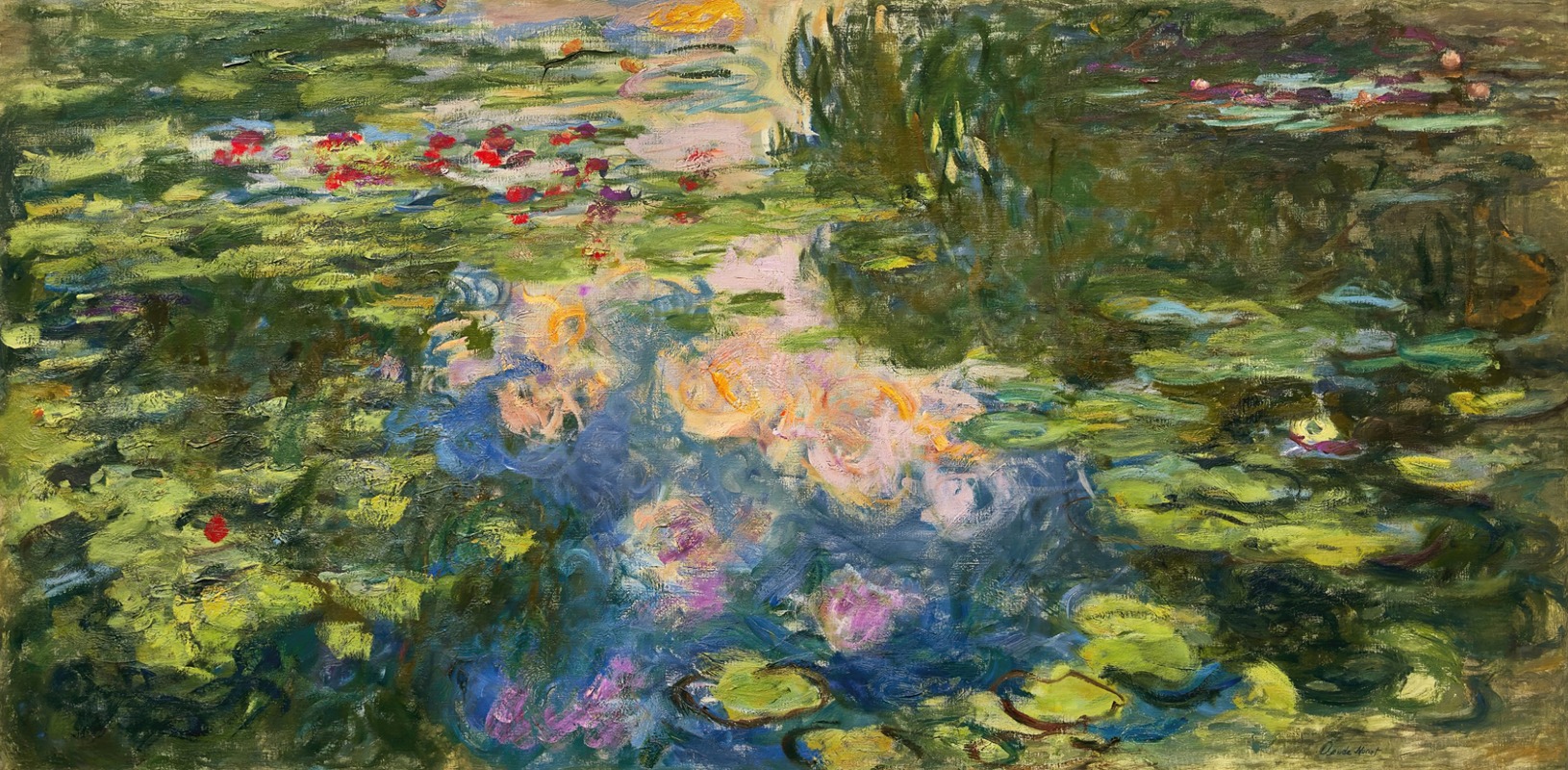
Le Bassin aux nymphéas
Claude Monet
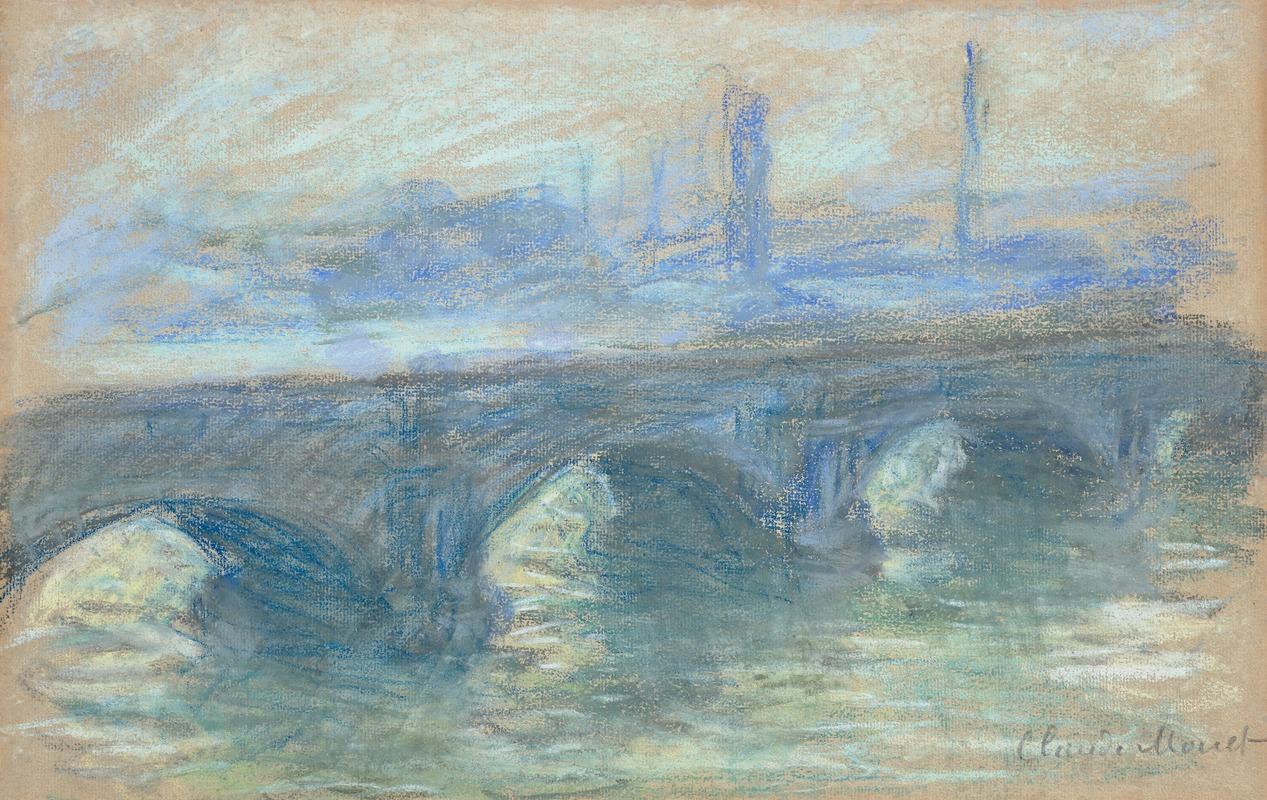
Waterloo Bridge
Claude Monet

Printemps à Giverny, effet d’après-midi
Claude Monet