La Seine À Bougival — History & Facts
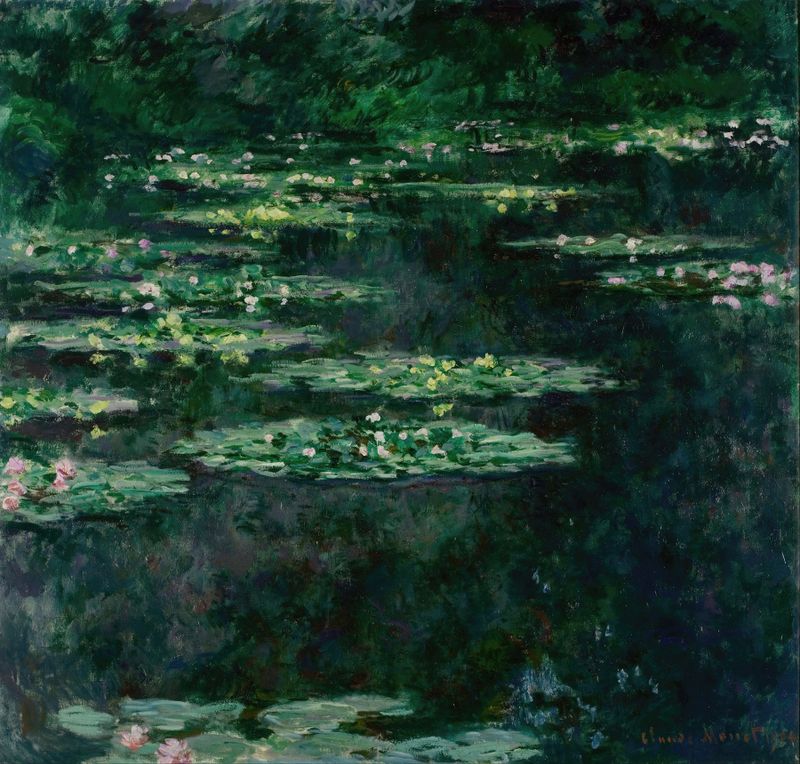
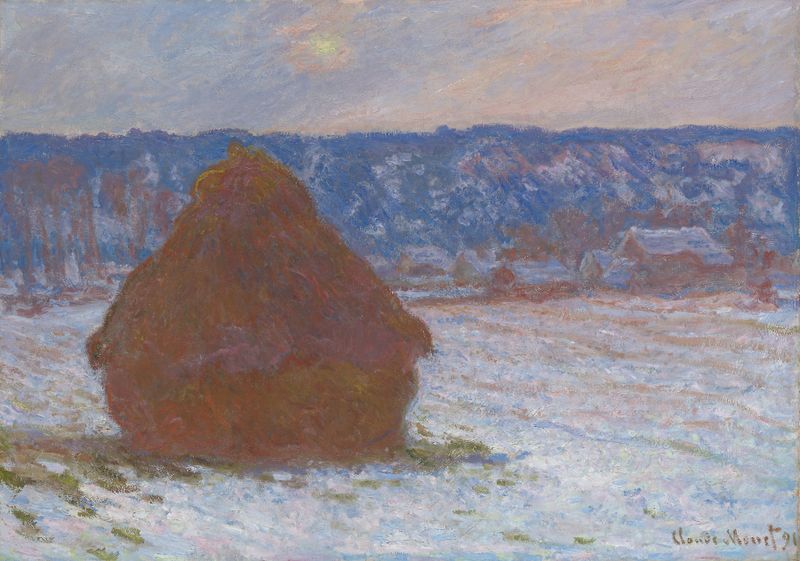
Can paint confess what words never could? In La Seine À Bougival, the brush strokes of light and color whisper secrets of fleeting moments and unspoken truths. Focus on the vibrant interplay of blues and greens that define the riverscape, drawing your gaze first to the fluid reflections shimmering on the water's surface. Look closely at the boats, their sails billowed with a gentle breeze, while the crispness of the trees framing the scene envelops it in a lush embrace. Monet’s delicate application of paint captures the transient beauty of nature, where every brushstroke conveys an emotion, inviting viewers to immerse themselves in the serene atmosphere. Underneath the serene exterior lies a contrast between the tranquility of the river and the hidden bustle of life along its banks.
The figures scattered throughout the scene hint at stories untold, their gestures caught in a moment that speaks of both leisure and the passage of time. The light dances across the canvas, evoking a sense of joy and revelation that transcends the ordinary, reminding us that beauty often resides in the simplest experiences of life. In 1869, Monet painted this work while in Bougival, a picturesque village near Paris that attracted many artists seeking inspiration. This period marked a significant evolution in impressionism, as Monet and his contemporaries pushed against traditional boundaries, capturing ephemeral moments of light and atmosphere.
At the time, Monet was forging his artistic identity, exploring new techniques that would soon redefine the landscape of modern art.