
La Seine et l’ïle de Rolleboise — History & Facts
In the soft embrace of twilight, the shimmering surface of the Seine reflects a haunting stillness that grips the heart. The island of Rolleboise stands serene, yet within its tranquility lies an unsettling emptiness—an echo of solitude waiting to be noticed. Look to the left and absorb the gentle curves of the river, where delicate brushstrokes create a rippling effect that captures the fleeting essence of water. The palette is rich with blues and muted yellows, contrasting vibrant life with an underlying melancholy that seeps into the scene.
Notice how the muted light bathes the landscape, transforming the ordinary into a realm of quiet contemplation, inviting the viewer to ponder the nature of existence itself. As you delve deeper, consider the vacant spaces that stretch across the canvas, symbolizing an emotional desolation that yearns to be filled. The juxtaposition of the lush greenery against the barren stretches of land speaks to the transient nature of beauty and the voids that lie beneath. This contrast amplifies a sense of longing, urging one to reflect on the delicate balance between fulfillment and emptiness. Maximilien Luce created this poignant piece in 1939, amidst the rising tensions of impending war in Europe.
Living in Paris, he was influenced by the evolving art scene, particularly the interplay between Impressionism and modernism. This work captures a moment of reflection during a time of uncertainty, channeling the artist's own internal struggles while contributing to a broader narrative within the art world.
More Artworks by Maximilien Luce
Browse all →
Le Quai Montebello Et La Colline Sainte-Geneviève
Maximilien Luce

Le Pont-Neuf, La Seine, Petit Bras
Maximilien Luce
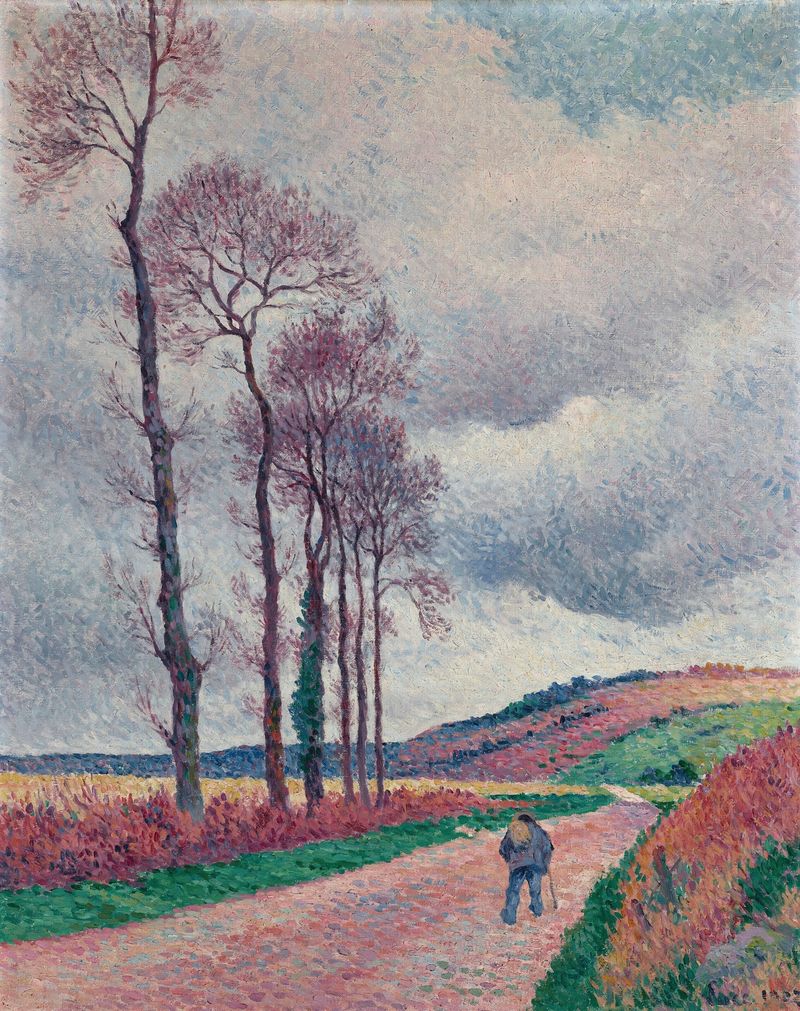
La route aux environs de Méréville
Maximilien Luce
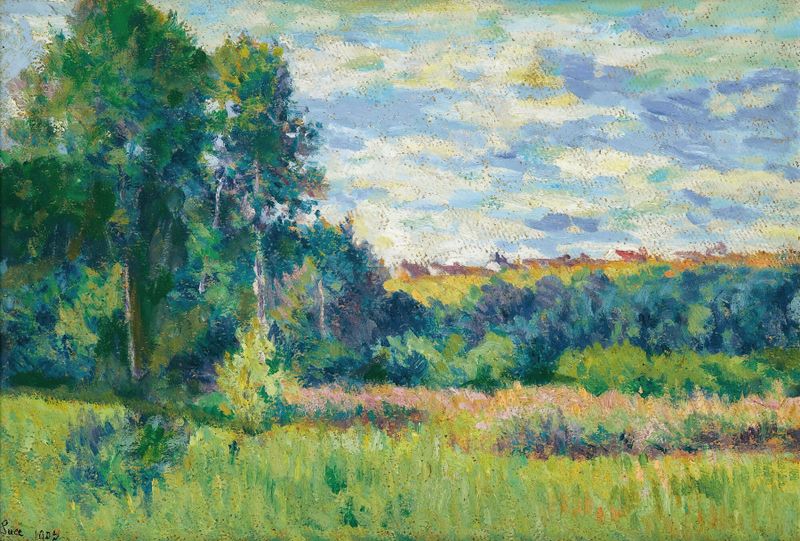
Paysage
Maximilien Luce
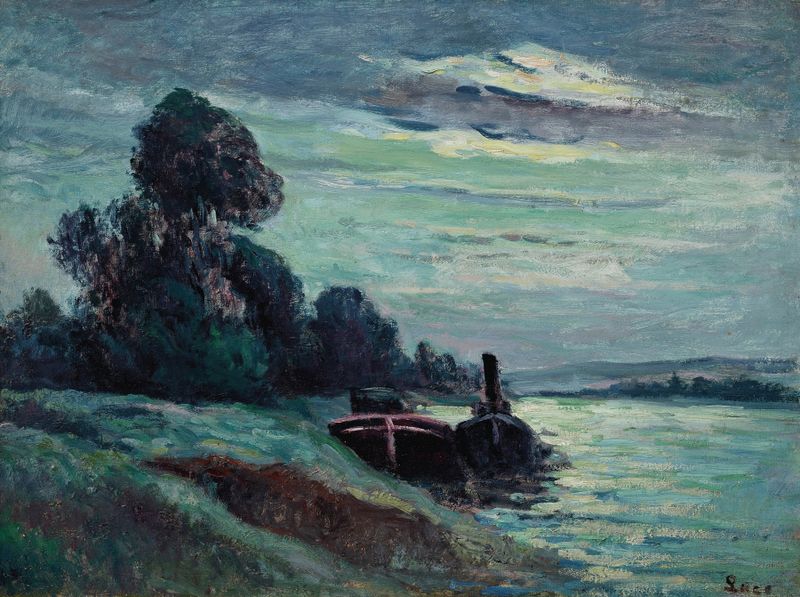
Péniches sur la Seine
Maximilien Luce

Notre Dame de Paris
Maximilien Luce
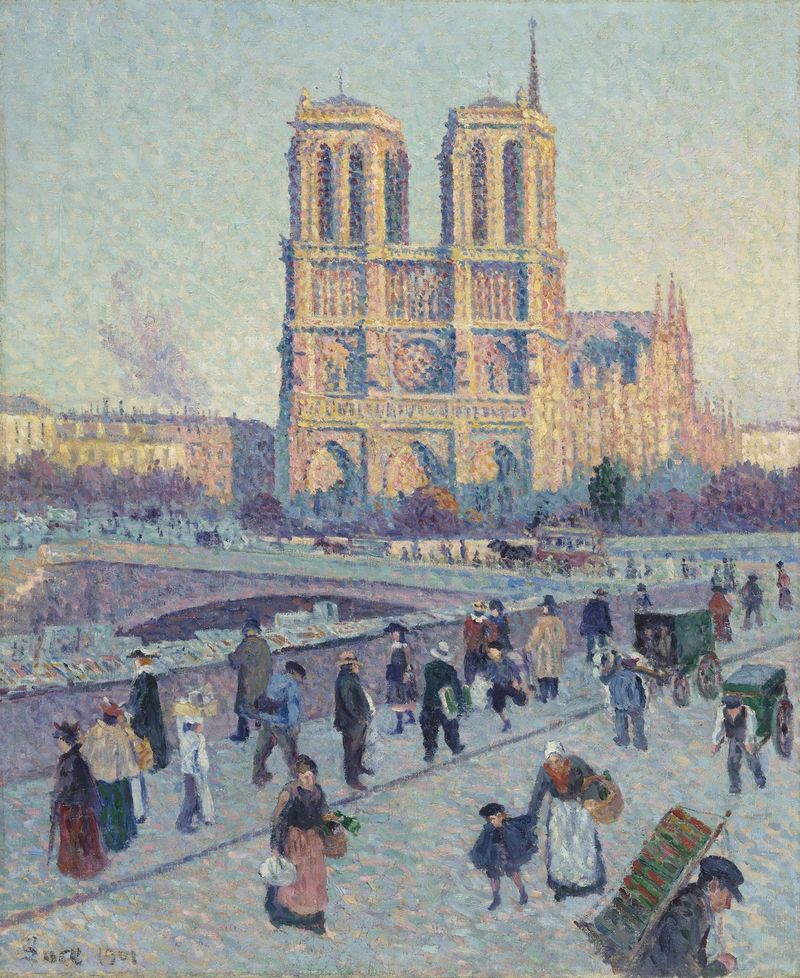
The Quai Saint-Michel and Notre-Dame
Maximilien Luce

La Seine au Pont Mirabeau
Maximilien Luce
L’avenue Winston-Churchill, Paris
Maximilien Luce

Paris, Le Quartier De Vaugirard
Maximilien Luce





