La Seine près de Giverny — History & Facts
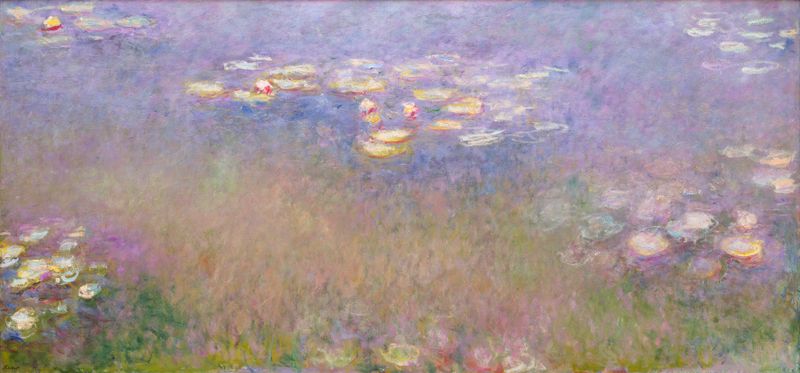
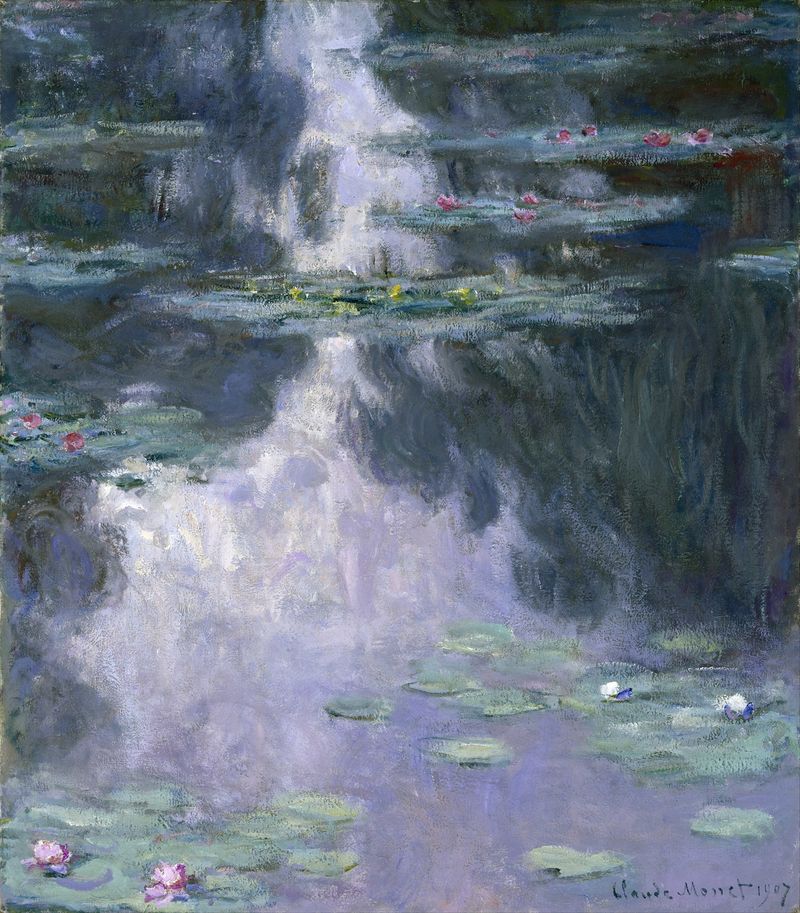
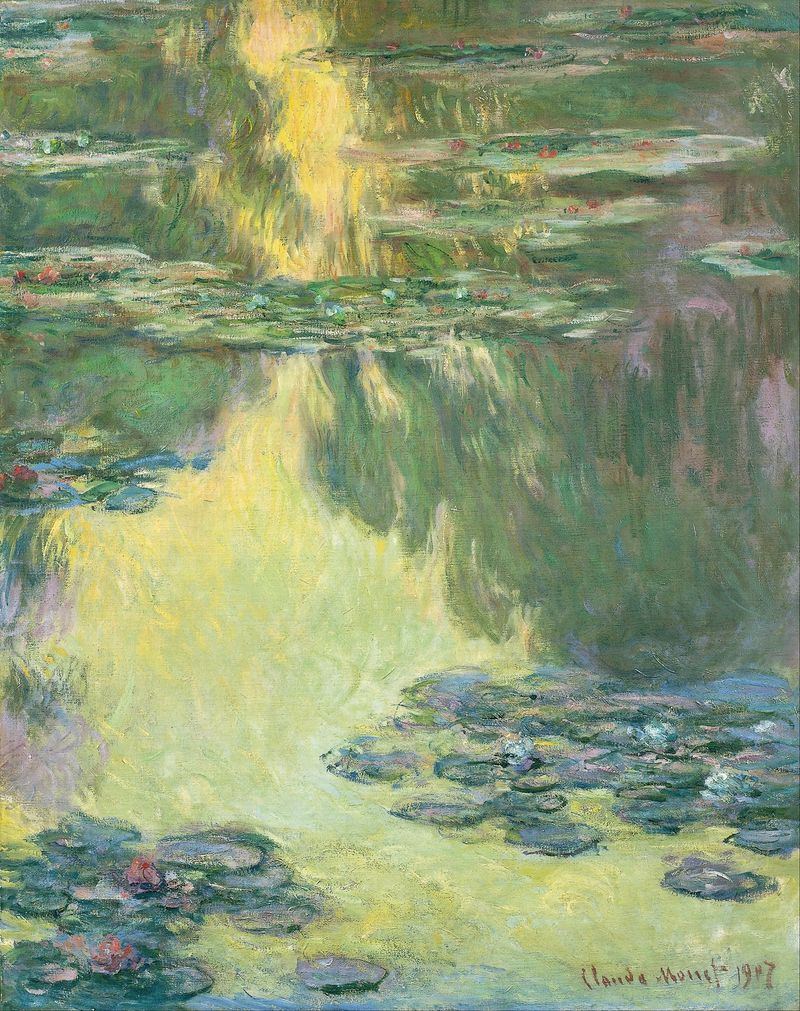
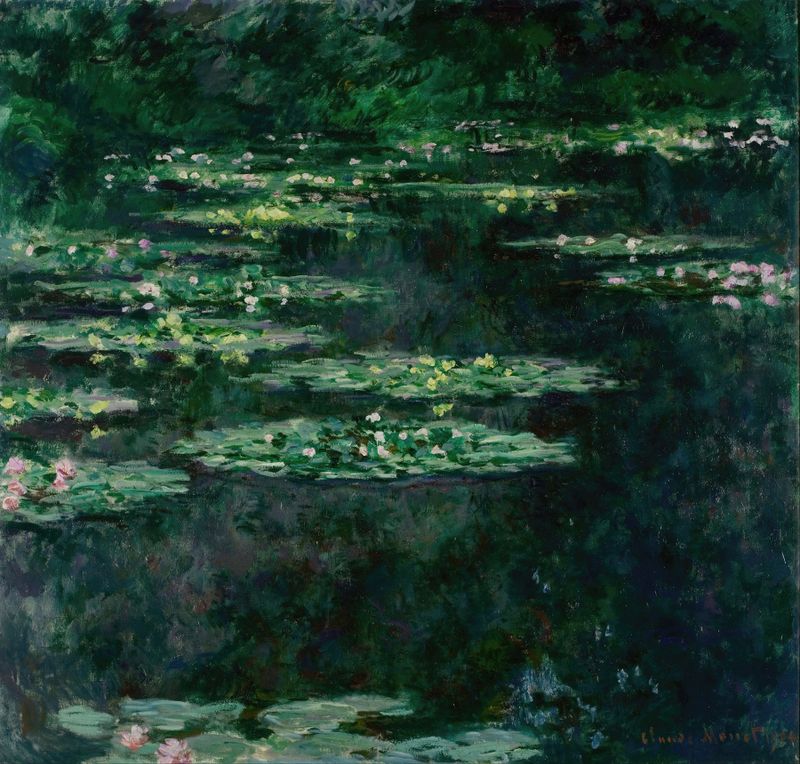
In La Seine près de Giverny, the essence of the dreamlike is captured with the softest touch of color and light, inviting the viewer into a tranquil reverie. Look to the center where the shimmering water reflects a kaleidoscope of greens and blues, drawing your gaze towards the horizon. Notice how the gentle undulation of the river flows seamlessly into the backdrop, blending sky and water with a masterful gradient. The soft, dappled light creates a sense of movement, like a whispered secret carried on the breeze, while the strokes of thick paint evoke the lush foliage that frames the scene, emphasizing the harmony of nature. Beneath this serene surface, tensions emerge between light and shadow, stillness and vitality.
The interplay of colors suggests a fleeting moment—time suspended, yet forever evolving. Each brushstroke breathes life into the setting, hinting at the transitory nature of beauty and the dreams that linger within it. The reflections on the water's surface elicit both calmness and a yearning for deeper understanding, inviting contemplation of what lies beneath the tranquil façade. In 1888, Monet painted this piece in Giverny, a period marked by his growing mastery of light and color.
He was immersed in the Impressionist movement, exploring the delicate nuances of natural landscapes. This painting speaks to his desire to capture fleeting moments in time, reflecting not only his personal artistic journey but also the broader evolution of art during a time when old conventions were being beautifully redefined.