La Tamise — History & Facts
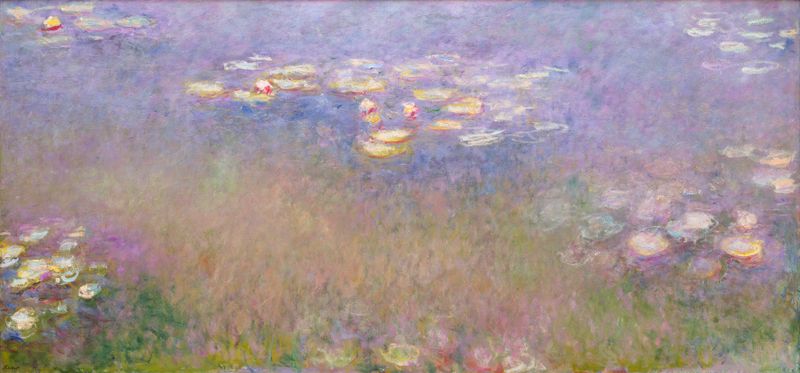
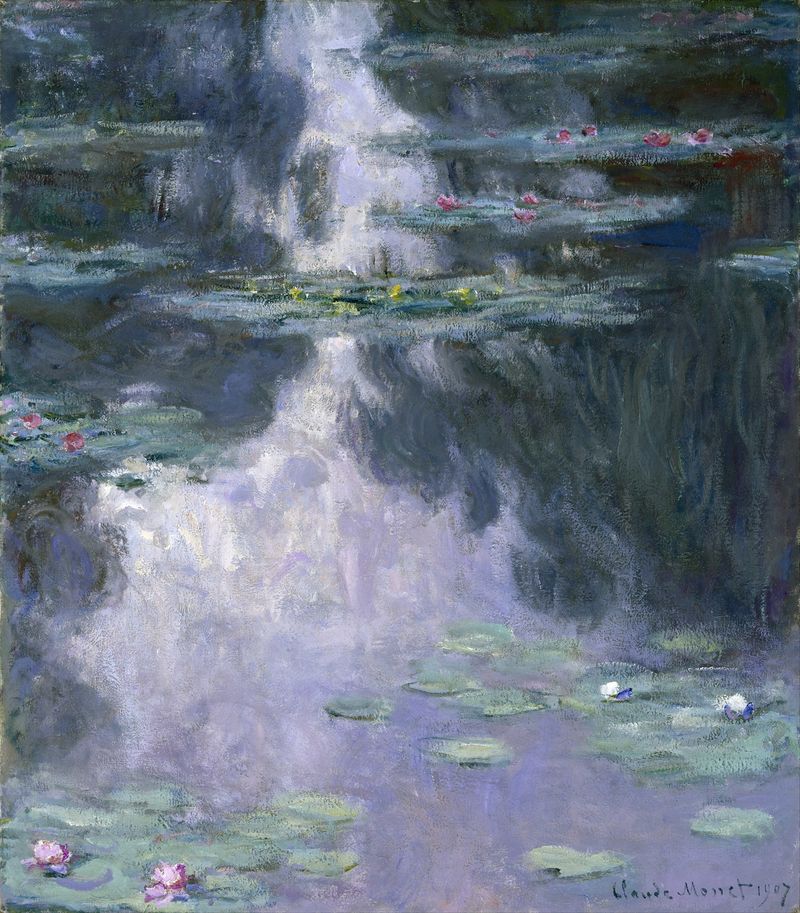
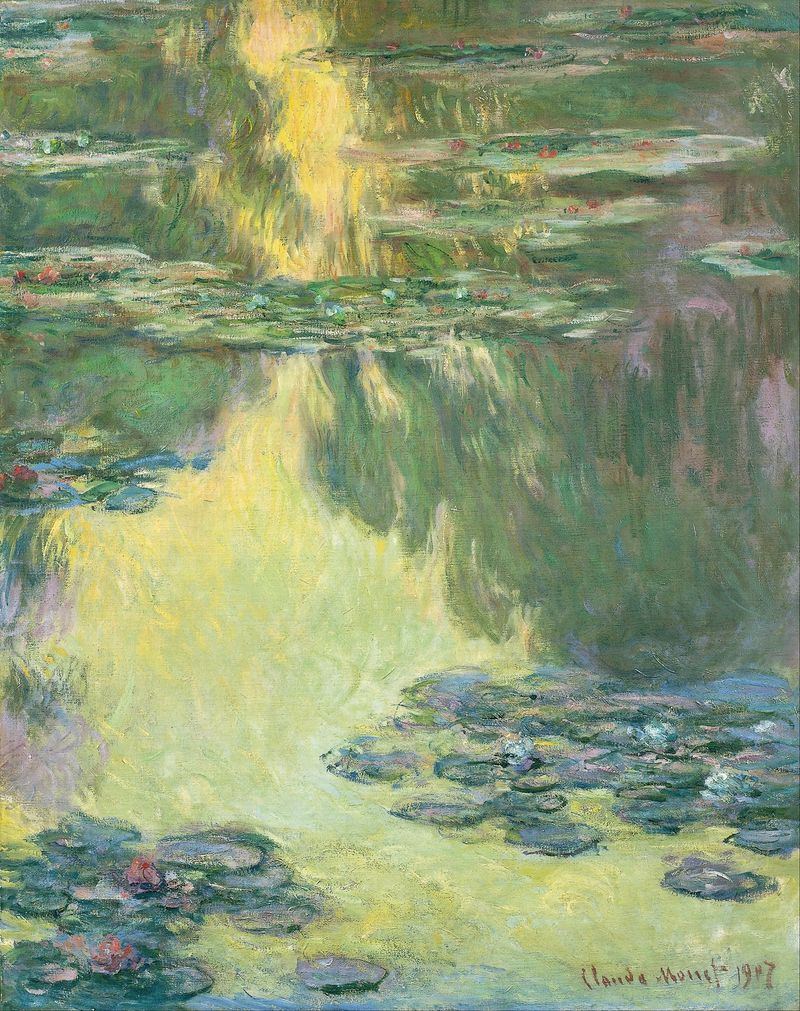
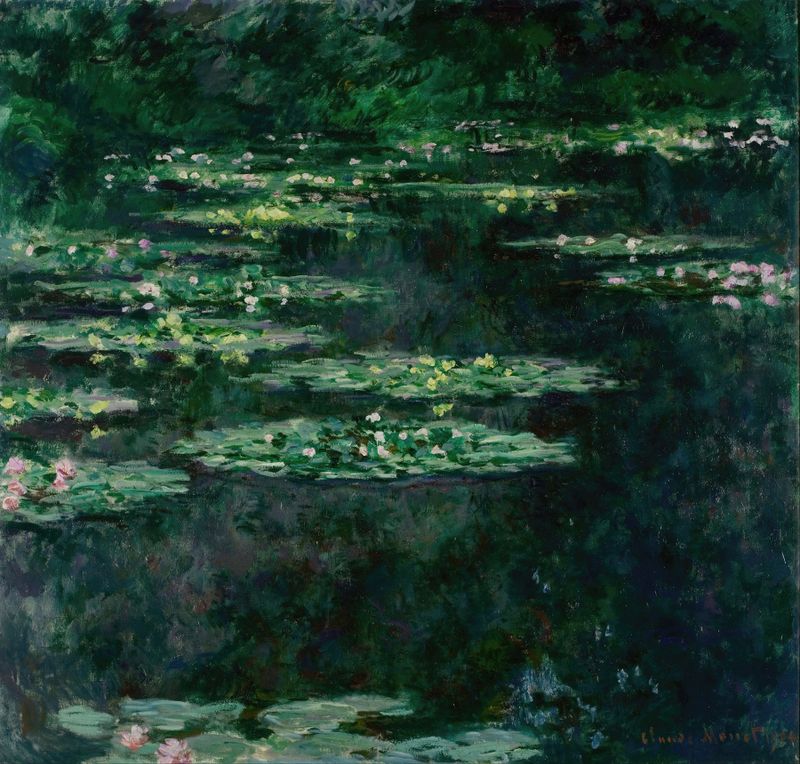
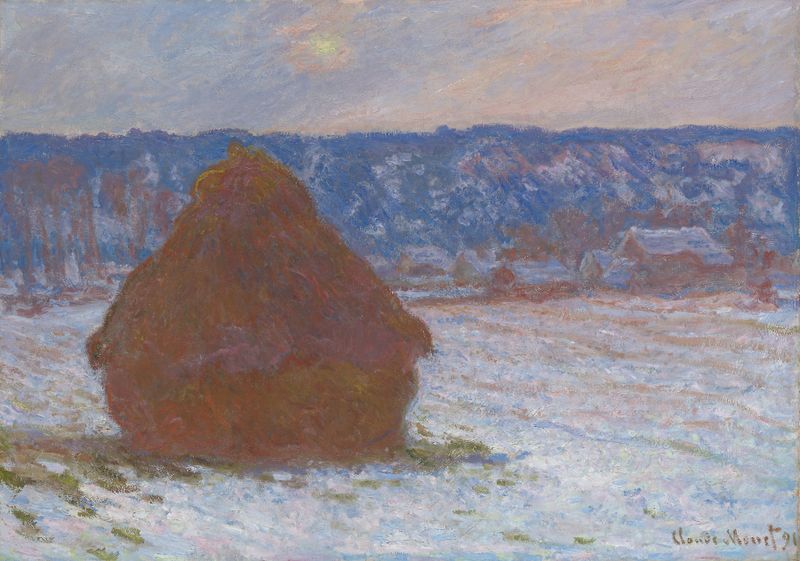
Did the painter know this moment would outlive them? In La Tamise, the essence of time captured in brushstrokes dances on the canvas, inviting reflection on the fleeting nature of life and the revolutionary power of art. Look to the left, where soft, luminous strokes depict the shimmering waters of the River Thames, catching the light in a way that evokes movement and life. The subtle gradations of blues and greens bleed into each other, creating an impressionist haze that invites the viewer to breathe in the atmosphere. Notice how the boats, mere whispers against the grandeur of the river, become almost ethereal, their forms diffusing into the background, while the skyline looms with a timeless presence, marked by hazy outlines of industrial structures. Delving deeper, one can’t ignore the contrast between the fluidity of the water and the rigidity of the architecture.
This juxtaposition speaks to the tension between nature and industry during a time of rapid change at the dawn of the 20th century. The gentle swirls of color hint at an emotional undercurrent, suggesting a world caught between nostalgia and progress — a moment before the revolutionary tides transformed everything. In 1901, while creating this piece, Monet was in Giverny, reflecting on the changes around him and the evolution of his artistic style. The world was embracing modernity, and the artist’s emphasis on light and color was part of a larger movement that sought to capture the essence of fleeting moments in a rapidly changing society.
La Tamise serves as both a personal exploration and a timeless statement about the beauty and transience of life.