
La tempête — History & Facts
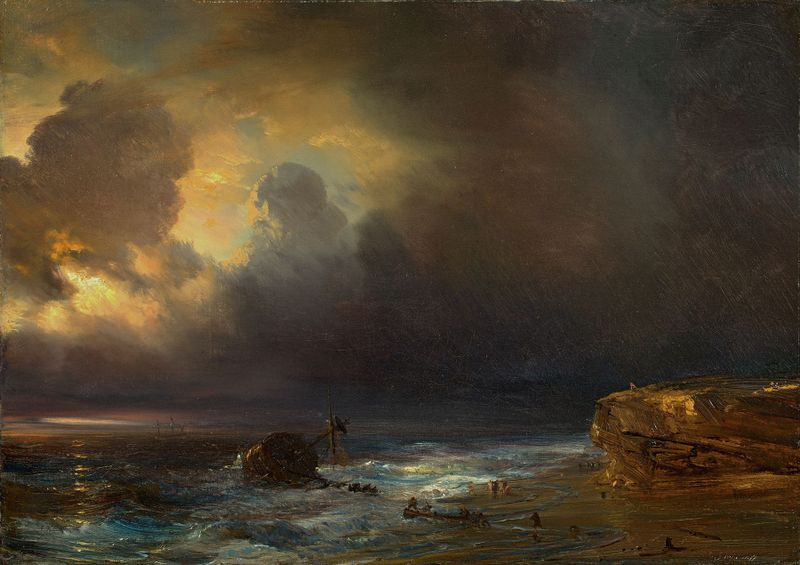
In the embrace of decay, a tempest brews within the canvas, echoing the quiet agony of forgotten tales. The storm is not just a physical presence; it is the metaphorical embodiment of turmoil, encapsulating the fragility of existence. Focus on the swirling waves to the left, where turbulent blues and grays create a sense of chaotic energy. Your gaze is drawn upward to the ominous sky, a cacophony of dark clouds and threatening light that hints at an impending clash.
Notice how the ships, mere silhouettes against the tempest, struggle against the overwhelming force of nature, their sails straining as if they are the very embodiment of resistance. The brushwork is both fierce and fluid, capturing the raw power of the storm while also suggesting an underlying beauty amidst the chaos. In this tumultuous scene, contrasts abound. The struggle between man and nature reveals an existential tension—one that speaks to the resilience of the human spirit.
Yet, there is an unsettling stillness in the way the ship's crew engages with their surroundings, hinting at an awareness of their vulnerability. The darker hues juxtaposed with fleeting moments of light reflect not only the physical storm but also the emotional tempest within, encapsulating the delicate balance between hope and despair. During a period of shifting artistic movements, the artist created this piece in the mid-19th century, likely influenced by Romanticism's celebration of nature's grandeur and humanity's struggles against it. While little is known about the specific circumstances during its creation, Gudin was gaining recognition for his ability to portray maritime scenes, reflecting both the beauty and the peril that the sea embodies in an era marked by exploration and tumult.
More Artworks by Théodore Gudin
Browse all →
Sormy Seas by a Chalk Coast
Théodore Gudin

The Gulf of Naples with View of Mount Vesuvius
Théodore Gudin
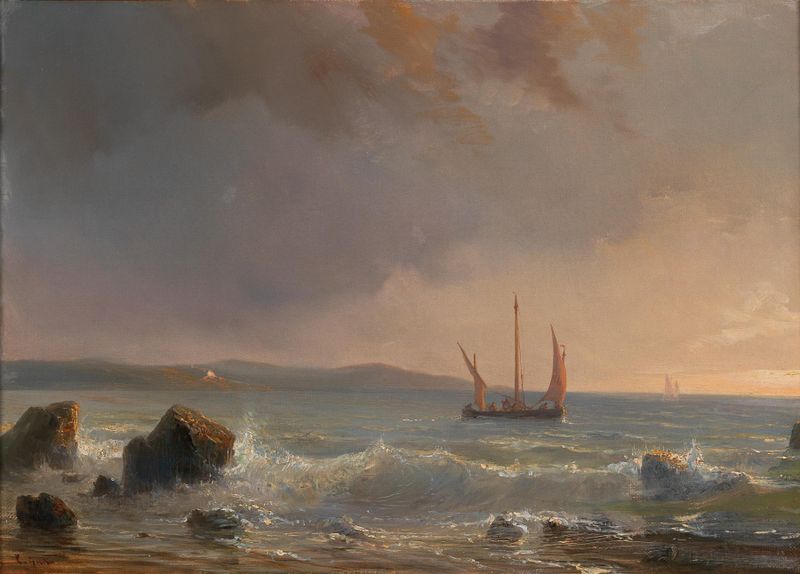
Abendstimmung über einer Meereslandschaft mit Segelbooten
Théodore Gudin
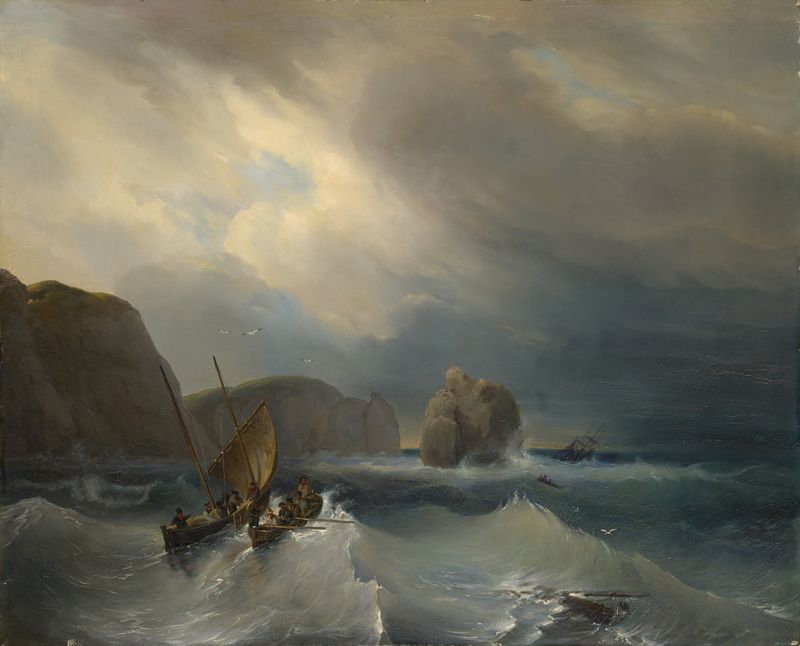
Rough Sea with Ships
Théodore Gudin

Fishermen at the harbour wall, low tide
Théodore Gudin
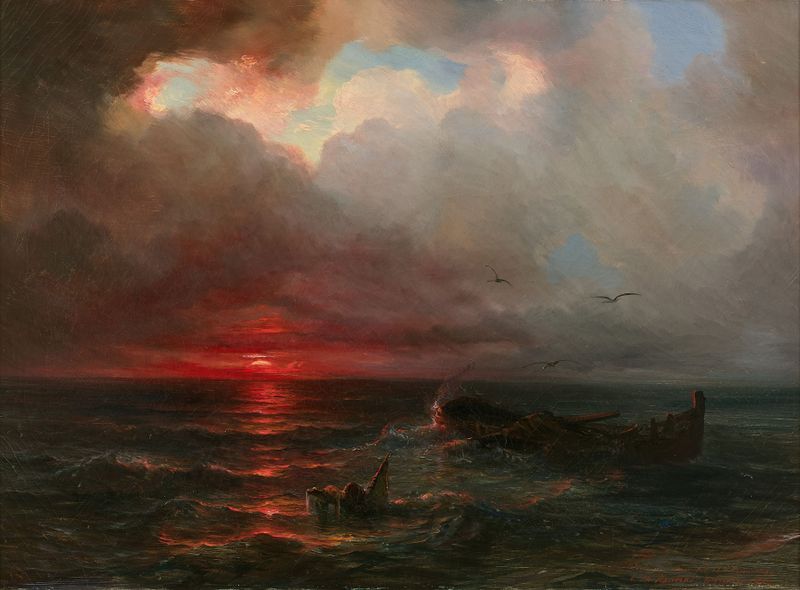
Coucher de soleil sur un littoral
Théodore Gudin
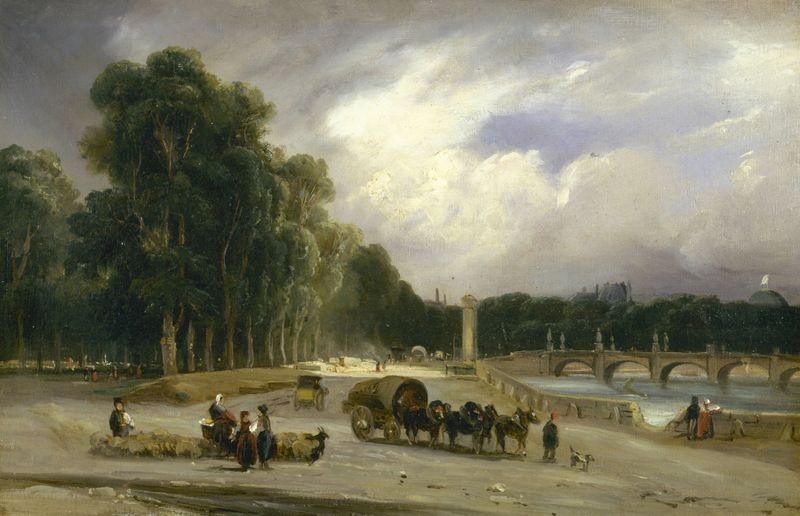
Le Cours-la-Reine
Théodore Gudin
Coastal scene by moonlight
Théodore Gudin
View Of Constantinople
Théodore Gudin

Shipwreck at Castello sul Mare in Rapallo
Théodore Gudin





