
La Tour Alexandre en 1827, et la fontaine Saint-Victor — History & Facts
Within the chaotic layers of life, it harbors stillness, capturing moments that pulse with unspoken stories. Look closely at the foreground as it unfolds; the fountain stands resolute, water cascading like a silver veil. The vibrant hues of green and blue intermingle with the earthy tones of the surrounding architecture, creating a tapestry that invites your eye to wander. Notice how the light plays upon the surface of the water, shimmering with an almost ethereal glow, while shadows lurk in the crevices of the aged stone.
This interplay of dark and light speaks of the day’s approach, hinting at both beauty and decay in equal measure. Delve deeper, and you uncover layers of meaning that evoke emotional tension—the fountain, a symbol of life and refreshment, juxtaposes the quiet decay of the city around it. The figures, though seemingly lost in their own little worlds, are interconnected by the flowing water, binding their fates in the chaos of urban existence. Each brushstroke seems to whisper tales of joy and sorrow, illustrating a community marked by resilience even amidst the disorder. In 1827, the artist found himself in a transformative period, painting this work during his time in France.
The world of art was evolving rapidly, with Romanticism giving way to new explorations of realism. Shotter Boys, whose focus on capturing urban landscapes and the interplay of nature with architecture, was influenced by these shifts, creating a vibrant tableau that reflected both the tumult of the age and the enduring strength of the human spirit.
More Artworks by Thomas Shotter Boys
Browse all →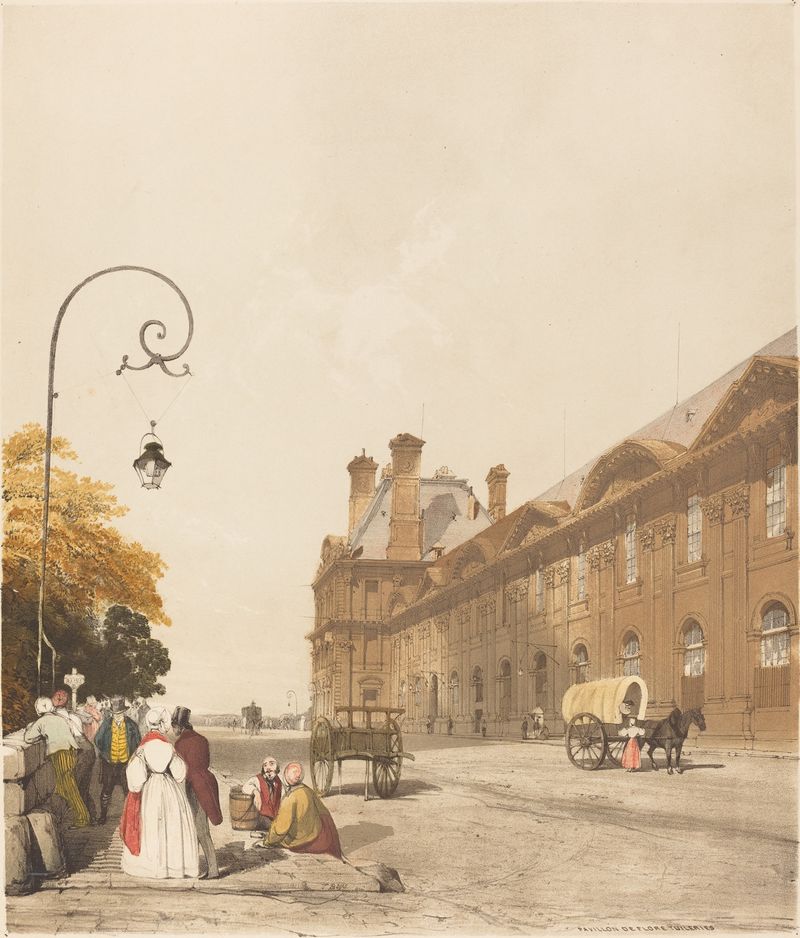
Pavillon de Flore, Tuileries
Thomas Shotter Boys
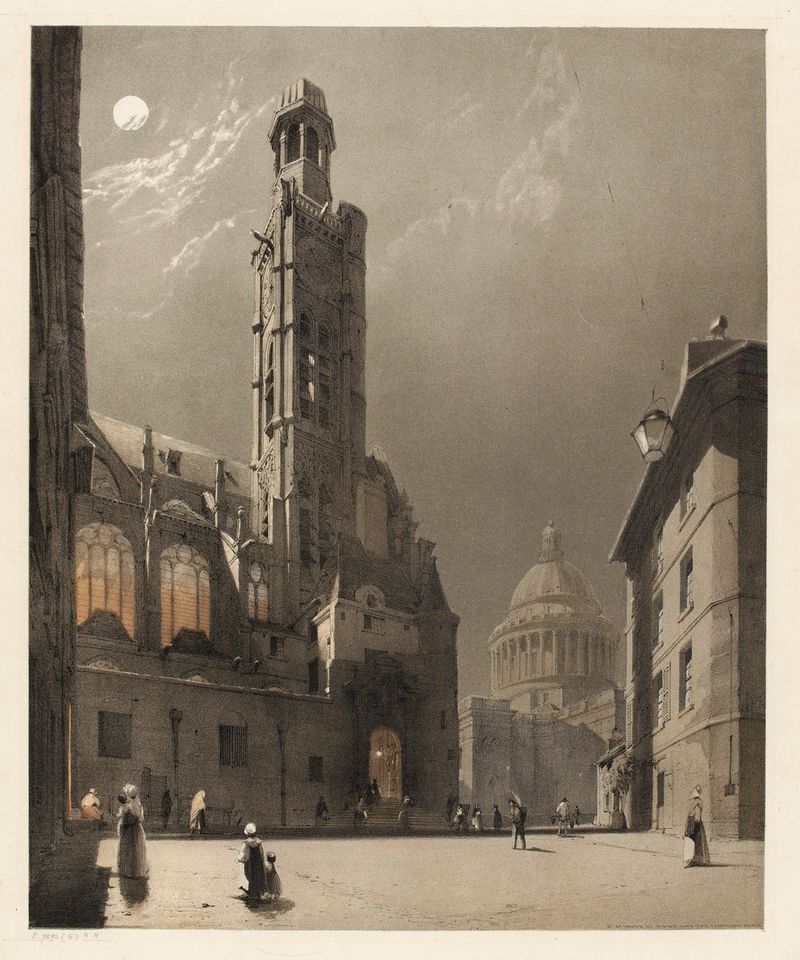
St Etienne du Mont and the Panthéon, Paris
Thomas Shotter Boys
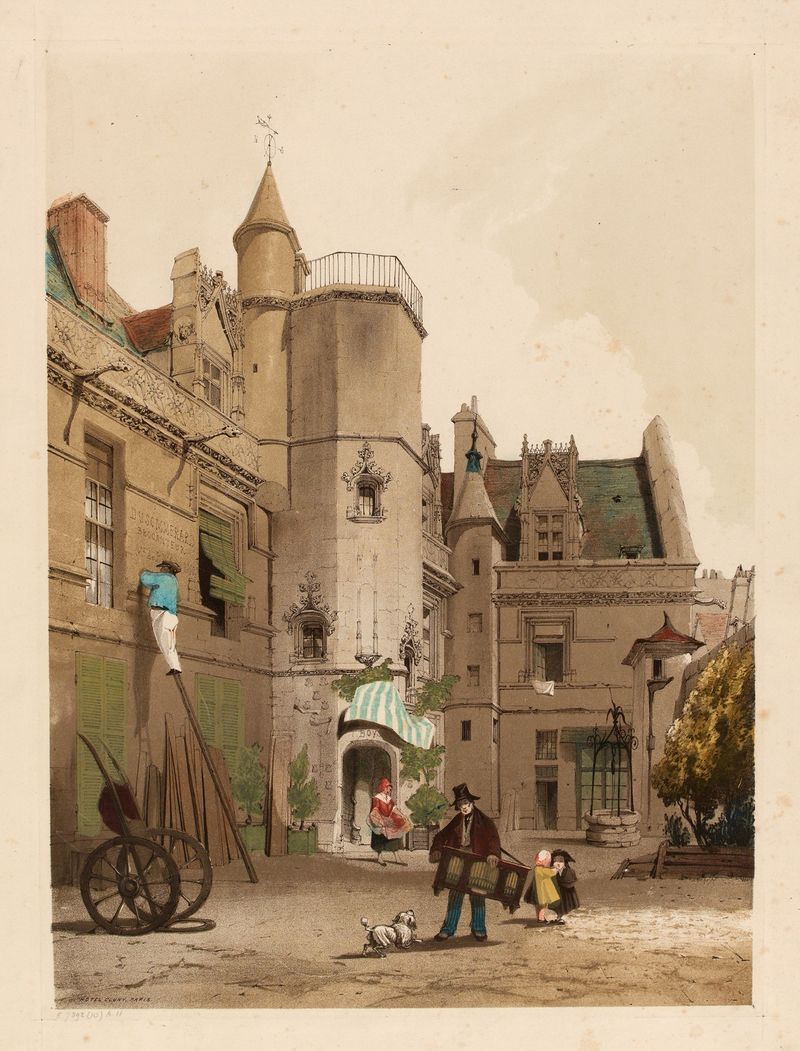
Hôtel Cluny, Paris.
Thomas Shotter Boys
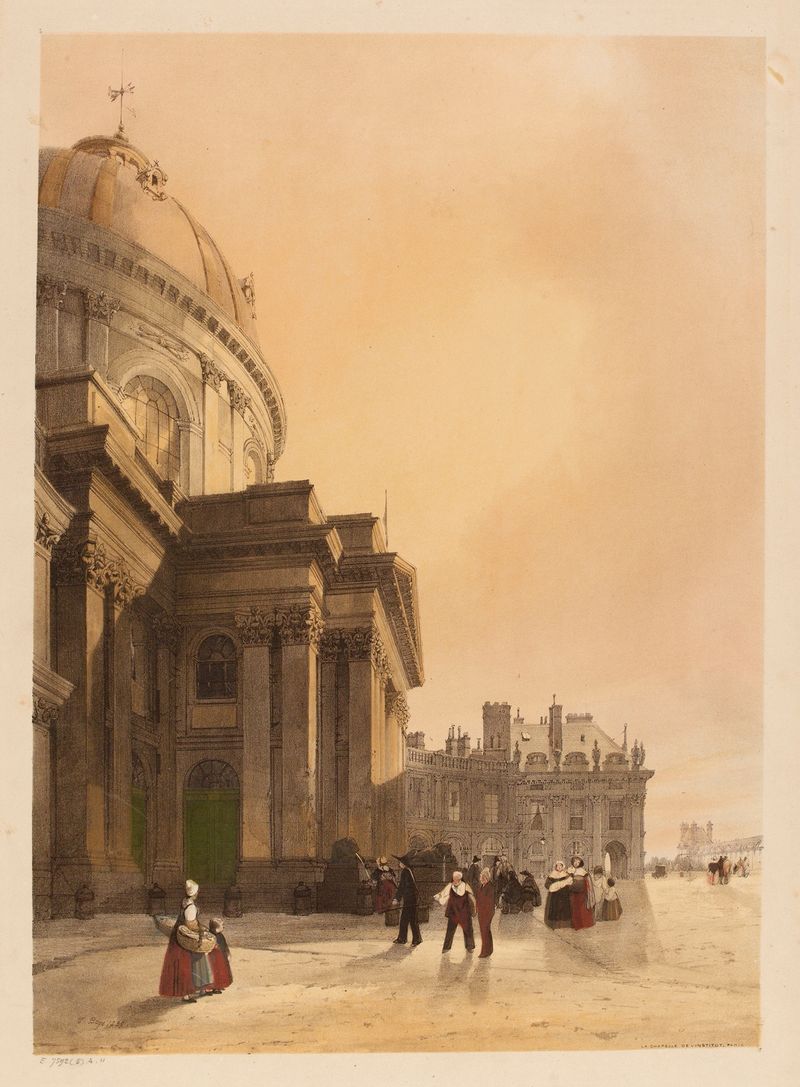
La chapelle de l’Institut, Paris
Thomas Shotter Boys
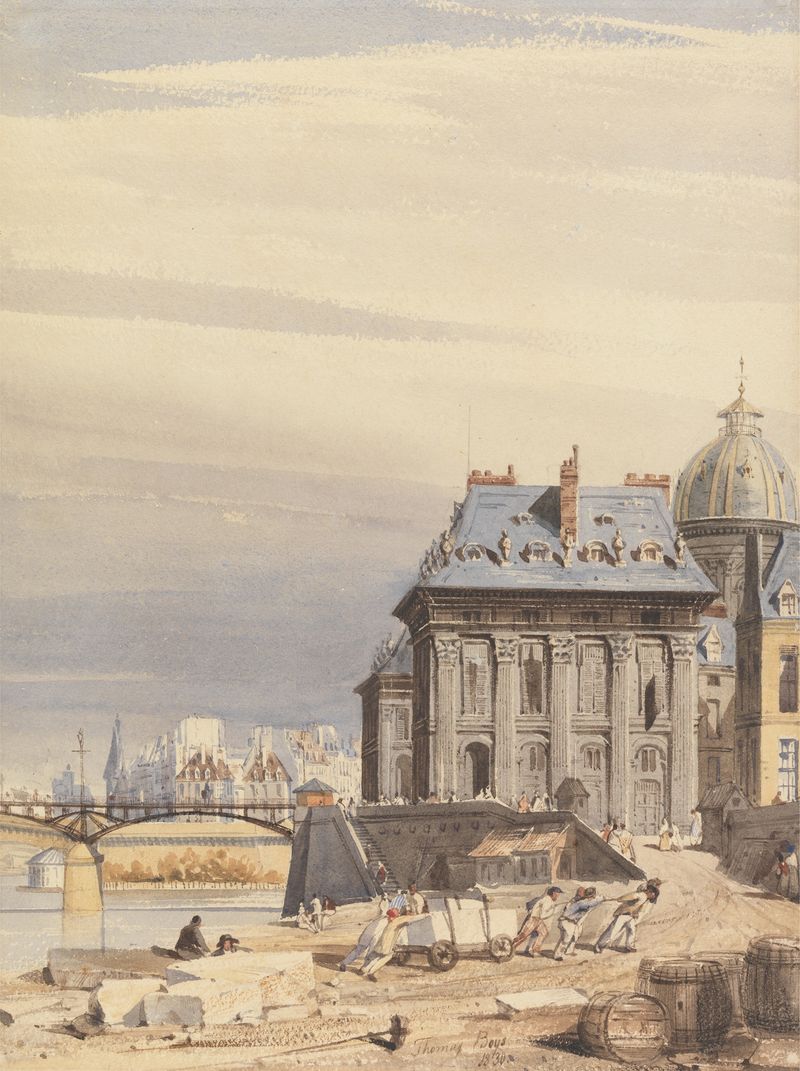
L’Institut de France, Paris
Thomas Shotter Boys
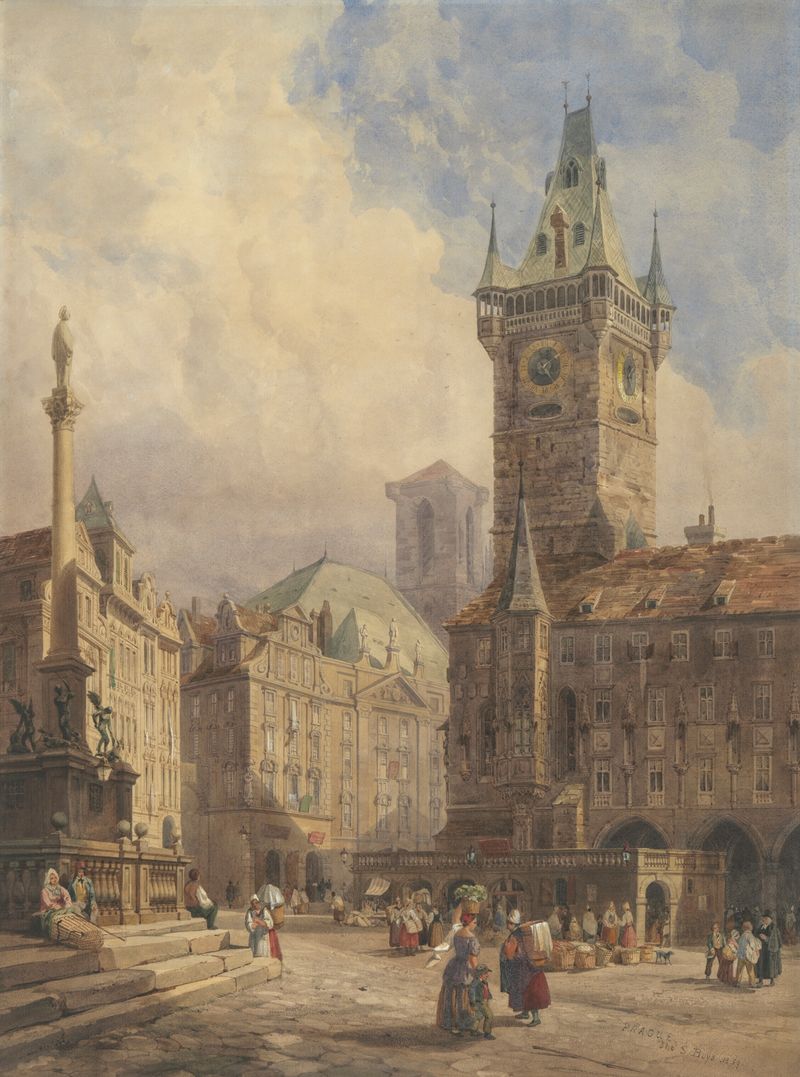
Rathaus from Old Town Square, Prague
Thomas Shotter Boys
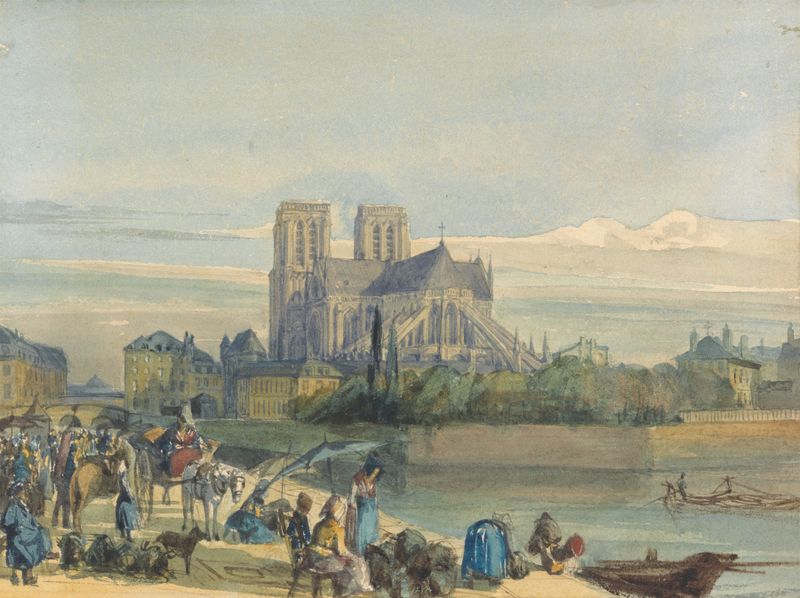
Notre Dame, Paris
Thomas Shotter Boys
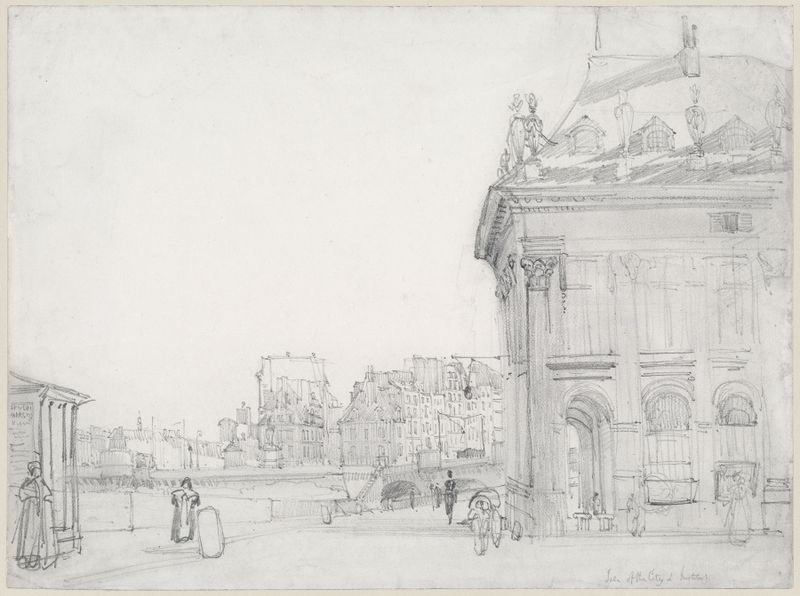
Ile de la Cité from the Institut, Paris
Thomas Shotter Boys
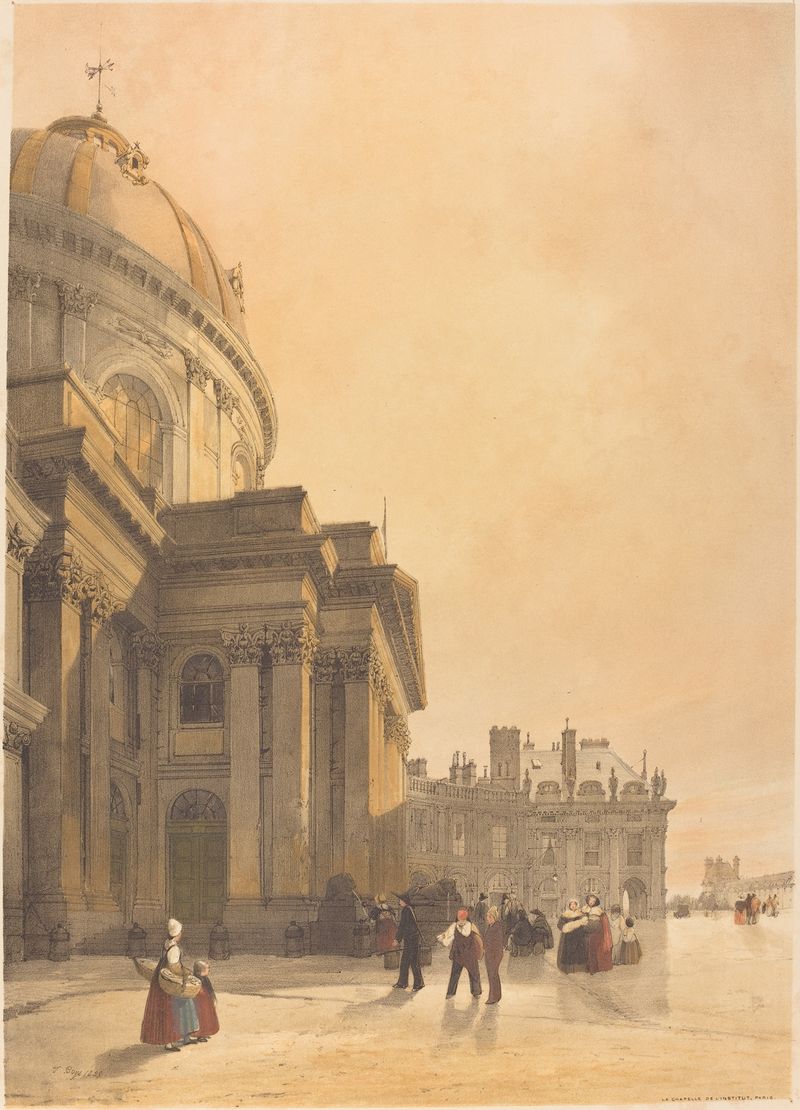
La Chapelle de l’Institut, Paris
Thomas Shotter Boys
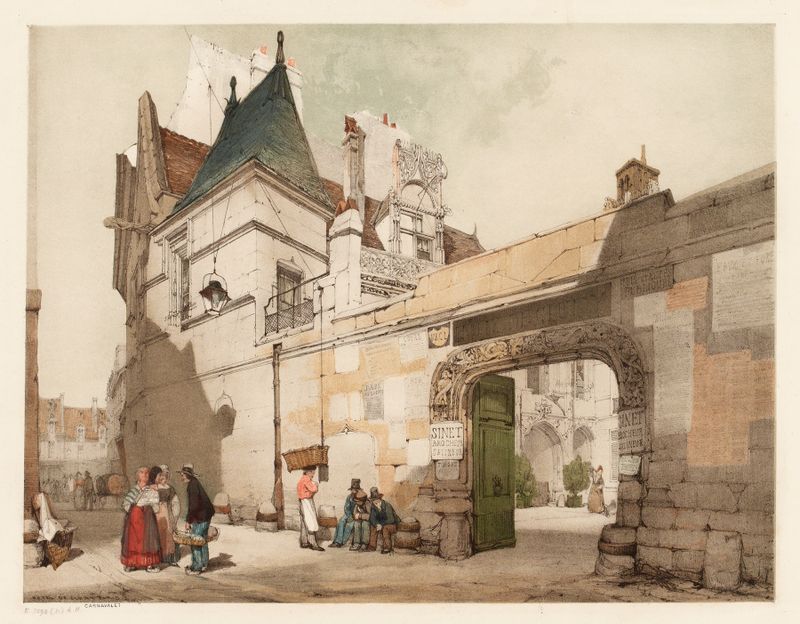
Hôtel de Cluny, Paris
Thomas Shotter Boys





