
La vague — History & Facts
In the dance of waves and hues, a delicate equilibrium emerges, inviting contemplation and reflection. Look to the left at the gentle crest of a wave, frothy whites curling against the deep azure of the sea. The artist employs a palette that ranges from cerulean to cobalt, illustrating the water's embrace of light. Notice how the horizon blurs, merging sky and ocean, creating a seamless boundary that invites the viewer into a tranquil, yet dynamic, expanse.
The brushstrokes, fluid and rhythmic, mimic the motion of water — a visual symphony that captivates the eye. Beneath the serene surface lies a deeper tension: the struggle between chaos and calm. Each wave suggests a story of relentless pursuit and the human experience of grappling with nature's power. The soft glow of sunlight reflects on the water's surface, symbolizing hope amidst turmoil.
Simultaneously, the muted shadows hint at the hidden depths of despair, illustrating the fragile balance between peace and unrest. During the period from 1850 to 1860, Félix Ziem painted La vague in Venice, a city marked by its maritime heritage. It was a time of artistic exploration as Ziem was influenced by Romanticism and the emerging Impressionist movement. His work sought to capture the spirit of nature and the play of light, positioning him as a crucial figure in the transition of European landscape painting.
More Artworks by Félix Ziem
Browse all →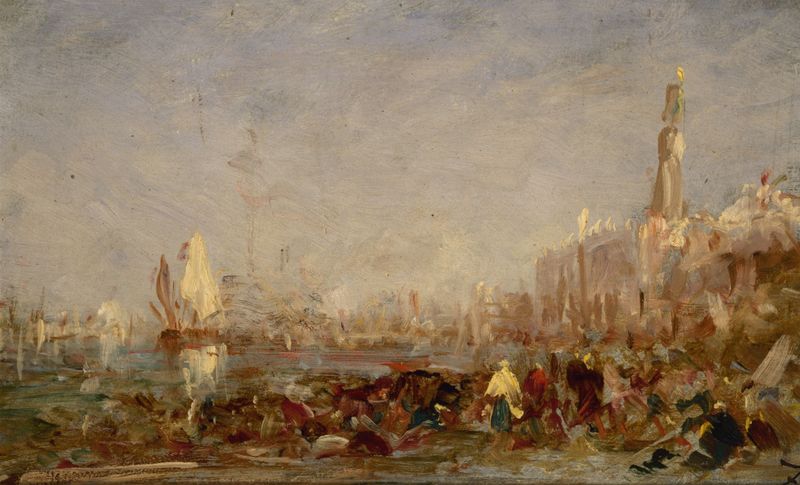
Venise
Félix Ziem
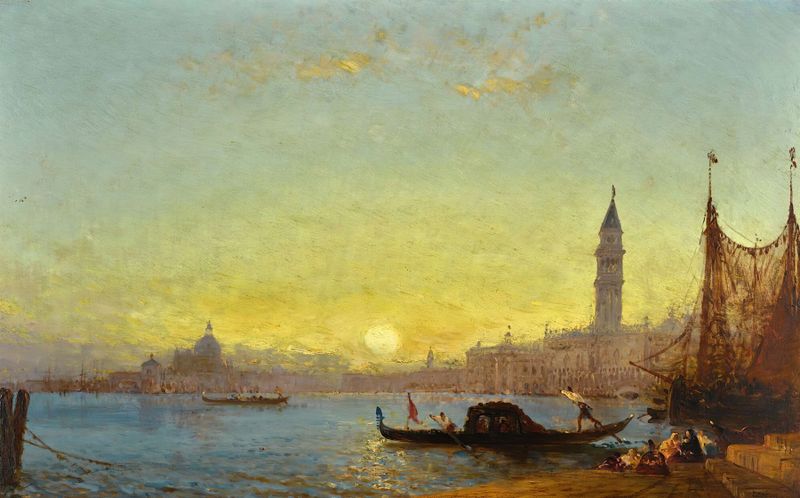
Coucher De Soleil À Venise
Félix Ziem
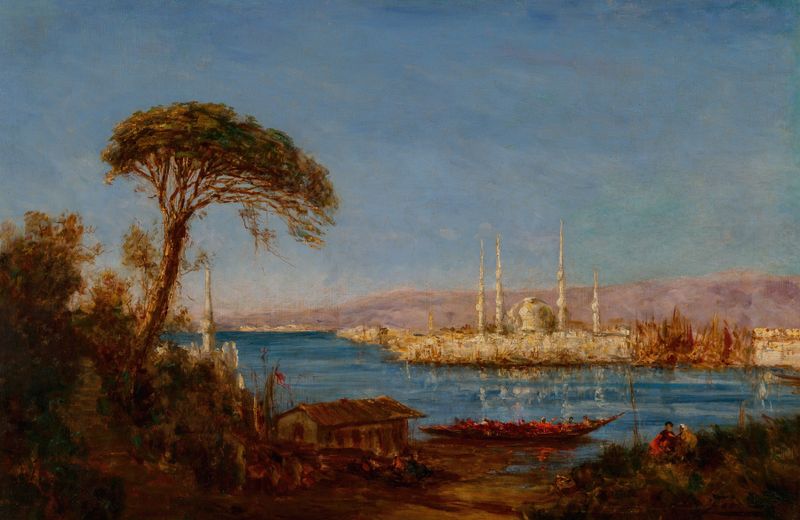
Constantinople
Félix Ziem
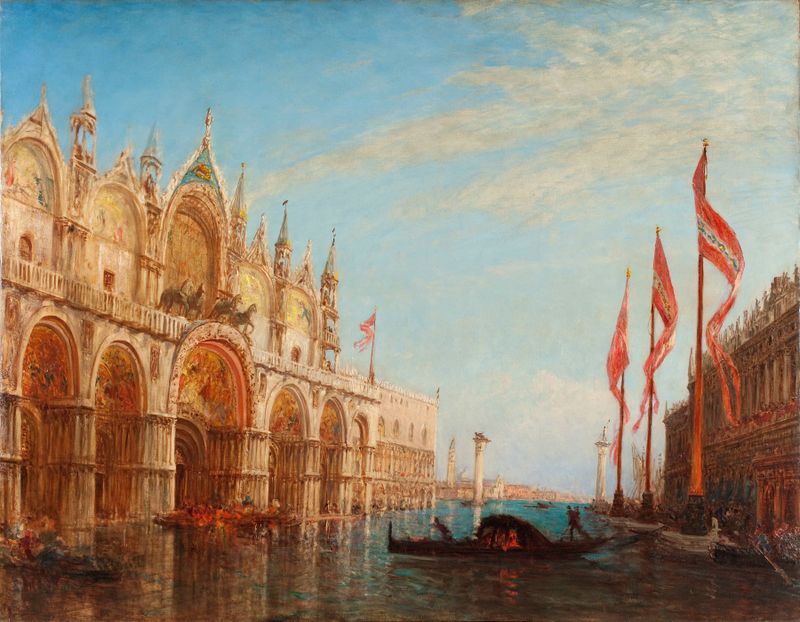
La place Saint-Marc, inondation de 1863
Félix Ziem
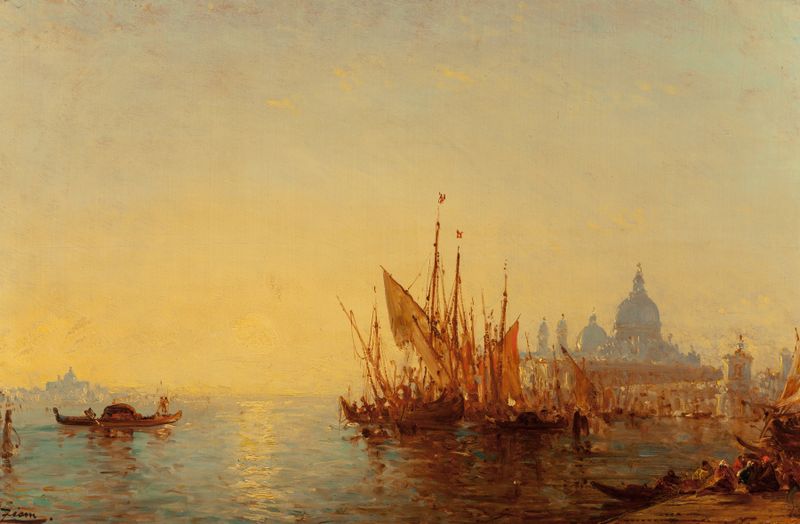
Bacino di San Marco
Félix Ziem
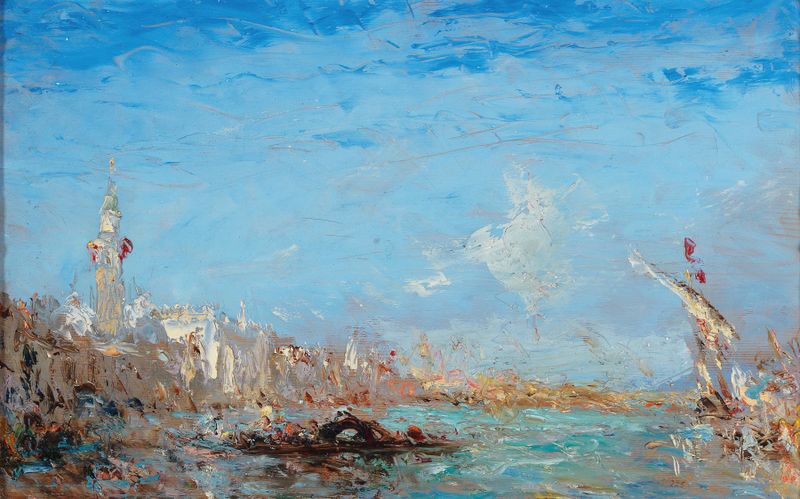
Canal Grande
Félix Ziem
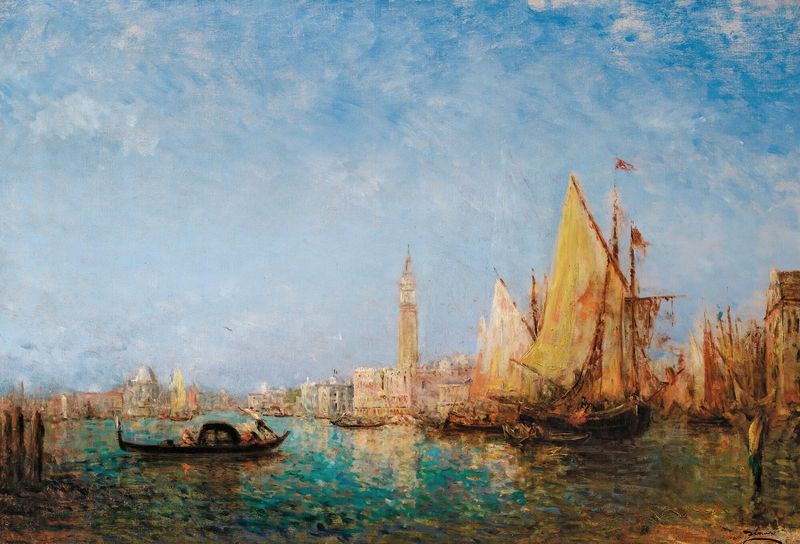
Le Palais Du Doge, Venise
Félix Ziem
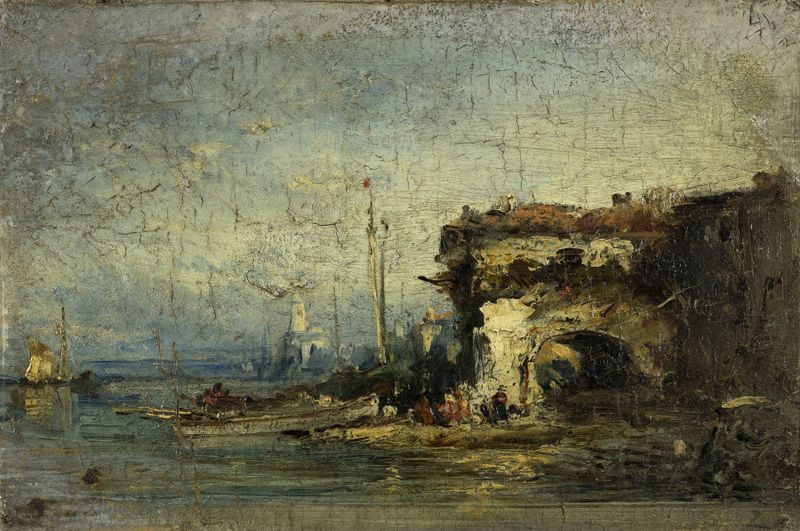
Vue d’Italie; la vieille porte
Félix Ziem
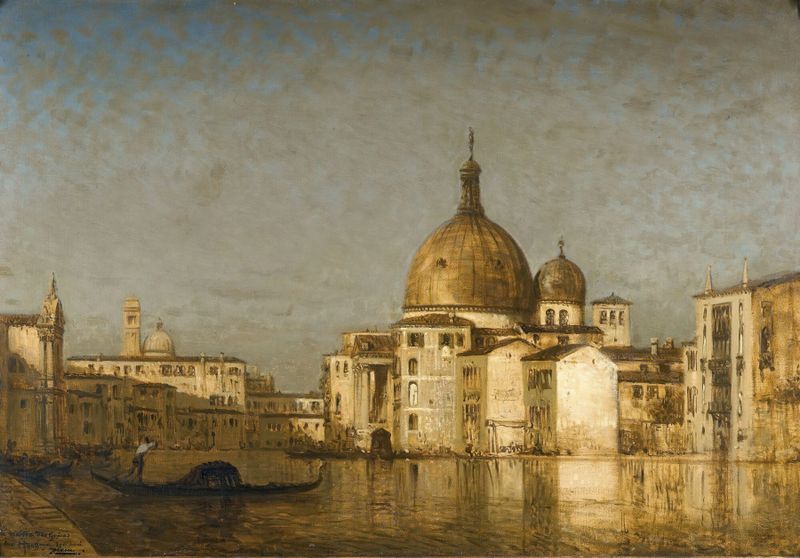
San Simeone Piccolo Au-Delà Du Grand Canal, Venis
Félix Ziem
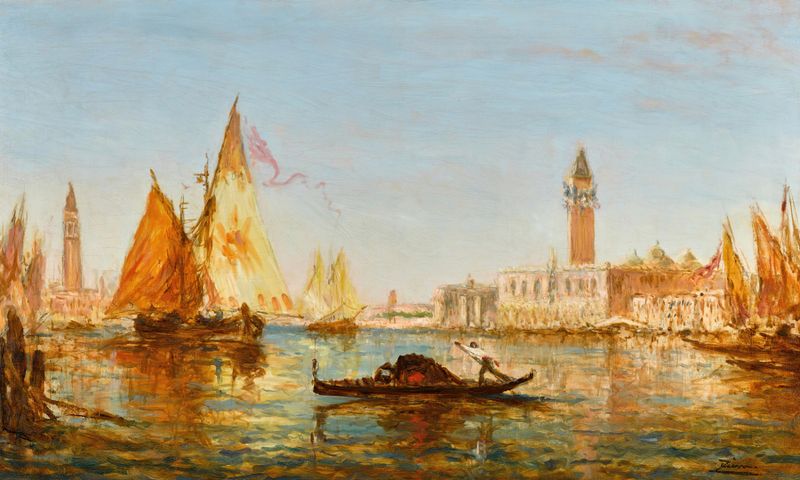
Venise, gondole et voiliers devant le Palais des doges et San Giorgio Maggiore
Félix Ziem





