
La Vallée Industrielle de la Sambre — History & Facts
Is this a mirror — or a memory? In La Vallée Industrielle de la Sambre, a haunting reflection on mortality intertwines with the relentless march of industrial progress. The painting captures a fleeting moment, an intersection where nature and machinery coexist, provoking introspection about what is being lost in the name of modernity. Look to the left at the ghostly silhouettes of factories reaching toward the sky, their smokestacks exhaling wispy plumes of smoke that mingle with the evening light. Notice how the palette shifts from vibrant greens and blues of the landscape to the muted browns and grays of industry, evoking a sense of discord.
The soft brushwork blurs the edges of the trees, while the stark lines of the buildings cut through the softness, emphasizing the encroaching presence of progress upon nature. Delve deeper into the contrast presented; the vibrancy of life in the foreground against the backdrop of a stark industrial landscape speaks of resilience yet hints at decay. The small boats on the river, gliding silently, serve as a metaphor for humanity’s fleeting existence amidst the vast, unyielding machinery. Here lies a tension between the serenity of nature and the inevitable, relentless advance of industry, highlighting the fragility of life itself. In the late 1890s, while residing in Paris, Luce painted this work amidst a burgeoning fascination with the industrial age and its social implications.
This period marked the rise of Post-Impressionism, where artists began to infuse their work with personal emotions and social commentary. Luce, influenced by the Impressionists but also concerned with the changing landscape of society, sought to capture the duality of progress and its impact on human existence in this evocative piece.
More Artworks by Maximilien Luce
Browse all →
Le Quai Montebello Et La Colline Sainte-Geneviève
Maximilien Luce

Le Pont-Neuf, La Seine, Petit Bras
Maximilien Luce
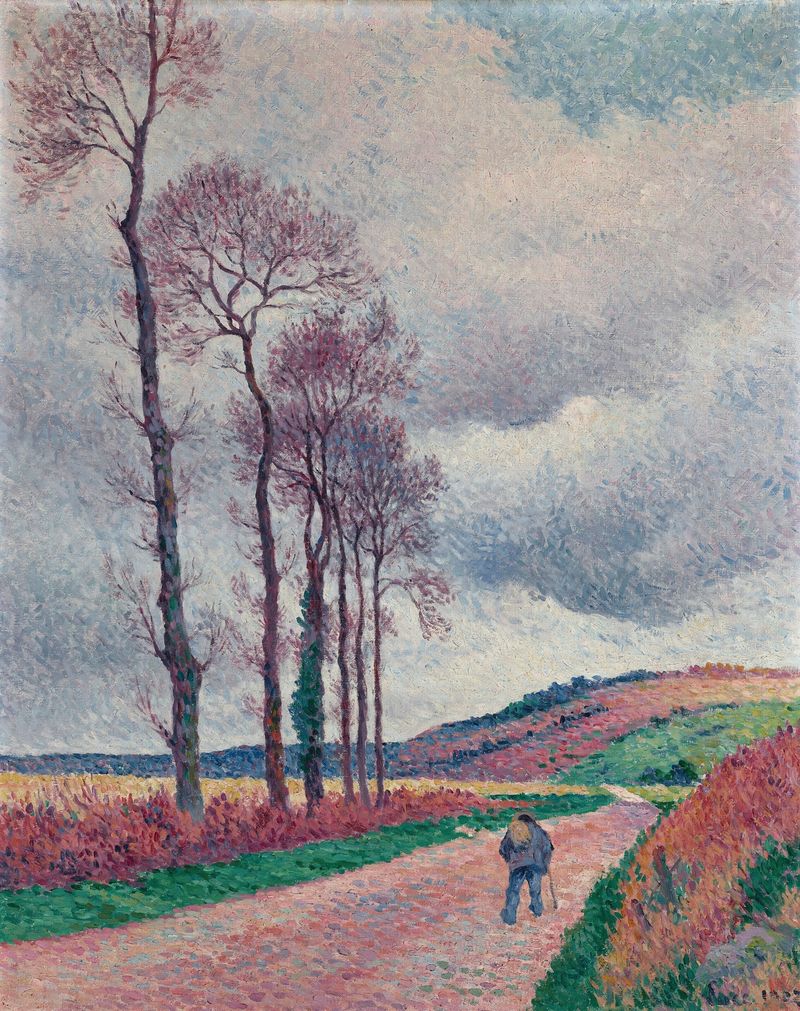
La route aux environs de Méréville
Maximilien Luce
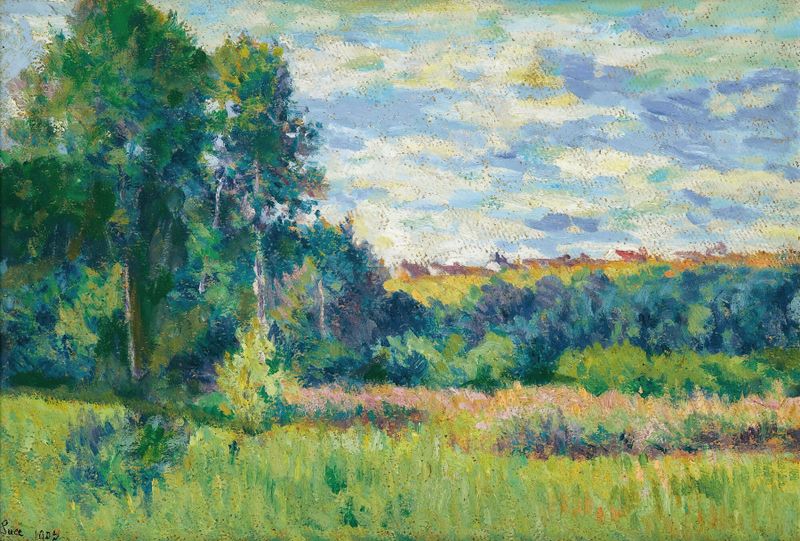
Paysage
Maximilien Luce
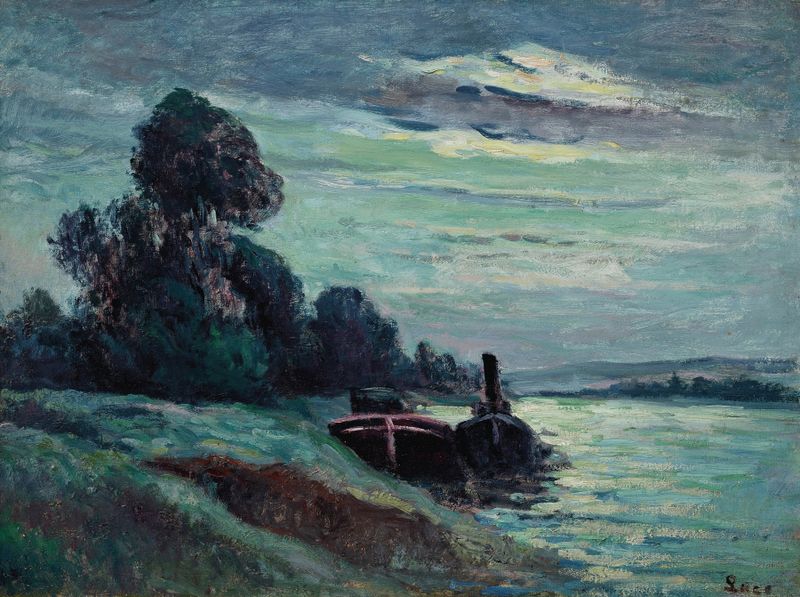
Péniches sur la Seine
Maximilien Luce

Notre Dame de Paris
Maximilien Luce
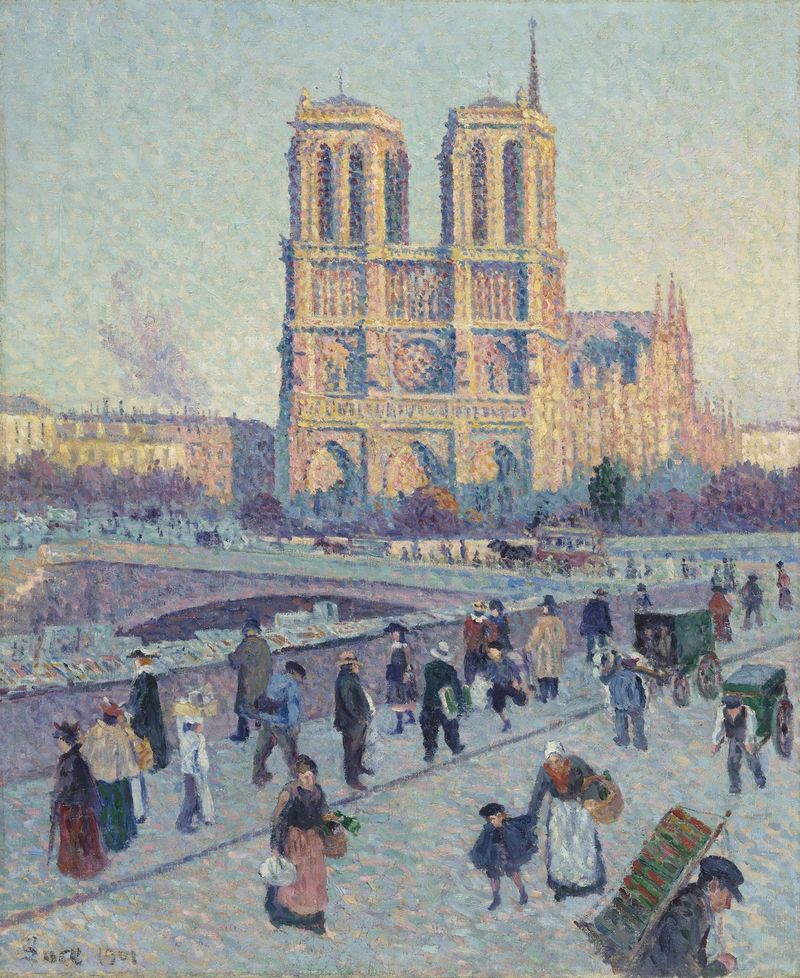
The Quai Saint-Michel and Notre-Dame
Maximilien Luce

La Seine au Pont Mirabeau
Maximilien Luce
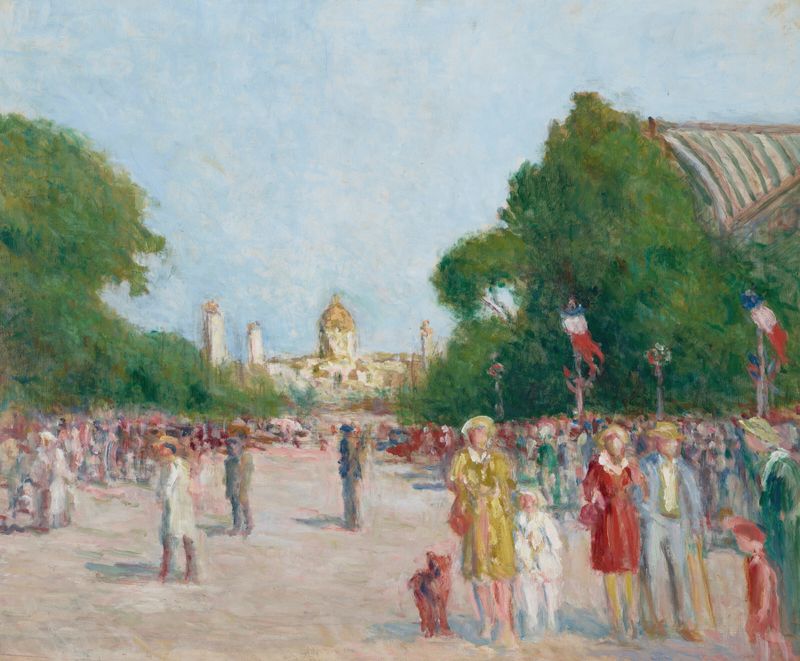
L’avenue Winston-Churchill, Paris
Maximilien Luce

Paris, Le Quartier De Vaugirard
Maximilien Luce





