
Laatste Avondmaal — History & Facts
Who listens when art speaks of silence? In Laatste Avondmaal, a profound equilibrium emerges, inviting reflection on profound themes of faith, sacrifice, and the weight of human connection. Look to the center of the composition, where figures converge around a table laden with bread and wine. Dürer's meticulous attention to detail illuminates each face; expressions range from serenity to contemplation, drawing the viewer’s eye across the canvas. Notice how the soft light dances upon their garments, creating a delicate interplay of shadow and illumination that suggests both physical presence and spiritual significance. Beneath the surface of this gathering, contrasts resonate deeply—familiarity and estrangement, celebration and foreboding.
The symmetry of the arrangement speaks to balance, yet the turmoil hidden in the figures' gazes hints at the betrayal soon to unfold. Each element, from the delicate folds of fabric to the carefully placed objects, underscores a complex narrative of communion and impending sacrifice. In 1523, Albrecht Dürer created this work during a period marked by personal exploration and a burgeoning Renaissance in Northern Europe. At this time, he was navigating his role as a master artist while grappling with the shifts in religious thought and artistic expression.
The canvas reflects his synthesis of these influences, charting a path that intertwines the sacred with the human experience in a way that continues to resonate today.
More Artworks by Albrecht Dürer
Browse all →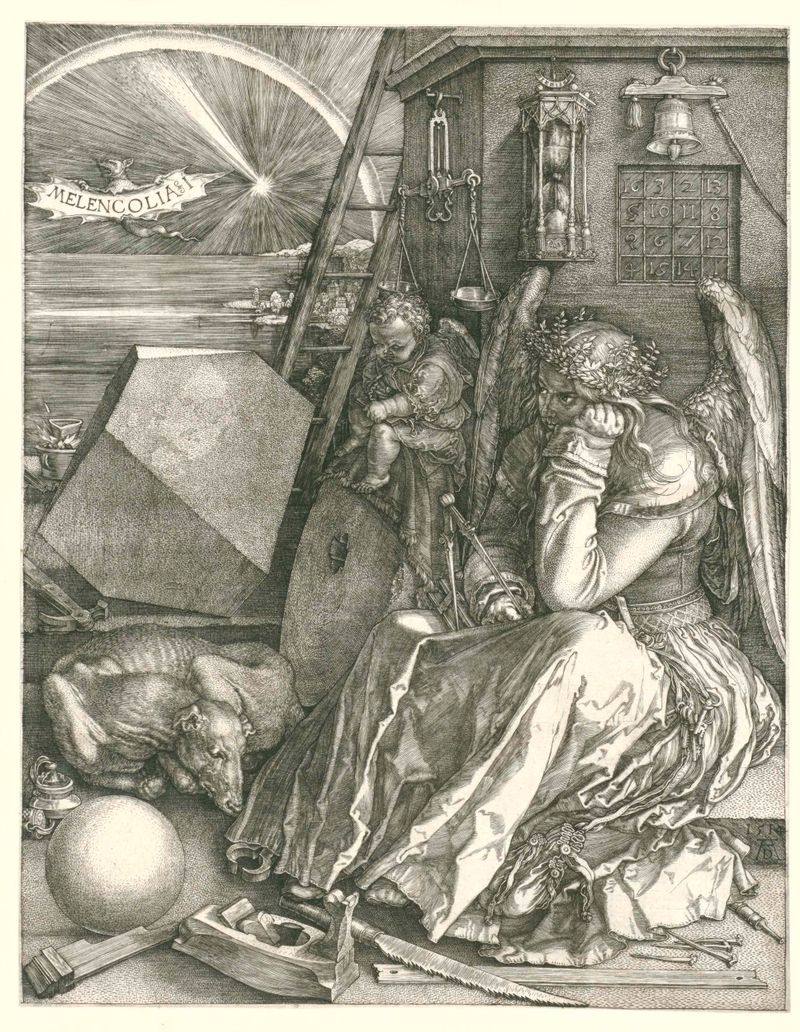
Melancholia
Albrecht Dürer
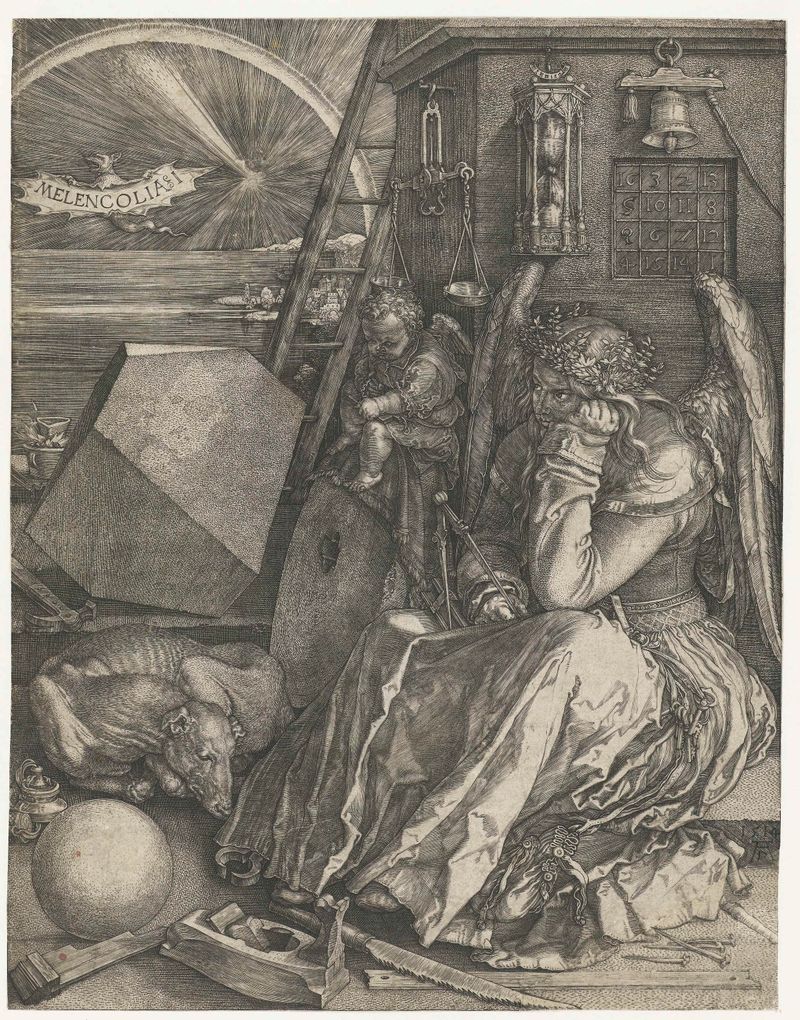
Melancholie
Albrecht Dürer

Neushoorn
Albrecht Dürer
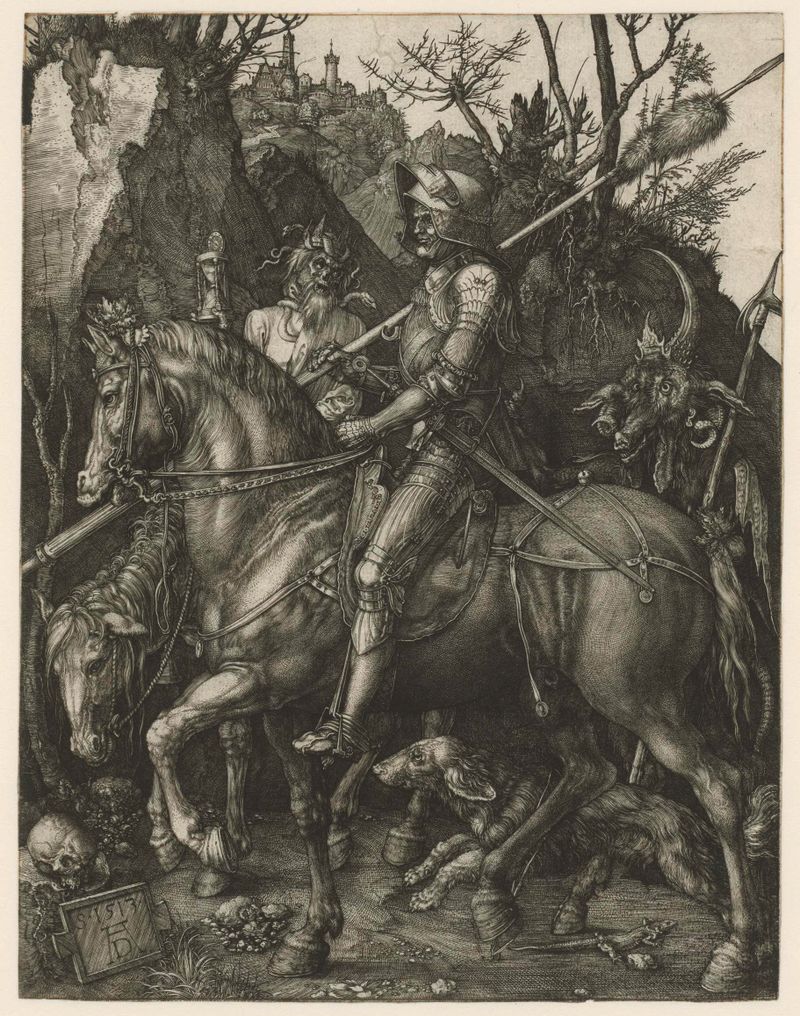
Knight, Death, and the Devil
Albrecht Dürer

De vier ruiters van de apocalyps
Albrecht Dürer

De vier ruiters van de apocalyps
Albrecht Dürer
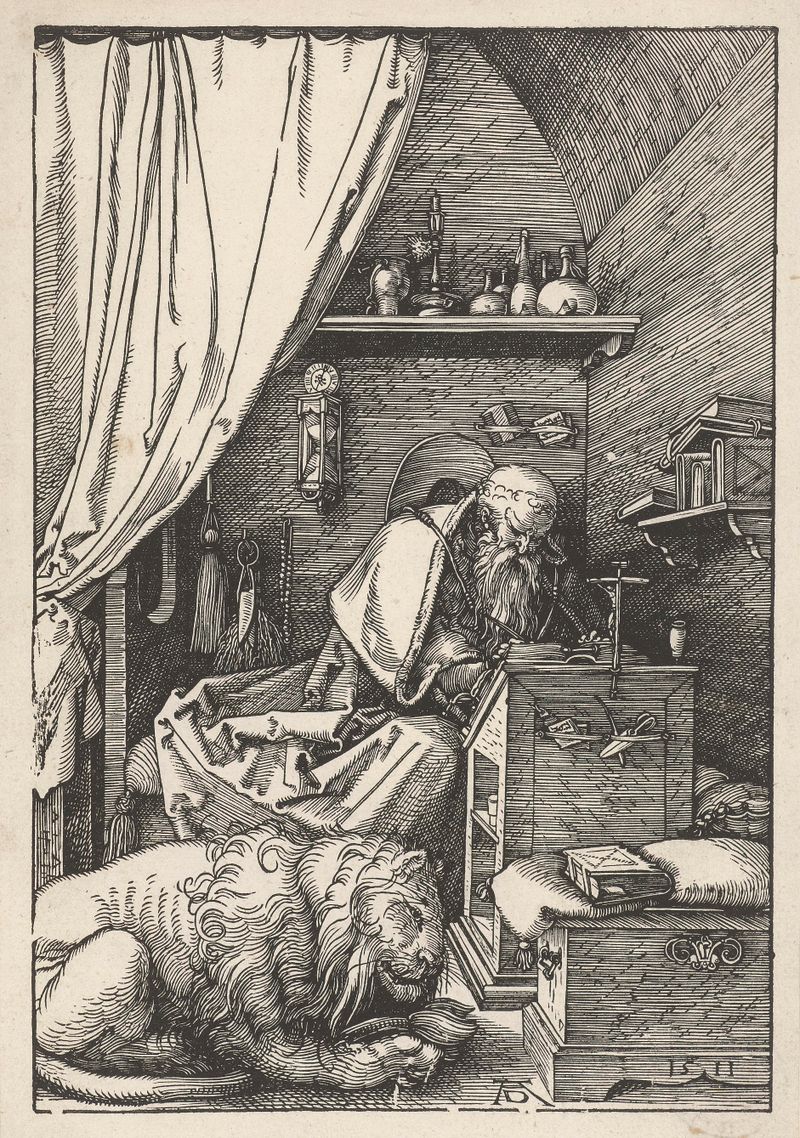
De Heilige Hiëronymus in zijn studeervertrek
Albrecht Dürer
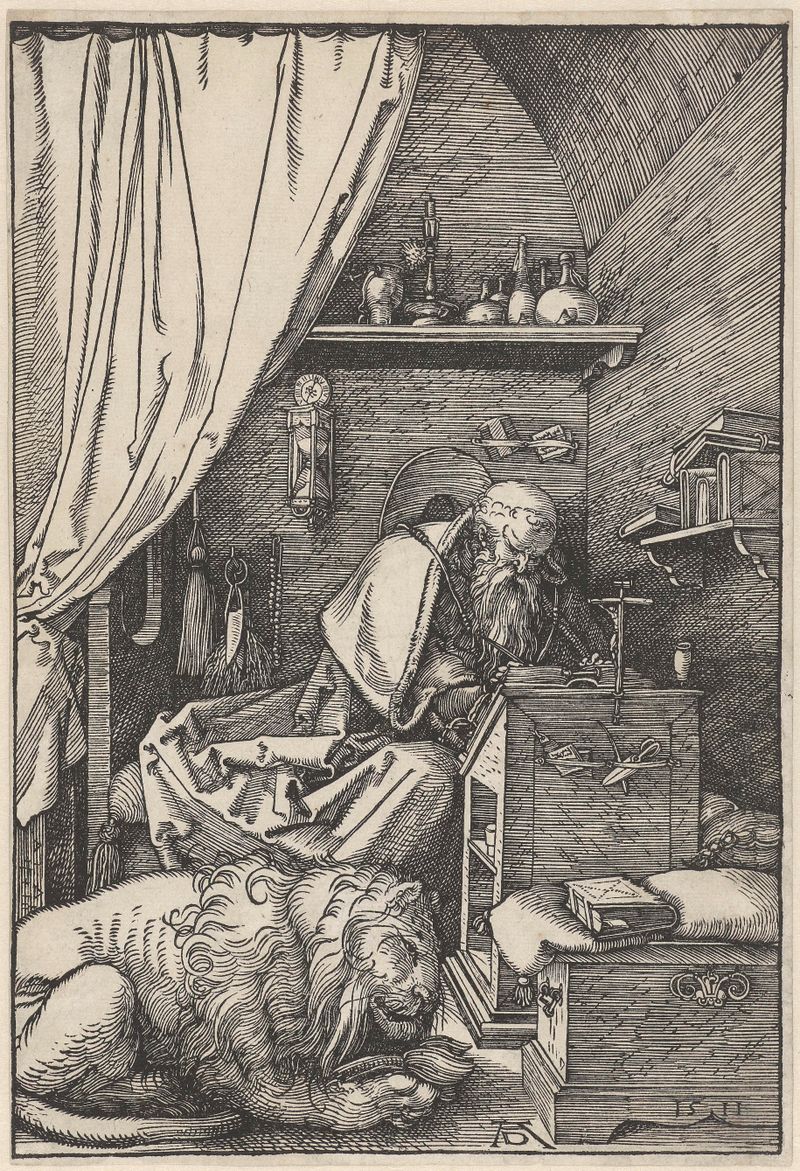
De Heilige Hiëronymus in zijn studeervertrek
Albrecht Dürer
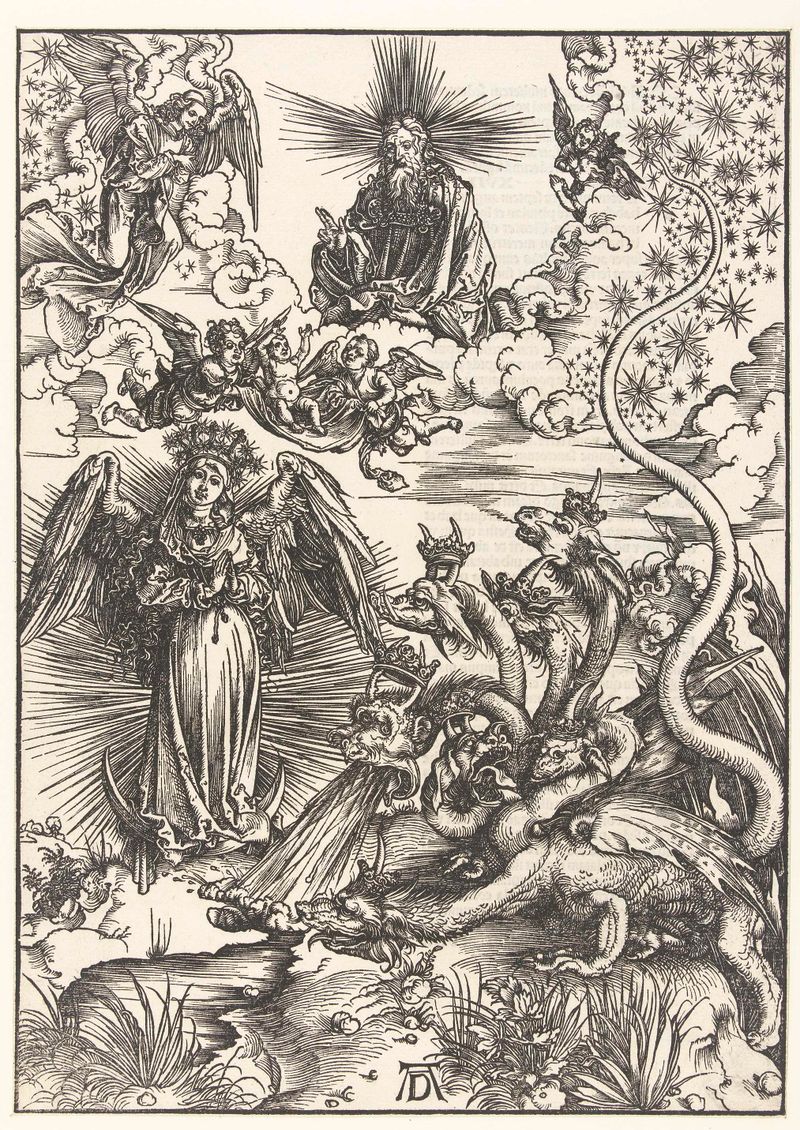
De apocalyptische vrouw en de zevenkoppige draak
Albrecht Dürer
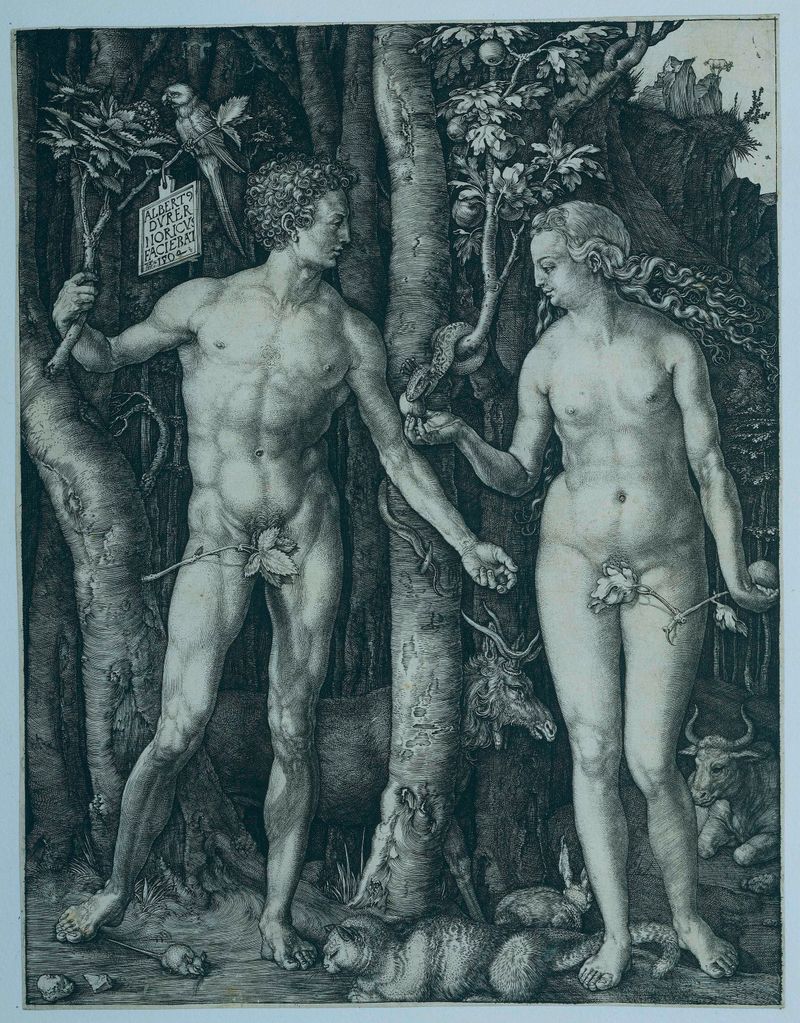
Adam en Eva
Albrecht Dürer
More Religious Art
Browse all →
The Return of the Prodigal Son
Rembrandt van Rijn

The Garden of Earthly Delights
El Bosco

Count Orgaz’ funeral
El Greco

The Hundred Guilder Print: the central piece with Christ preaching, the plate arched
Rembrandt van Rijn

The Descent from the Cross
Rogier van der Weyden

The return of the prodigal son
Rembrandt van Rijn