
Laatste Avondmaal — History & Facts
The echoes of time whisper through the colors of the past, reminding us of the delicate balance between joy and sorrow. Look to the center of the composition where figures gather around a table, their expressions a tapestry of solemnity and reflection. Notice how the rich, deep hues of the drapery contrast with the illuminated faces, each meticulously detailed, revealing the skillful hand of the artist. The interplay of light and shadow draws the eye towards the bread and wine, symbols of sustenance and sacrifice, connecting the earthly and the divine in a moment suspended in nostalgia. Amidst the gathering, subtle gestures speak volumes; a hand reaching out is both an invitation and a farewell.
The tension between the figures, their varied postures, reflects a poignant blend of unity and impending separation. Each face holds a story, a glimmer of shared memories tinged with longing for what was and what may be lost, encapsulating the bittersweet essence of human connection. In 1510, Albrecht Dürer was at a pivotal moment in his career, living in Nuremberg, where he was deeply engaged in exploring themes of spirituality and humanity. His reputation as a master draftsman was firmly established, yet he sought to elevate his craft through this intricate compositions, merging traditional iconography with a deeply personal touch.
The burgeoning Renaissance was reshaping the art world, and through works like Laatste Avondmaal, Dürer both aligned with and challenged contemporary ideals, leaving a profound legacy that resonates to this day.
More Artworks by Albrecht Dürer
Browse all →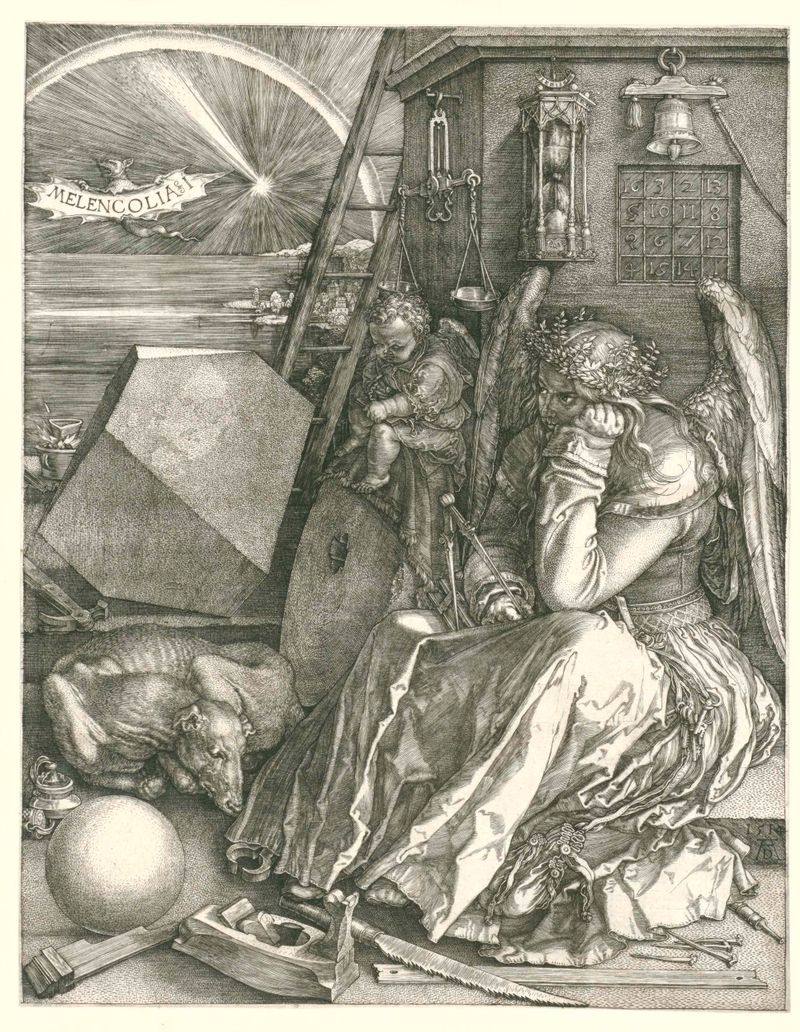
Melancholia
Albrecht Dürer
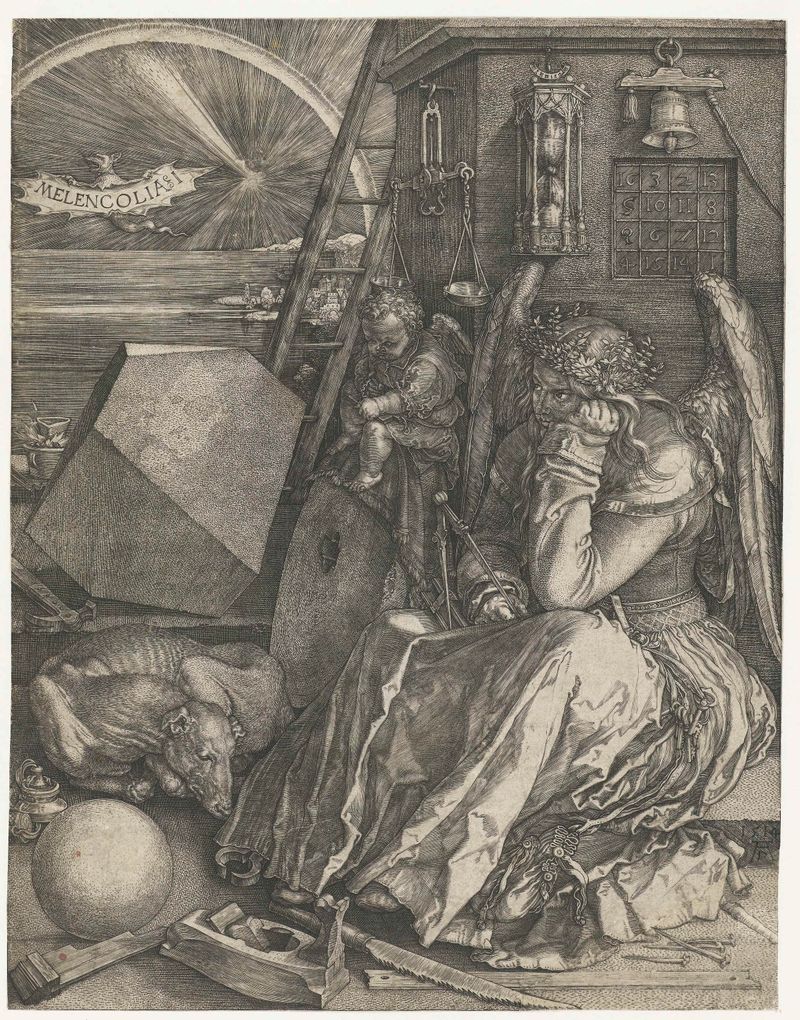
Melancholie
Albrecht Dürer
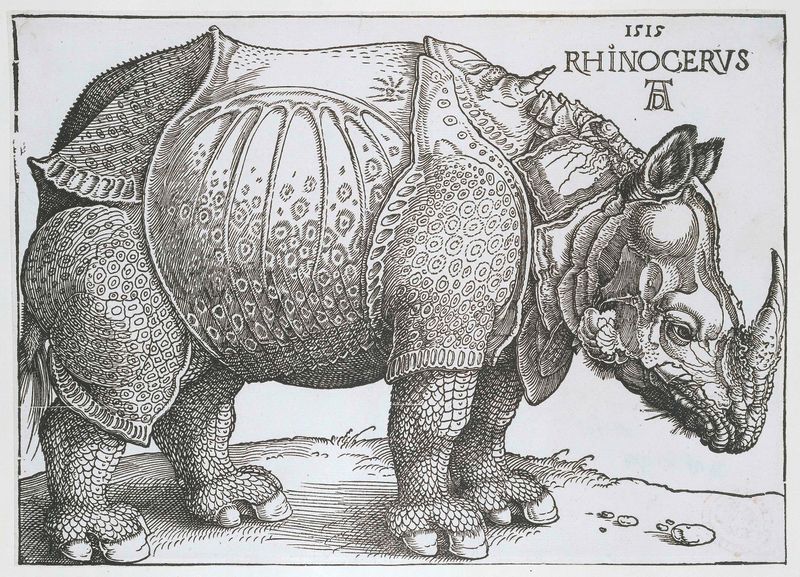
Neushoorn
Albrecht Dürer
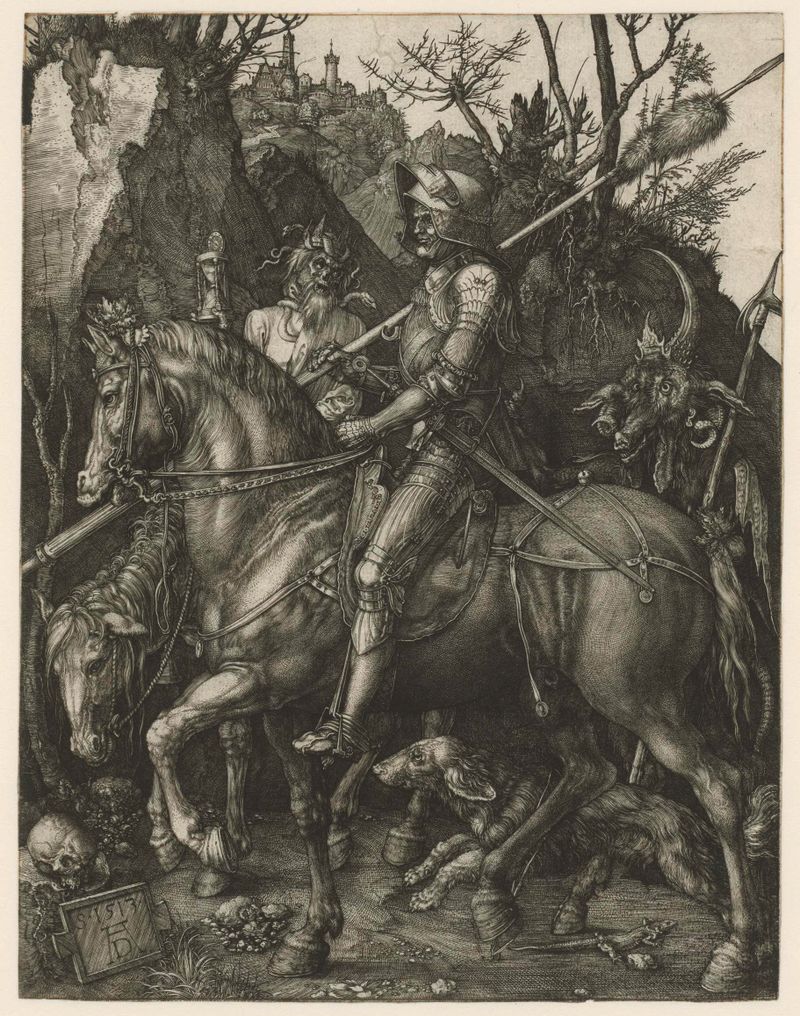
Knight, Death, and the Devil
Albrecht Dürer

De vier ruiters van de apocalyps
Albrecht Dürer

De vier ruiters van de apocalyps
Albrecht Dürer
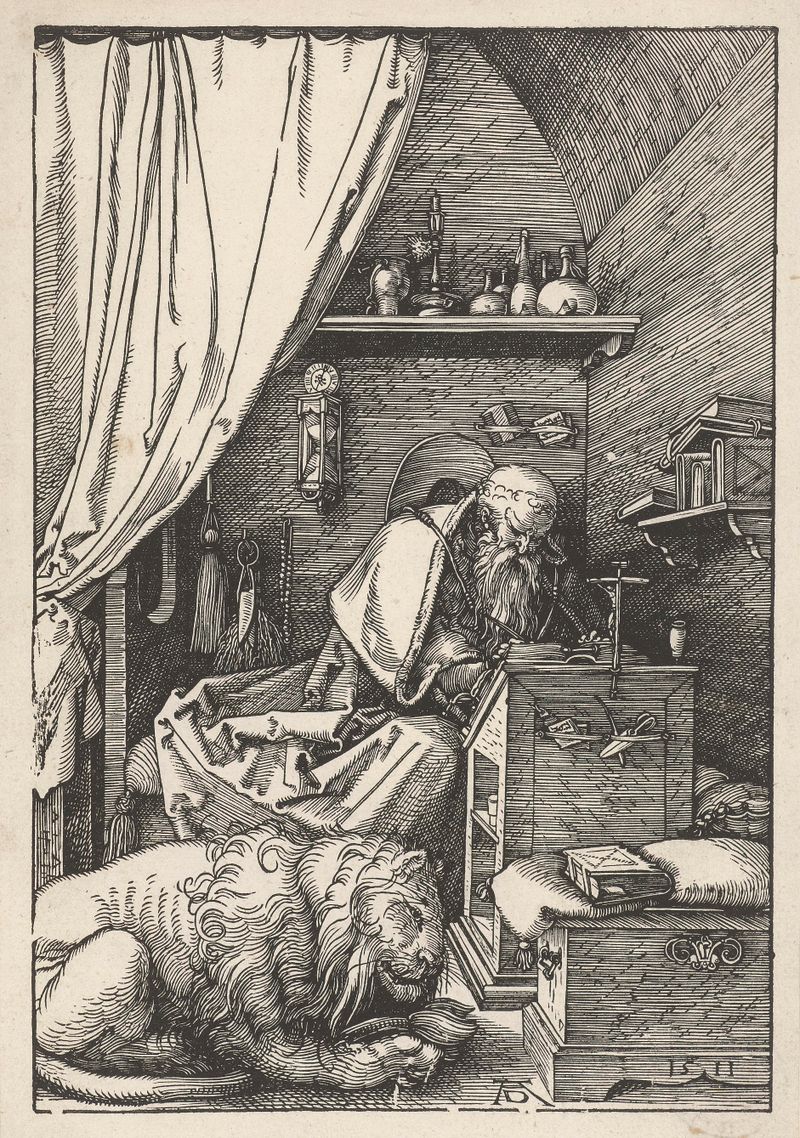
De Heilige Hiëronymus in zijn studeervertrek
Albrecht Dürer
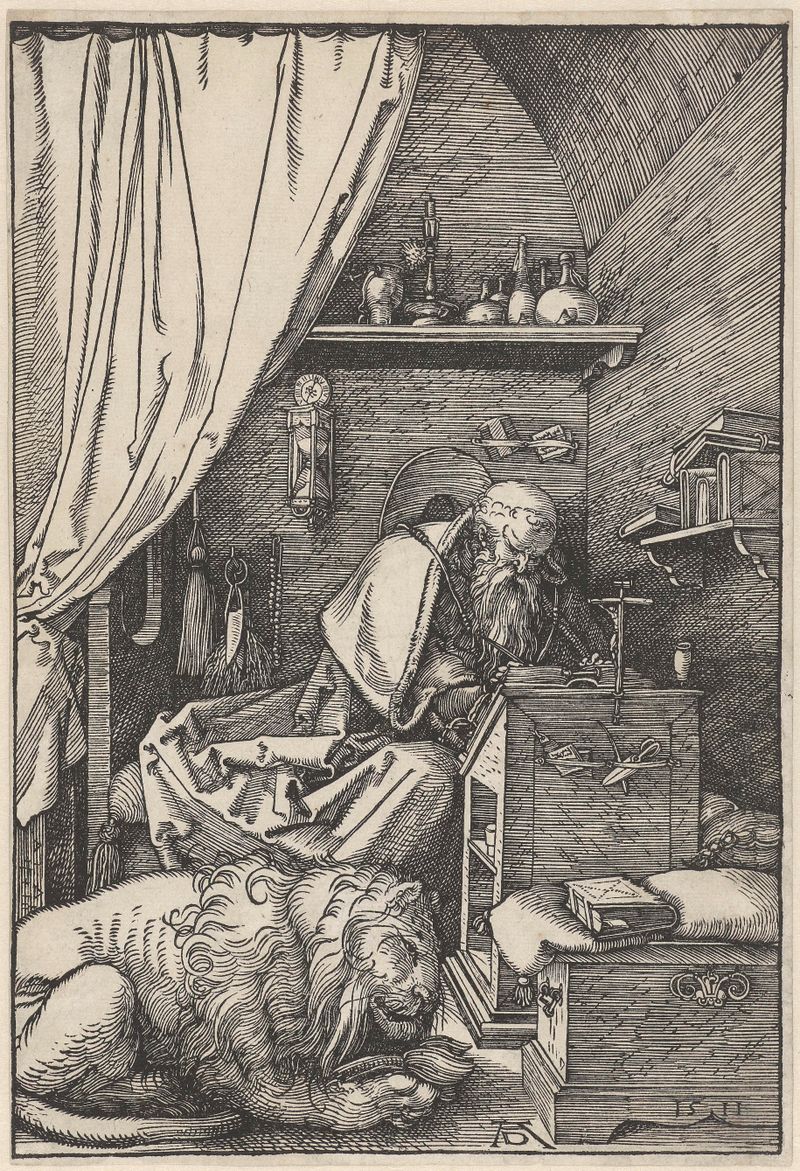
De Heilige Hiëronymus in zijn studeervertrek
Albrecht Dürer
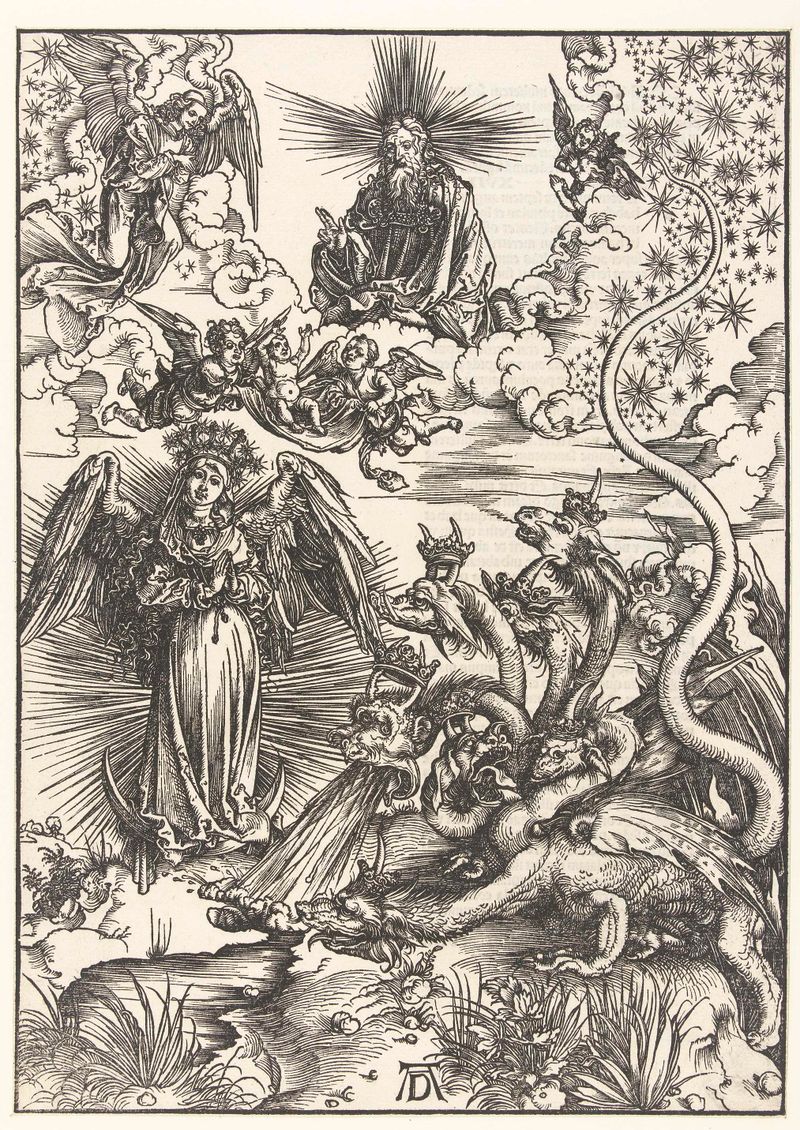
De apocalyptische vrouw en de zevenkoppige draak
Albrecht Dürer
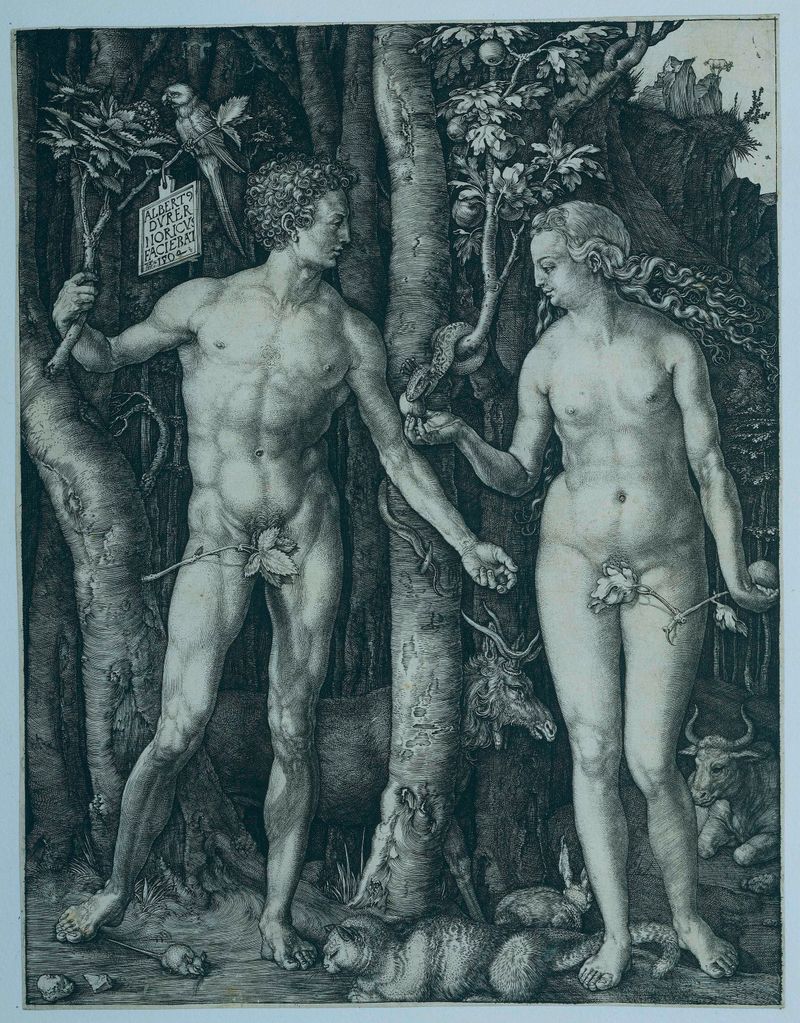
Adam en Eva
Albrecht Dürer
More Religious Art
Browse all →
The Return of the Prodigal Son
Rembrandt van Rijn

The Garden of Earthly Delights
El Bosco

Count Orgaz’ funeral
El Greco

The Hundred Guilder Print: the central piece with Christ preaching, the plate arched
Rembrandt van Rijn

The Descent from the Cross
Rogier van der Weyden

The return of the prodigal son
Rembrandt van Rijn