
Laatste Avondmaal — History & Facts
In the stillness of Laatste Avondmaal, the fragility of existence becomes palpable, as the weight of the moment hangs in the air like a silken thread ready to snap. Look to the center of the composition, where the figures gather around an elegantly draped table, their faces etched with a blend of contemplation and dread. Dürer’s meticulous details draw us into the interplay of light and shadow; notice how the golden hues of the bread and wine contrast sharply with the cool tones of the surrounding figures. Each character is rendered with intimacy, allowing us to perceive their emotional vulnerabilities through their postures and gazes. What lies beneath the surface of this gathering is a profound tension between hope and despair.
The bread, emblematic of sustenance, juxtaposes the impending betrayal that looms heavily over the scene. The subtle gestures—a hand reaching out, another clasped in uncertainty—speak volumes about the fragility of trust and connection, reminding us that even the strongest bonds can falter in the face of fate. In 1511, Dürer was deeply engrossed in his exploration of human emotion and the intricacies of the divine. Living in Nuremberg, a hub of artistic innovation, he sought to bridge the gap between the spiritual and the tangible.
This period saw him grappling with his own legacy, as he translated his profound insights into works that would resonate through the ages, each brushstroke a testament to the complexity of human experience.
More Artworks by Albrecht Dürer
Browse all →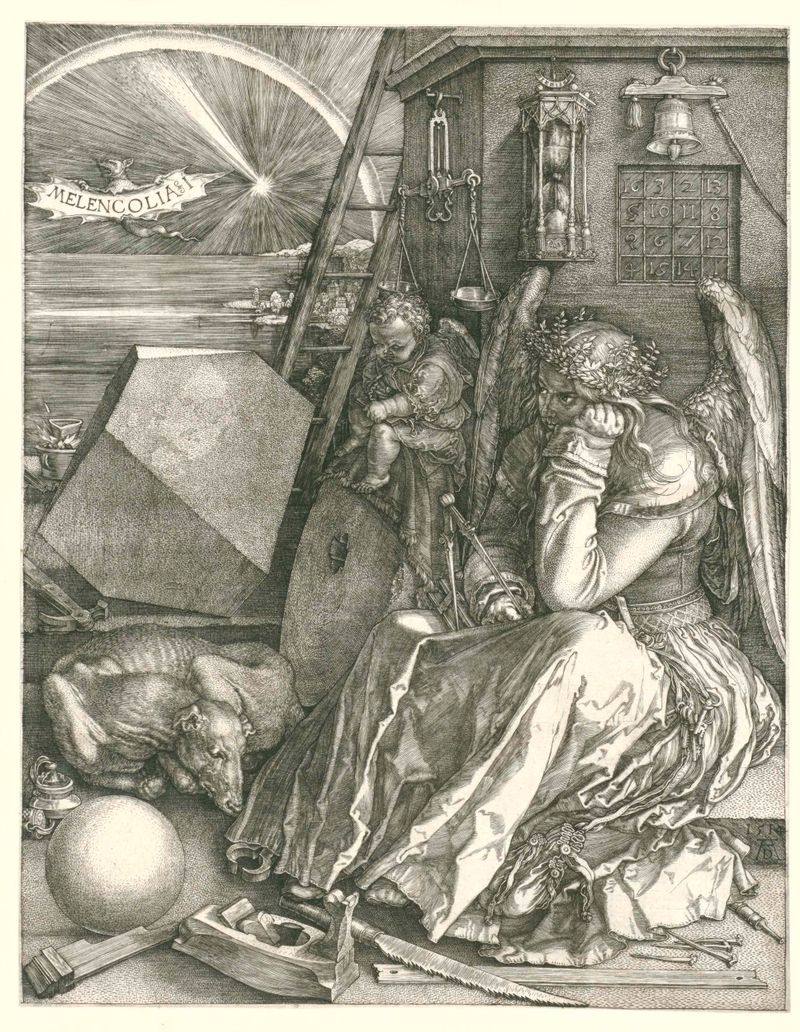
Melancholia
Albrecht Dürer
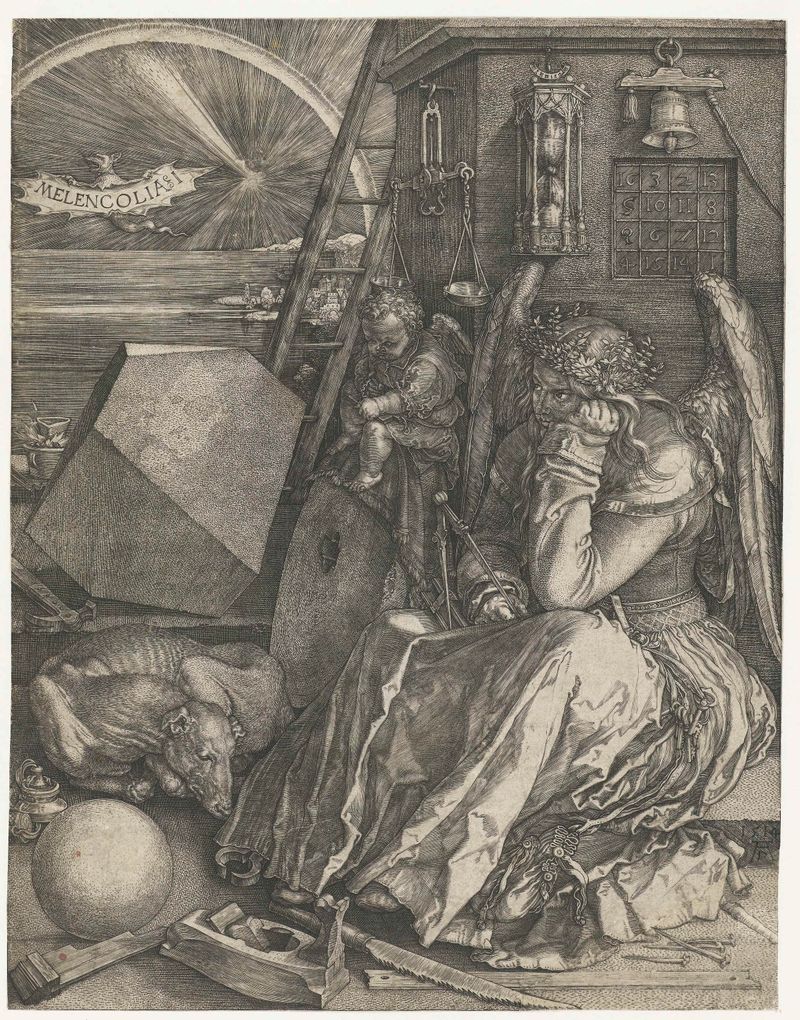
Melancholie
Albrecht Dürer
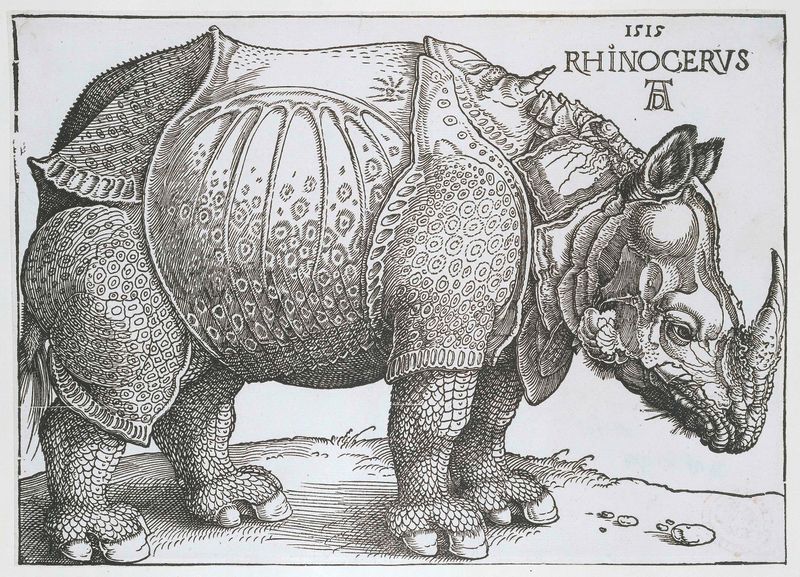
Neushoorn
Albrecht Dürer
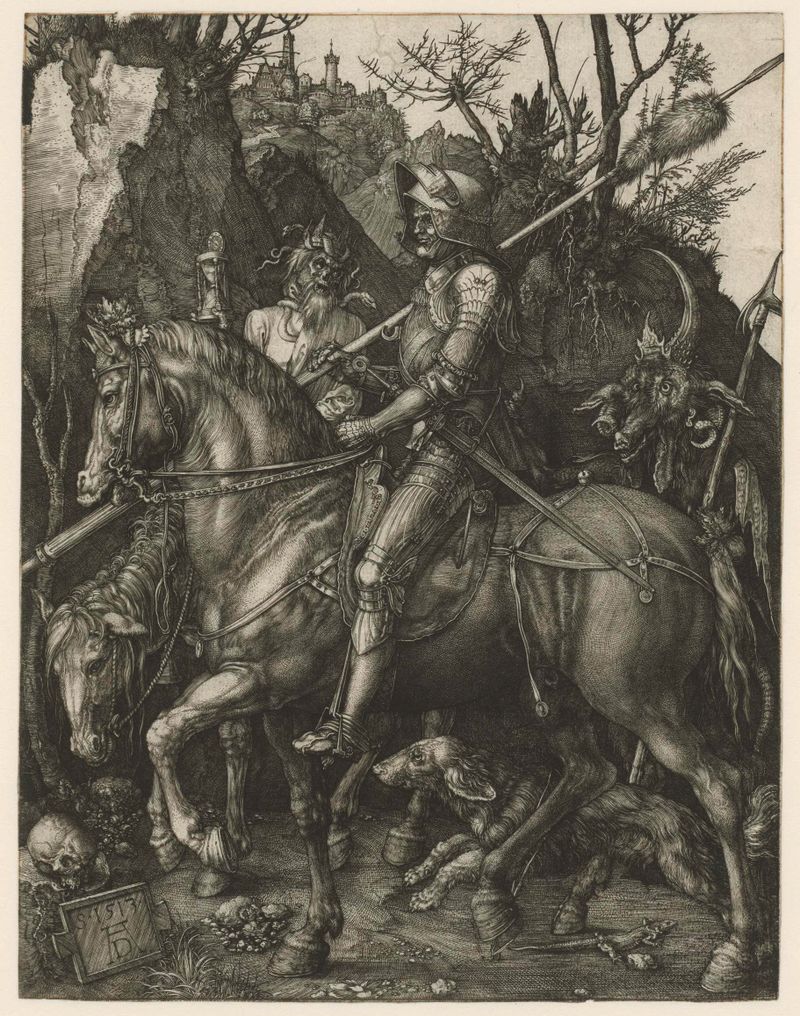
Knight, Death, and the Devil
Albrecht Dürer

De vier ruiters van de apocalyps
Albrecht Dürer

De vier ruiters van de apocalyps
Albrecht Dürer
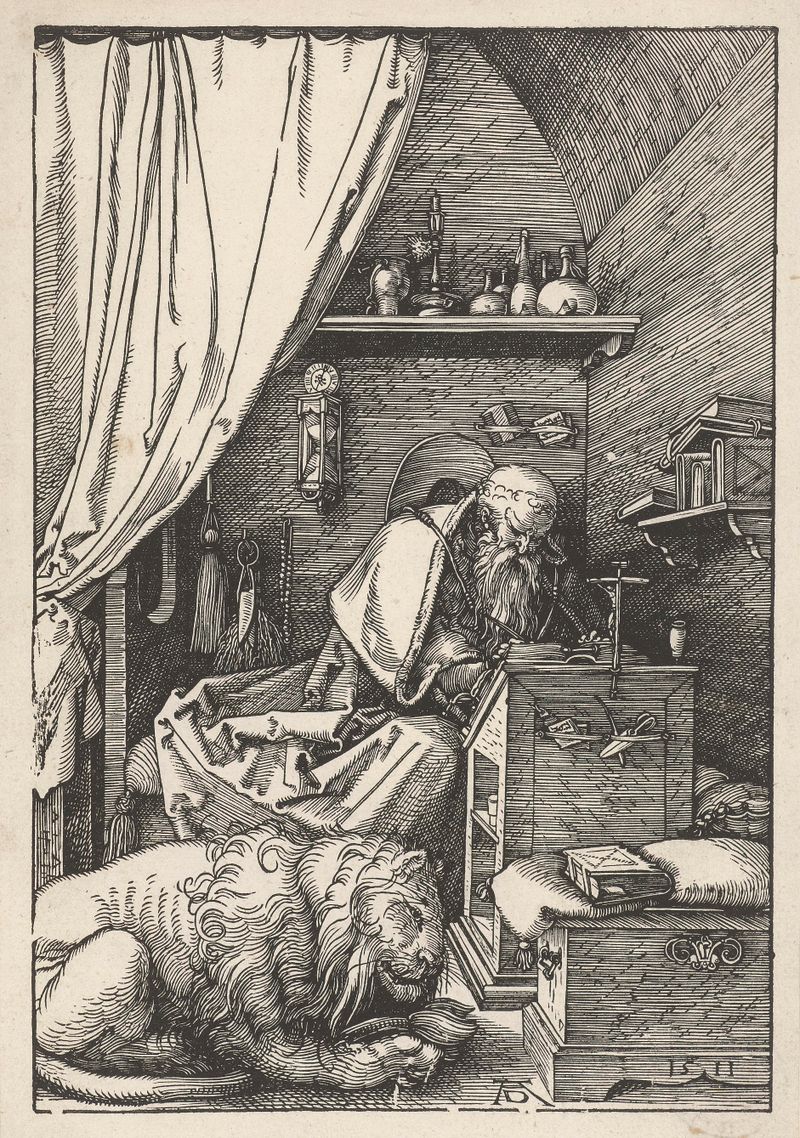
De Heilige Hiëronymus in zijn studeervertrek
Albrecht Dürer
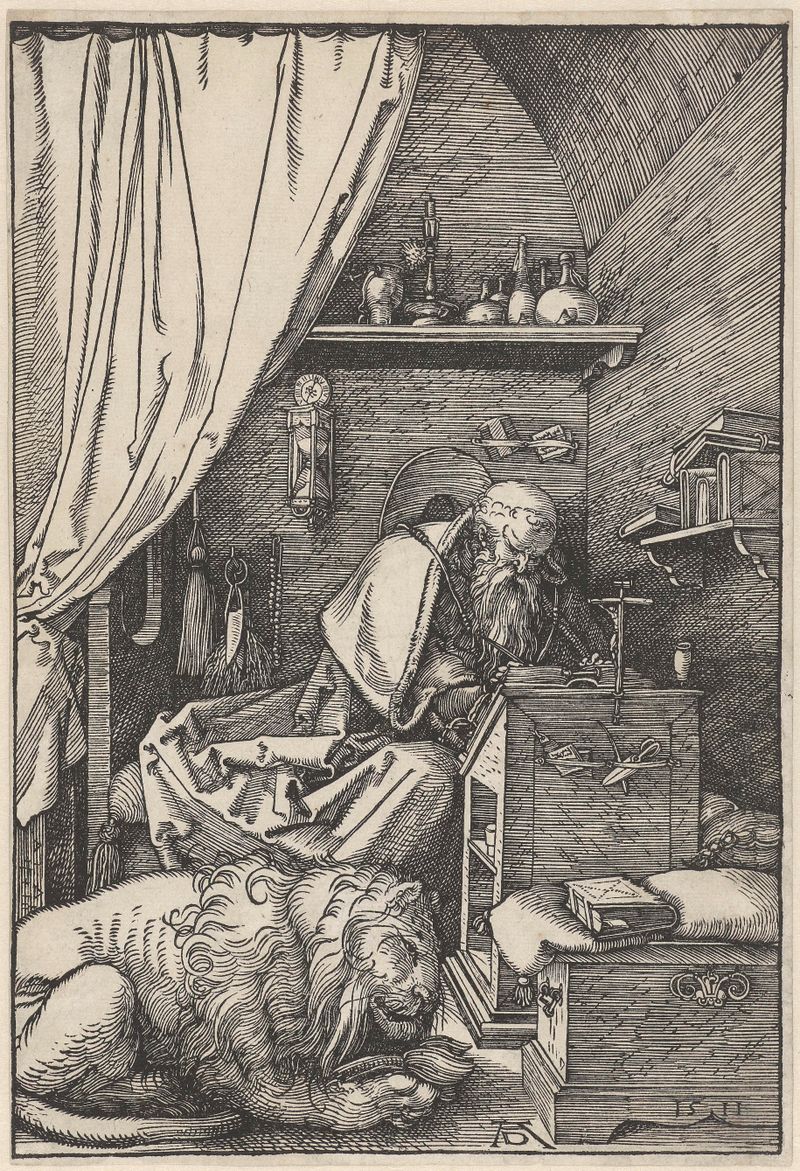
De Heilige Hiëronymus in zijn studeervertrek
Albrecht Dürer
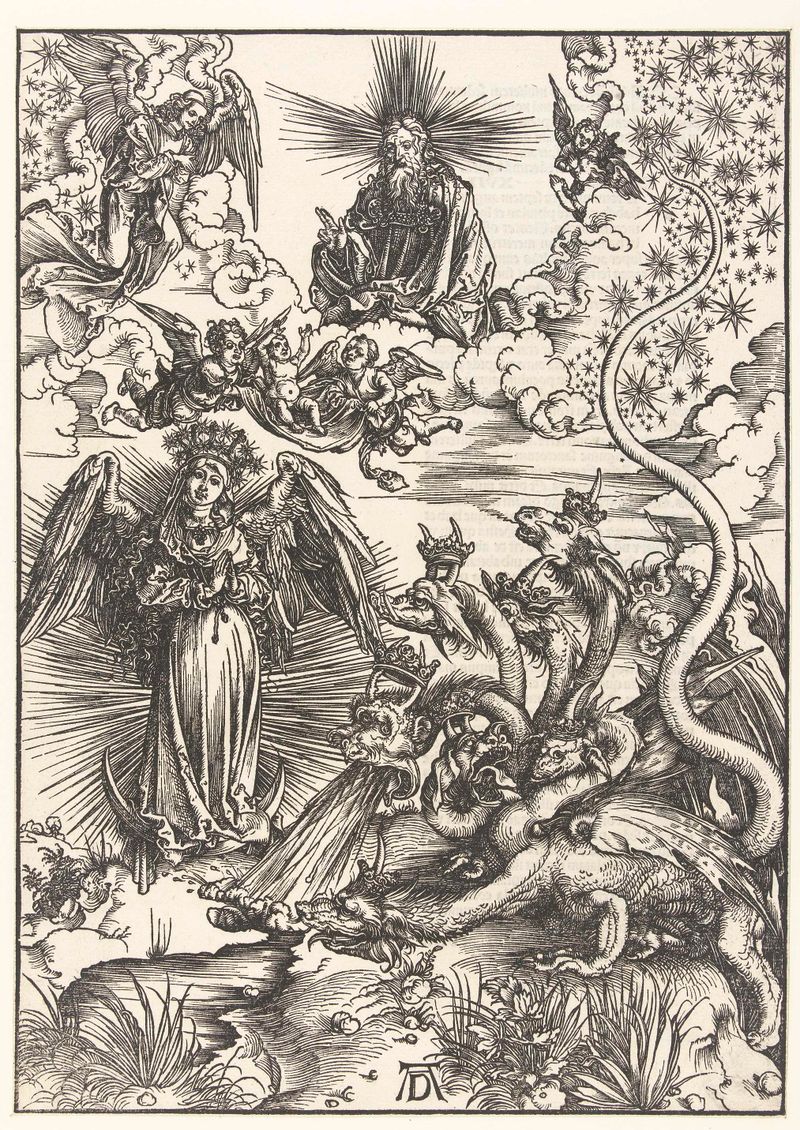
De apocalyptische vrouw en de zevenkoppige draak
Albrecht Dürer
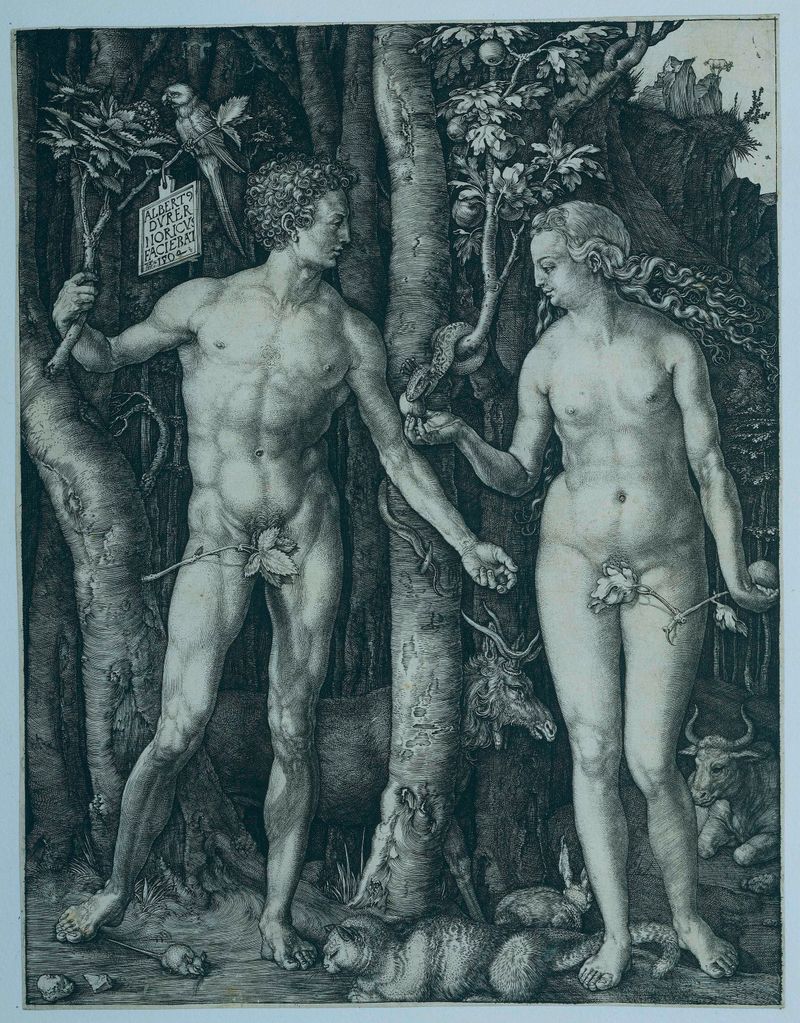
Adam en Eva
Albrecht Dürer
More Religious Art
Browse all →
The Return of the Prodigal Son
Rembrandt van Rijn

The Garden of Earthly Delights
El Bosco

Count Orgaz’ funeral
El Greco

The Hundred Guilder Print: the central piece with Christ preaching, the plate arched
Rembrandt van Rijn

The Descent from the Cross
Rogier van der Weyden

The return of the prodigal son
Rembrandt van Rijn