
Laatste Avondmaal — History & Facts
Did the painter know this moment would outlive them? In Laatste Avondmaal, the imagery of faith interweaves with the fabric of time, whispering questions about legacy and devotion that echo through the centuries. Look to the center of the composition, where Christ presides over the table, his expression a poignant mixture of serenity and foreboding. The rich colors flood the scene with warmth and depth, while the meticulous details of the disciples' expressions—some skeptical, others contemplative—guide your gaze across the canvas. The light illuminates the bread and wine, symbols of sacrifice and communion, drawing the viewer into the spiritual gravity of this pivotal moment. Hidden beneath the surface are layers of emotional tension and contrasts.
The juxtaposition of the mundane act of sharing a meal with the divine significance of the Last Supper captures the essence of humanity's struggle with faith. Each disciple embodies a different response to the impending betrayal, illustrating the delicate interplay between loyalty and doubt that underpins this historic tableau. The spatial arrangement, with Christ at the center, reinforces his role as the focal point of both the painting and the narrative it conveys. Dürer created Laatste Avondmaal during a time of personal and artistic transformation in his life.
Painted between 1508 and 1509 in Nuremberg, he was immersed in the burgeoning Renaissance, where the exploration of humanism and individual expression flourished. This period marked Dürer's deepening engagement with religious themes, reflecting both his own faith and the dramatic shifts occurring in the broader context of European art and society.
More Artworks by Albrecht Dürer
Browse all →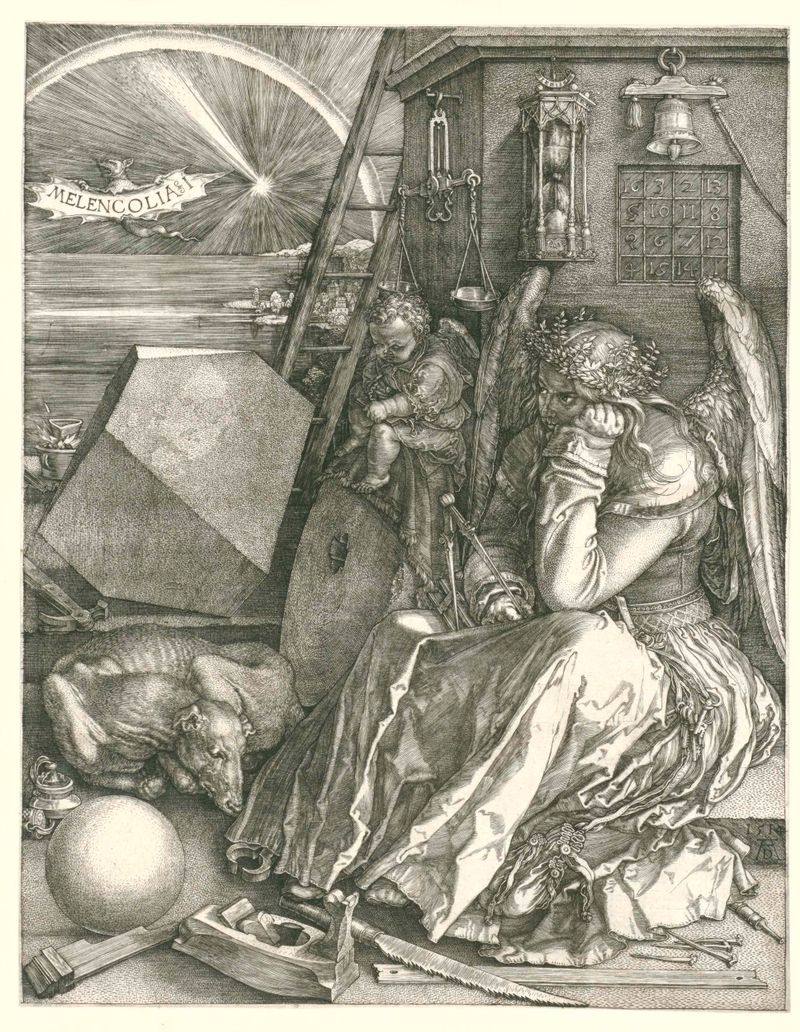
Melancholia
Albrecht Dürer
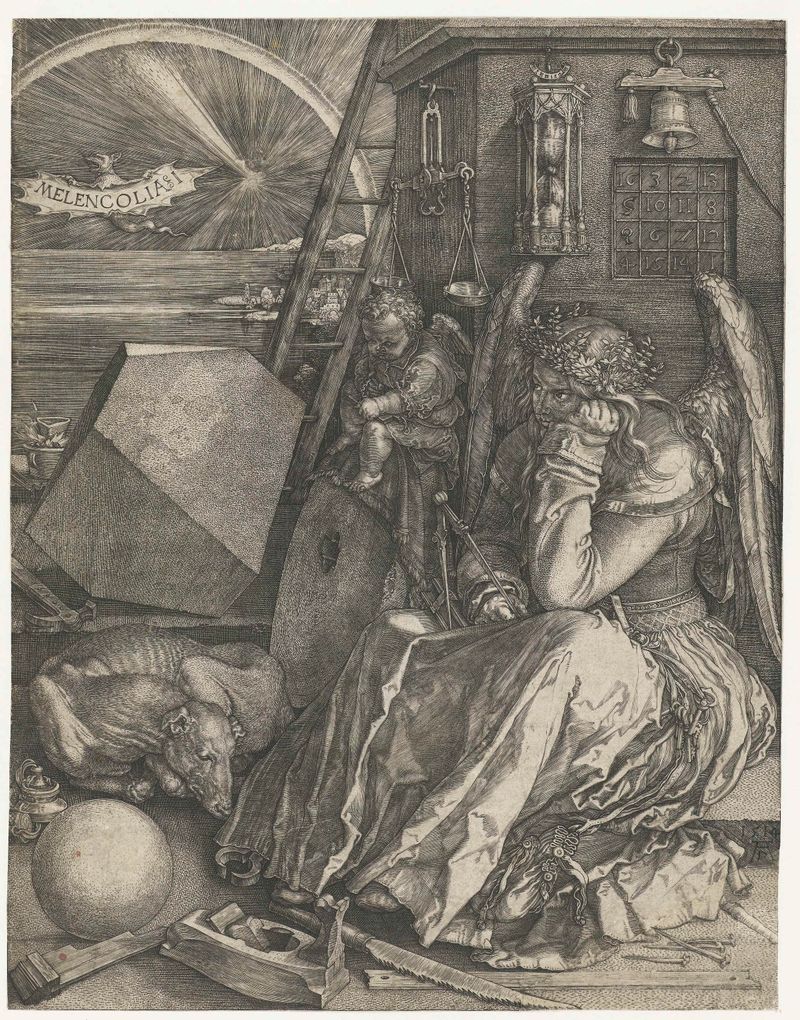
Melancholie
Albrecht Dürer

Neushoorn
Albrecht Dürer
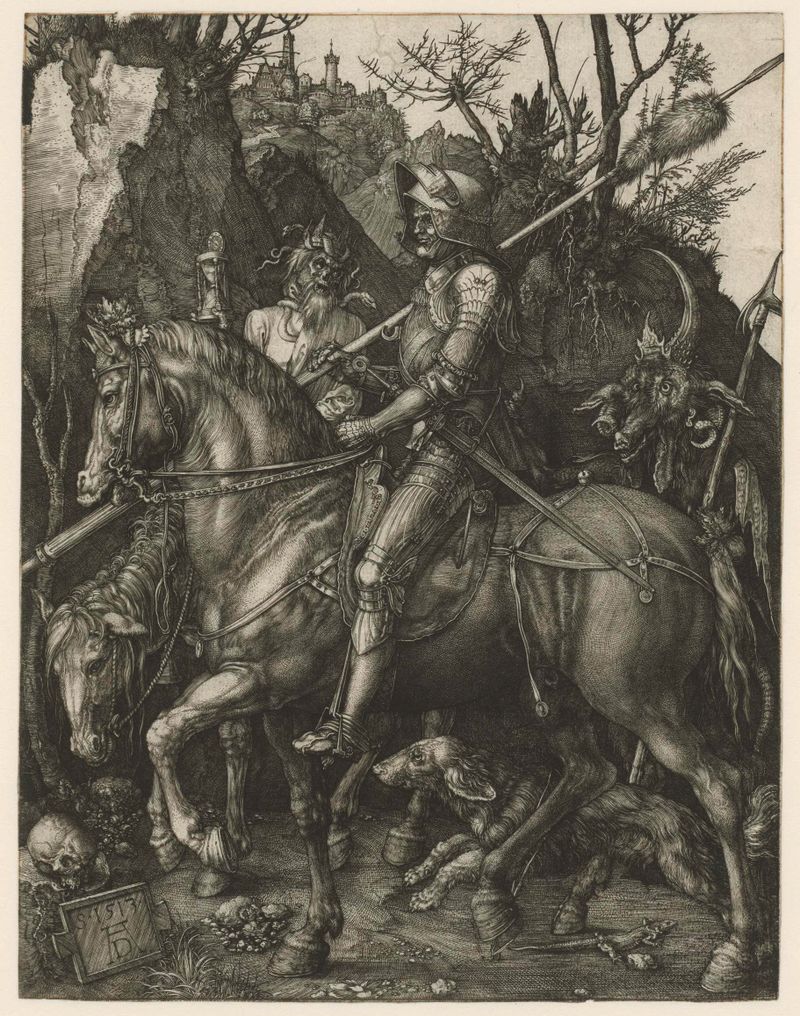
Knight, Death, and the Devil
Albrecht Dürer

De vier ruiters van de apocalyps
Albrecht Dürer

De vier ruiters van de apocalyps
Albrecht Dürer
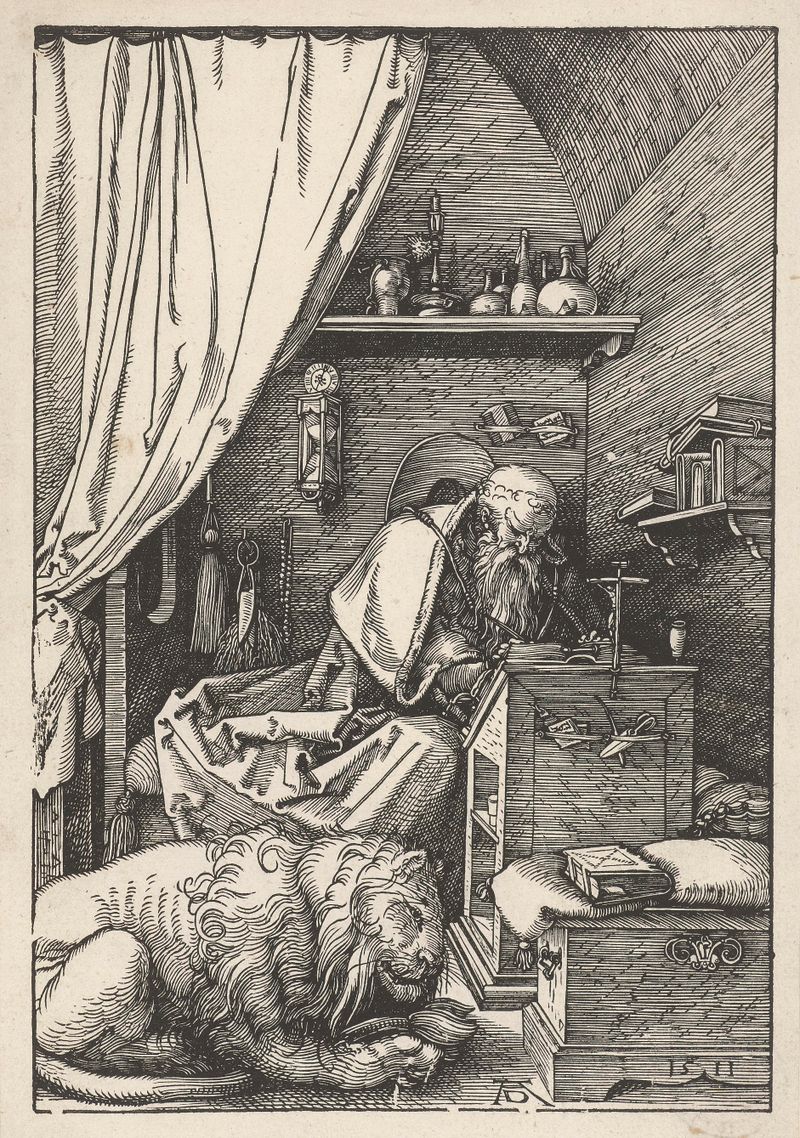
De Heilige Hiëronymus in zijn studeervertrek
Albrecht Dürer
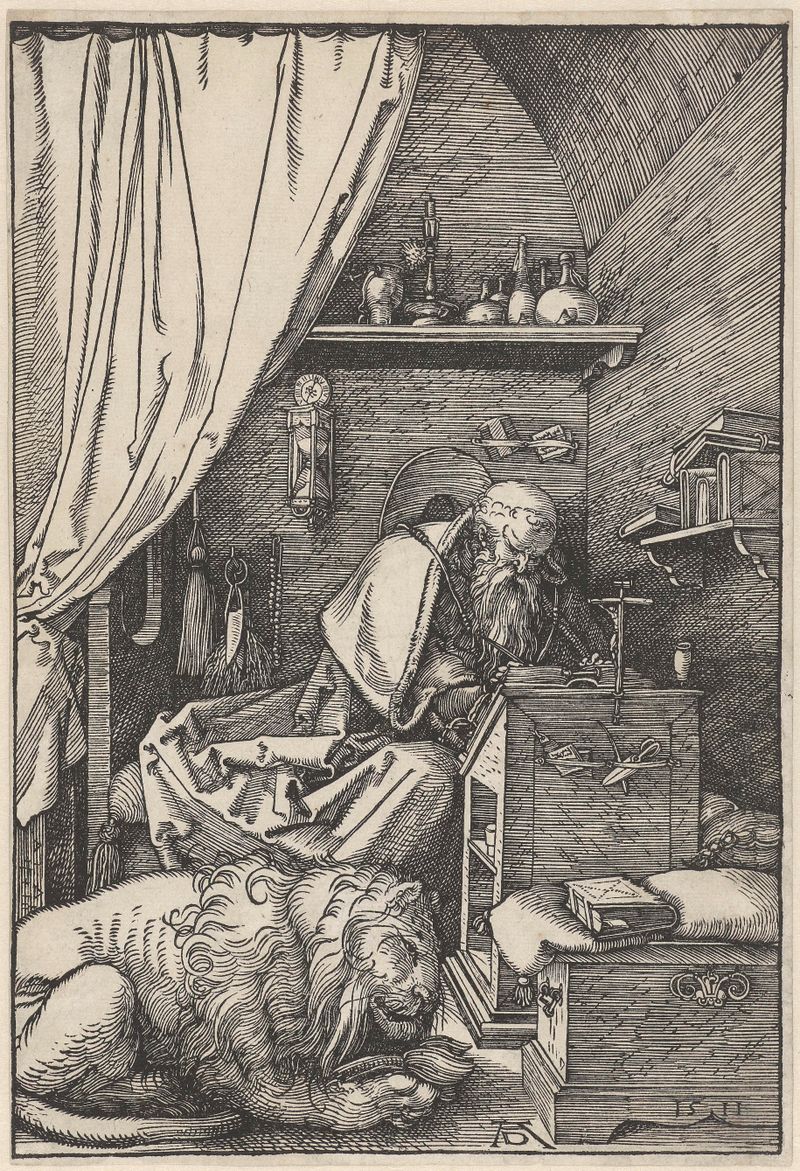
De Heilige Hiëronymus in zijn studeervertrek
Albrecht Dürer
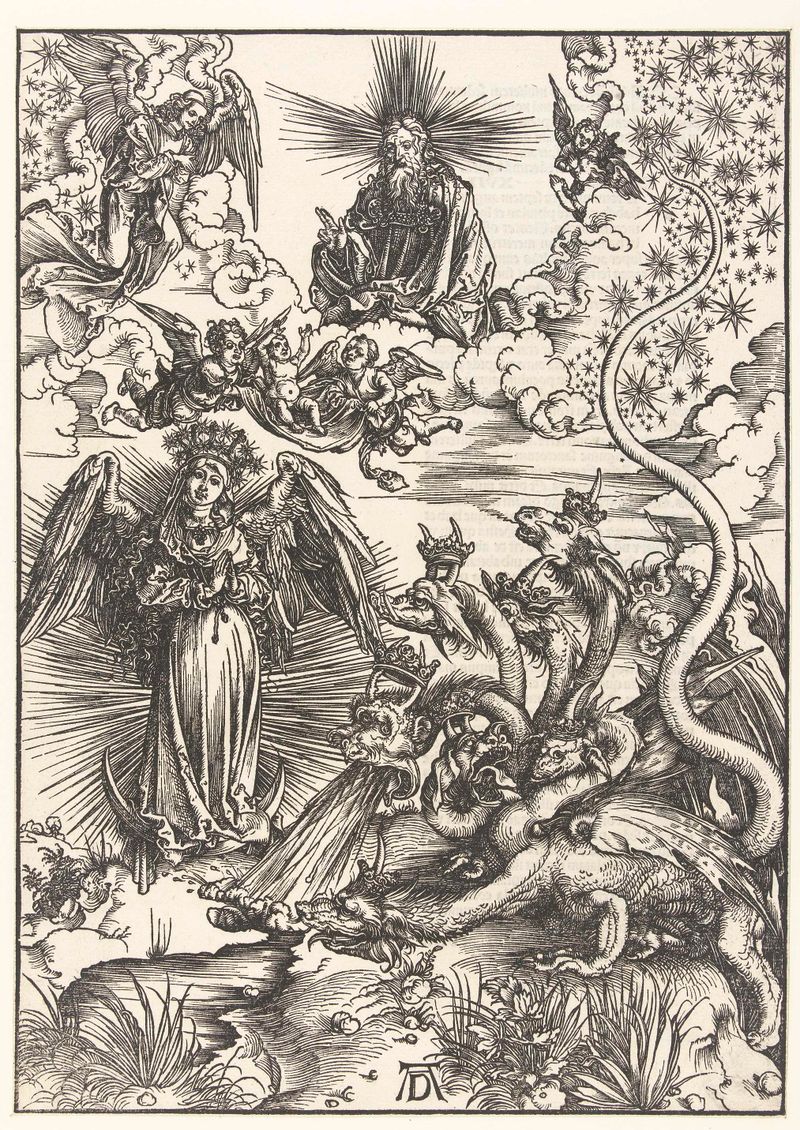
De apocalyptische vrouw en de zevenkoppige draak
Albrecht Dürer
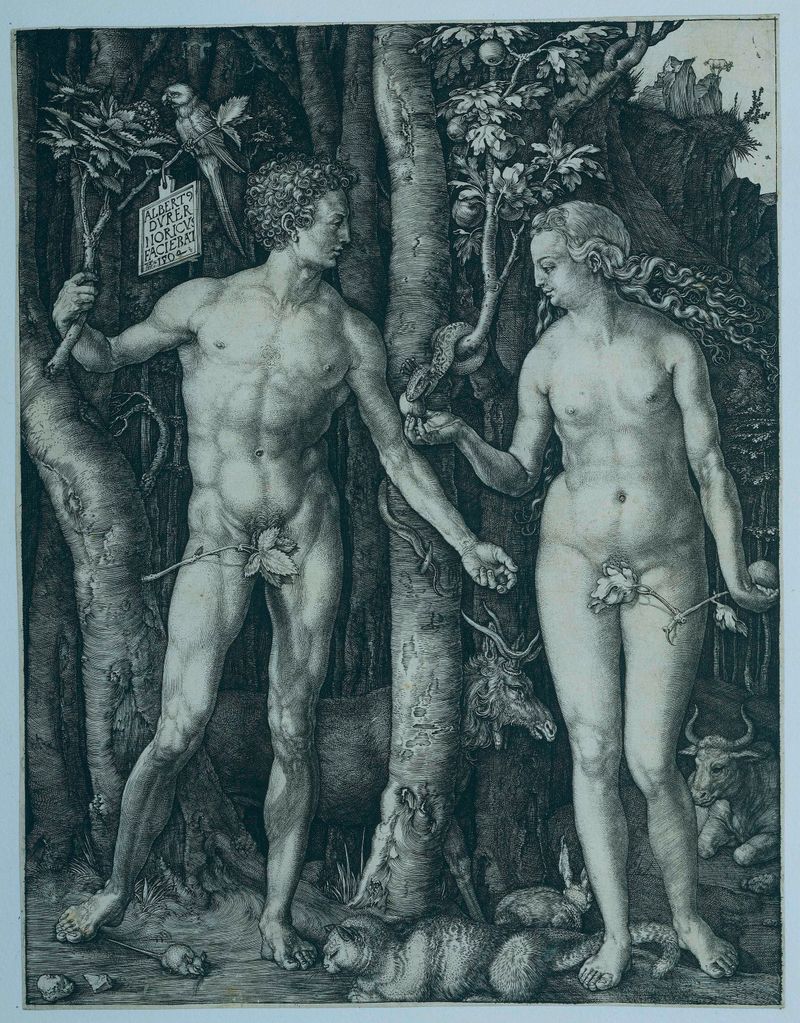
Adam en Eva
Albrecht Dürer
More Religious Art
Browse all →
The Return of the Prodigal Son
Rembrandt van Rijn

The Garden of Earthly Delights
El Bosco

Count Orgaz’ funeral
El Greco

The Hundred Guilder Print: the central piece with Christ preaching, the plate arched
Rembrandt van Rijn

The Descent from the Cross
Rogier van der Weyden

The return of the prodigal son
Rembrandt van Rijn