
Laatste Avondmaal — History & Facts
Who listens when art speaks of silence? In Albrecht Dürer's Laatste Avondmaal, the stillness of the moment reverberates, challenging viewers to hear the whispers of revolution hidden beneath the surface. Begin your exploration by looking to the center of the composition, where the figures are tightly clustered around a table. Notice how Dürer employs chiaroscuro, the interplay of light and shadow, to sculpt the contours of each face, each hand gesturing with an intricate elegance. The muted color palette, rich in browns and deep blues, draws the eye toward the solemn expressions of the apostles, as their gazes seem to reflect various shades of doubt and devotion. Beneath the surface of their stillness lies a profound tension.
The asymmetrical arrangement of the figures hints at a breaking of tradition, a subtle nod to the shifting dynamics of power and belief in 16th-century Europe. The bread and wine take center stage, symbols of communion and betrayal intertwined, evoking the duality of sacrifice and salvation. Here, the echo of impending conflict resonates as the figures appear caught between the sacred and the revolutionary, suggesting a world on the brink of transformation. Dürer painted this work in 1523, during a period marked by significant upheaval in the art world, as well as within the religious landscape of Europe.
The Reformation had begun to challenge established norms, and the artist found himself navigating the complexities of faith and expression. This moment in history informed not only his artistic choices but also the moral weight carried within the scenes he depicted, as he sought to capture a pivotal moment in human consciousness.
More Artworks by Albrecht Dürer
Browse all →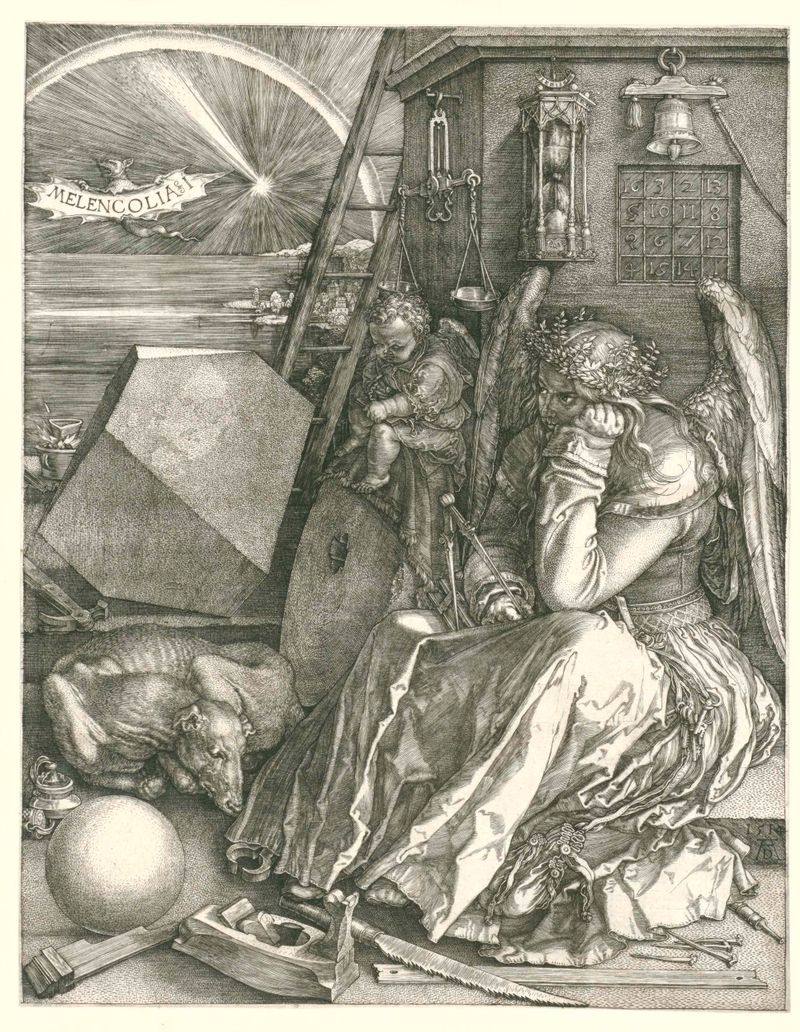
Melancholia
Albrecht Dürer
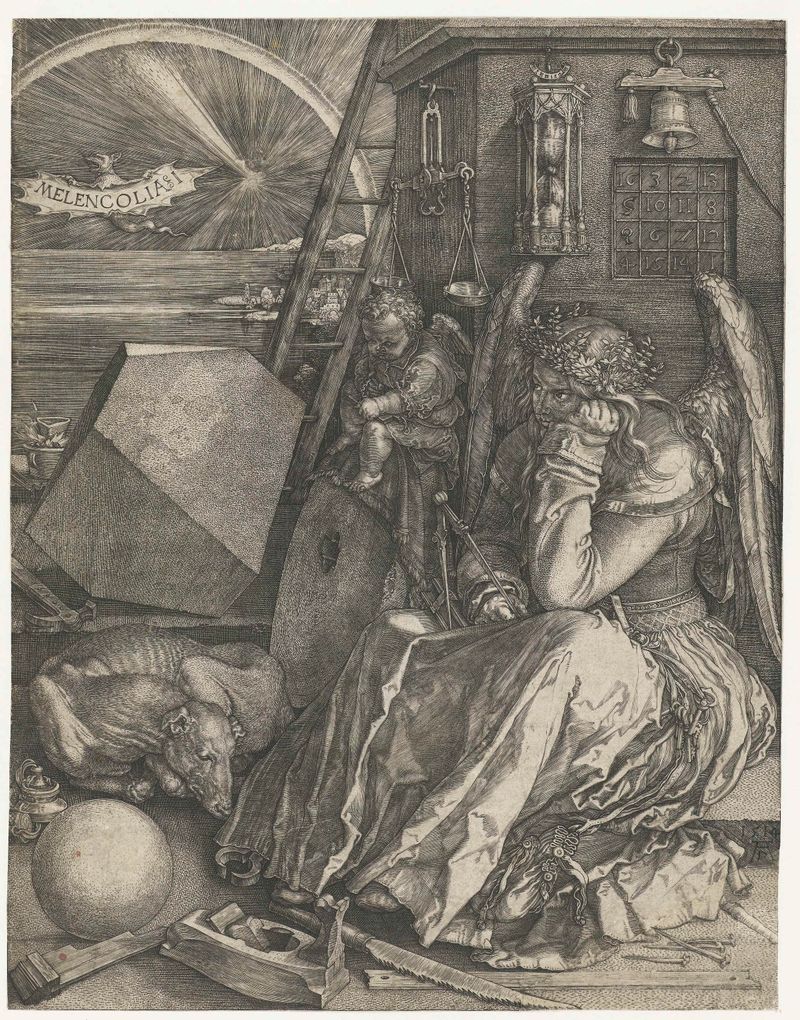
Melancholie
Albrecht Dürer

Neushoorn
Albrecht Dürer
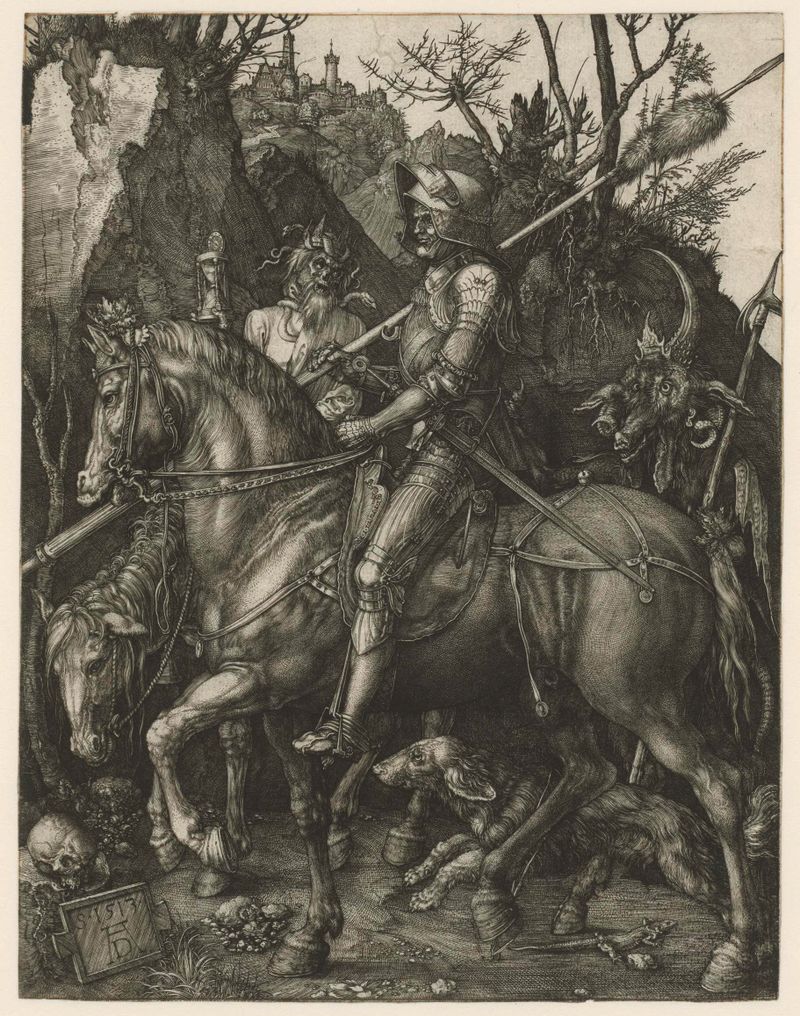
Knight, Death, and the Devil
Albrecht Dürer

De vier ruiters van de apocalyps
Albrecht Dürer

De vier ruiters van de apocalyps
Albrecht Dürer
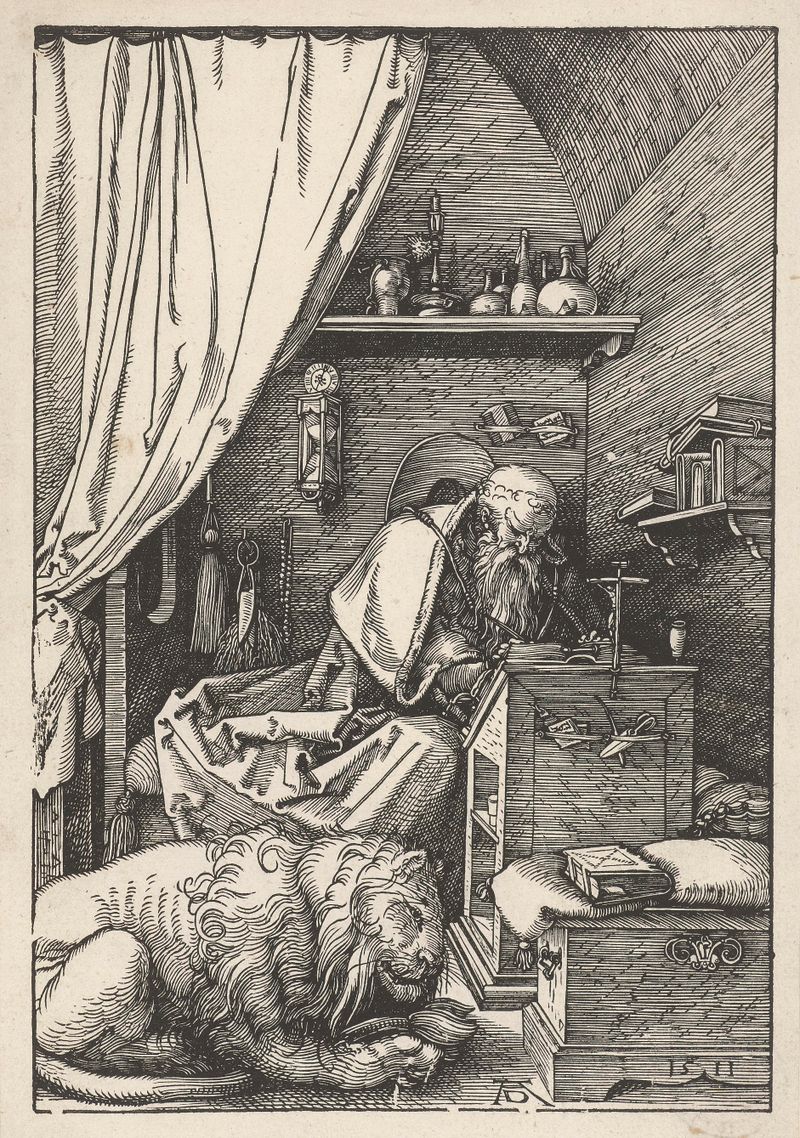
De Heilige Hiëronymus in zijn studeervertrek
Albrecht Dürer
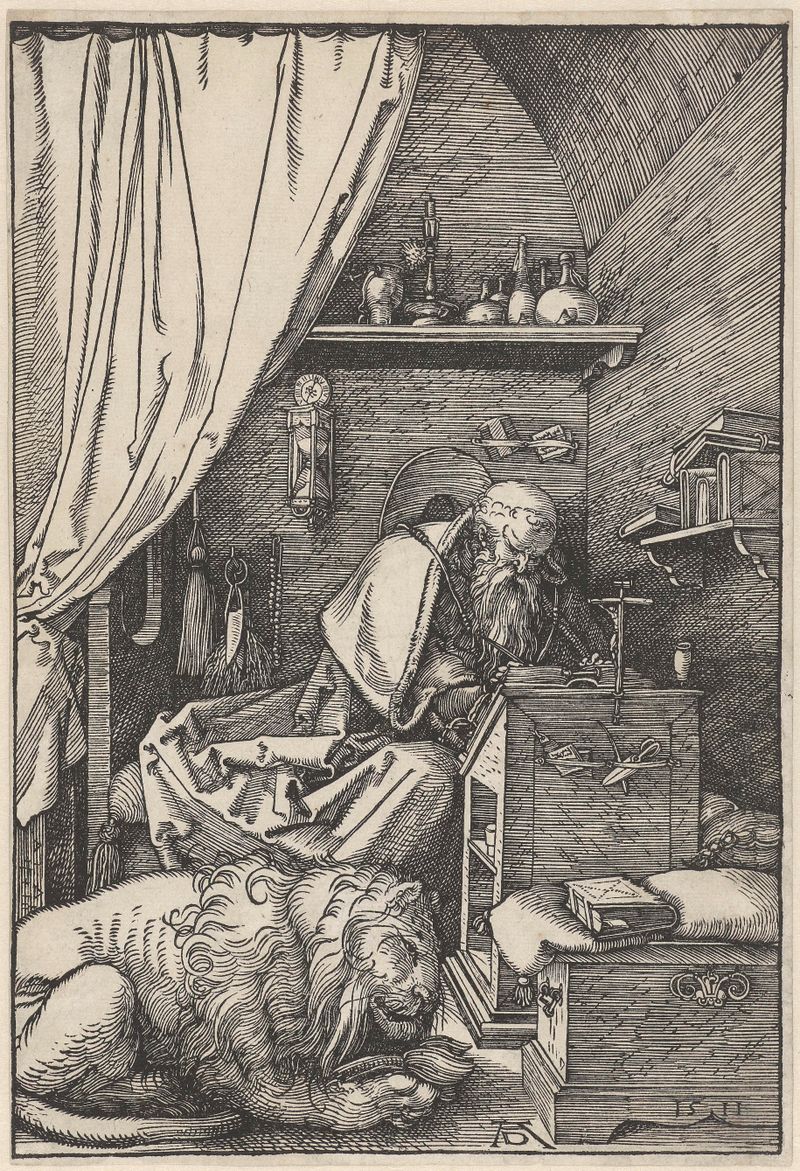
De Heilige Hiëronymus in zijn studeervertrek
Albrecht Dürer
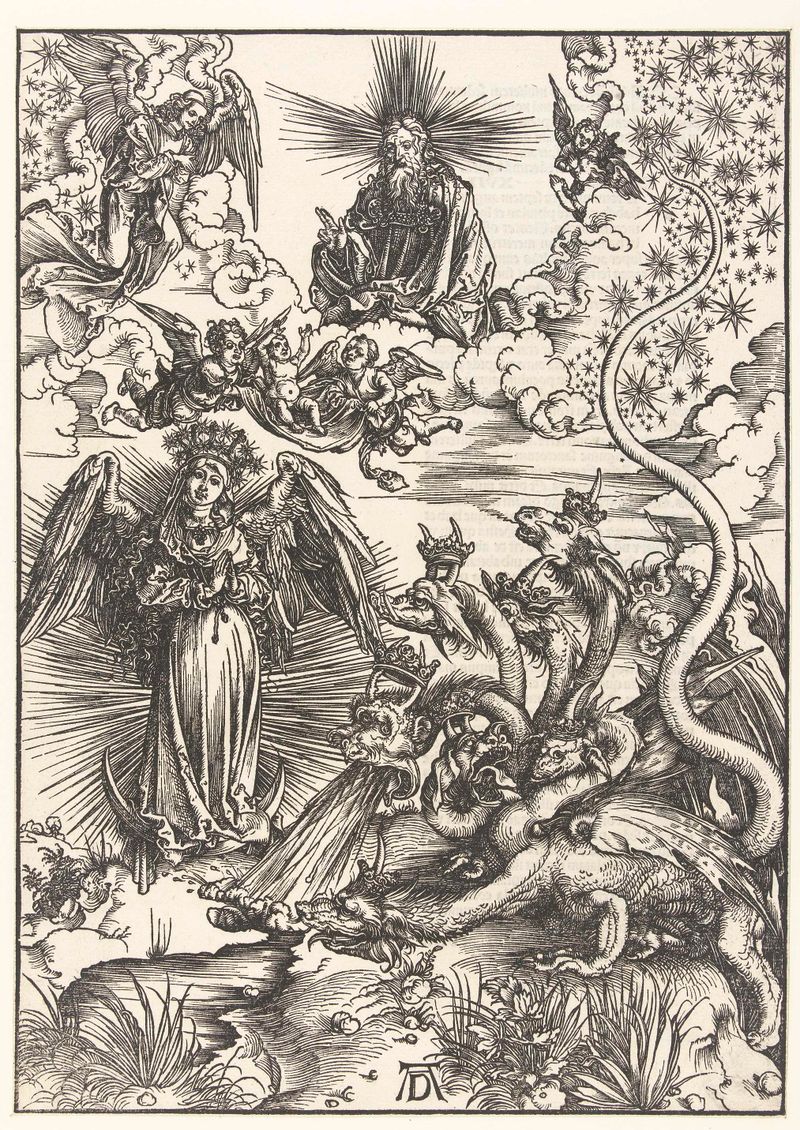
De apocalyptische vrouw en de zevenkoppige draak
Albrecht Dürer
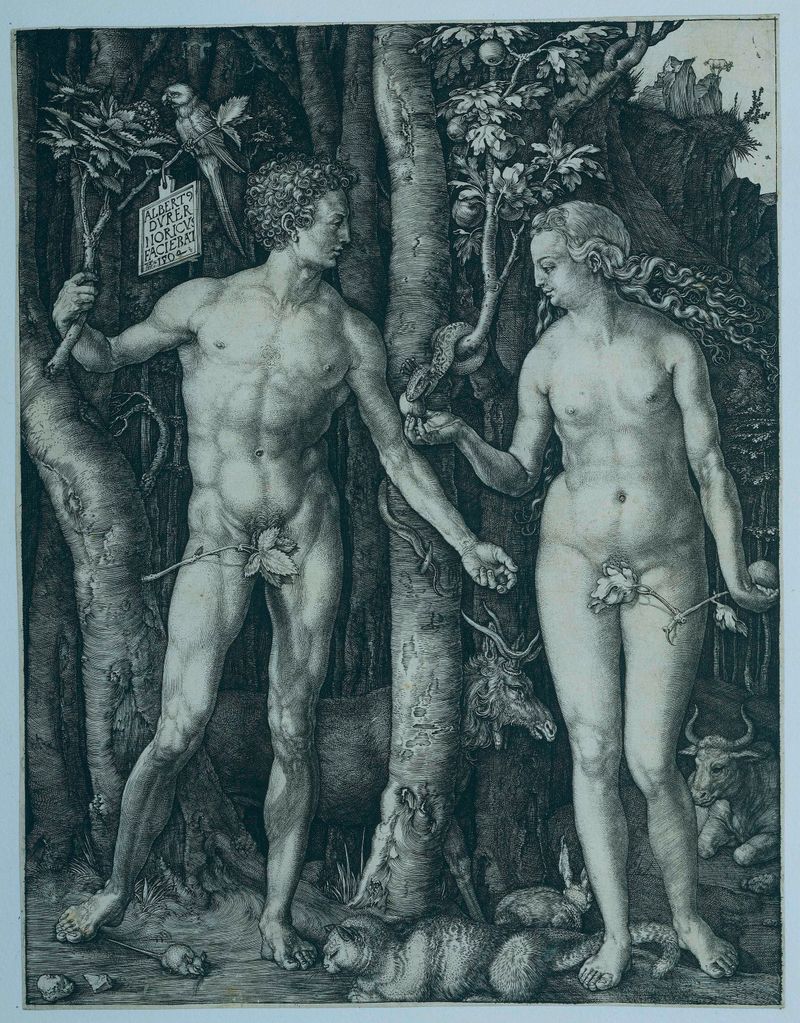
Adam en Eva
Albrecht Dürer
More Religious Art
Browse all →
The Return of the Prodigal Son
Rembrandt van Rijn

The Garden of Earthly Delights
El Bosco

Count Orgaz’ funeral
El Greco

The Hundred Guilder Print: the central piece with Christ preaching, the plate arched
Rembrandt van Rijn

The Descent from the Cross
Rogier van der Weyden

The return of the prodigal son
Rembrandt van Rijn