
Laatste Oordeel — History & Facts
This profound transformation captures the essence of legacy — the threads of our lives interwoven with the grand tapestry of existence, echoing through time. Look closely at the intricate detail in the figures, where every contour and expression reveals the weight of the moment. Notice how the delicate interplay of light and shadow accentuates the tension between the saved and the damned, each face a study in despair or hope. The figures are arranged with a masterful balance, drawing the eye across the composition's celestial and earthly realms, as if inviting the viewer into a profound dialogue about salvation and judgment. Amidst the fervent gestures and anguished expressions lies a poignant commentary on human existence.
The juxtaposition of the serene heavenly sphere against the tumultuous chaos of the damned evokes a sense of urgency and fear, while the meticulous attention to detail suggests a yearning for order in a world fraught with uncertainty. This duality beckons reflection on one's own legacy, forcing a confrontation with the choices that echo beyond the grave. In 1510, the artist was deeply immersed in the burgeoning Renaissance, crafting a unique voice that would resonate through art history. Working in Nuremberg, Dürer was influenced by both the Germanic tradition and Italian masters, striving to reconcile spirituality with the human condition.
As Europe grappled with religious upheaval and artistic innovation, his exploration of themes like judgment and legacy became pivotal in shaping the visual discourse of his time.
More Artworks by Albrecht Dürer
Browse all →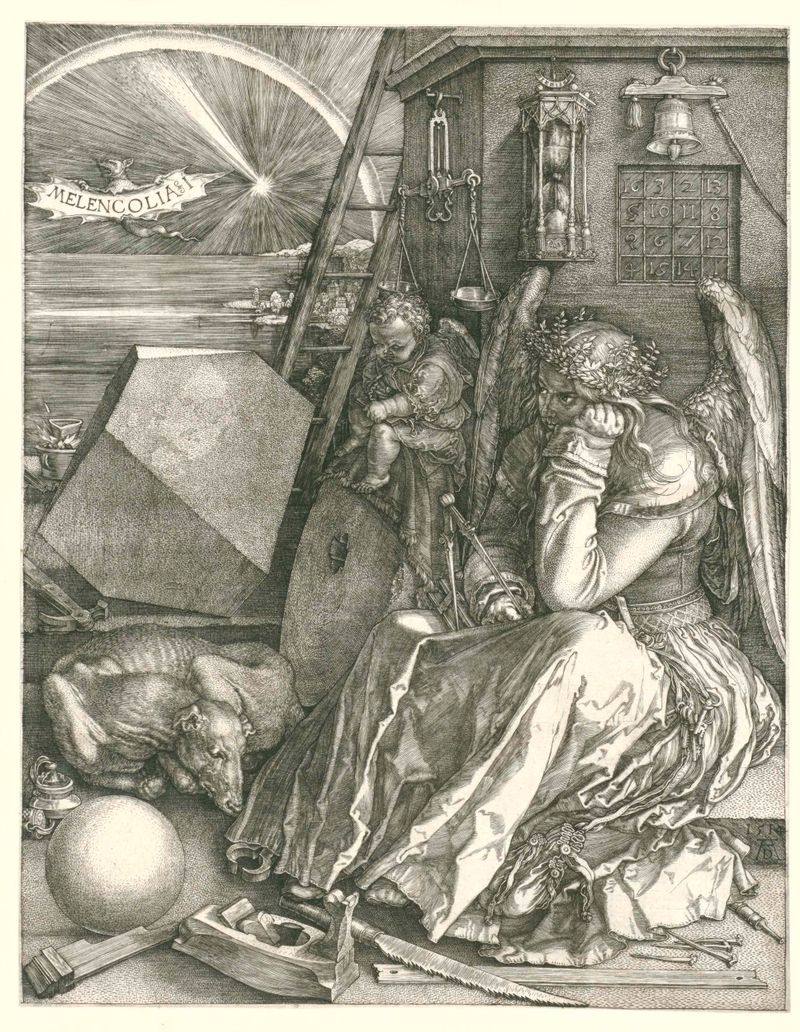
Melancholia
Albrecht Dürer
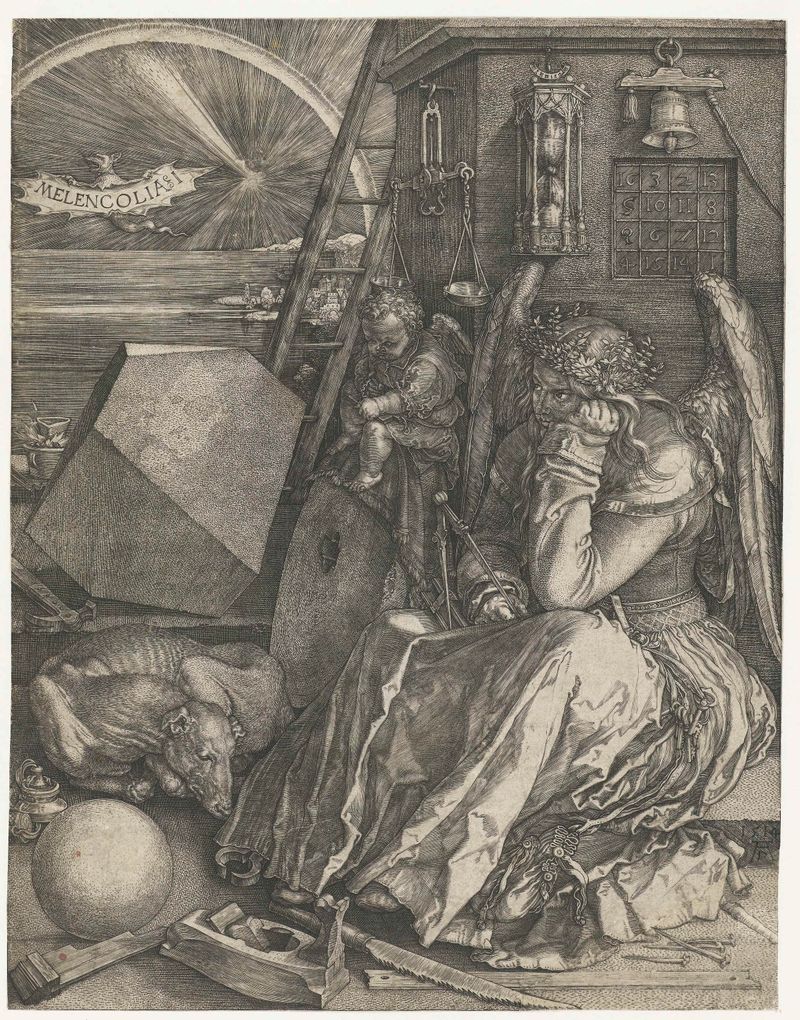
Melancholie
Albrecht Dürer
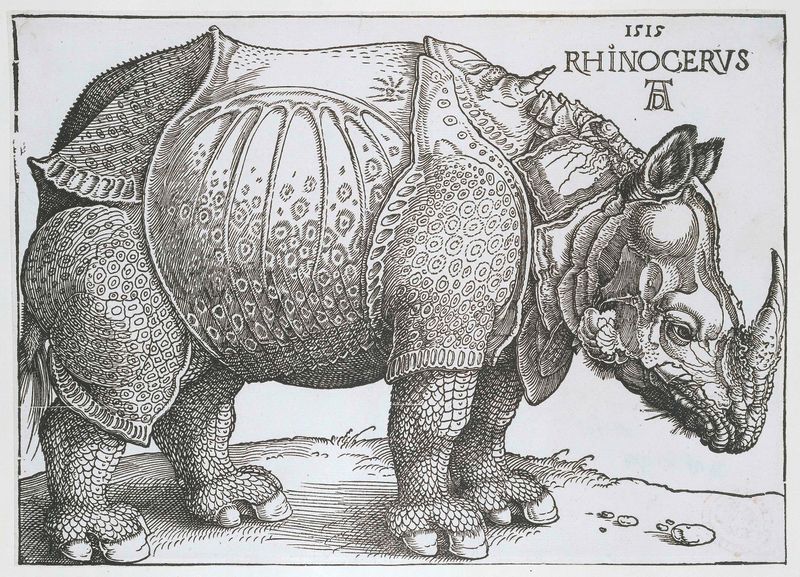
Neushoorn
Albrecht Dürer
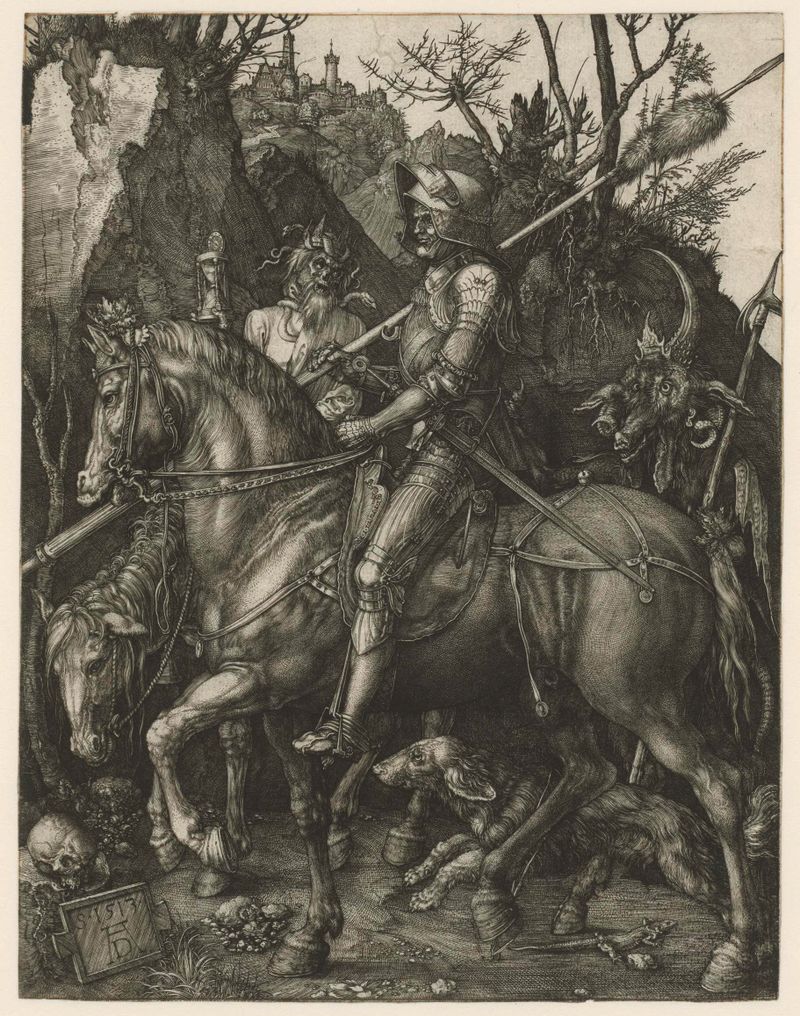
Knight, Death, and the Devil
Albrecht Dürer

De vier ruiters van de apocalyps
Albrecht Dürer

De vier ruiters van de apocalyps
Albrecht Dürer
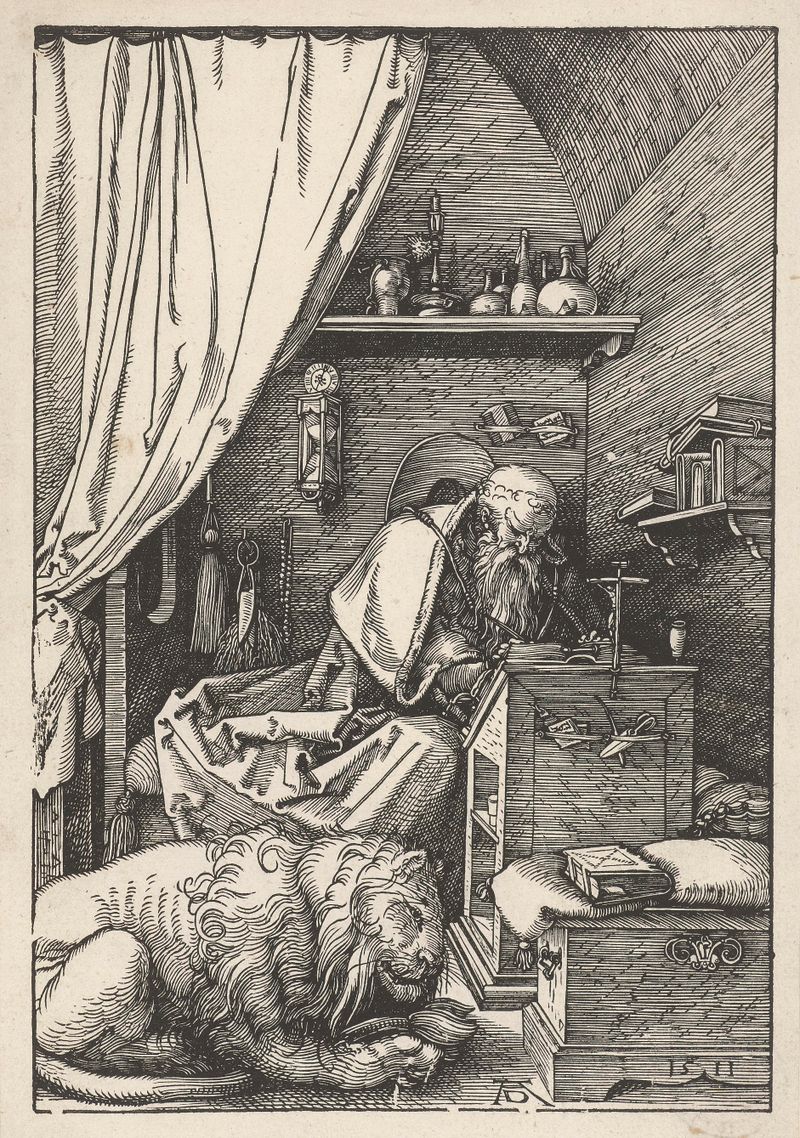
De Heilige Hiëronymus in zijn studeervertrek
Albrecht Dürer
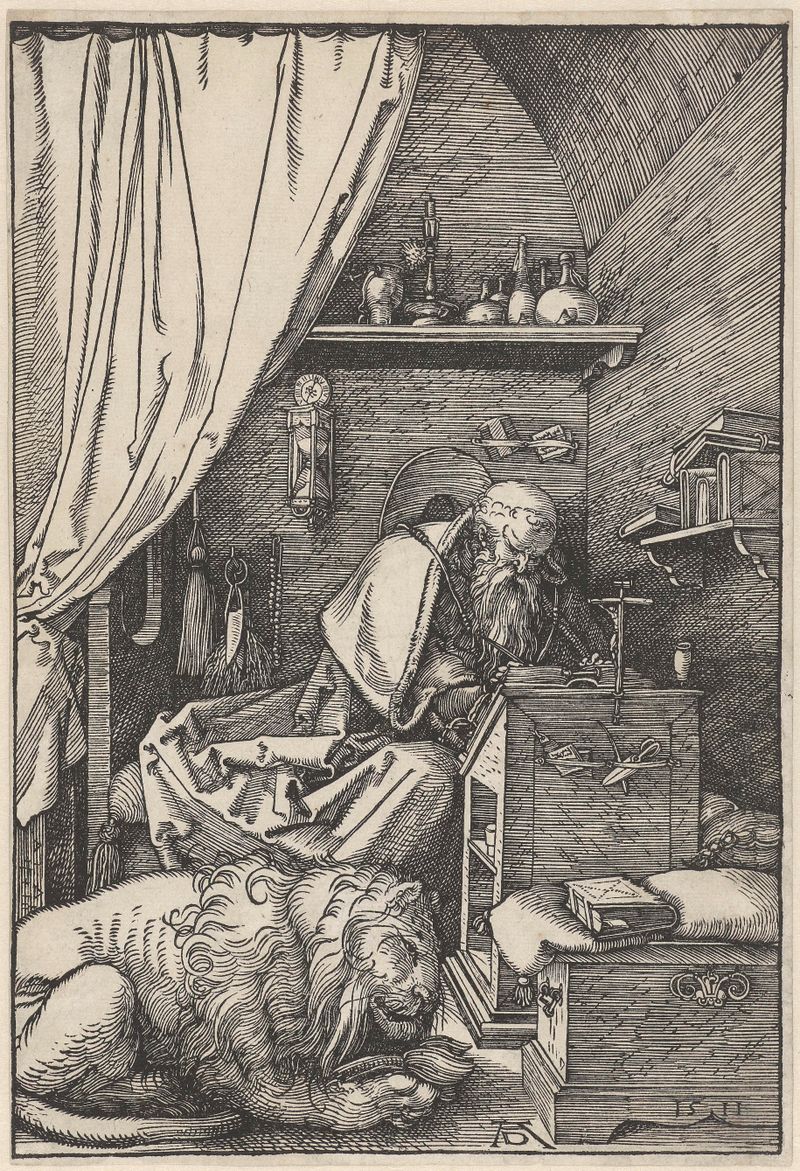
De Heilige Hiëronymus in zijn studeervertrek
Albrecht Dürer
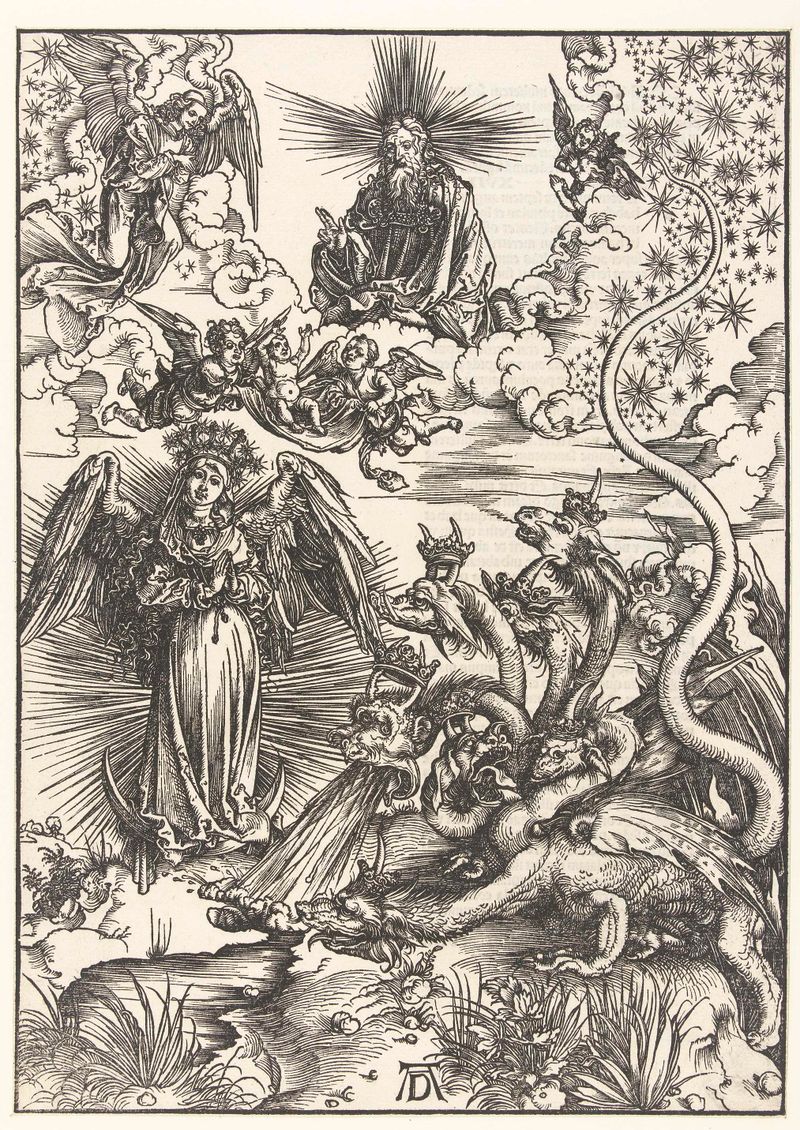
De apocalyptische vrouw en de zevenkoppige draak
Albrecht Dürer
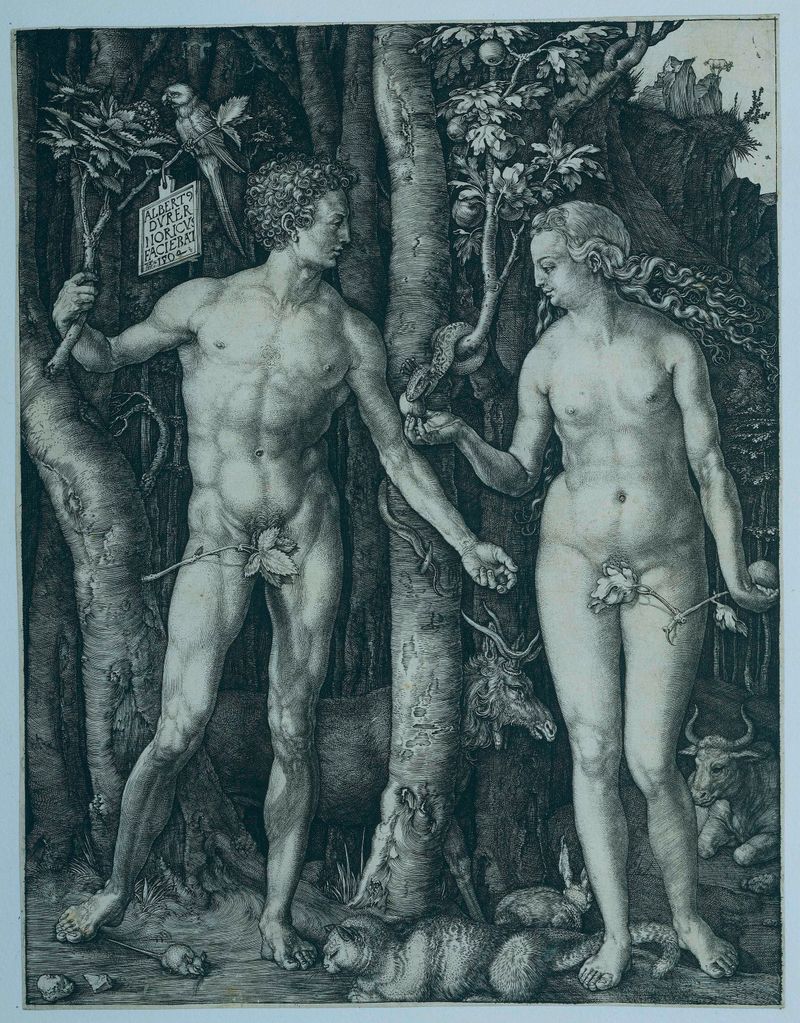
Adam en Eva
Albrecht Dürer
More Religious Art
Browse all →
The Return of the Prodigal Son
Rembrandt van Rijn

The Garden of Earthly Delights
El Bosco

Count Orgaz’ funeral
El Greco

The Hundred Guilder Print: the central piece with Christ preaching, the plate arched
Rembrandt van Rijn

The Descent from the Cross
Rogier van der Weyden

The return of the prodigal son
Rembrandt van Rijn