
L’Abbaye en Normandie — History & Facts
In the quiet of loss, we find the beauty that often eludes the hurried gaze. Focus first on the striking contrast between the deep blues of the sky and the soft, muted earth tones of the abbey's facade. The brushstrokes are both deliberate and spontaneous, capturing the essence of the building as it stands sentinel against a backdrop that seems to pulse with life. Notice how the dappled sunlight filters through the trees, creating a mosaic of light and shadow that dances across the landscape, imbuing the scene with a sense of fleeting transience. Beneath the idyllic surface lies a deeper narrative.
The abbey, a symbol of endurance, evokes the weight of history and the echoes of lives once lived within its walls. The gentle crumbling of the architecture suggests time’s relentless passage, hinting at the inevitable decay that follows even the most magnificent structures. The lush greenery surrounding it signifies both growth and the bittersweet acceptance of loss, a reminder that beauty and sorrow often coexist in delicate balance. In 1904, L’Abbaye en Normandie emerged during a period of rich artistic experimentation for Louis Valtat, who was influenced by the vibrant colors of Impressionism yet sought to carve his own path.
He painted this work while living in France, a time when artists were increasingly exploring themes of light and emotion in their quest for modern expression. The world of art was shifting, and Valtat, at the forefront, captured not just the physical beauty of the abbey but the haunting sense of loss that such a historic place embodies.
More Artworks by Louis Valtat
Browse all →
Bord de rivière aux arbres
Louis Valtat

Normandie
Louis Valtat

Paysage du Midi
Louis Valtat
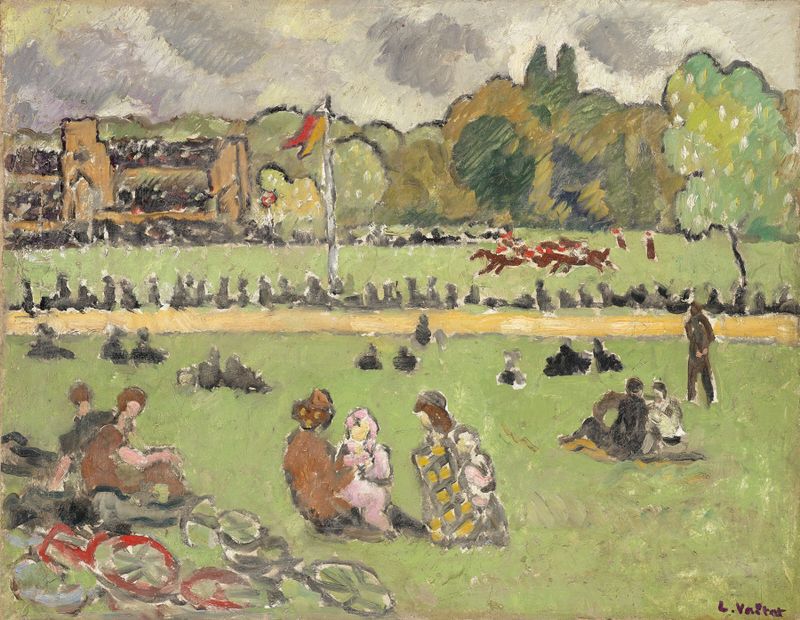
Les Courses
Louis Valtat
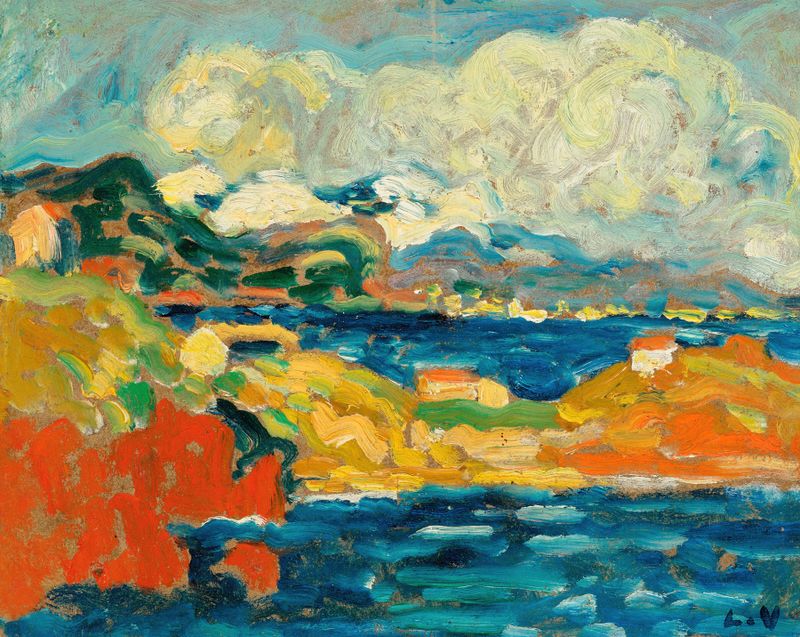
La baie à Anthéor
Louis Valtat

Femme assise au bord de la mer
Louis Valtat
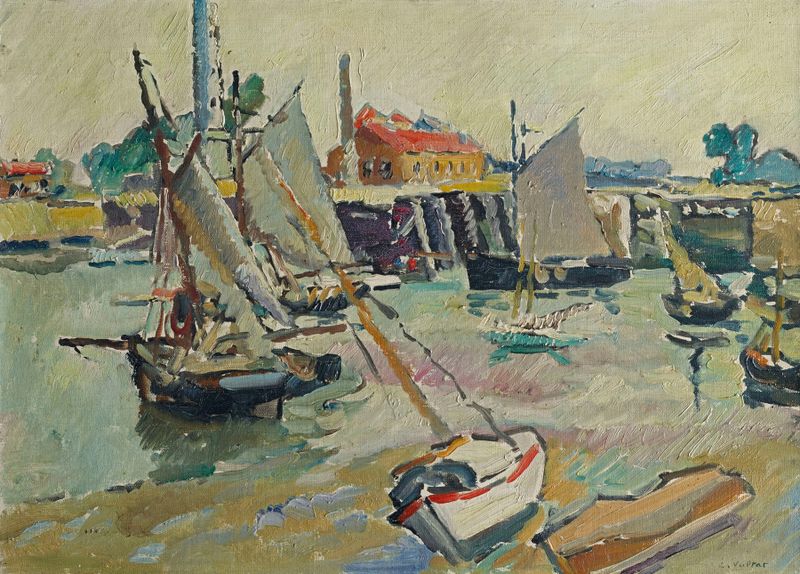
Voiliers au port à marée basse, Ouistreham
Louis Valtat

La maison au bord de la route en Normandie
Louis Valtat

La maison dans le jardin fleuri
Louis Valtat

Le jardin de la maison au toit rouge
Louis Valtat
More Architecture Art
Browse all →
The statue of Liberty
Frédéric Auguste Bartholdi

View of Houses in Delft, Known as ‘The Little Street’
Johannes Vermeer

View of Houses in Delft, Known as ‘The Little Street’
Johannes Vermeer

The Cathedral in Rouen. The portal, Grey Weather
Claude Monet

The yellow house
Vincent van Gogh

The Church in Auvers-sur-Oise, View from the Chevet
Vincent van Gogh