Lake and Mountains — History & Facts
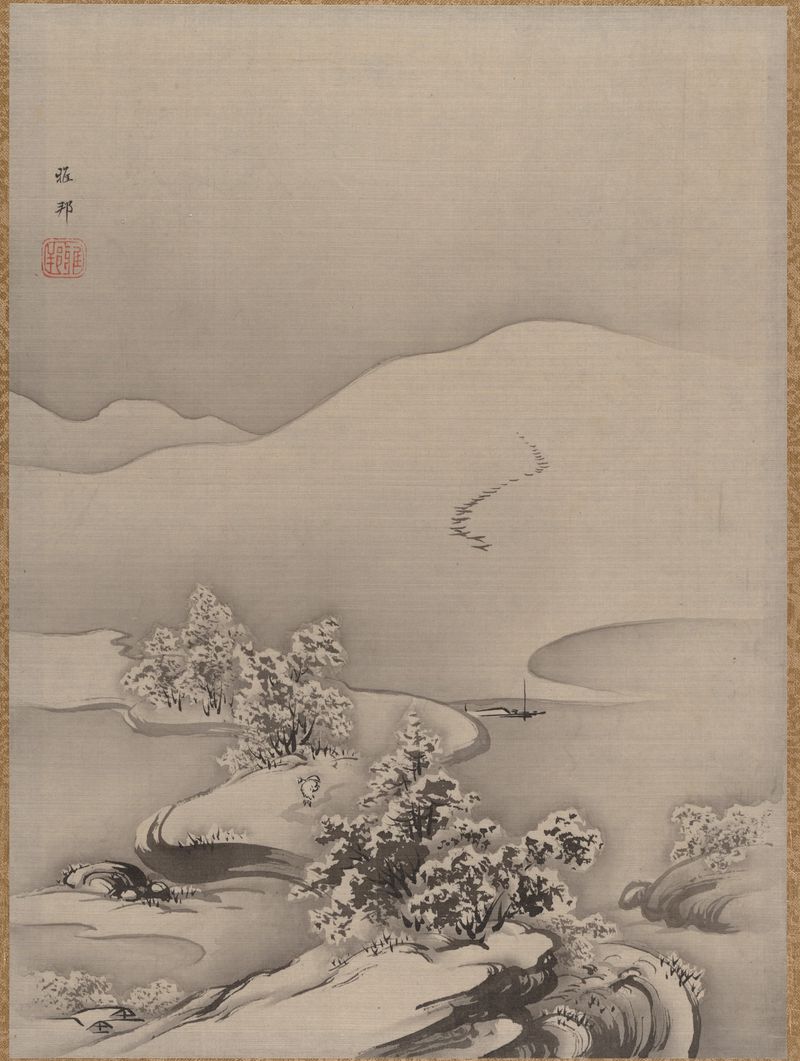
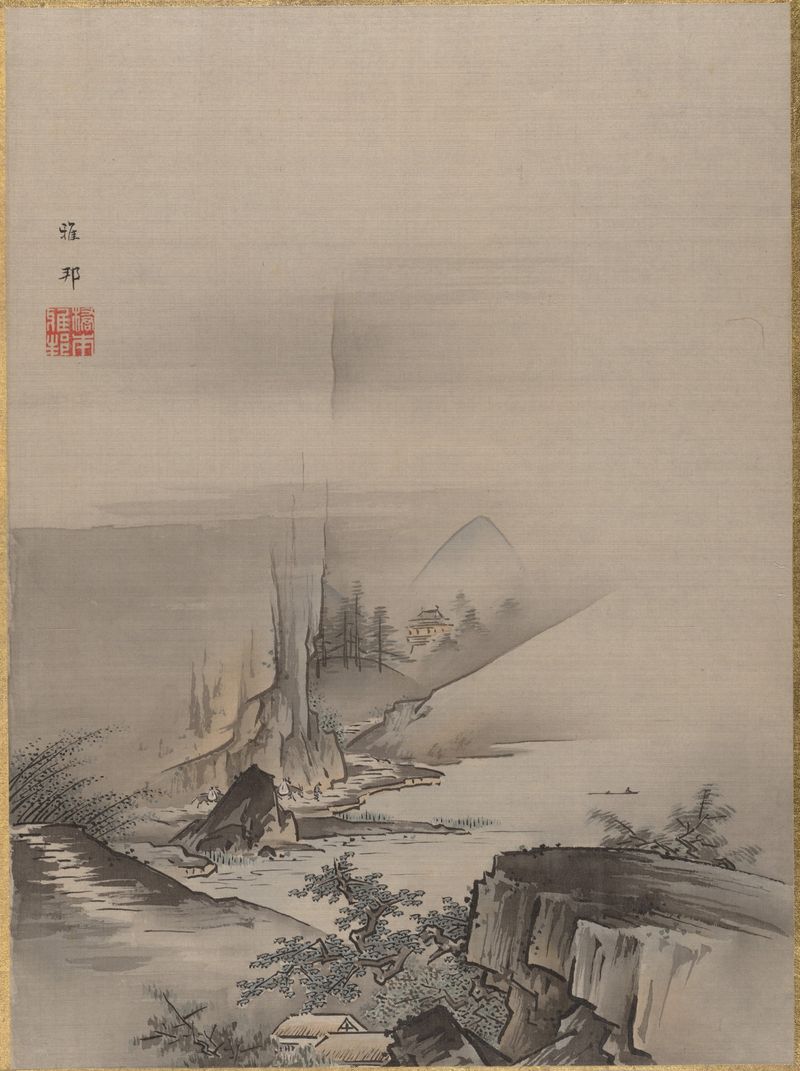
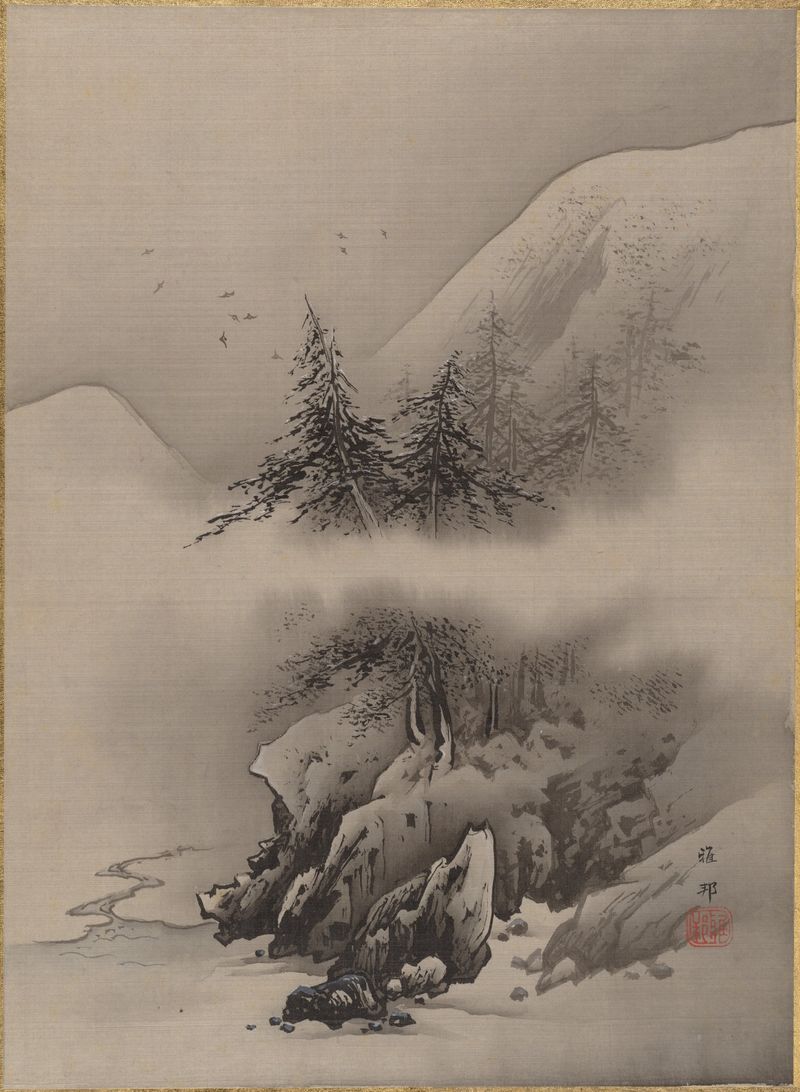
Could beauty survive in a century of chaos? This question lingers as one gazes upon the serene landscape that unfolds in front of us, whispering tales of solitude and reflection. Look to the left at the tranquil lake, its surface a glassy mirror of the sky, where soft hues of blue interlace with gentle whispers of white clouds. Notice the delicate brushstrokes that define the distant mountains, painted with an ethereal light that suggests both distance and intimacy. The composition balances these elements, leading the eye from the vibrant pigments of the foreground to the muted, almost melancholic tones of the background, evoking a profound sense of emptiness and calm. Hidden within this stillness lies a tension between nature's majesty and the isolation it can evoke.
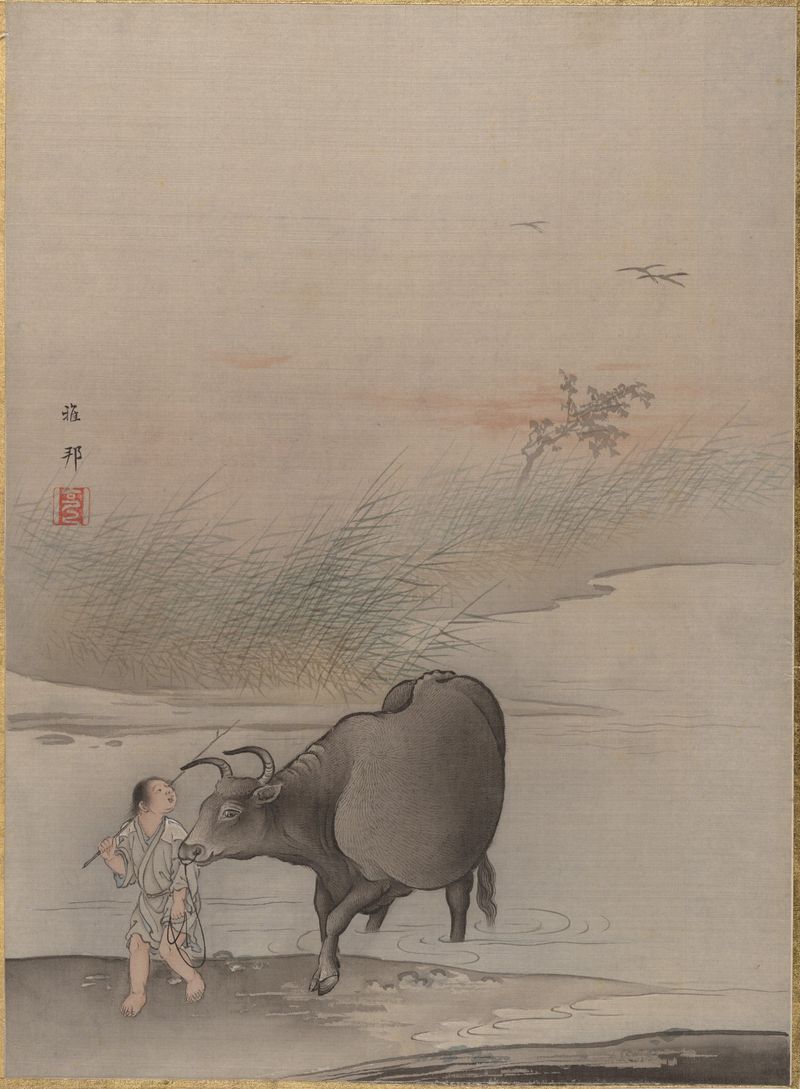
The juxtaposition of the expansive lake against the imposing mountains speaks to both beauty and solitude, as if nature itself is reflecting on the quiet despair that often accompanies overwhelming grandeur. Each brushstroke captures a fleeting moment, inviting the viewer to ponder what lies beneath the surface of such serene beauty. Hashimoto Gahō painted this work between 1885 and 1889, during a period marked by significant transitions in Japanese art and society. As the Meiji Restoration reshaped the landscape, artists sought to blend traditional techniques with Western influences.
Gahō, immersed in this evolving artistic dialogue, created Lake and Mountains while exploring themes of nature and stillness, offering a moment of respite amidst the rapidly changing world around him.