Landscape — History & Facts
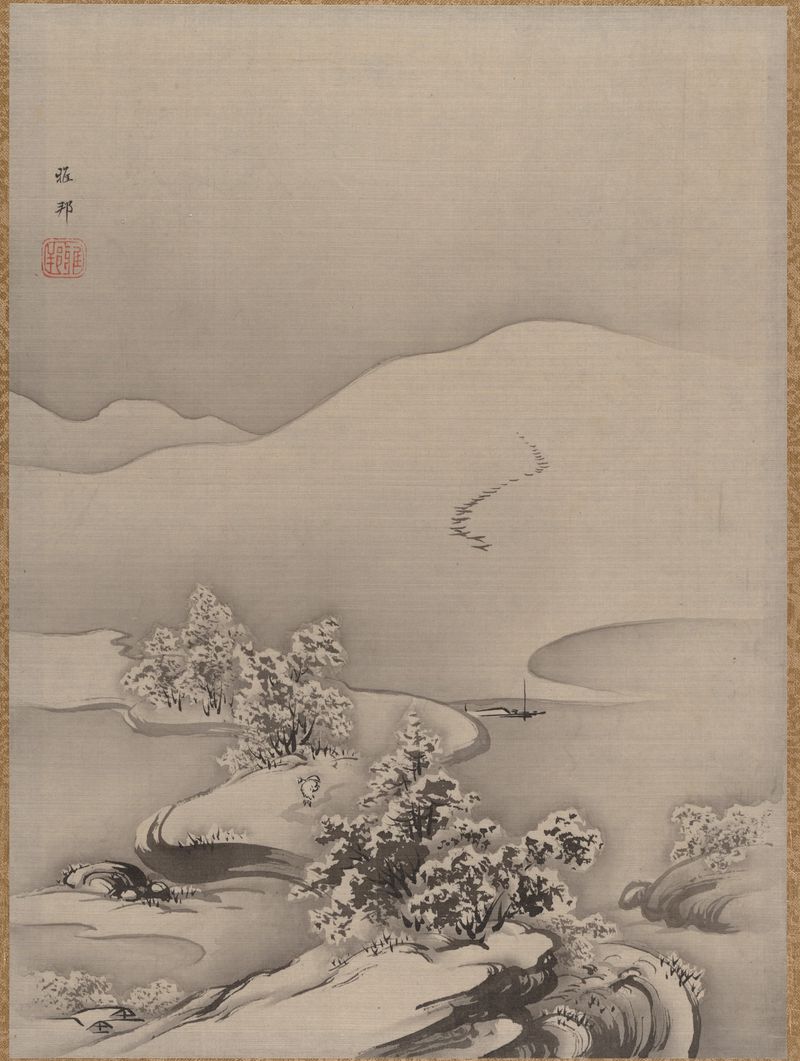
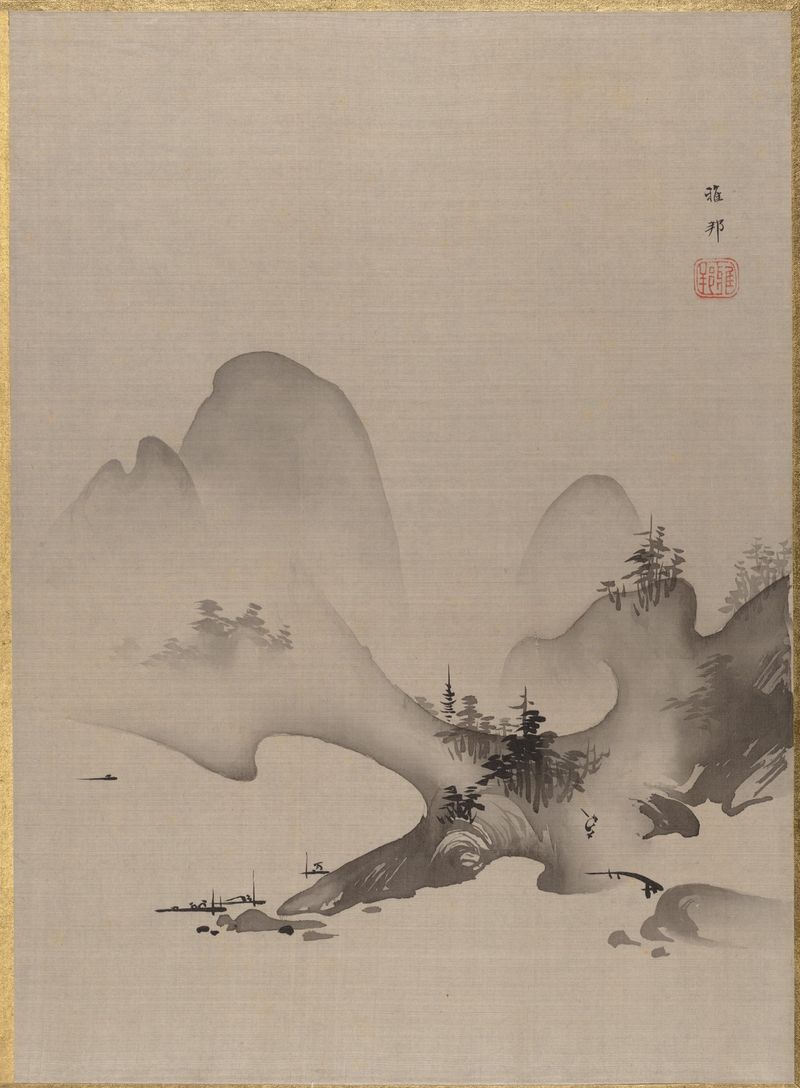
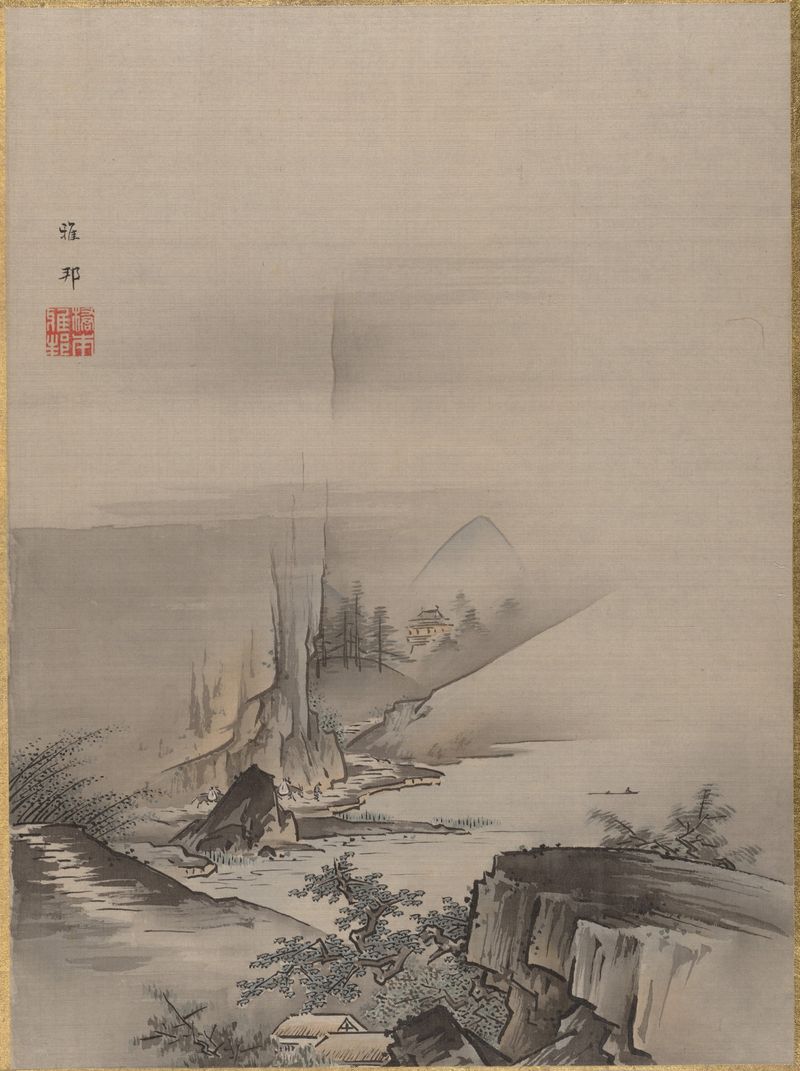
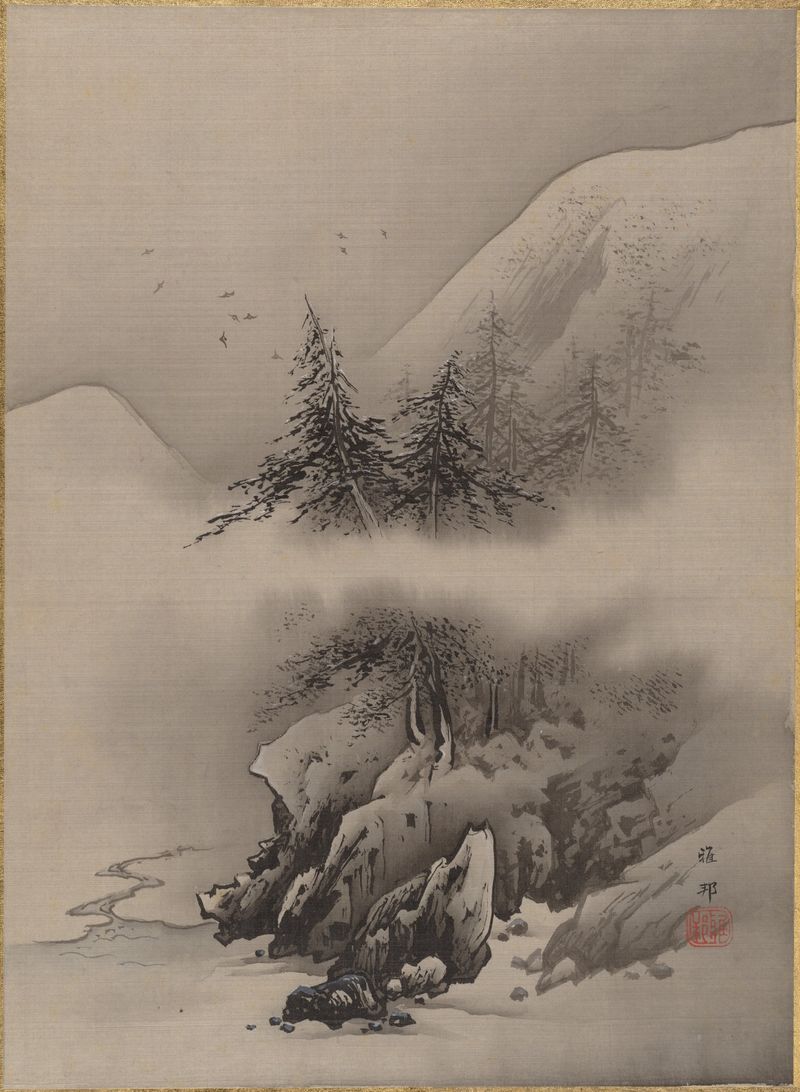
Who listens when art speaks of silence? In the stillness of Landscape, a deep sorrow resonates, echoing the unspoken words of nature's tranquil embrace. Look first to the soft rolling hills blanketed in verdant green, where gentle brush strokes create a harmonious blend of color, inviting the eye to wander. Notice how the light filters through the clouds, casting a serene illumination over the landscape, bathing the scene in an ethereal glow. The subtle use of ink and color reveals Gahō's mastery in creating depth and texture, with delicate contrasts that draw you deeper into the artwork’s heart. As you explore further, consider the way the distant mountains loom, quiet sentinels bearing witness to the passage of time and unexpressed emotions.
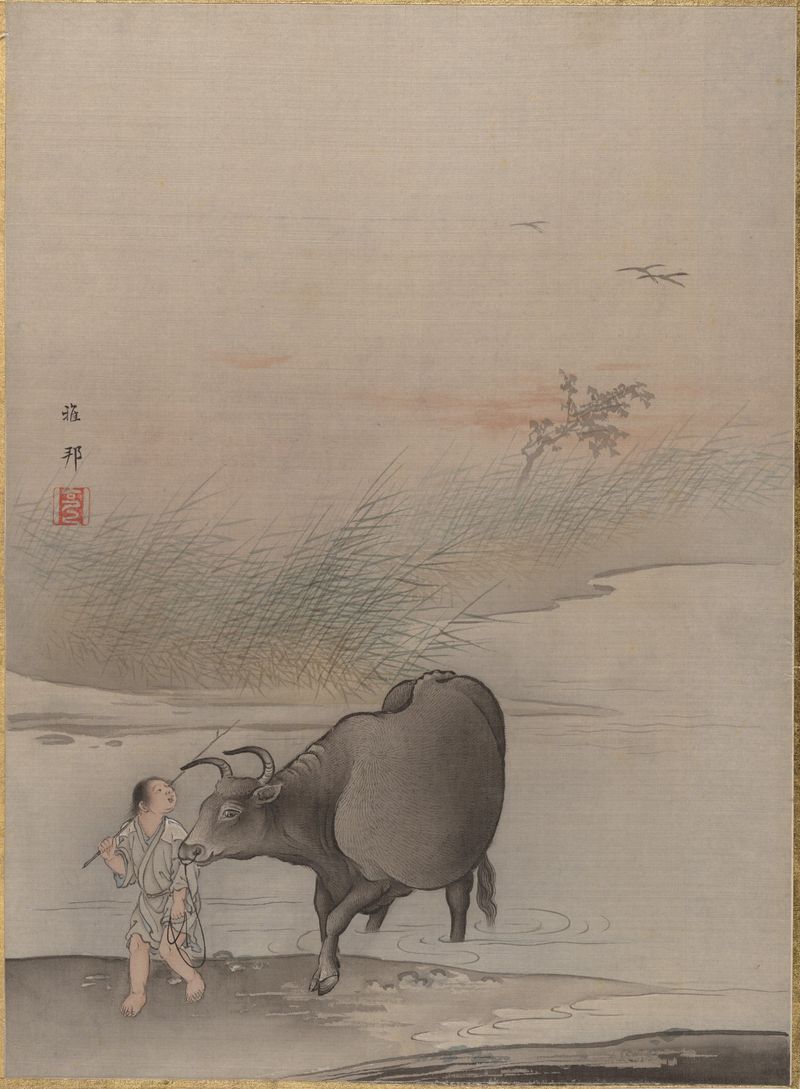
Each brush stroke seems heavy with meaning, suggesting a narrative of loss or longing that lingers in the air. The contours of the landscape, both inviting and isolating, encapsulate a duality where beauty and grief coexist, echoing the artist’s own reflections on nature's stoic silence amidst human turmoil. During the years 1885 to 1889, Gahō painted this work while navigating a time of artistic transition in Japan, as Western influences began to permeate traditional practices. A prominent figure in the Nihonga movement, he sought to blend indigenous Japanese techniques with new ideas, capturing not only the essence of the landscape but also the emotional weight it carried.
In this context, Landscape becomes not just a visual representation but a poignant commentary on the complexities of life and the grief that often accompanies its stillness.