Rapids and Fall of a River — History & Facts
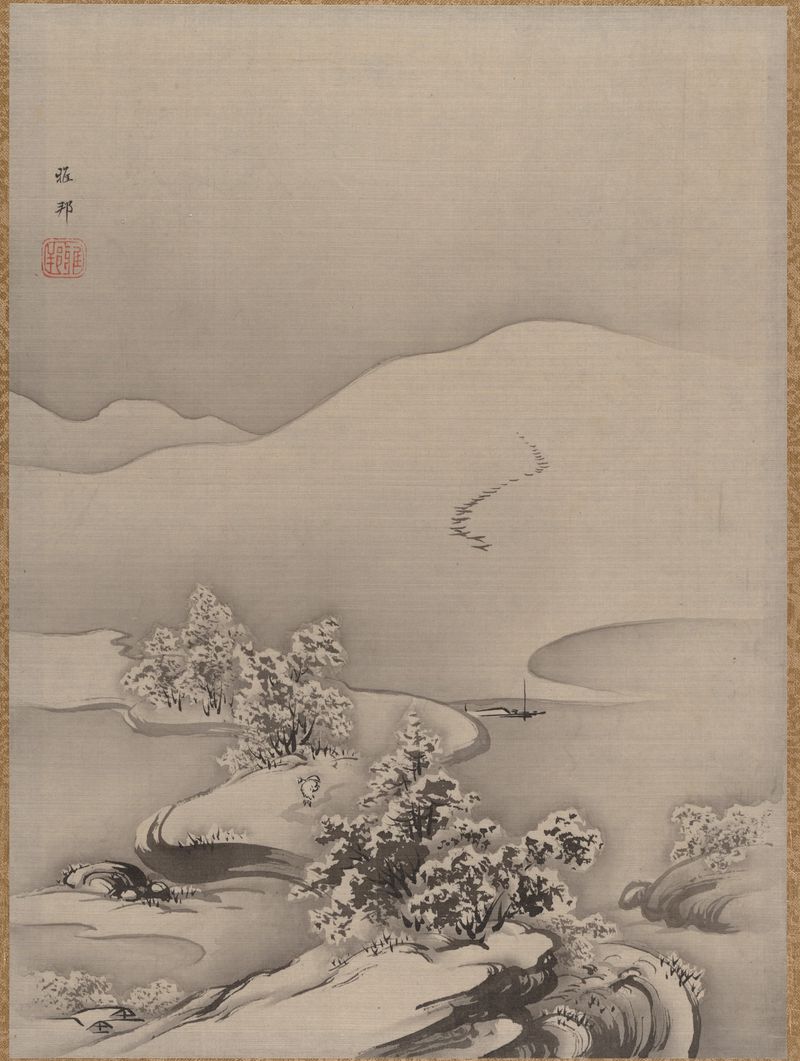
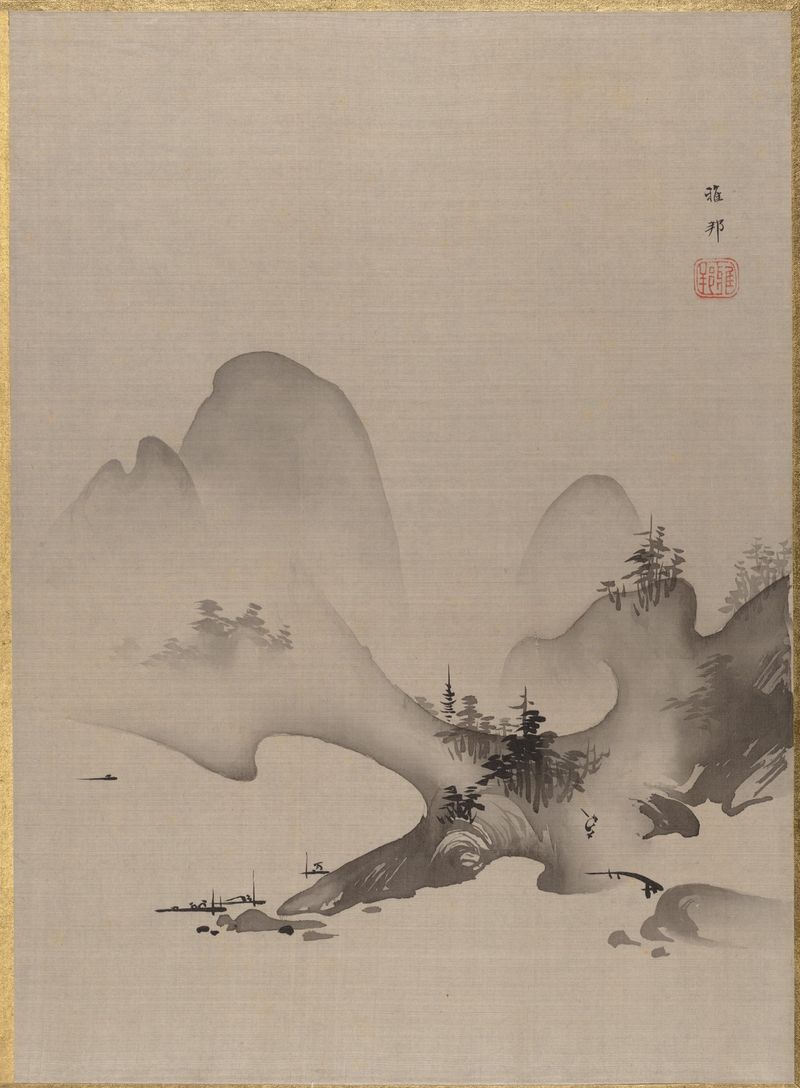
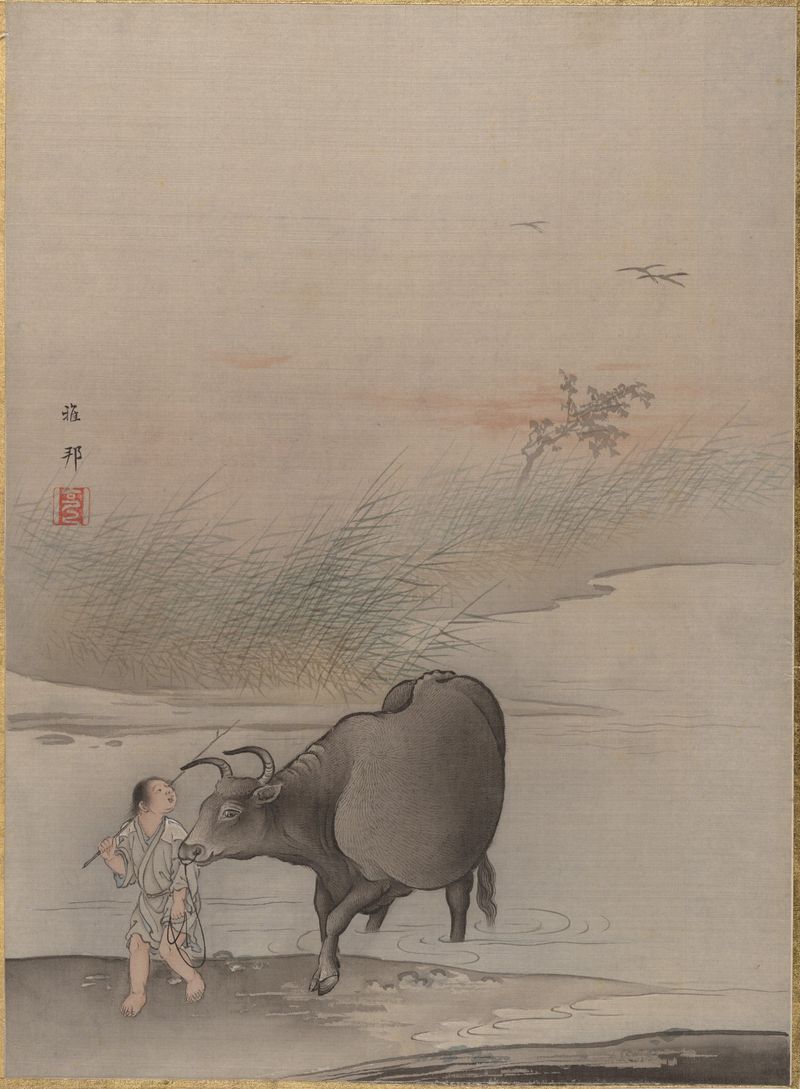
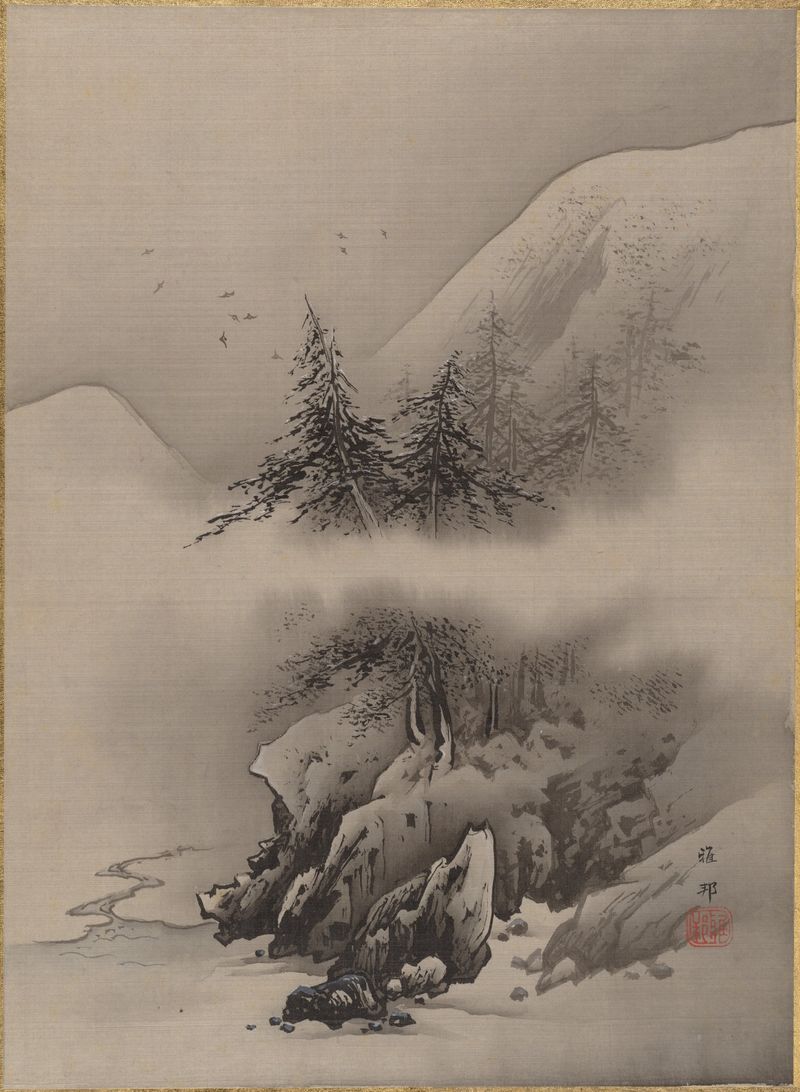
In the sublime stillness of art, one can find awe that transcends the boundaries of time and space. Look to the left at the cascading water, where crystal-clear torrents tumble over rocks, creating a mesmerizing dance of movement and energy. The artist employs a rich palette of blues and greens, contrasting with the warm earth tones of the riverbanks, drawing the viewer's eye into this harmonious yet tumultuous scene. Notice how the play of light captures the churning water, reflecting radiant flashes that evoke both serenity and chaos, inviting contemplation on nature’s duality. Delve deeper into the work, and you’ll uncover a multitude of interactions between elements, each serving as a narrative thread.
The fluidity of the river symbolizes the relentless passage of time, while the sturdy rocks signify the permanence of nature amidst constant change. Small details, such as the delicate splashes at the water's edge or the subtle wisps of mist rising, suggest a moment both fleeting and eternal, evoking a sense of respect for the natural world. In the late 19th century, Hashimoto Gahō painted this piece during a time of cultural transition in Japan, as the country began embracing Western artistic techniques while striving to preserve its rich heritage. Operating within the Nihonga style, he sought to merge traditional aesthetics with modern sensibilities, reflecting both personal exploration and broader artistic trends of the era.