Discover insights about this artwork
Lake at the Edge of a Forest — History & Facts
In Lake at the Edge of a Forest, Paul Cézanne captures a tranquil scene dominated by a serene lake surrounded by lush greenery. The colors are rich and varied, with deep greens and blues contrasting against lighter hues. The composition is balanced, with the lake reflecting the trees and sky, creating a harmonious atmosphere.
This landscape invites viewers to immerse themselves in the beauty of nature. Cézanne employs a technique characterized by bold brushstrokes and a vibrant palette, typical of his Post-Impressionist style. The painting is executed in oil on canvas, allowing for texture and depth in the foliage and water. The artist's unique approach to perspective gives the scene a sense of depth, drawing the viewer's eye into the landscape.
The work exemplifies Cézanne's desire to capture the essence of nature rather than just its appearance. Paul Cézanne, a pivotal figure in the transition from Impressionism to modern art, created this work during the late 19th century. This painting reflects his fascination with the natural world and his innovative use of color and form. An interesting fact about this piece is that it showcases Cézanne's departure from traditional representation, focusing instead on the underlying structure of the landscape.
His work has had a lasting impact on future generations of artists, influencing movements such as Cubism.
More Artworks by Paul Cézanne
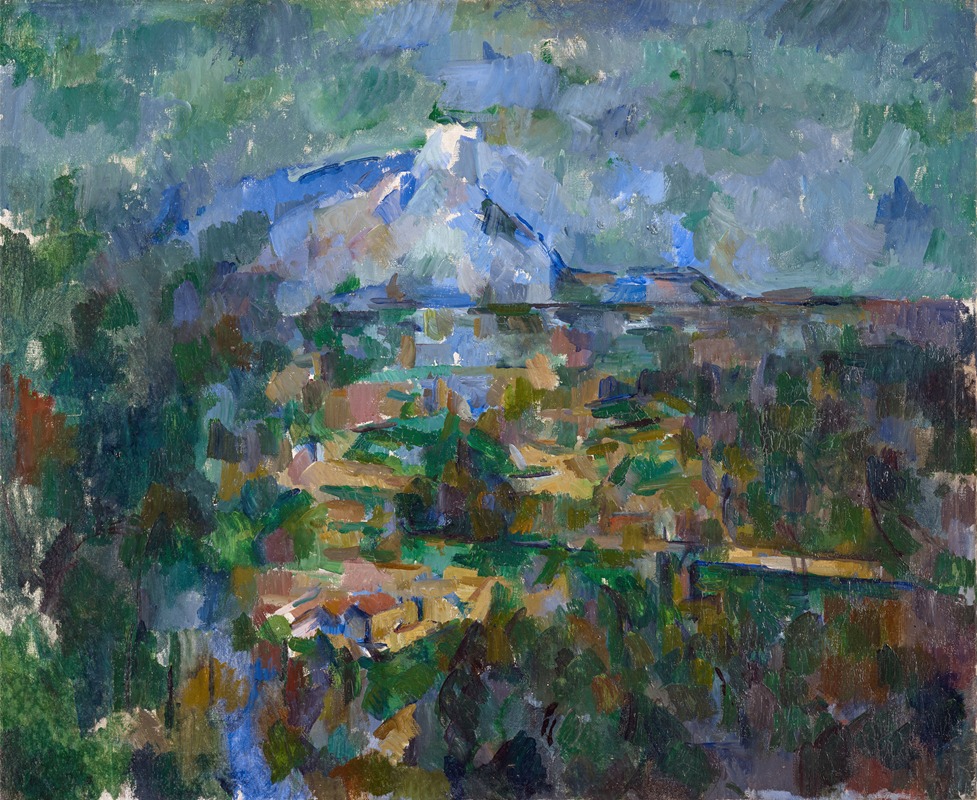
The Mont Sainte-Victoire Seen From Les Lauves
Paul Cézanne
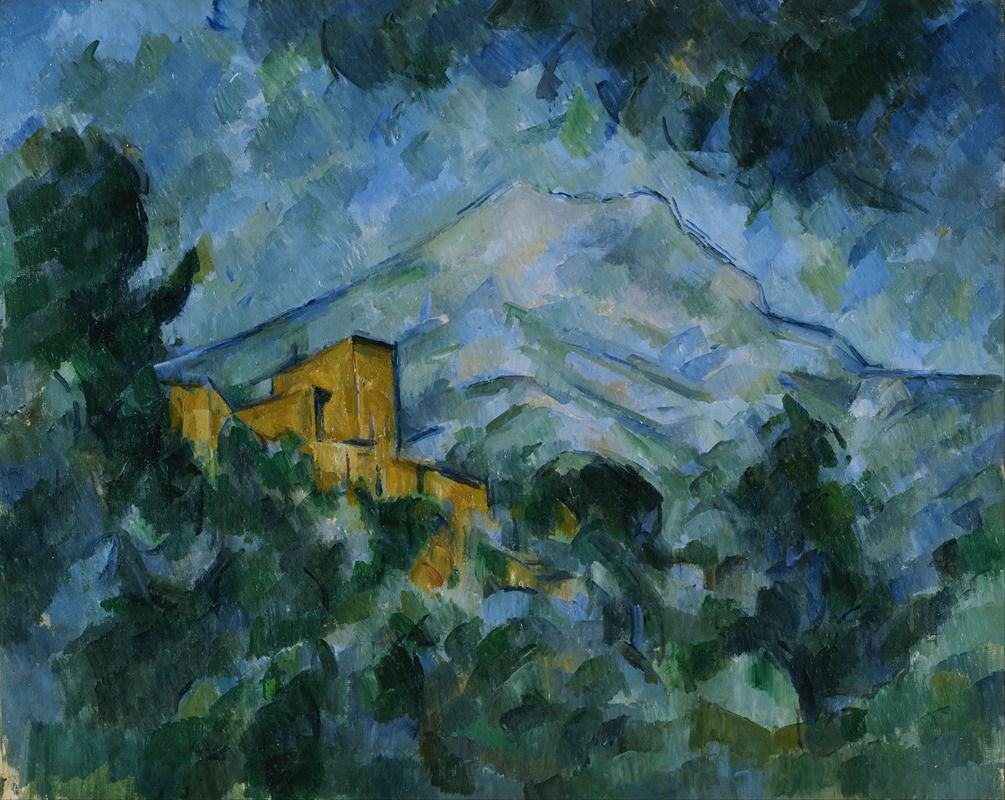
Mont Sainte-Victoire and Château Noir
Paul Cézanne
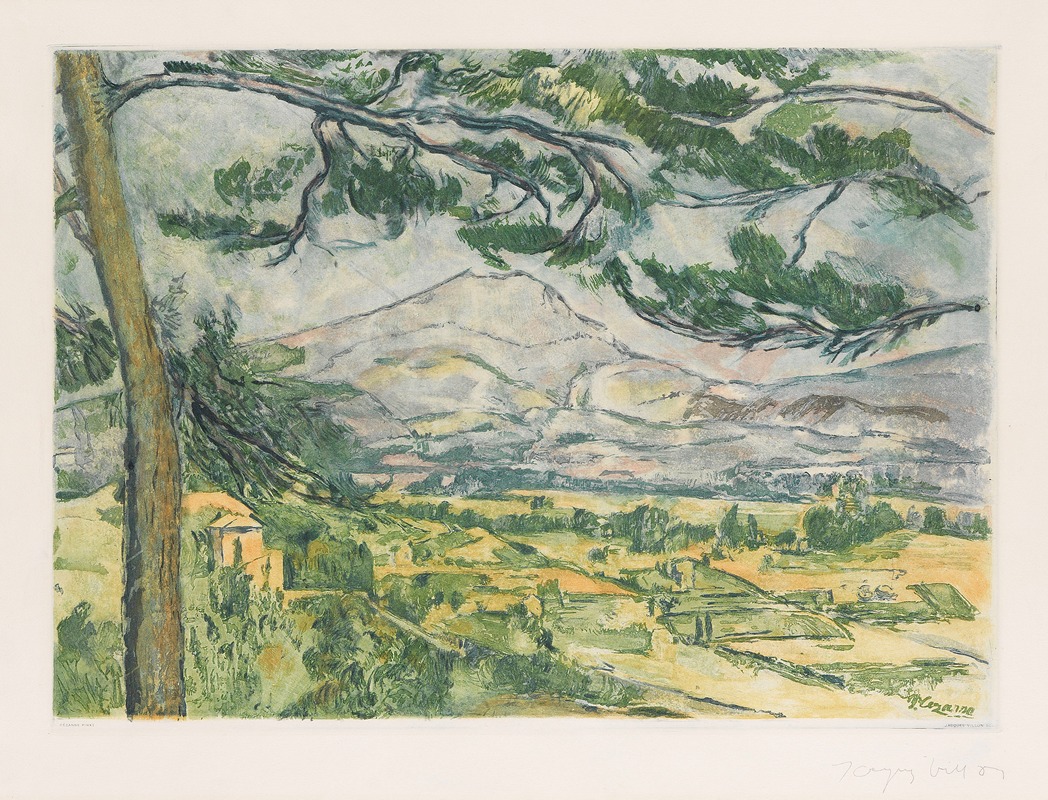
La Montagne Sainte-Victoire
Paul Cézanne
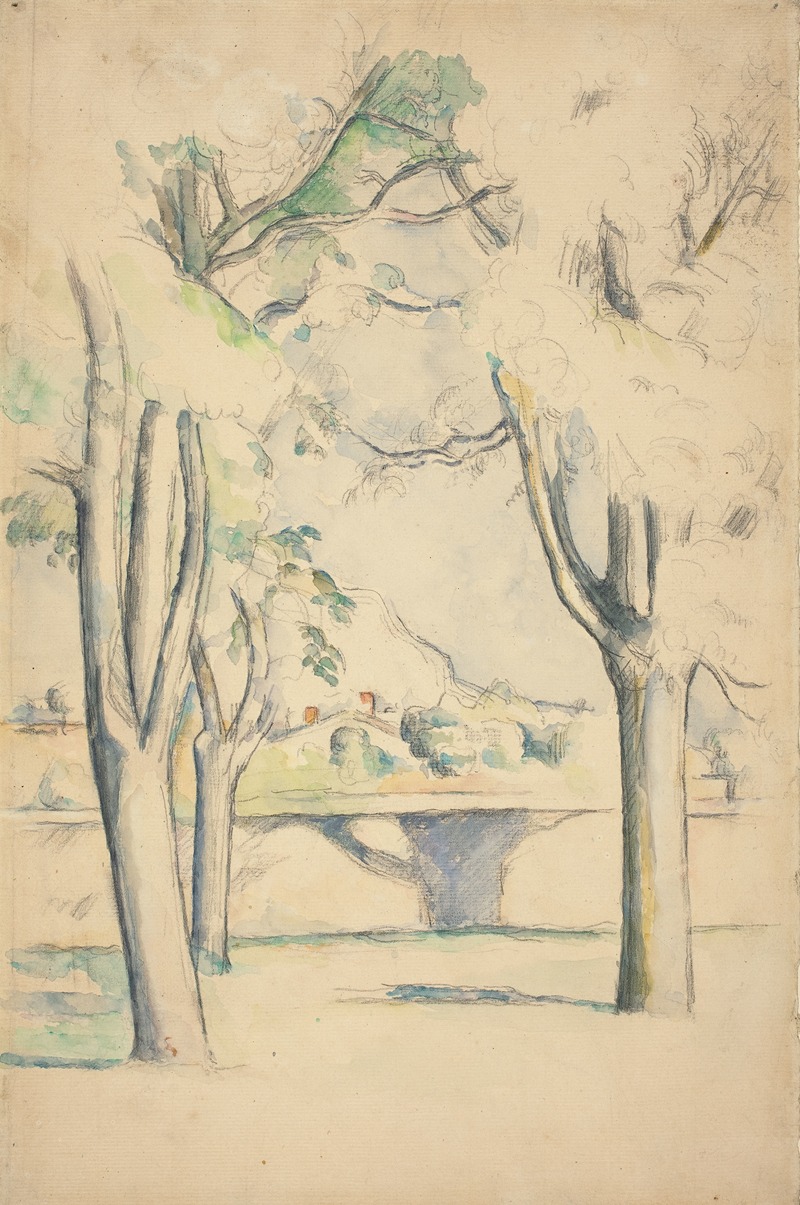
Mont Sainte-Victoire Seen beyond the Wall of the Jas de Bouffan
Paul Cézanne
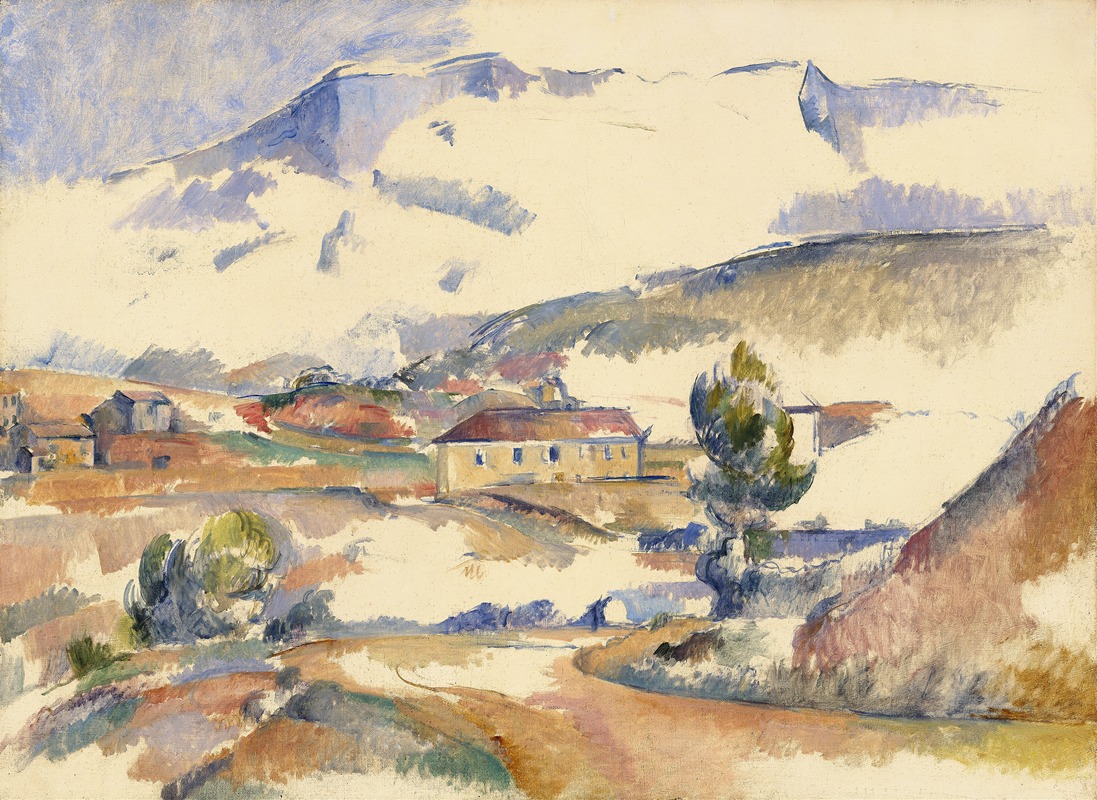
Montagne Sainte-Victoire,from near Gardanne
Paul Cézanne
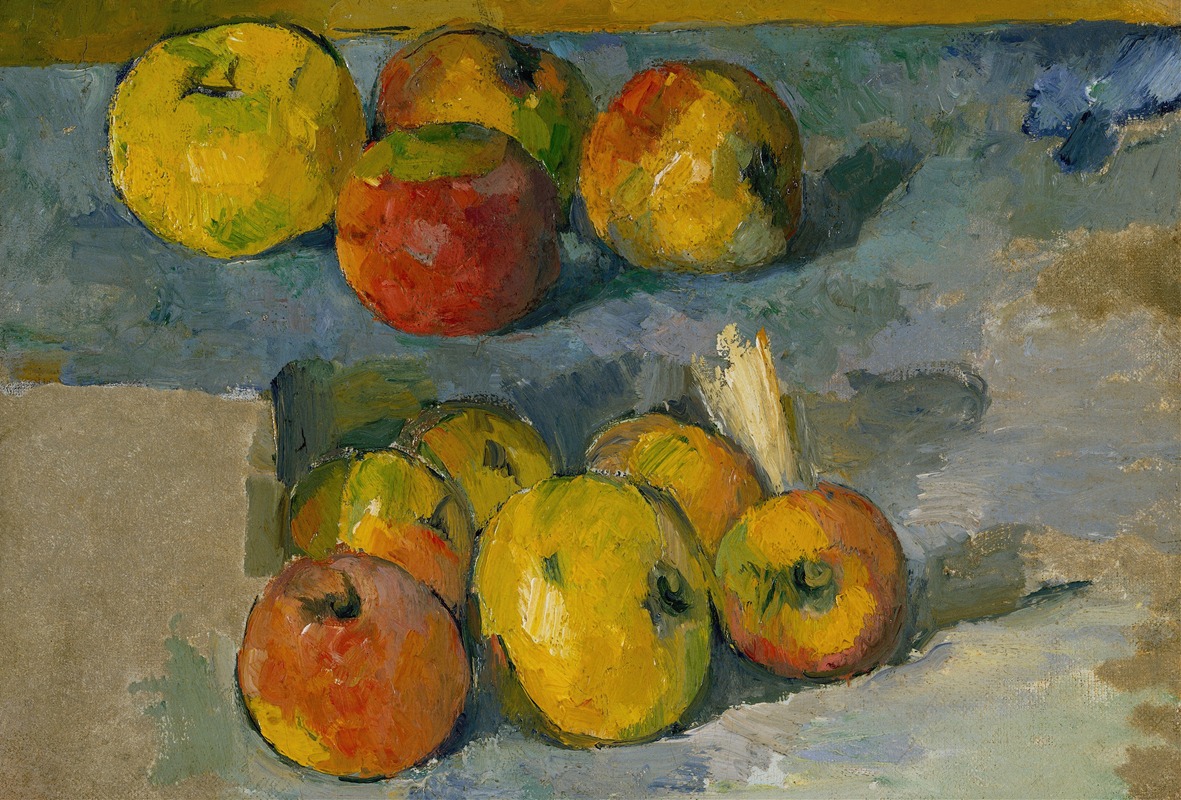
Apples
Paul Cézanne
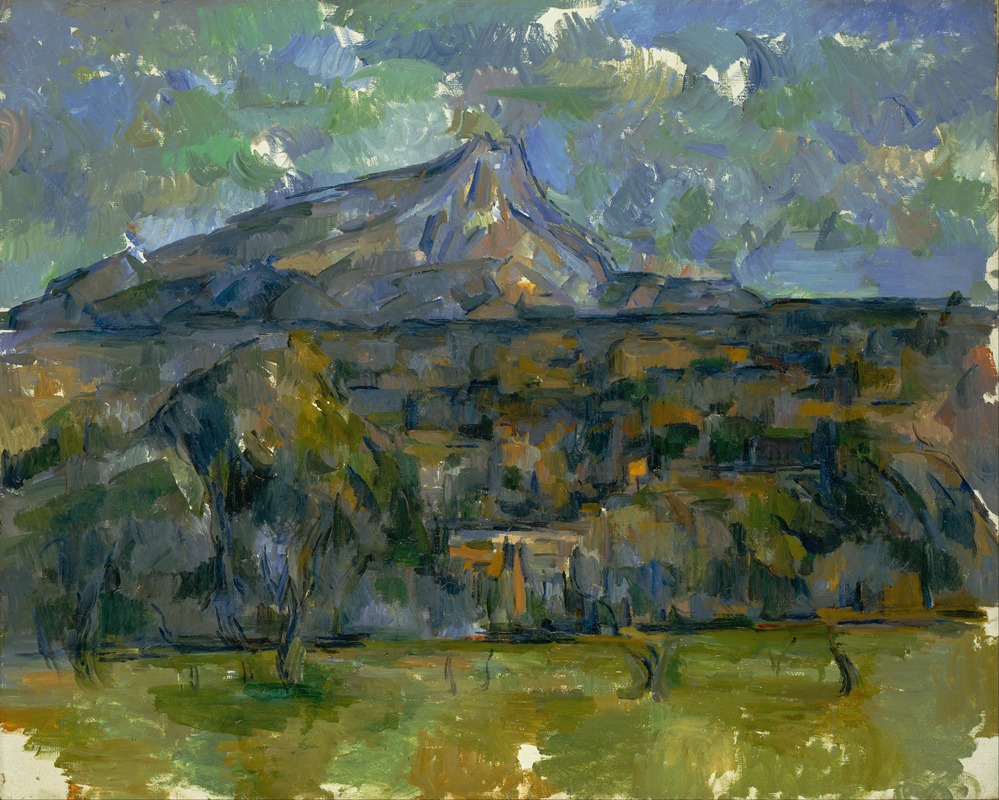
Mont Sainte-Victoire
Paul Cézanne
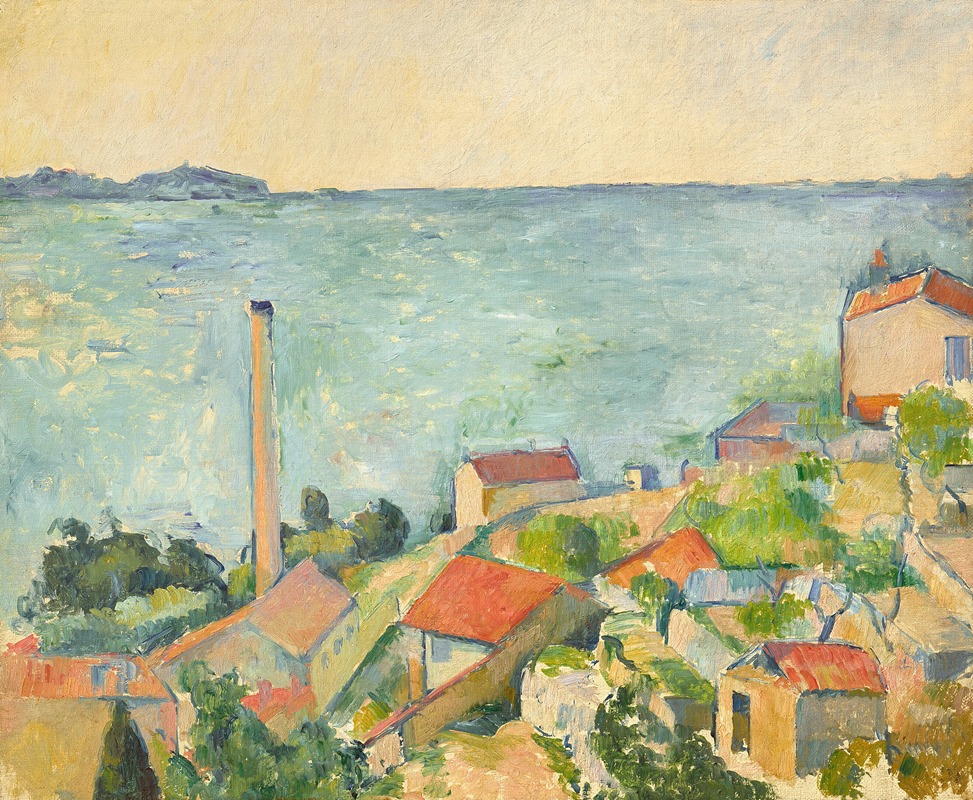
La mer à l’Estaque
Paul Cézanne
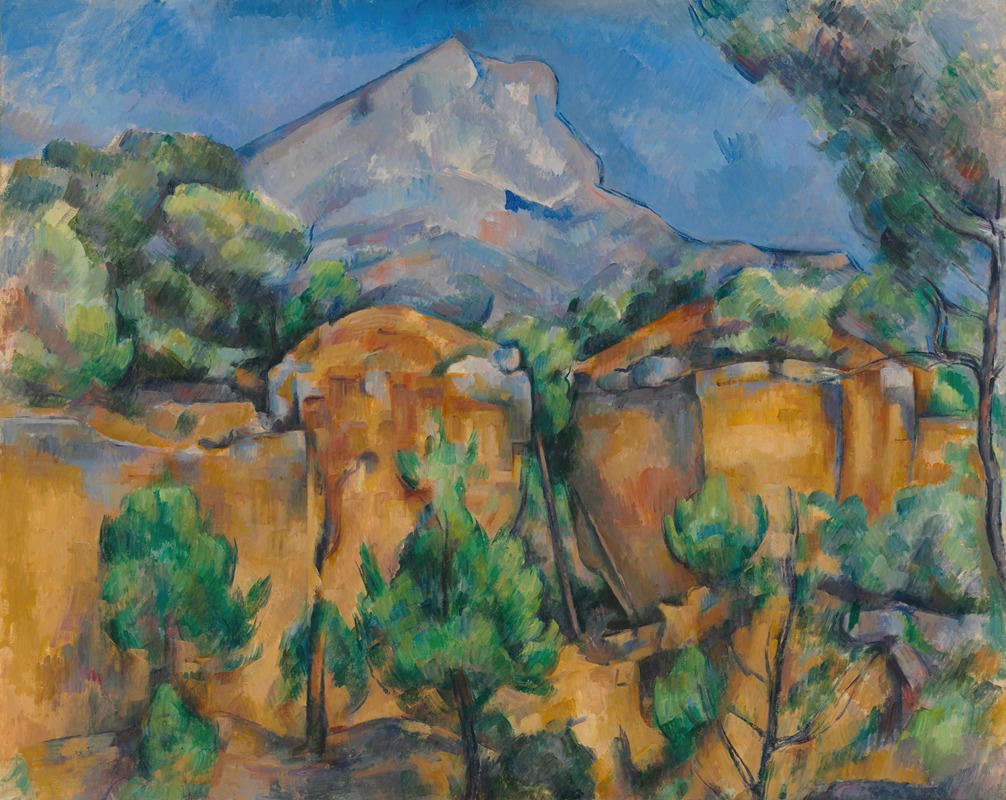
La Montagne Sainte-Victoire vue de la carrière Bibémus
Paul Cézanne
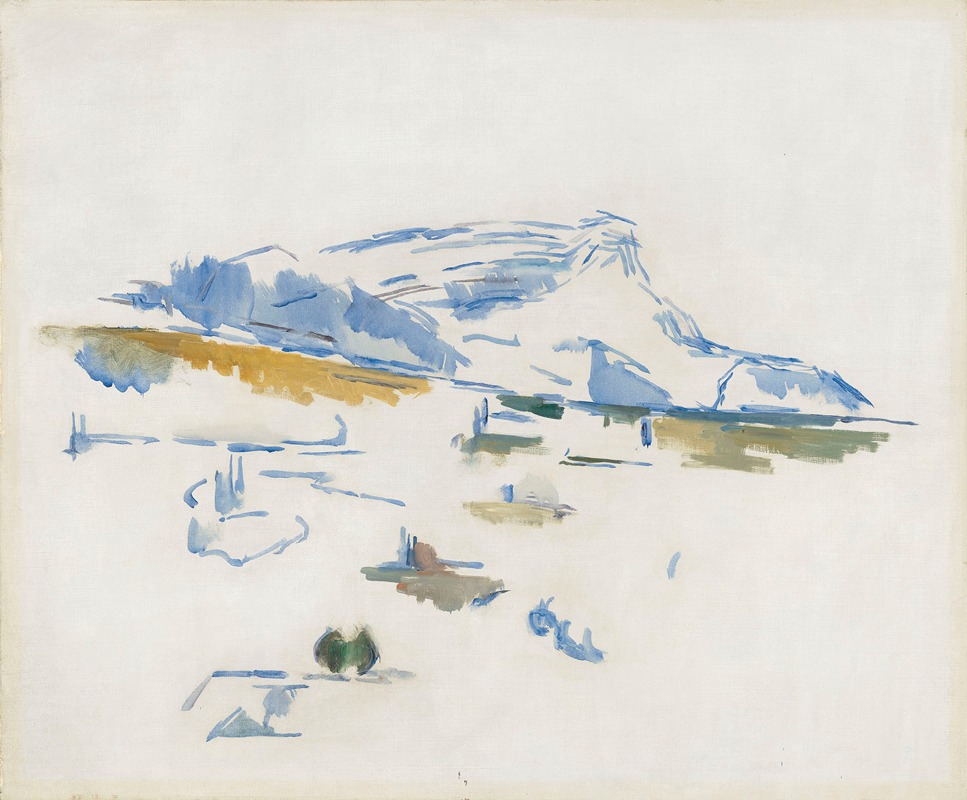
La Montagne Sainte-Victoire vue des Lauves
Paul Cézanne