
Lake Como — History & Facts
This sentiment resonates profoundly within the depths of the landscape captured by the artist, revealing the tension between allure and obsession that nature can evoke. Look to the gentle curves of the mountains, their peaks draped in soft shadows, framing the tranquil waters of Lake Como. Notice how the light dances across the surface, shimmering like a thousand scattered diamonds; it draws the viewer's gaze, inviting a deeper contemplation. The palette is a symphony of greens and blues, punctuated by warm earth tones at the lake's edge, drawing the eye into the scene's composition—an idyllic yet haunting embrace of nature. Yet, hidden beneath this serene surface lies an undercurrent of longing.
The idyllic scenery speaks to a desire for escape, a yearning that many who gaze upon it can relate to. The stillness of the lake reflects not just the mountains above but also the quiet obsessions, dreams, and disappointments that ripple through the atmosphere. Each brushstroke subtly whispers of a deeper reality—beauty that captivates yet conceals the complexities of human emotion. In 1869, Weir painted this striking scene while living in the United States, having recently returned after studying in Europe.
This period was marked by a growing appreciation for the natural world in art, as well as personal challenges as he sought to establish his own artistic voice. The tranquility of Lake Como, paired with the vibrant European landscapes he'd encountered, reflects both his admiration for beauty and the internal struggles that accompany such profound inspiration.
More Artworks by John Ferguson Weir
Browse all →
West Point Foundry, Cold Spring, New York
John Ferguson Weir

West Point Foundry, Cold Spring, New York (Rabbit)
John Ferguson Weir

Niagara Falls
John Ferguson Weir
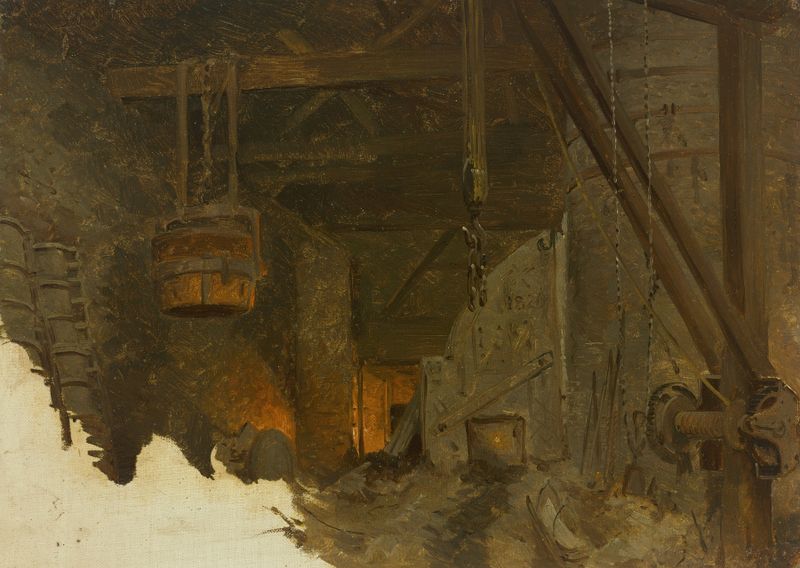
West Point Foundry, Cold Spring, New York
John Ferguson Weir

West Point Foundry, Cold Spring, New York
John Ferguson Weir

Forest Scene
John Ferguson Weir

Forest Scene
John Ferguson Weir

Alhambra, Granada, Spain
John Ferguson Weir

An Abandoned Quarry
John Ferguson Weir
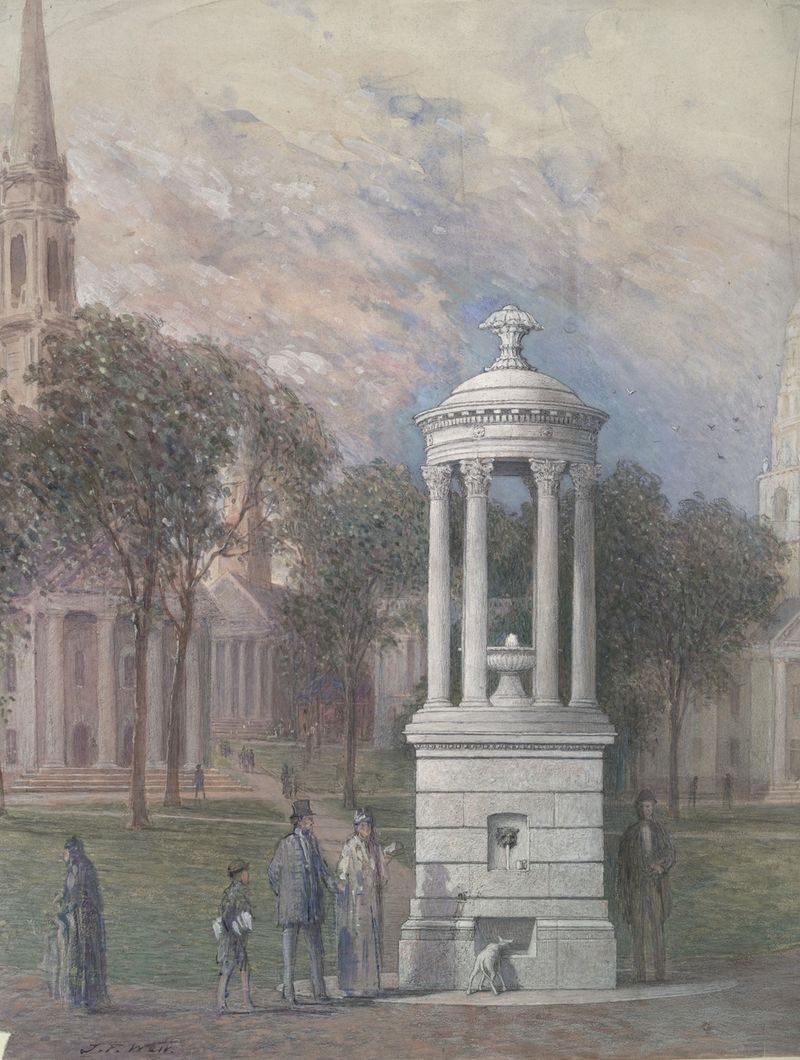
Bennett Fountain on New Haven Green
John Ferguson Weir





