Lake of Como — History & Facts
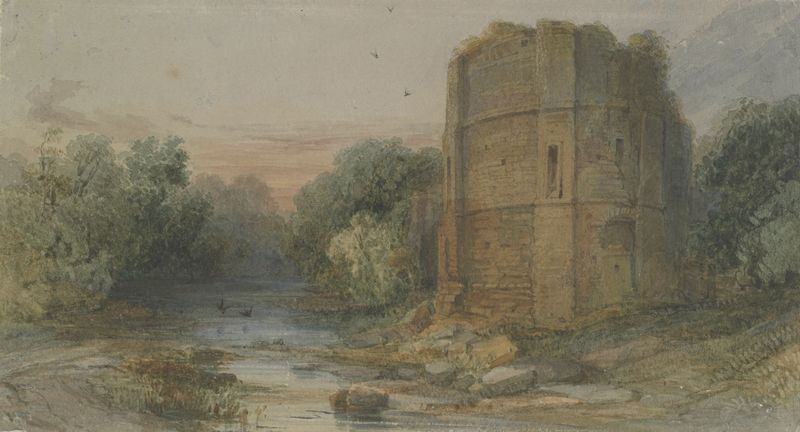
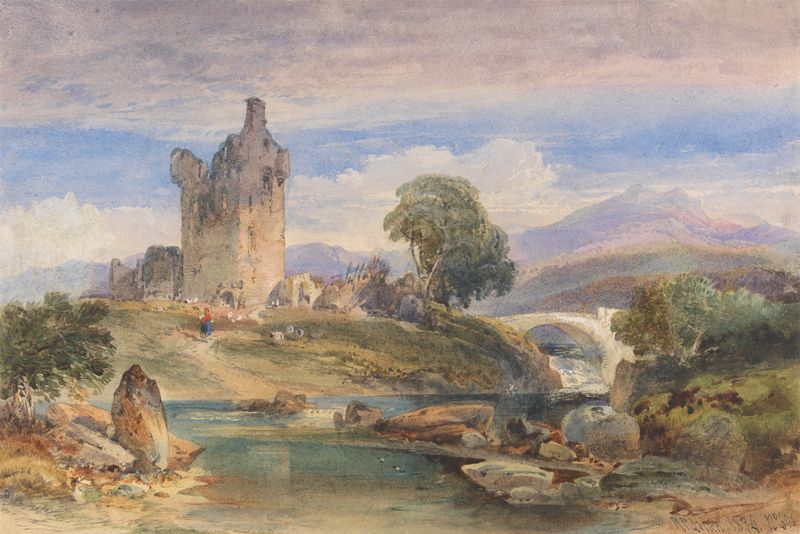
Is this a mirror — or a memory? The tranquil surface of the lake, a portal to another realm, invites us to contemplate a world transformed by the passage of time. Begin by focusing on the shimmering water that dominates the canvas, its glassy texture reflecting the soft hues of the sky above. Notice the delicate brushwork that conveys both the fluidity of the lake and the solidity of the surrounding mountains. The muted greens and blues are punctuated by whispers of sunlight, hinting at an ethereal quality that blurs the lines between reality and imagination. As you explore further, subtle contrasts emerge; the serene beauty of nature stands in stark relief against the encroaching shadows of the evening.
The distant peaks, draped in twilight, evoke a sense of solitude, while the gentle ripples in the foreground suggest the passage of time, like memories fading yet never fully disappearing. Each detail, from the soft clouds to the quiet landscape, reflects the duality of existence — the harmony of the present and the echo of the past. Created in 1840, this piece reflects Richard Principle Leitch’s embrace of the Romantic landscape tradition. At this time, he was deeply influenced by the sublime beauty of the Italian countryside, particularly Lake Como, a place synonymous with tranquility and artistic inspiration.
In a world still reeling from the industrial revolution, his work captures a yearning for the untouched and the eternal, making it a testament to the transformative power of nature in the human experience.