
Landhuis aan voet van Monte Pellegrino — History & Facts
Could beauty survive in a century of chaos? In Landhuis aan voet van Monte Pellegrino, the delicate interplay of light and shadow offers a poignant reflection on the passage of time and the inevitable decay of all things beautiful. Look to the center of the canvas, where the stately villa stands resolute against the backdrop of Monte Pellegrino. The warm hues of ochre and gold envelop the structure, inviting your gaze, while the verdant greens and soft blues encircle it, creating a serene yet poignant contrast. Notice how the light cascades down the mountainside, illuminating the villa’s façade, as if to celebrate its existence even as nature encroaches upon it.
The gentle brushstrokes evoke a sense of calm, painting not just a scene but a moment frozen in time. Yet, this tranquility belies deeper tensions. The villa, although strikingly picturesque, whispers of decay—its walls appear fragile against the imposing mountain, suggesting a confrontation between human creation and the relentless force of nature. The distant storm clouds looming overhead hint at inevitable change, while the idyllic landscape conveys both beauty and fragility.
Here, the painting speaks to the duality of existence: the allure of beauty intertwined with the shadows of impermanence. In 1778, the artist created this remarkable piece during a period when Europe was on the brink of transformation. Ducros was residing in Italy, where he was influenced by both the picturesque landscapes and the shifting dynamics of an art world that was beginning to embrace the Romantic spirit. As nations grappled with upheaval, this artwork stands as a testament to a longing for beauty amidst the chaos that surrounded him.
More Artworks by Abraham-Louis-Rodolphe Ducros
Browse all →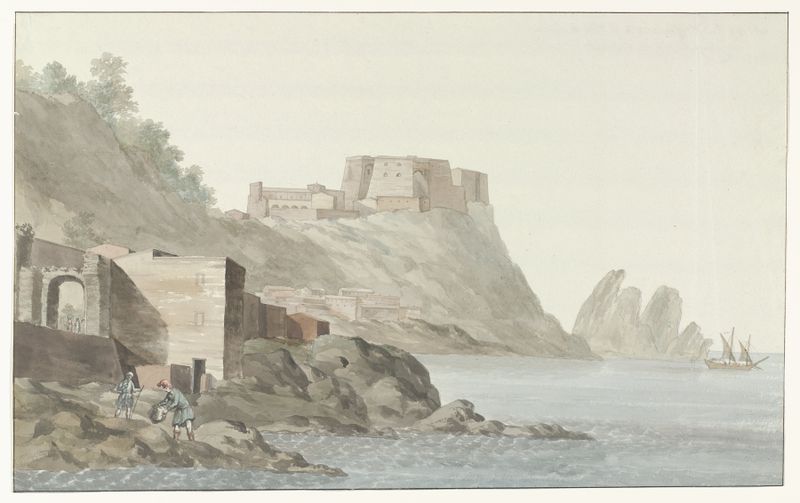
Rots en stad Scilla in de regio Calabrië aan de oostkust
Abraham-Louis-Rodolphe Ducros
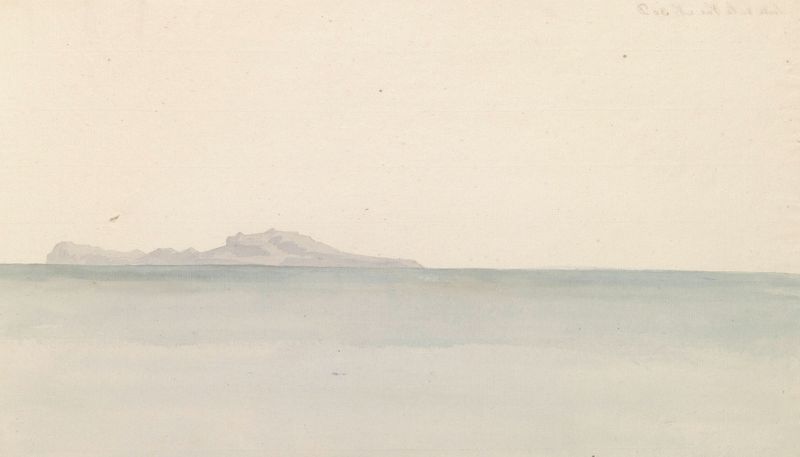
Gezicht op Golf van Napels vanaf kade bij kerk Santa Maria del Carmine
Abraham-Louis-Rodolphe Ducros
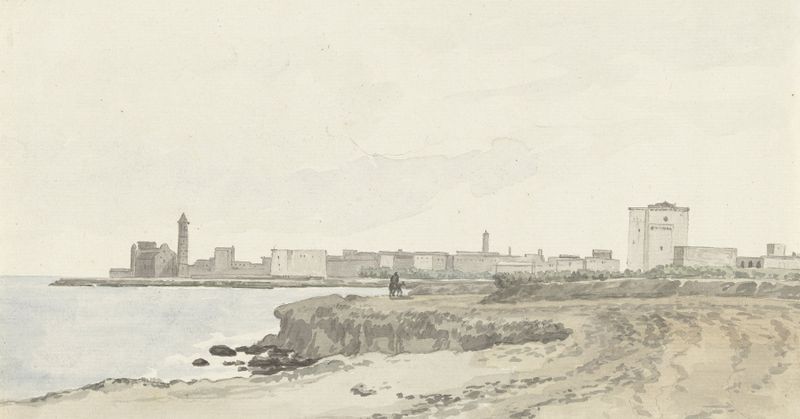
Gezicht op Trani gelegen aan de kust
Abraham-Louis-Rodolphe Ducros
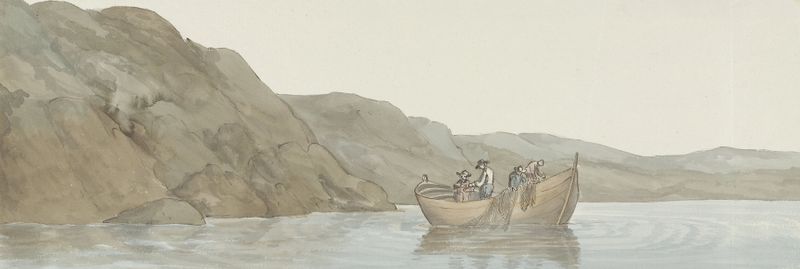
Gezicht op Kaap Paceco in Calabrië nabij de stad Scilla
Abraham-Louis-Rodolphe Ducros
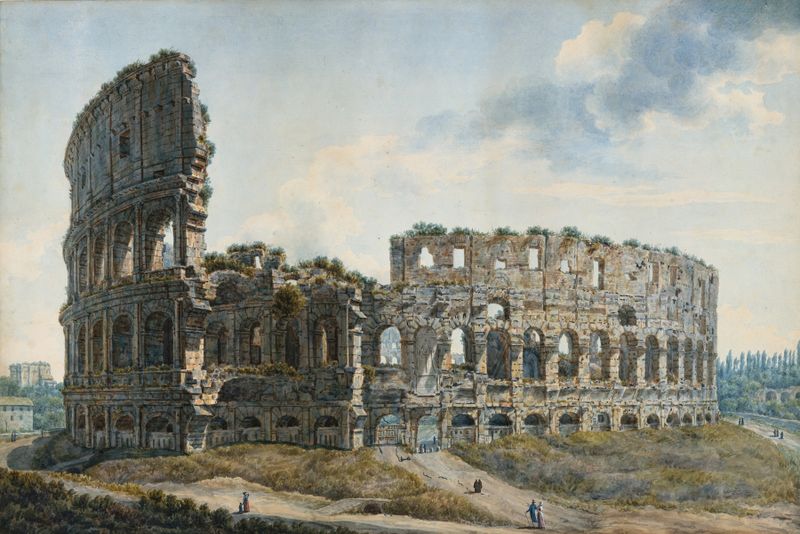
The Colosseum, Rome.
Abraham-Louis-Rodolphe Ducros
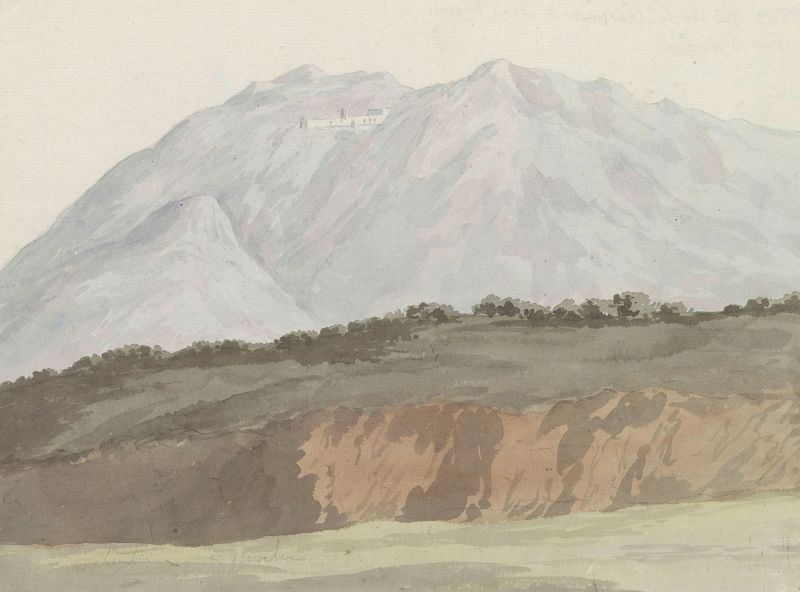
Gezicht op kartuizerklooster van Monte Vergine hoog gelegen boven Avellino
Abraham-Louis-Rodolphe Ducros
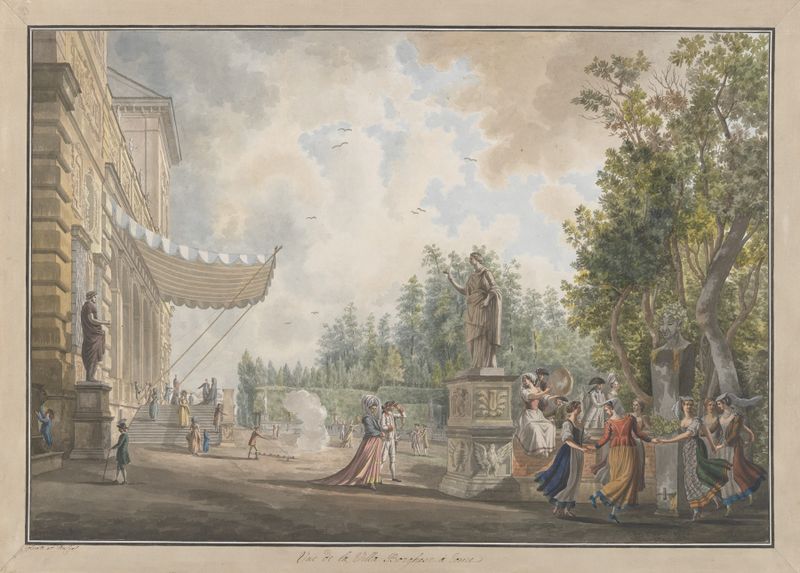
Villa Borghese
Abraham-Louis-Rodolphe Ducros
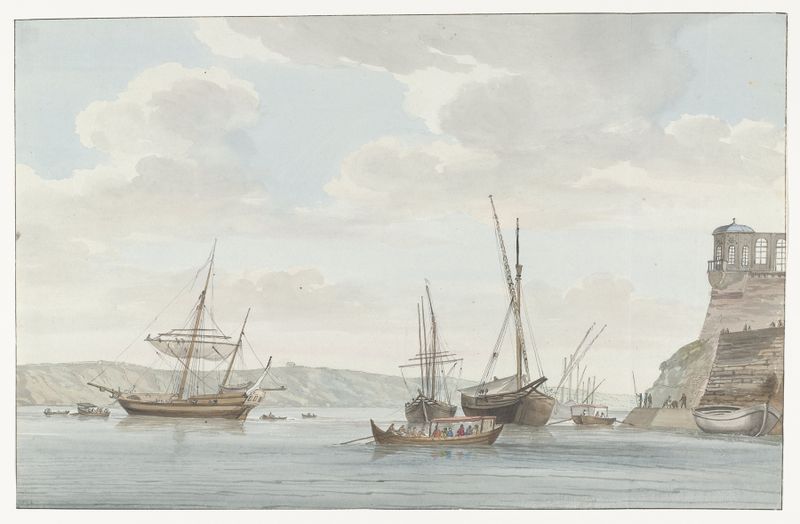
Tuinhuis van de Jardin du Grand Maître uittorend boven de haven met galei schepen op Malta
Abraham-Louis-Rodolphe Ducros
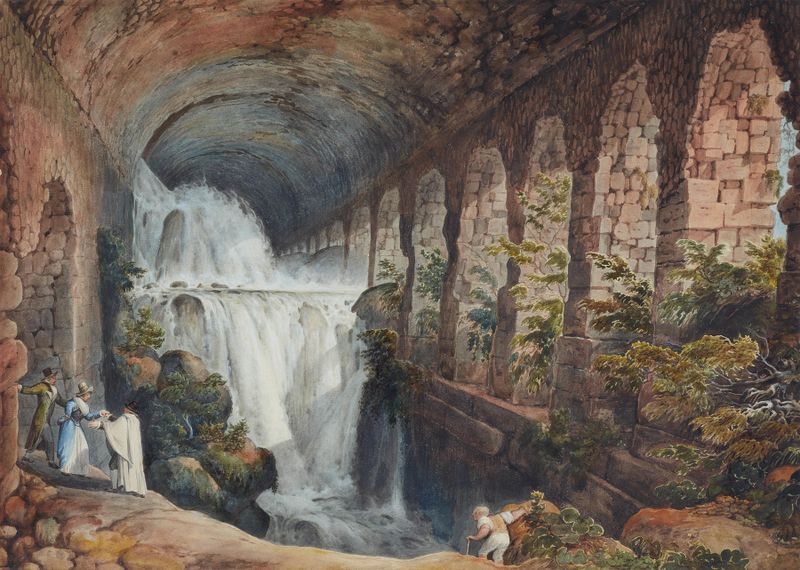
Aquädukt unter der Villa des Maecenas in Tivoli
Abraham-Louis-Rodolphe Ducros
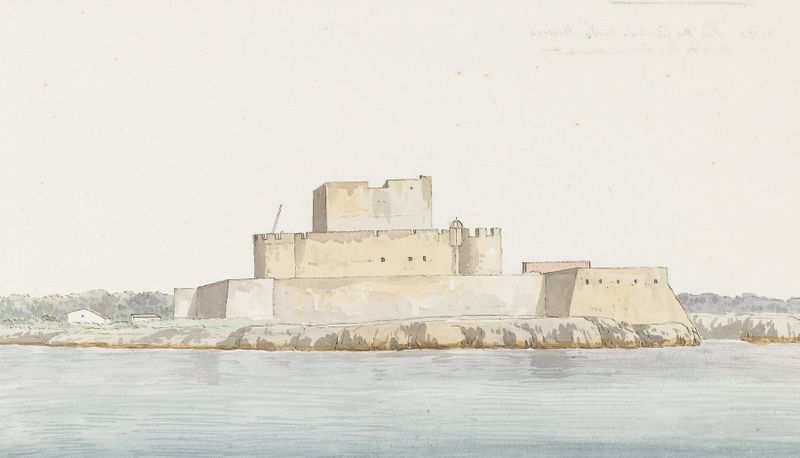
Gezicht op kasteel van San Mauro la Bruca vanaf zee bij aankomst
Abraham-Louis-Rodolphe Ducros





