
Landscape — History & Facts
In this fragile landscape, the weight of unspoken words lingers like a soft breeze, urging us to listen closely to what lies beneath the surface. Focus your gaze on the gentle undulations of the hills, where muted greens and browns blend harmoniously, creating a sense of tranquility. The artist employs delicate brush strokes to define each contour, allowing the viewer to feel the texture of the land. Notice how the sky, a fragile wash of pastel hues, casts an ethereal light over the scene, enveloping everything in a serene embrace.
This choice of color and technique evokes a dreamlike quality, inviting introspection. In the quiet corners of the composition, hidden details emerge — a lone tree standing resilient against the backdrop of a fading day, symbolizing strength amid vulnerability. The gradient of colors suggests the passage of time, capturing a moment that resonates with both beauty and melancholy. It’s a reminder of life's transience, the fragile balance between light and shadow, presence and absence, that exists in all landscapes. Created between 1890 and 1925, this piece marks a significant period for its creator, who was deeply influenced by the Symbolist movement.
Enckell was exploring the intersection of nature and emotion, searching for ways to express the ephemeral qualities of existence. Living in Finland during a time of social change and artistic awakening, he utilized his canvases to reflect both the external world and the inner workings of the human spirit.
More Artworks by Magnus Enckell
Browse all →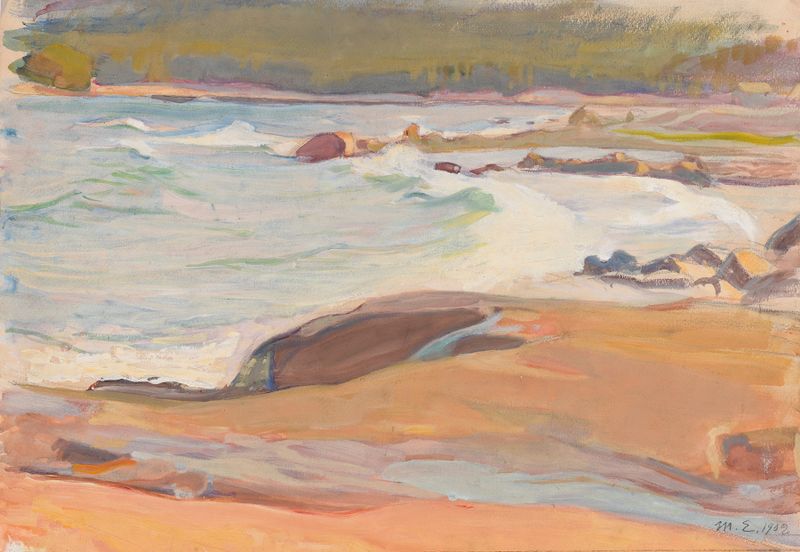
From Suursaari Island
Magnus Enckell
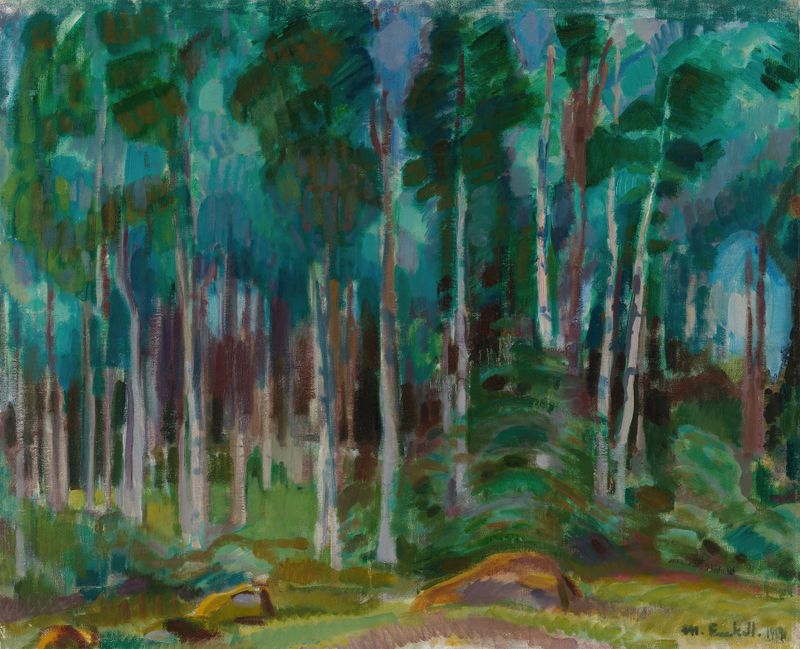
Birches in Vääksy
Magnus Enckell

Maisema, puita
Magnus Enckell

Maisema
Magnus Enckell

Maisema, puita
Magnus Enckell

Seaside Landscape from Suursaari Island
Magnus Enckell

Kaupunkikuva, puistoa, ajureita
Magnus Enckell

Puutarha
Magnus Enckell
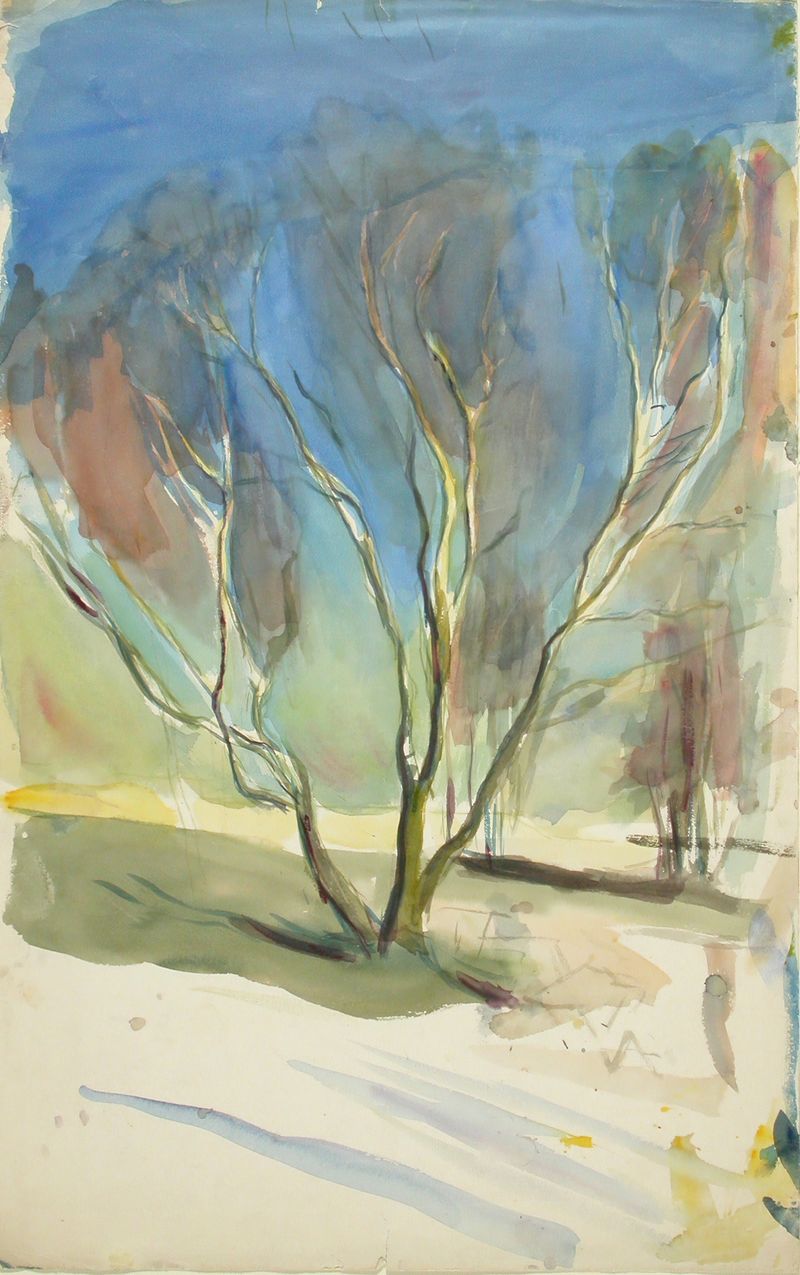
Landscape
Magnus Enckell

Maisema, pensaita, puita ja torni, luonnos
Magnus Enckell





